



★★★★½
“Zoë Bell, you’re our heroine. Never change.”
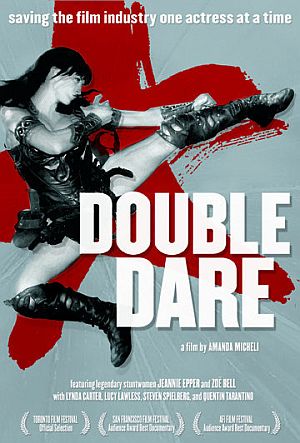
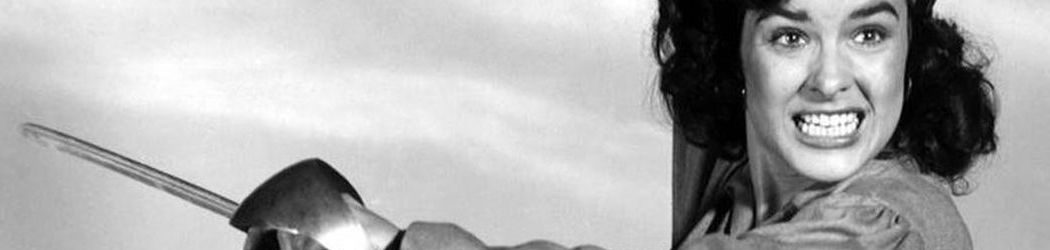
 The day after watching this documentary, I was clearing out the shed in preparation for our house move. I twisted my back, and thought about giving up, but soldiered on until the job was done – because that’s what Zoë Bell would do. It’s now my life philosophy: WWZD? She’s the main focus here, from working as Lucy Lawless’s double on Xena in New Zealand, through an unsuccessful attempt to break in to Hollywood, and on to a second try, where she’s hired to stand-in for Uma Thurman in Kill Bill. Paralleling this, it looks at Jeannie Epper, a veteran stuntwoman who shadowed Lynda Carter in Wonder Woman. Now nearing her 60th birthday, Epper is still active and seeking work, fighting against the problems of being a female in an extremely male-dominated industry.
The thing that comes over is how delightfully un-Hollywood Bell is, innocent almost to the point of naivety – she’s blissfully unaware of the need, for example, to have head shots, and drops F-bombs with a marvellously casual air. The cameras are rolling when she gets the call telling her she’s got the Kill Bill job, and her obvious, genuine delight at the news, brought a huge grin to our faces, and is completely endearing. It’s to be hoped that Hollywood doesn’t change her in the slightest, and Zoë remains the same, down-to-earth, well-grounded person shown here, who is now even more solidly entrenched among our favourite contemporary action heroines.
I have some concerns there, based on Epper; her contemplation of plastic surgery and liposuction at her age is more sad than anything else, as is watching Jeannie working the phones, basically begging for work, even though she’s a legend in the business. There’s a good heart beating in there (Epper donated a kidney to a friend, for instance), but she has clearly been ground down by her decades in the film industry, and become a lot more cynical and battle-weary as a result. That’s no wonder, when you witness her struggles trying to get equal treatment for women at the annual awards ceremony. It’s a somewhat grim reality-check, warning of the potential perils ahead for Bell in her career.
But aside from the contrast in the two heroines, this is a fascinating study in a side of the business that doesn’t get anything like the recognition it deserves. As one comment I read elsewhere said, “If you liked Uma Thurman in Kill Bill, Zoë Bell is the reason why,” and that sums up the shadows in which stuntwomen work. This film shines a light into that darkness, and both Epper and Bell deserve enormous respect and admiration for putting their bodies on the line, in the name of our entertainment. And while I’m not really a big Tarantino fan, if he turns out to be responsible for bringing Bell to a wider audience, then it’s perhaps the biggest gift his career will have given us.
Dir: Amanda Micheli
Star: Jeannie Epper, Zoë Bell
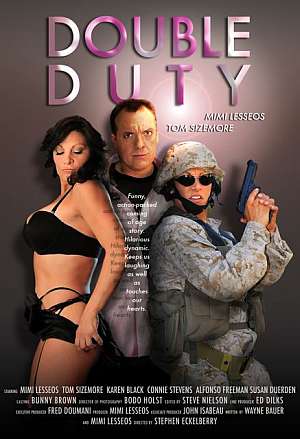 After 20 years in the Marines, MJ (Lesseos) returns to civilian life, but finds it somewhat hard to adapt to life as a civilian. Her old college friend Sophie (Duerden) helps her adjust – somewhat – and introduces her to Craig (Sizemore), a designer who is perhaps rather more feminine than MJ. Sophie is working on a charity auction, not realizing her assistant Carl (Freeman) is planning to steal the top item, a Faberge egg. Meanwhile, hypnosis has given MJ the ability to get in touch with her inner woman – but the problem is, every time someone snaps their fingers, she switches between her two personas. There is that of the rough, tough and gruff Marine, and then there’s the other, a giggling girlie for whom breaking a nail would pose a deep, personal crisis. Which will win out when the chips are down?
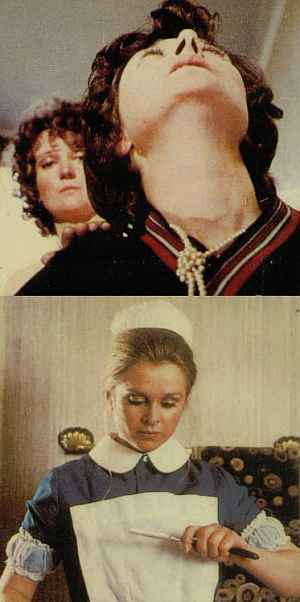 An intriguing premise is ground into the dirt, with execution which could hardly be more tedious. An agency of hit-women are run by an antiques dealer (Reed), taking on clients from all walks of life, who can use the skill-set of her assassinettes. Flaky business partner? No problem. Trapped in an unloving marriage? Will that be cash or charge? It’s imbued with a curious degree of social commentary, as the scenes are intercut with newspaper front-pages, intended to convey the impression that 1976 society is on the edge of collapsing into predatory carnage, anarchy and chaos. Which, in the post-9/11 world, really seems more quaintly ironic than remotely threatening.
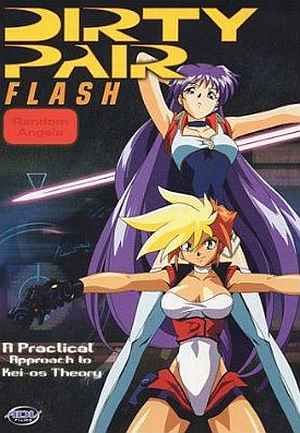 The final – to date – installment of Dirty Pair adventures on the screen, is a bit of a mixed bag. Of the five episodes here, two are pretty good, one mediocre, and two are more than a tad creepy, thanks to the level of, from what I recall of my days in anime, used to be called ‘fan service’. There is an entire episode centered around beach volleyball, which is nothing more than a flimsy excuse to see Kei and Yuri in a variety of miniscule costumes, bordering on the fetishistic. Now, I just don’t find cartoons sexy – no, not even Jessica Rabbit – and given both of them are technically under-age, it all gets a tad sleazy. Things get worse in the fourth episode, when an even younger boy, rich and clever, but very weird, builds a mechanical replica of Yuri and falls in love with it.
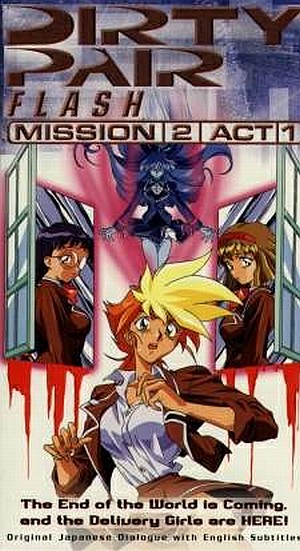 Where are Kei and Yuri, and what have you done with them? That might be the anguished cry of the Dirty Pair fan after watching these five episodes, most of which eschew any efforts at high-octane action, in favour of generally unamusing comedy and tedium. All five parts are set on World’s World, a theme-planet that recreates 20th-century life for tourists. Our heroines are sent there because the computer is virus-infected, to bodyguard the network engineer Touma (Ono) who is going to fix it. Their presence becomes necessary, as it’s soon clear someone is out to stop Touma from doing his job. That only occupies the bookend episodes: the middle three are, while still set on the same planet, largely unconnected. In them, Kei and Yuri must look into ghostly goings-on at a girls’ school, help Touma with his love-life and bring a con-artist to justice.
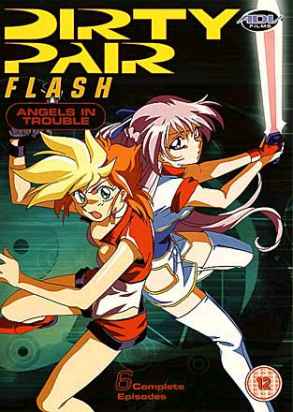 The surprising thing about this, is that the six episodes, basically, form a single plot, a radically different approach to the first phase anime, where the individual OAVs stood on their own, with little or no ongoing story arc. Here, the parts mesh, starting with the pair, off-duty, coming into possession of an encrypted card, which they must get back to 3WA headquarters, in the face of significant opposition. From this develops the uncovering of a galaxy-wide conspiracy involving the malevolent Lucifer group, which must be foiled, since they have control of galactic communications. However, a significant subplot involves Lady Flair, a sniper who humiliates Kei in the second episode, provoking her into a fury which leads, later on, to our redheaded spitfire quitting the 3WA in order to pursue Flair on her own terms.
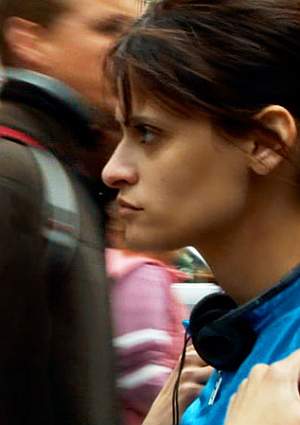 This is one of those which split the panel here. Chris was thoroughly unimpressed with its lack of a well-defined conclusion: “I
 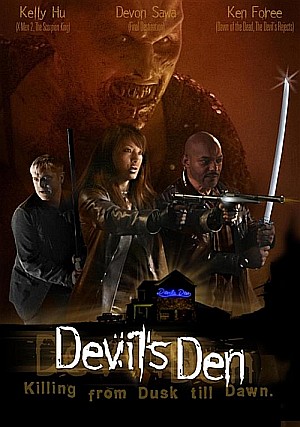 Sadly, despite the above tagline, the movie doesn’t quite live up to expectations. It has some very interesting ideas, but kinda goes about them the wrong way: I love the idea of a government task-force that roams the world, taking out vampires, werewolves, etc. I enjoy the concept of government-sponsored assassins, working on behalf of pissed-off senators. Instead, for the most part, the film wants desperately to be From Dusk Till Dawn – an admirable target, for sure, even if it falls short on almost every level. Vamp is another obvious touchstone for the script, which has Quinn (Sawa) stop off at the titular strip-club on his way back from Mexico, only to find the buffet is of the patrons, not
 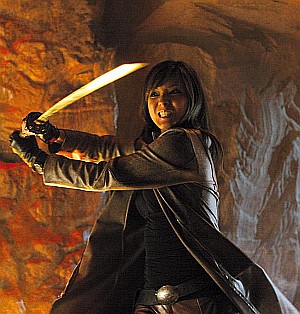 That said, there is a fair amount to enjoy here, with the performances, particularly of Foree and Sawa, being entertaining. Sawa is perfect as a stoner dude who, while initially freaked out for obvious reasons, eventually comes to terms with what’s going on: during the climatic fight between Caitlin and the queen ghoul, he just sits there with a goofy grin on his face, taking it in like we all would. Foree, a horror icon since his performance in Romero’s Dawn of the Dead, also delivers a quirky turn, and there’s a sublime sequence where he and Quinn, both fans of cinematic samurai Zatoichi, imagine what the blind swordsman would do in their shoes. Hu’s role builds gradually throughout the film, and eventually brings this into GWG territory, which I wasn’t expecting initially. She handles the action scenes fairl well, covering all the bases with gunplay, sword skills and martial arts – I note that one of the stuntwomen on the film is Zoe Bell, whom you should remember from her role in Death Proof. If the potential is never fully realized, there is enough going on to make it a pleasant-enough way to spend 85 minutes.
 ★★★½
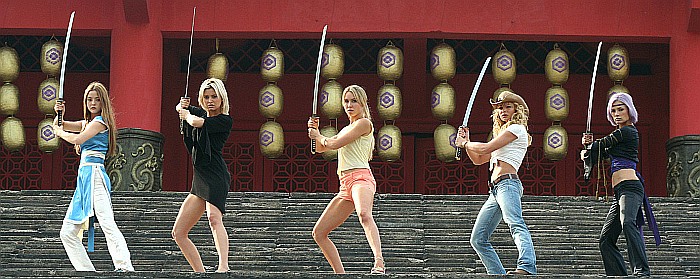
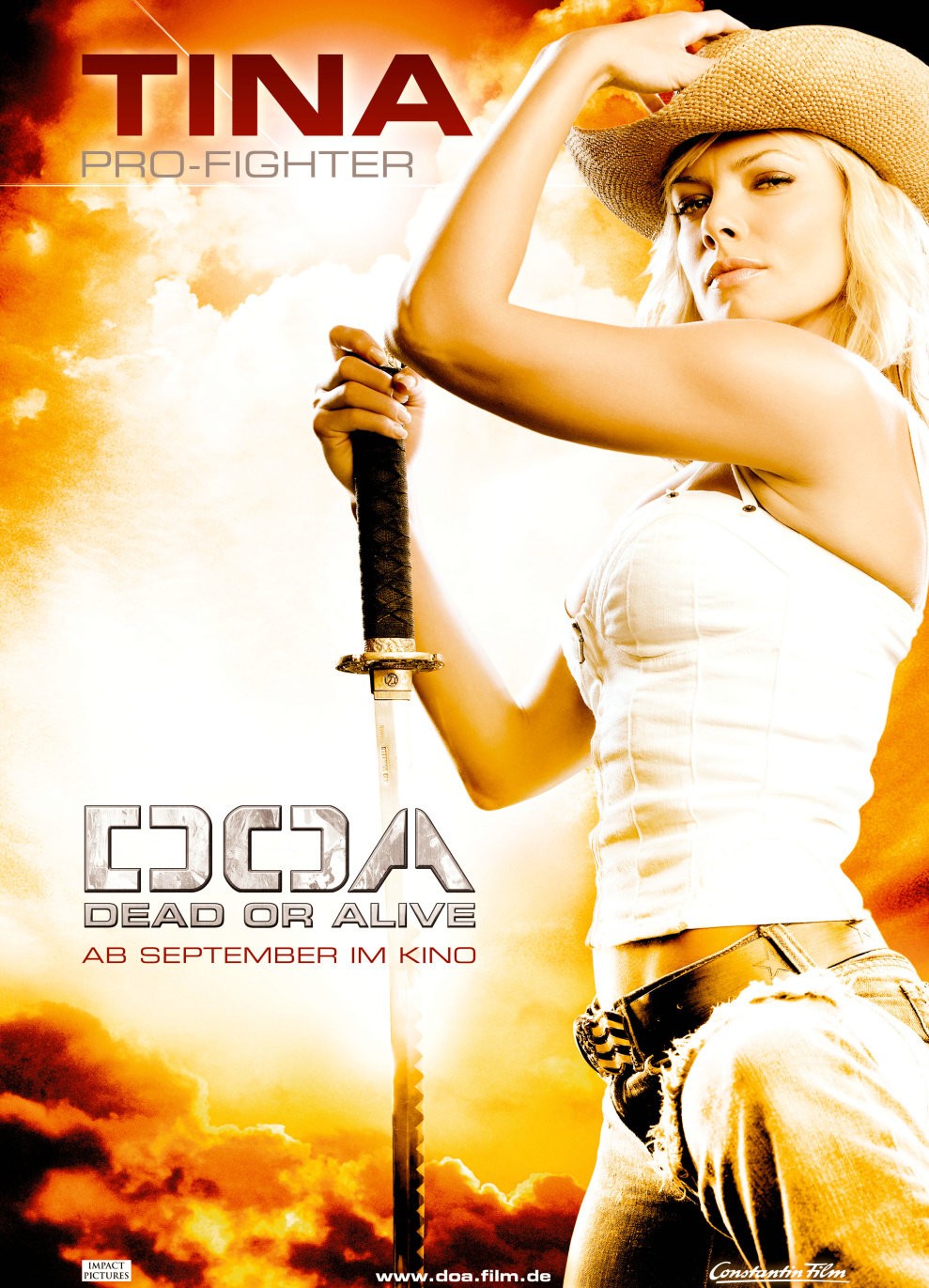
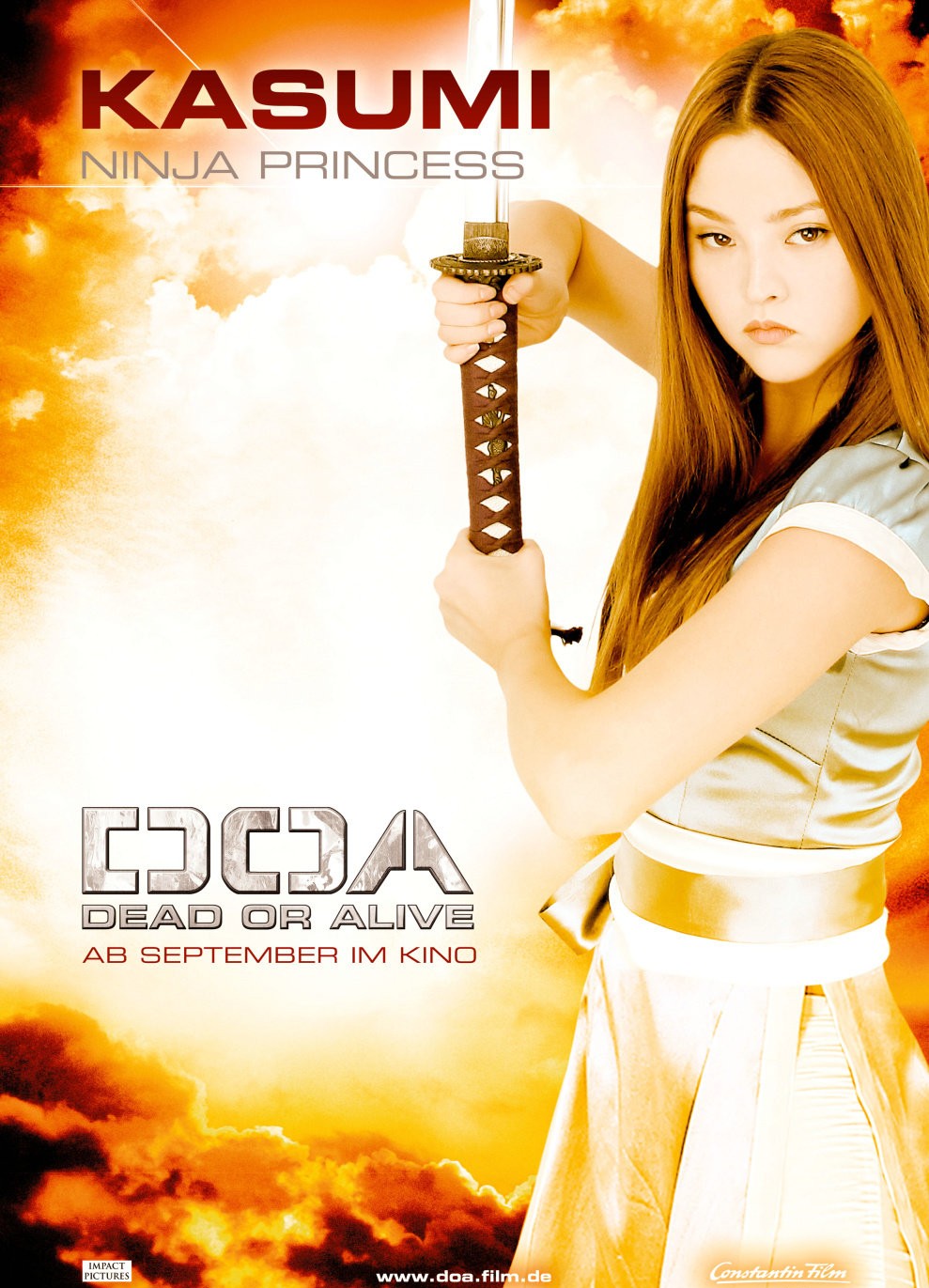
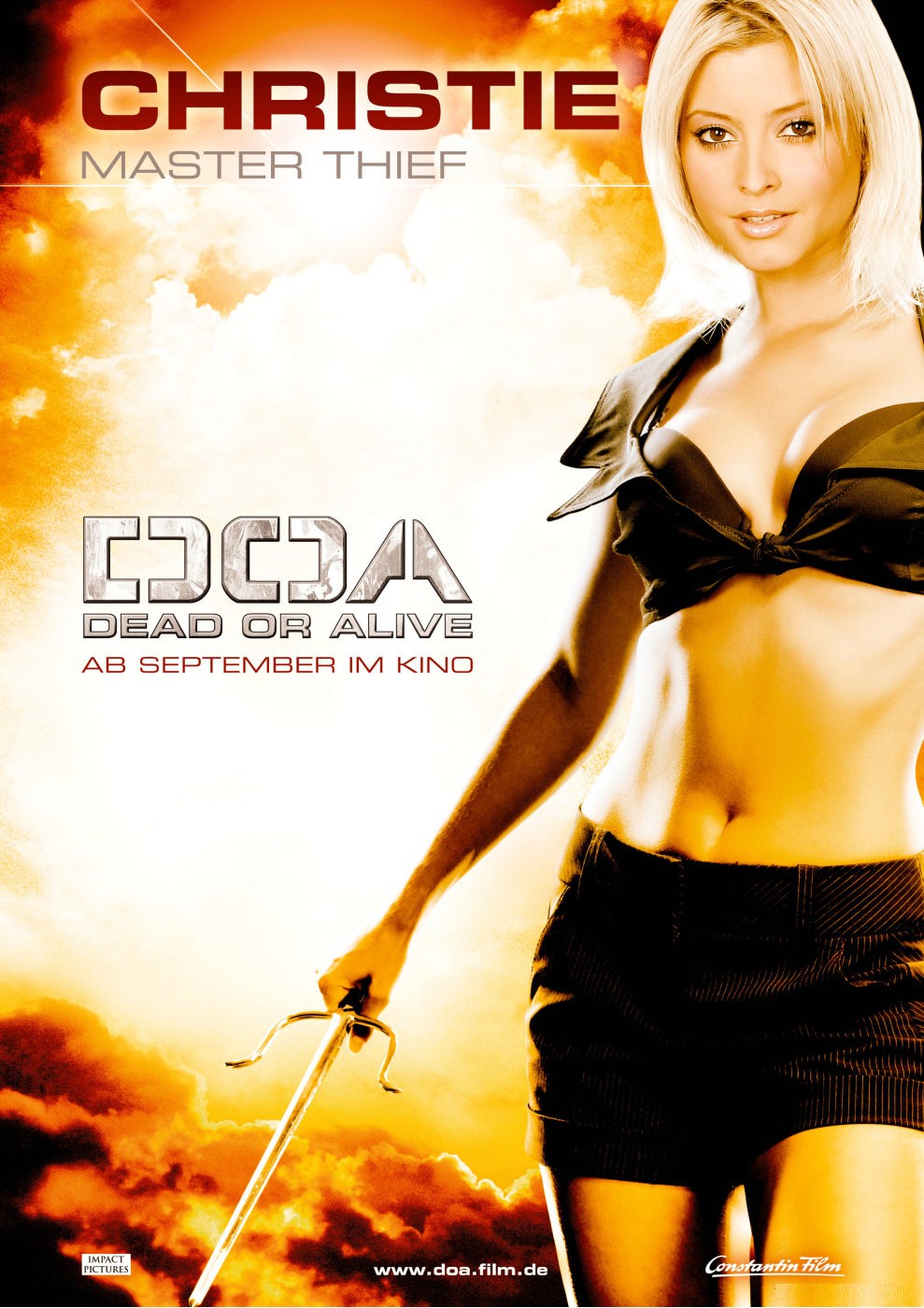
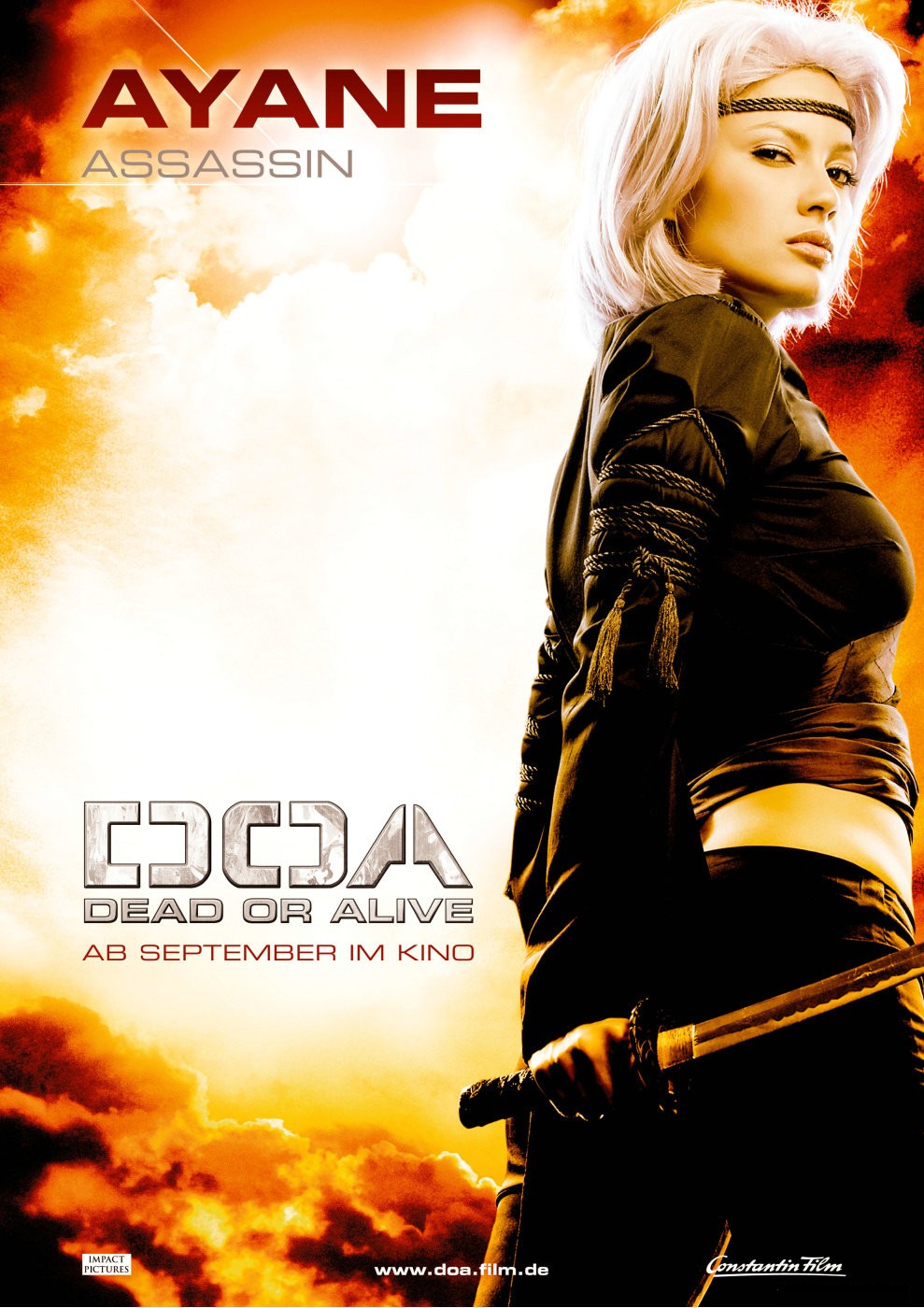
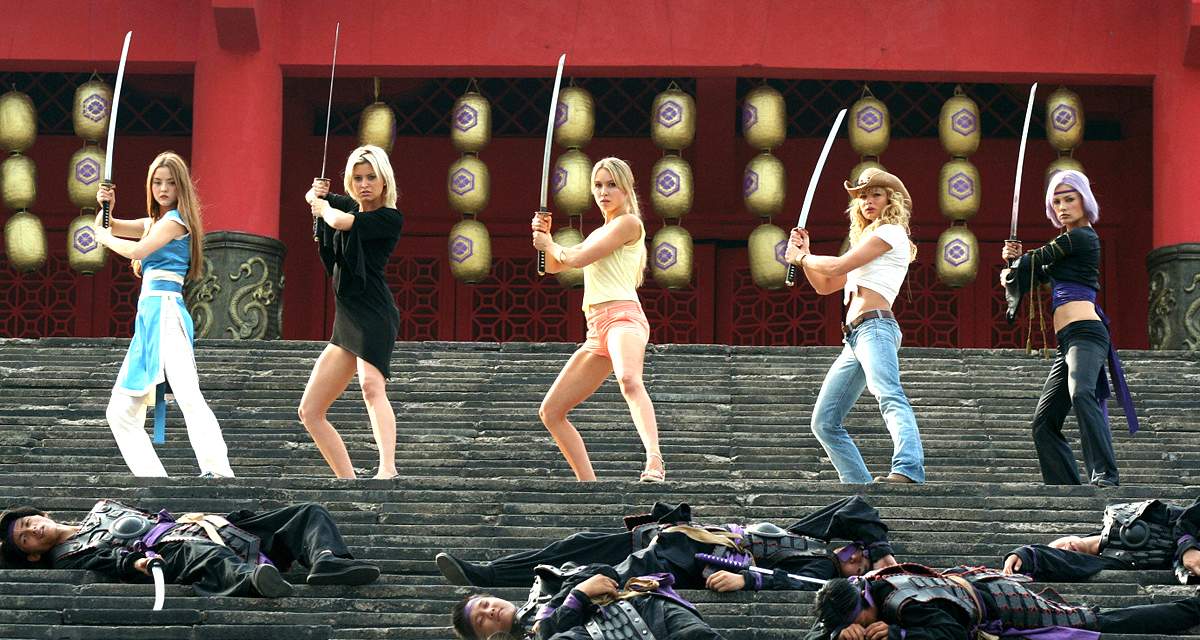
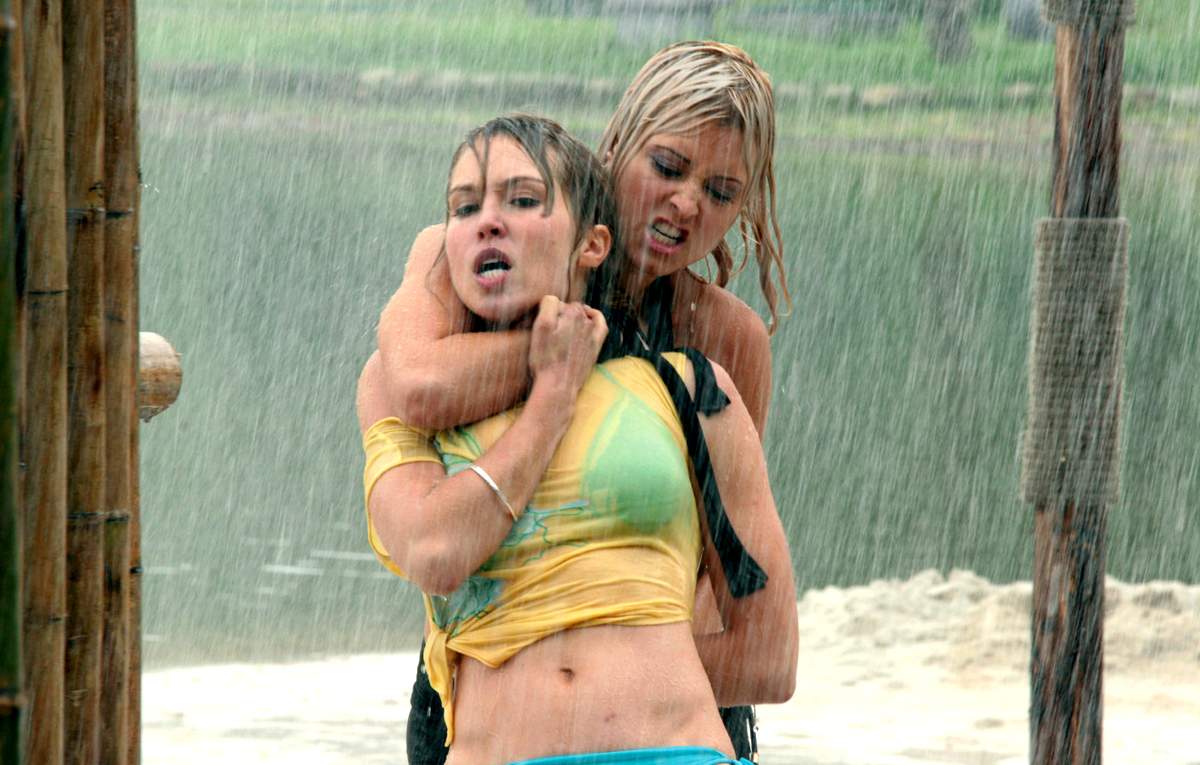
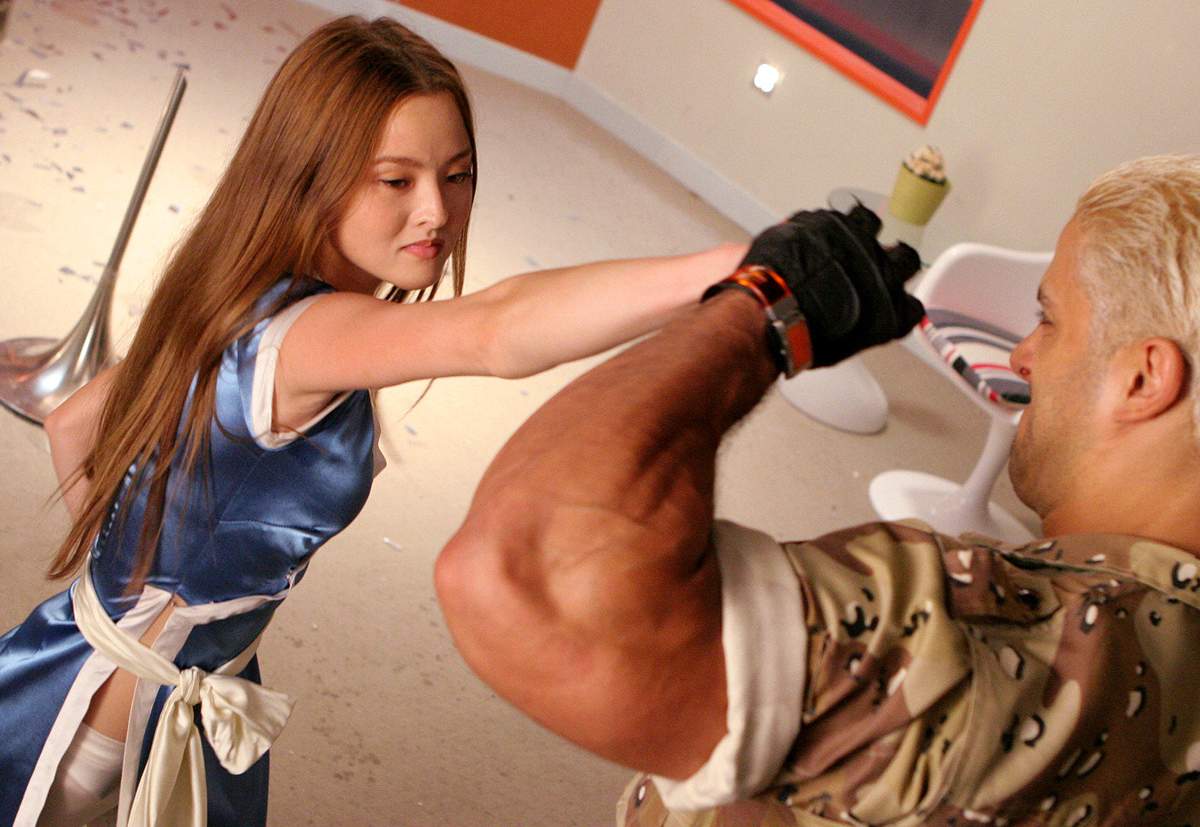
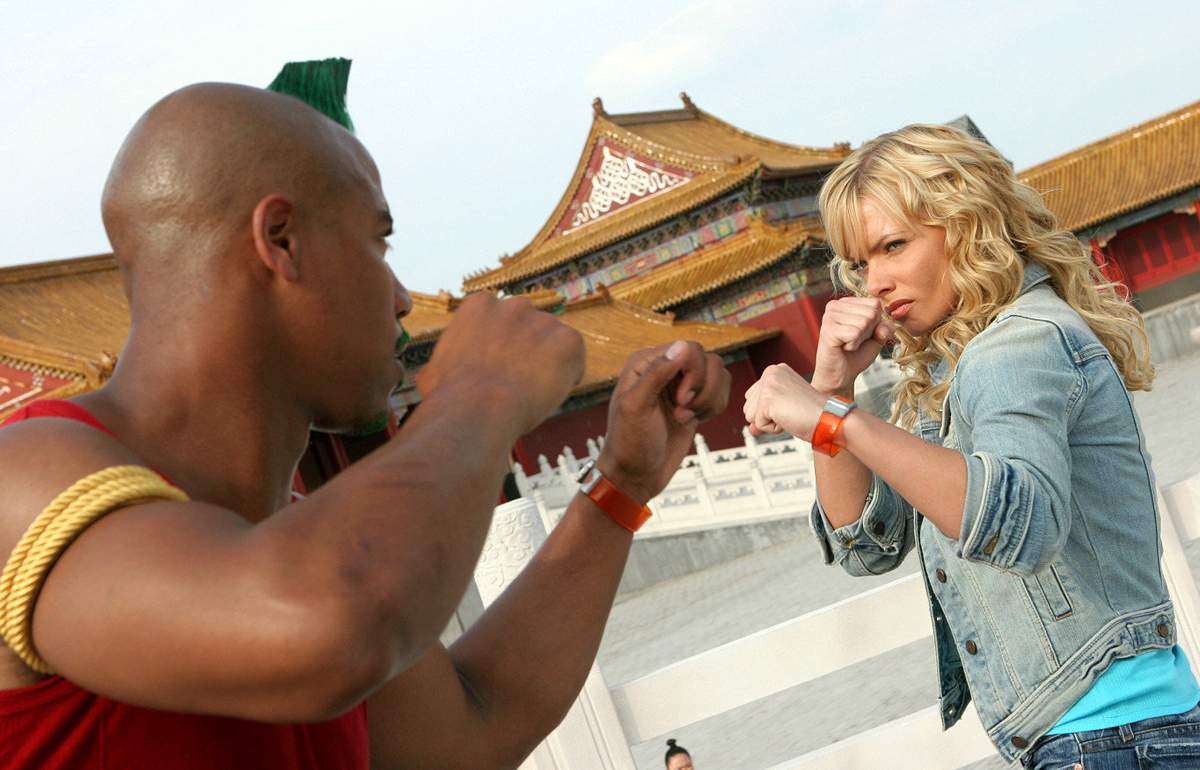
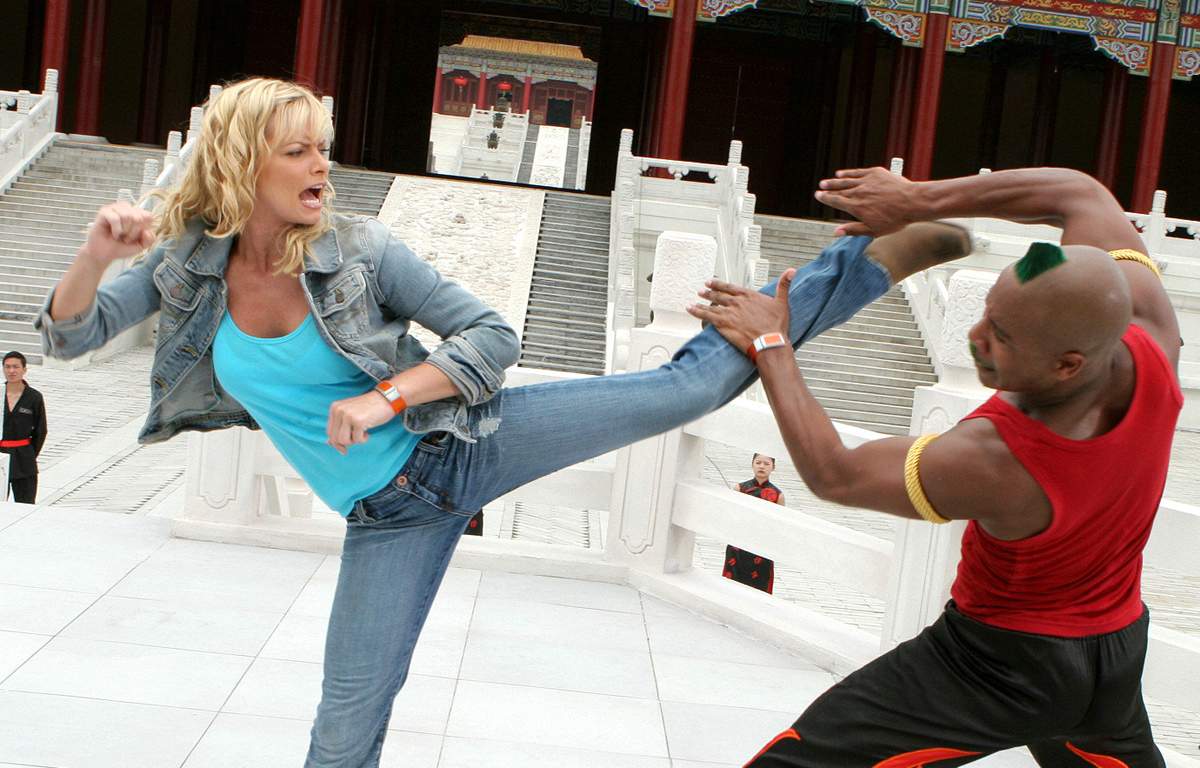
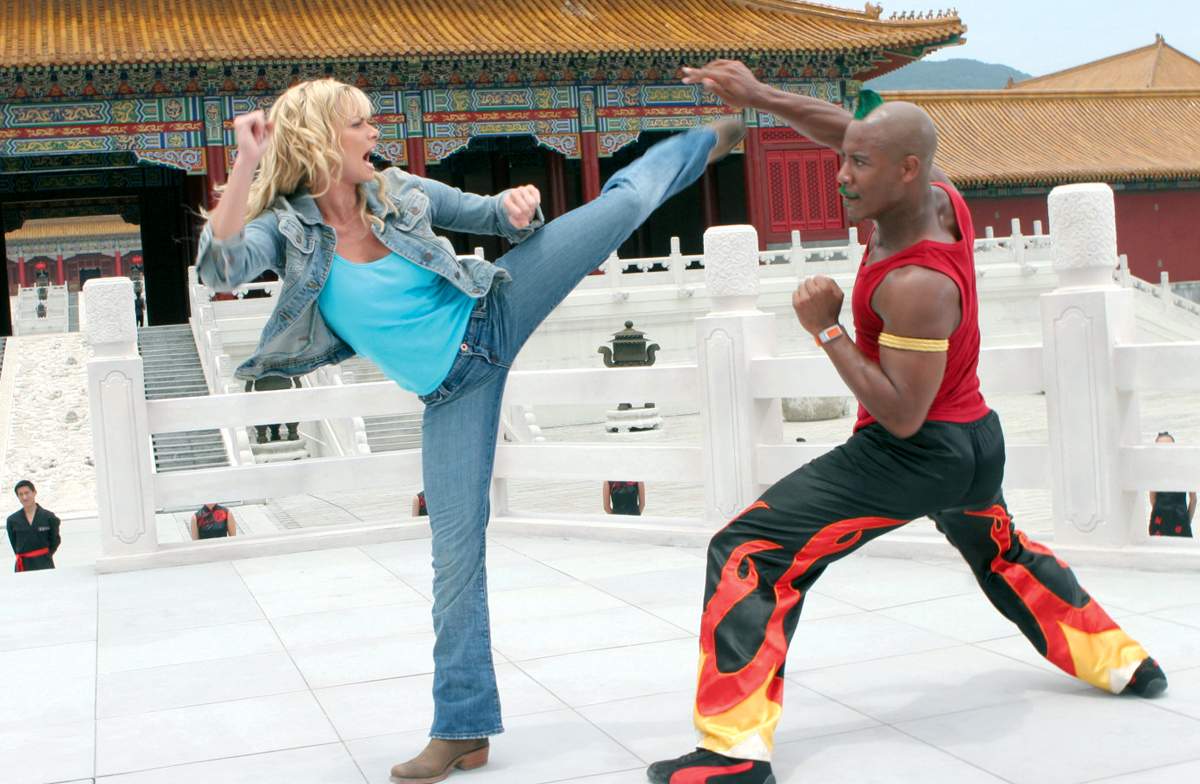
★★★½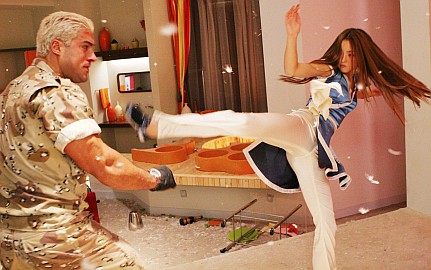 And…it’s not as bad as we feared it might be. Admittedly, I am not the best person to judge its merits in comparison to the video-game from which it was adapted. While I’ve mashed buttons on it and got my ass kicked by our son occasionally (and, somewhat oddly, Dead or Alive Xtreme Beach Volleyball, despite being a jiggle-fest of epic proportions, was a great favourite of our
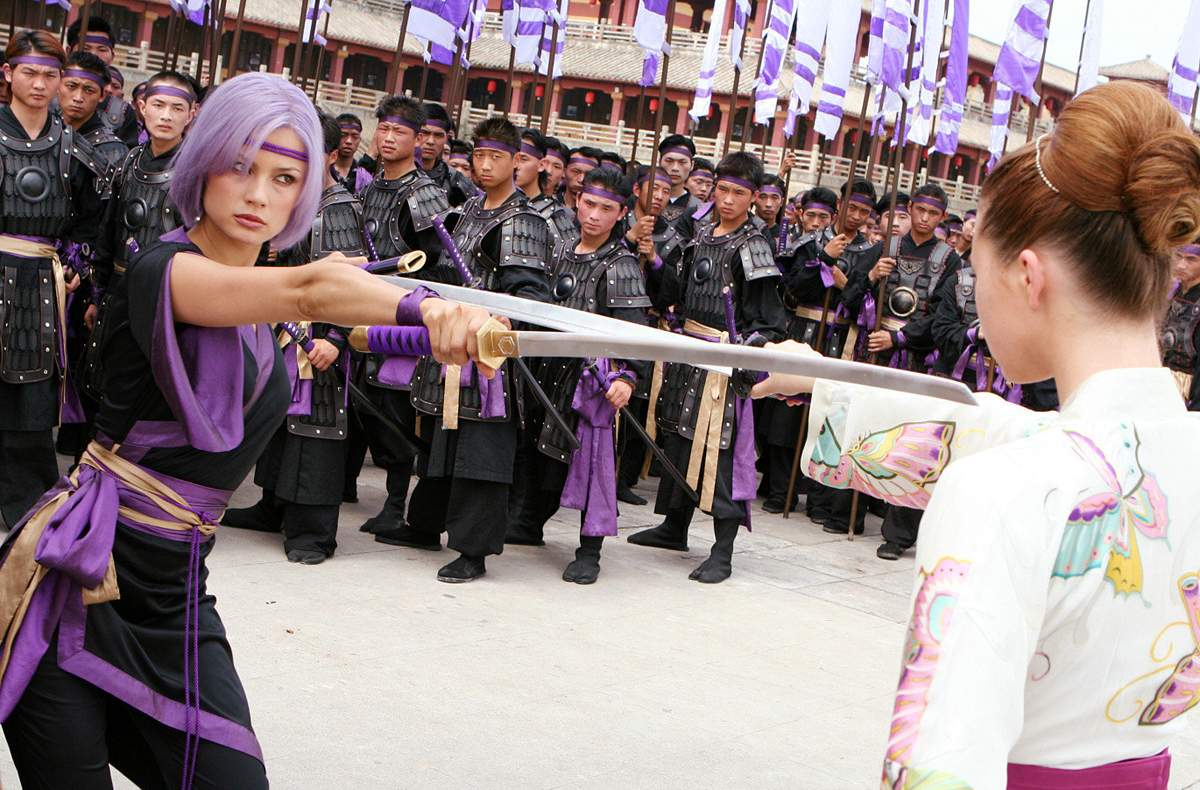
 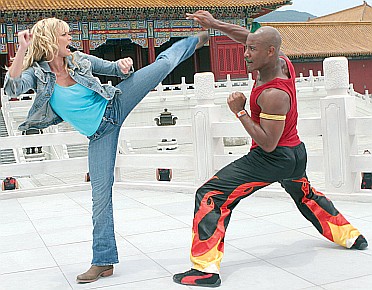 It remains, however, a movie based on a video-game, and almost inevitably this means the storyline is absolute pants. Yet another martial-arts tournament, sponsored by a rich ne’er-do-well; has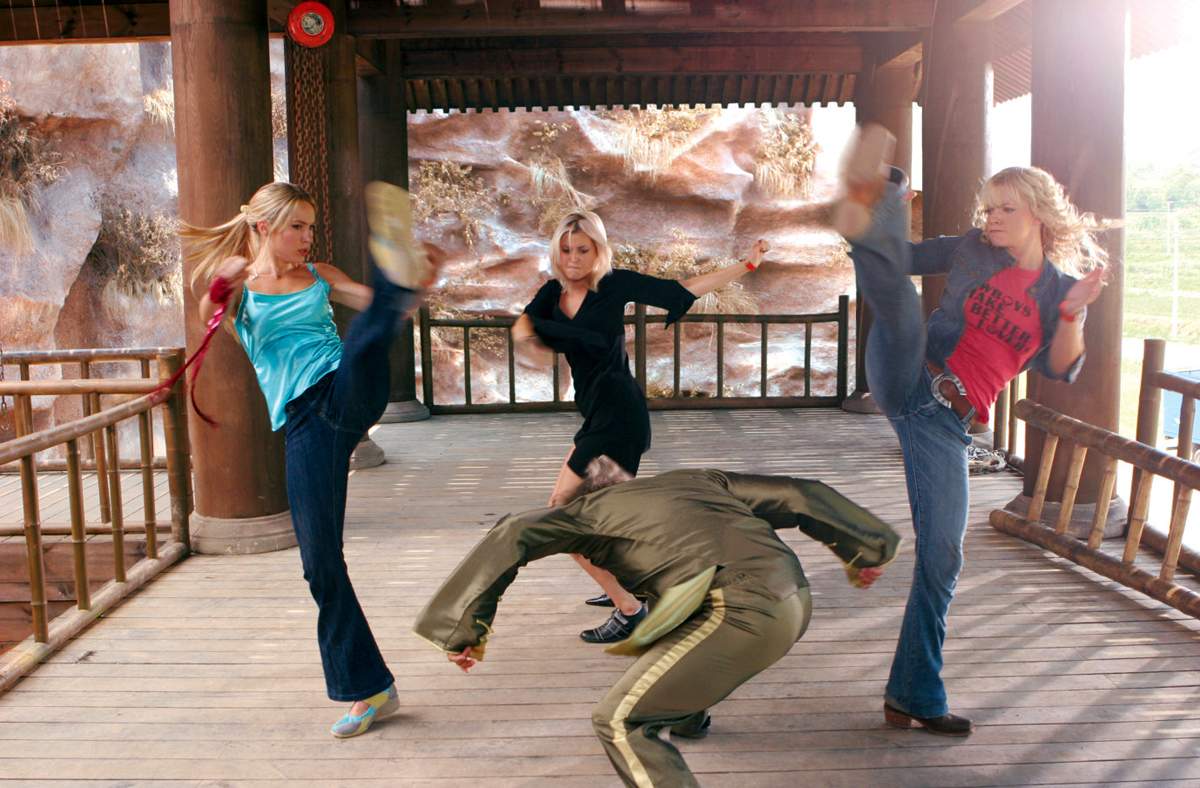



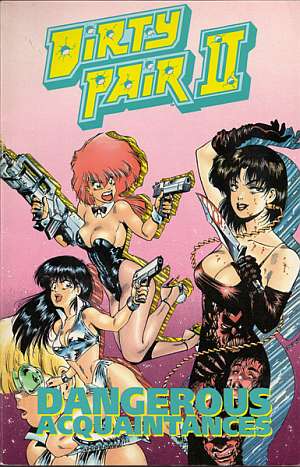 It’s been at least a decade since I read this – probably more – but it is still a thoroughly-enjoyable read, and a major improvement in just about every way (plotting, art, pacing, imagination and characterization) over the first stab. Of particular note is the solid way in which the two separate threads of the story are woven together. While on holiday, Kei and Yuri bump into Shasti, a former colleague of theirs in the WWWA. She was actually an android, who went rogue after a criminal’s personality was implanted into her, part of a (failed) experiment to see if it would help with his capture to have her think like him. She’s now apparently leading a group of “freedom fighters” who are planning to hijack a luxurious space-liner, crammed with VIPs and new technology. Has Shasti gone all political? Or, if not, what is she up to?