



★★★½
“Forty years later, the Duke has become the Dude, with a small Duchess.”
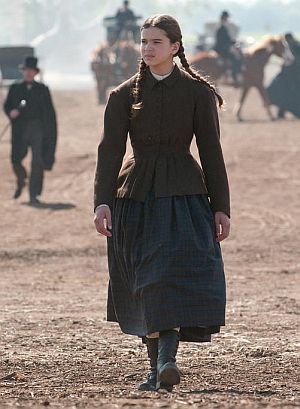 Based on the original source material – which was very much focused on John Wayne – and the trailers, you’d be forgiven for thinking of this as just another macho Western. However, I read some pieces which suggested that wasn’t the case, with the story [as in the original novel] told from the viewpoint of teenage girl Mattie Ross (Steinfeld), who hires drunken Marshal Rooster Cogburn (Bridges) to hunt down the outlaw (Brolin), who killed her father. That is indeed the case – despite Steinfeld getting an Oscar nomination for Best Supporting Actress, while Bridges was listed for Best Actor. Go figure.
For Ross is one of the most impressive teenage girl characters to appear in a recent Hollywood film, being resolute, smart, brave and resourceful: that’s clear from the scene where she completely out-haggles the businessman with whom her father had been dealing. You can almost imagine Mattie growing up to become Marge Gunderson in the Coen’s Fargo: there’s much the same dogged determination, in a form which causes those who oppose Mattie to severely underestimate her. More in tune with her age, I was also reminded of Lyra Belacqua from The Golden Compass, whose heroine also found herself with an unenviable task, and had to man girl up and get through it. Here, from the moment Mattie plunges into the river on her horse, while Cogburn and Texas Ranger LeBoeuf (Damon) watch from the far side, she’s in a completely different, alien world.
I was much less impressed with Bridges’ performance. Fair enough that he chose not to try and reproduce Wayne’s iconic role: however, the route in which he chose to do so is unfortunate, not least because it’s largely inaudible. He mumbles every line so badly, you’re largely reduced to picking words out where you can, and trying to work out what he said by the other characters’ replies. It’s only right at the end that he comes across as being much more than a drunken buffoon, and it’s difficult to fathom why Ross picked him rather than LeBoeuf, who projects a far more compelling air of confidence. With Wayne, there was a sense of faded, decrepit glory: Bridges’ version of Cogburn is less a has-been than a never-was.
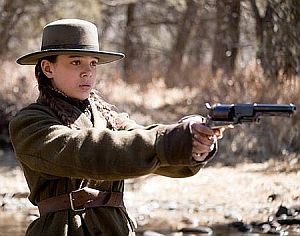 That said, there’s something refreshing about the way this is…well, not refreshing. By that, I mean there is little or no attempt to re-invent or “reboot” the Western genre: it’s lasted for approaching a century, so the basic tenets don’t really need changing. So while there are some understated moments of humour, e.g. the last words of the men about to be hanged, the focus is clear: Mattie and her goal of extracting justice on the man who killed her father. It’s a simple story, well told.
Dir: The Coen Brothers
Star: Hailee Steinfeld, Jeff Bridges, Matt Damon, Josh Brolin
 This 12-part serial from Republic was a spin-off from the success of Zorro – though despite the title, the Z-word is never mentioned. It moves the legend from Spanish California to Idaho in the 1880’s, just before a vote to decide whether it would become a state. Villainous Dan Hammond (McDonald) begins a violent campaign to prevent this, and is opposed by local newspaper owner Randolph Meredith, who has a secret identity as The Black Whip, a masked vigilante. When he is shot dead, his sister Barbara (Stirling) takes up the cape and whip, along with the help of undercover federal agent, Vic Gordon (Lewis). Together, they foil Hammond’s increasingly-desperate plots as voting day nears, and escape from 11 precarious positions. Well, it
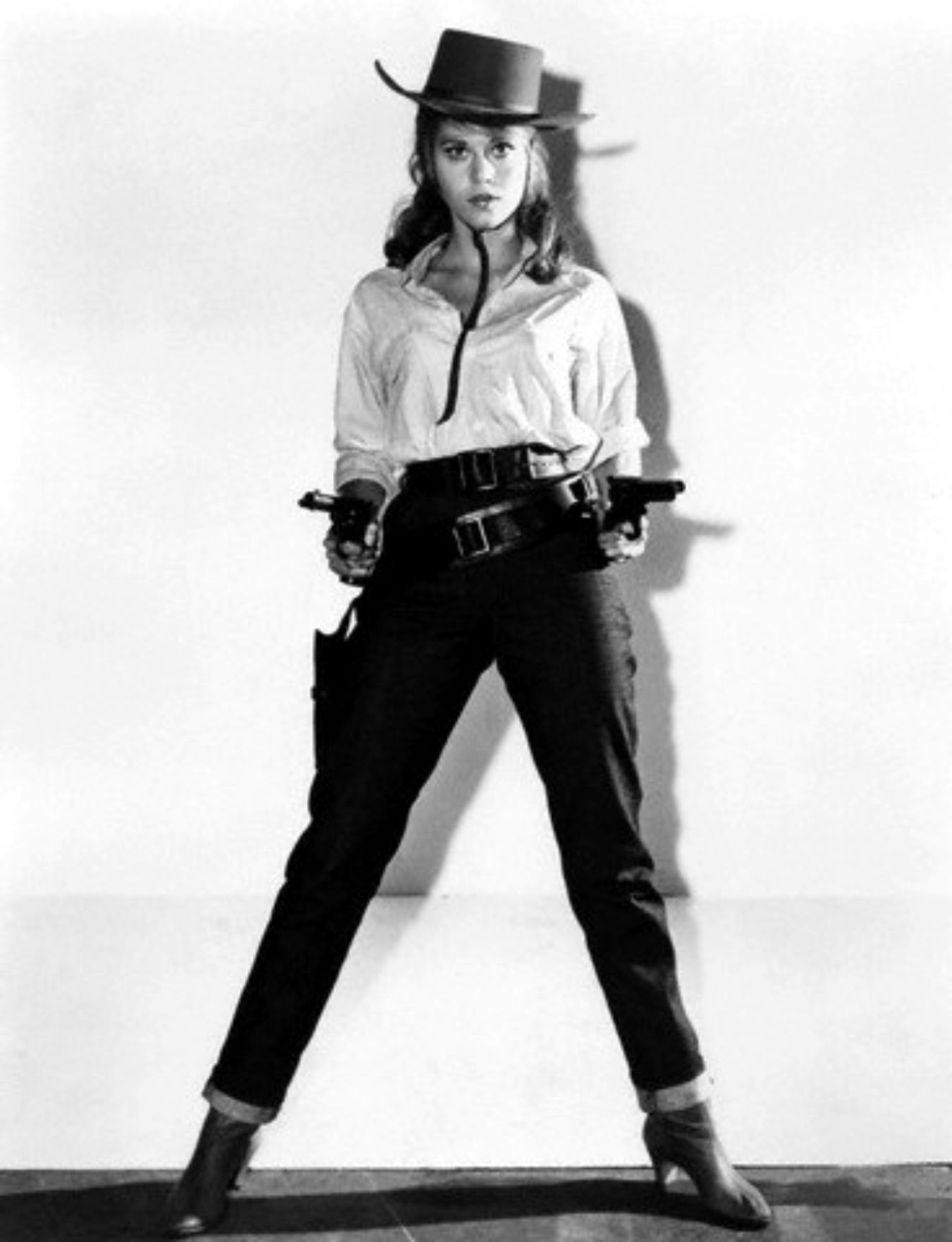
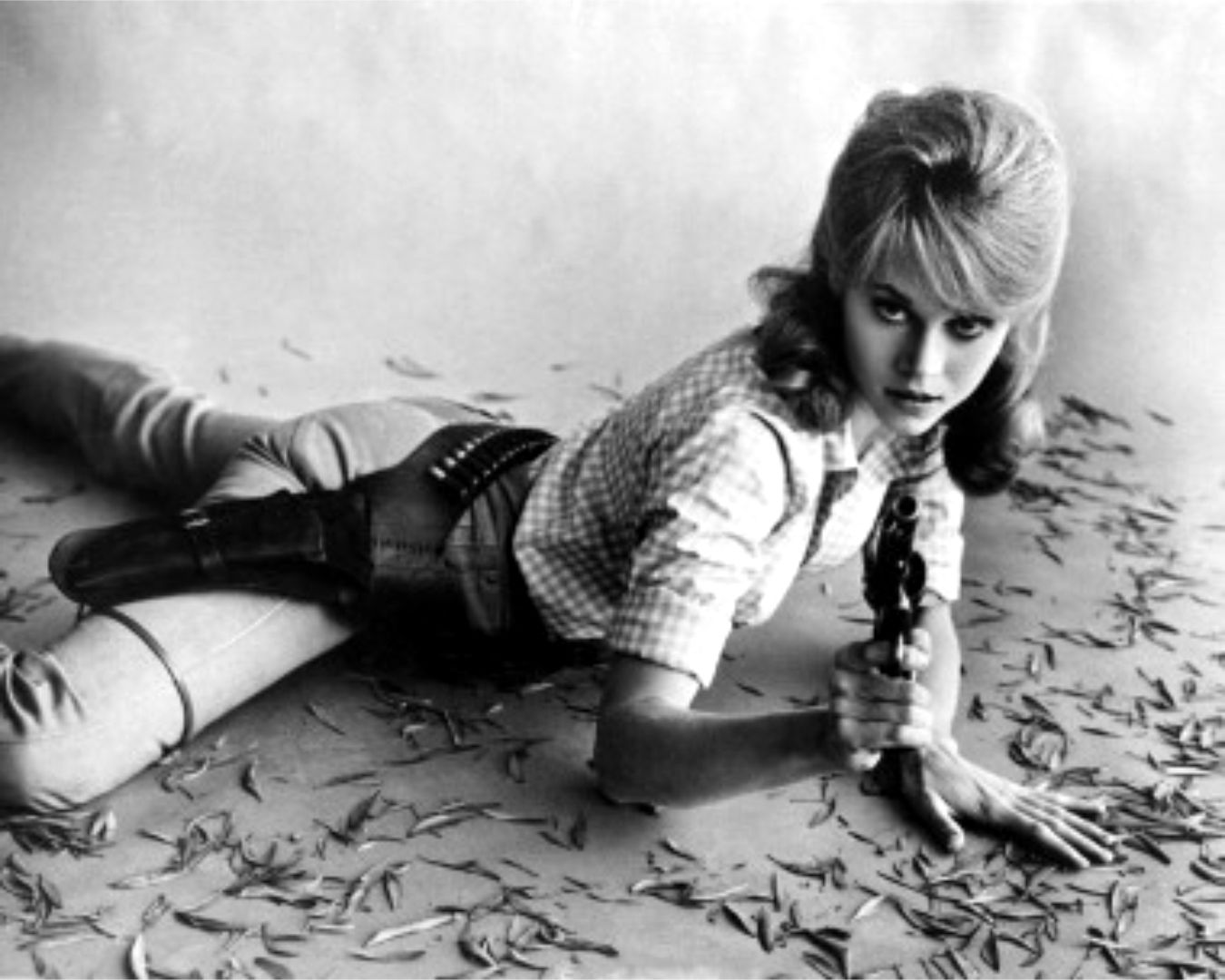
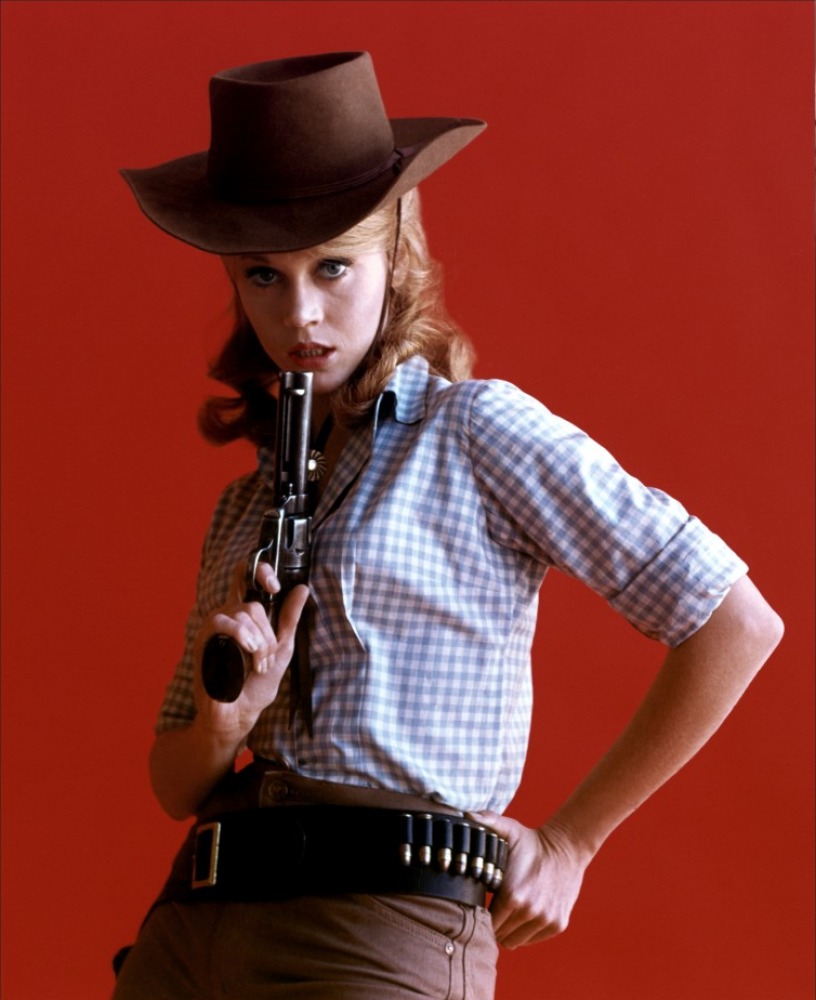
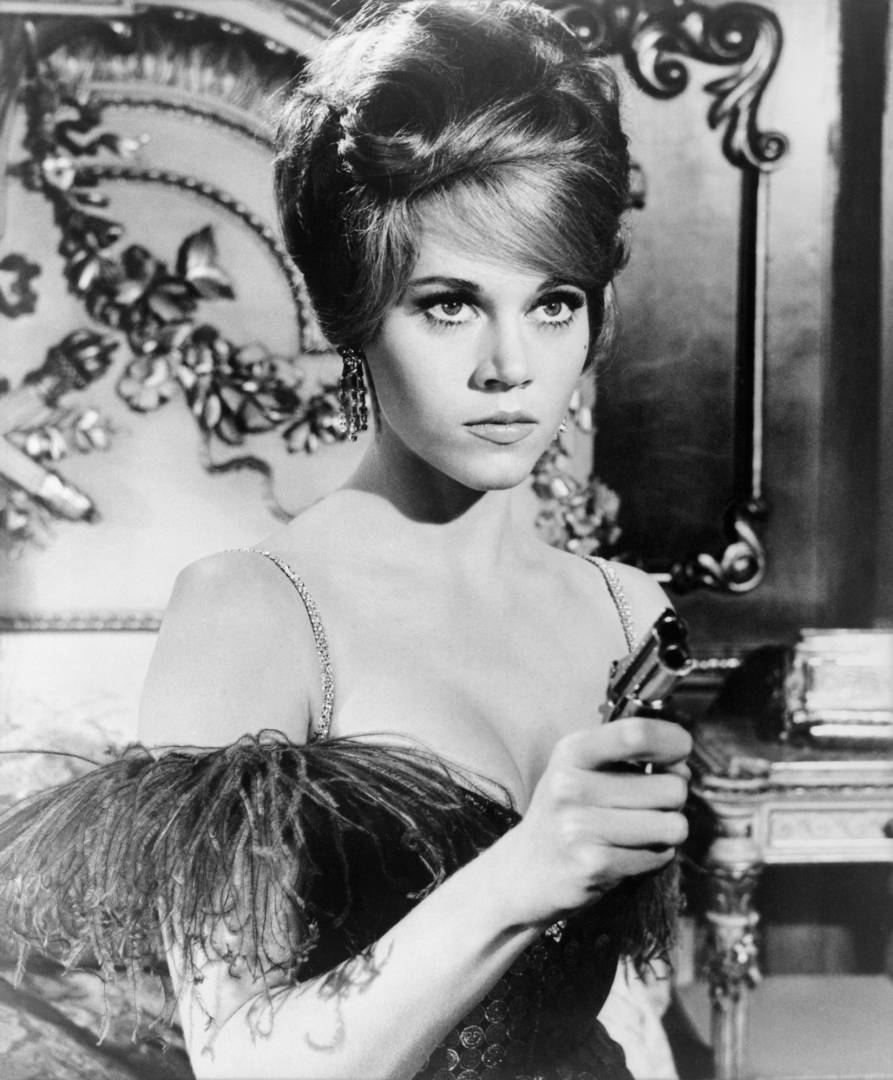
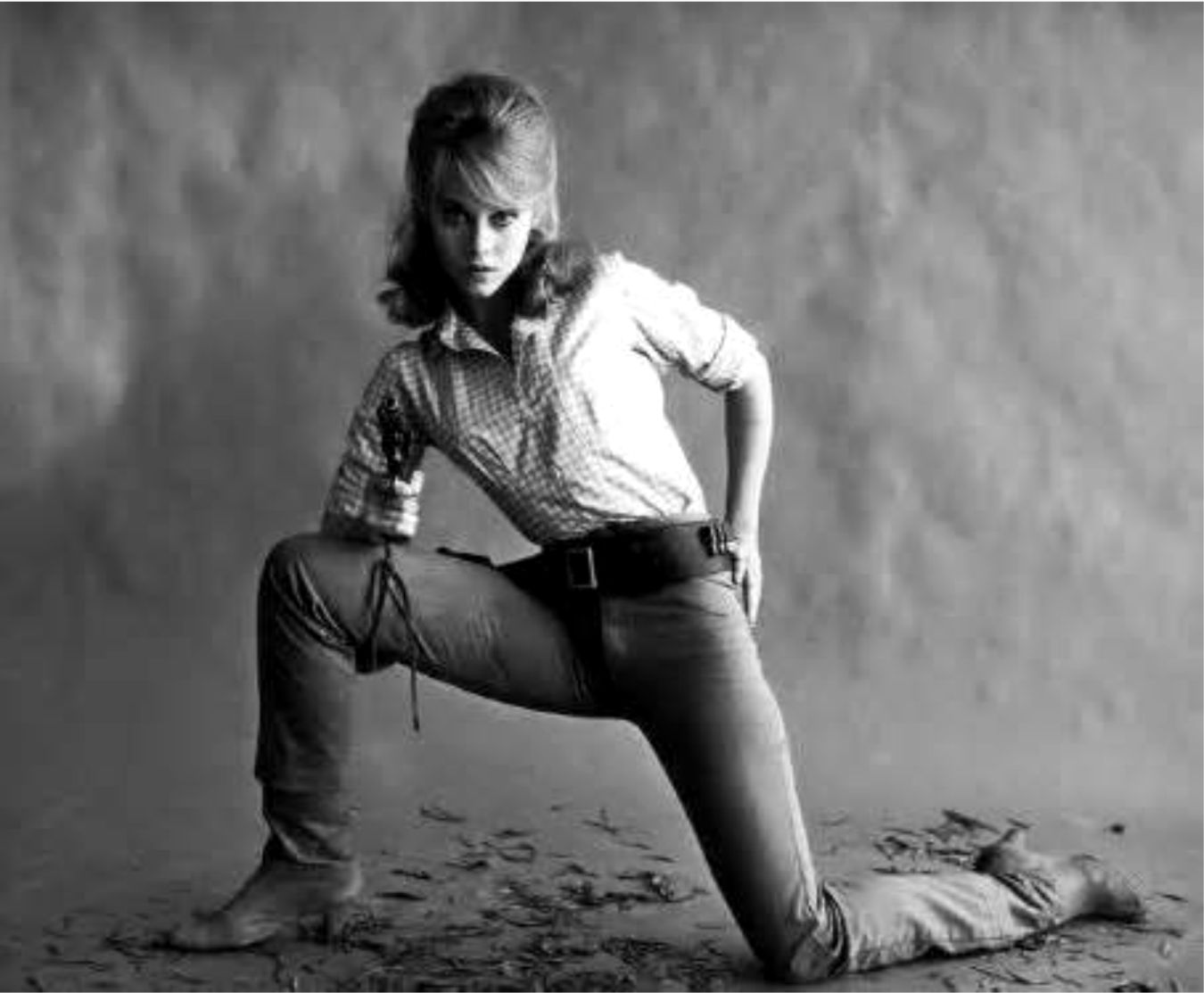
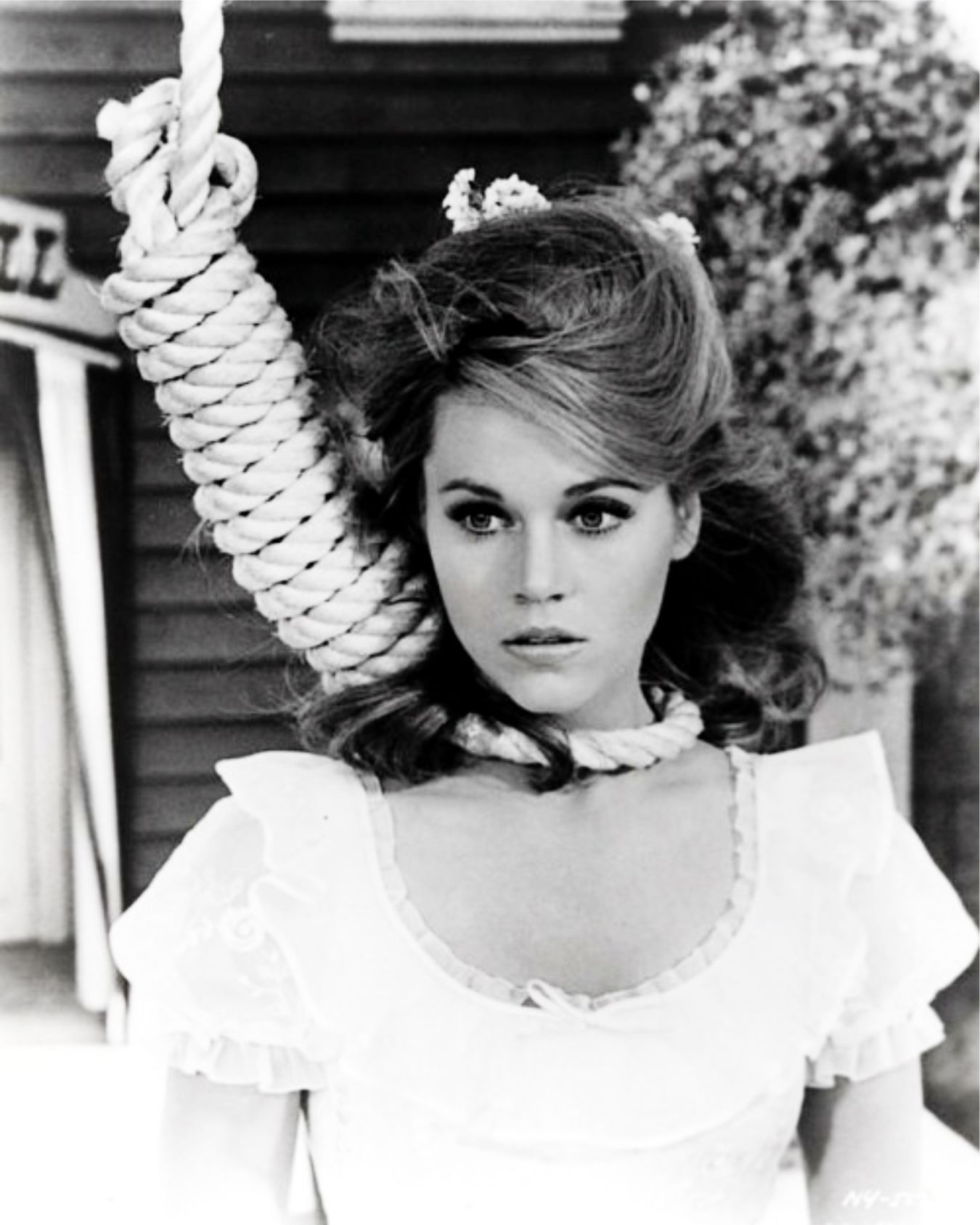
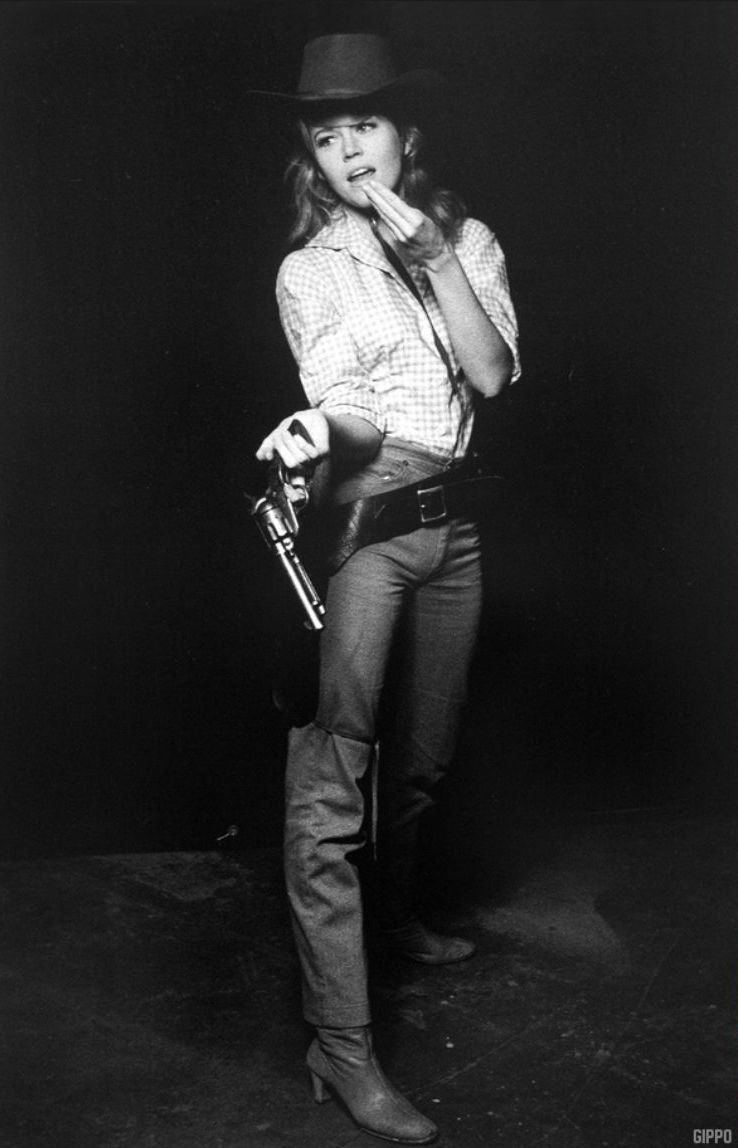
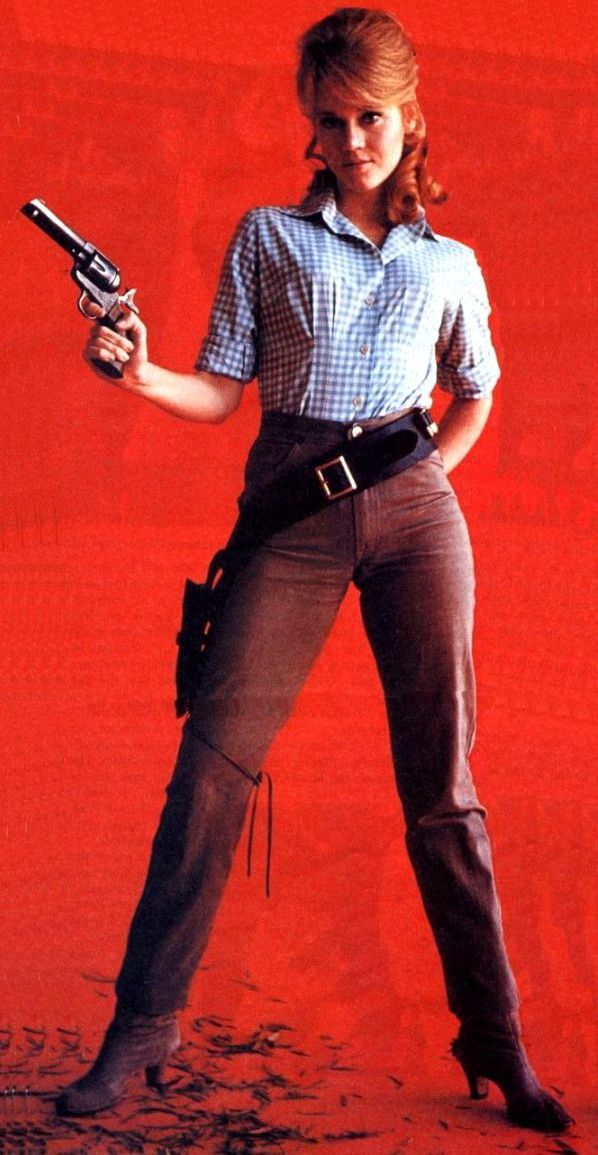
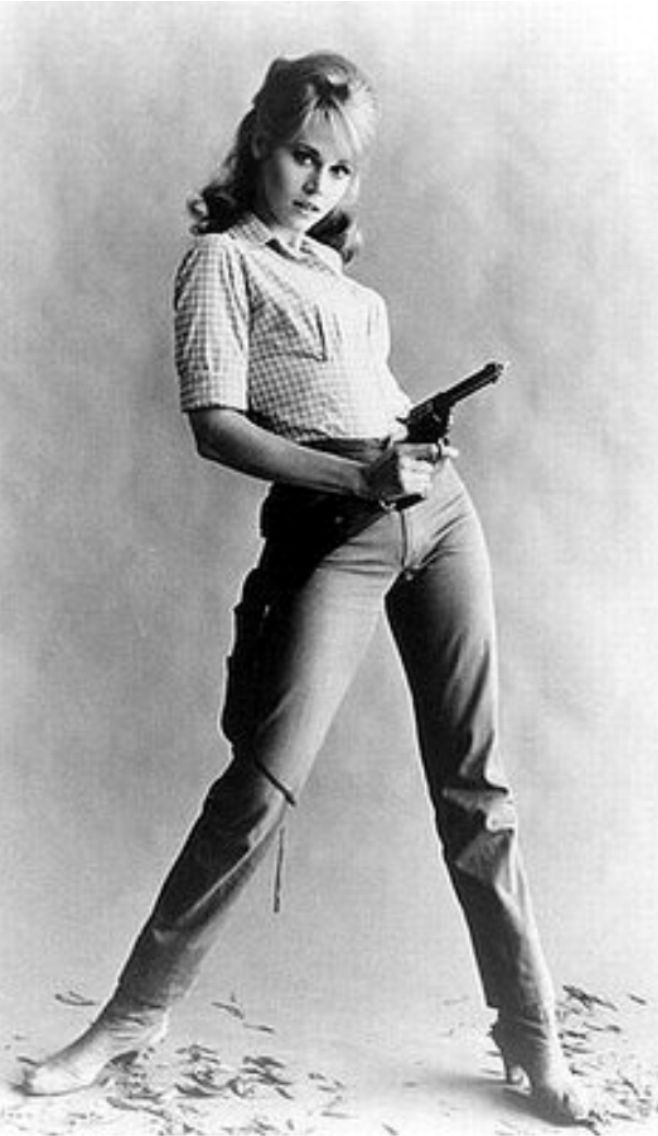
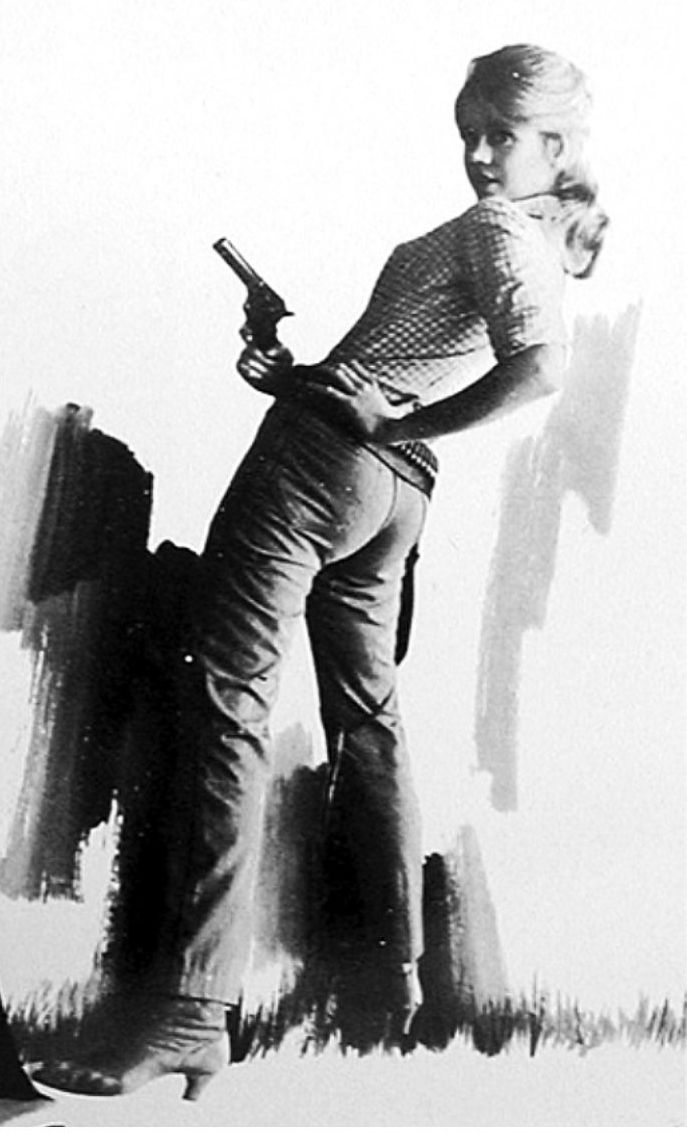
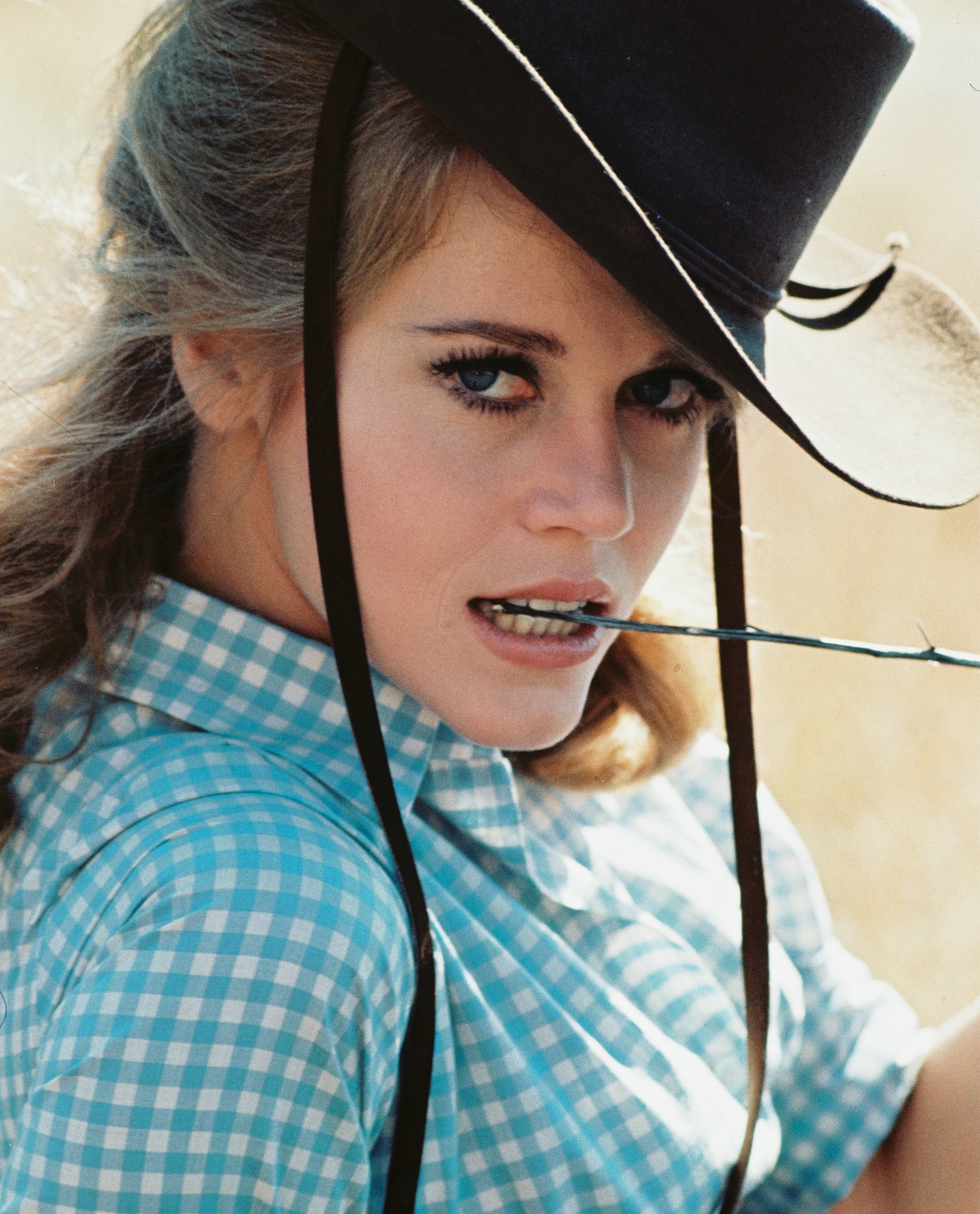
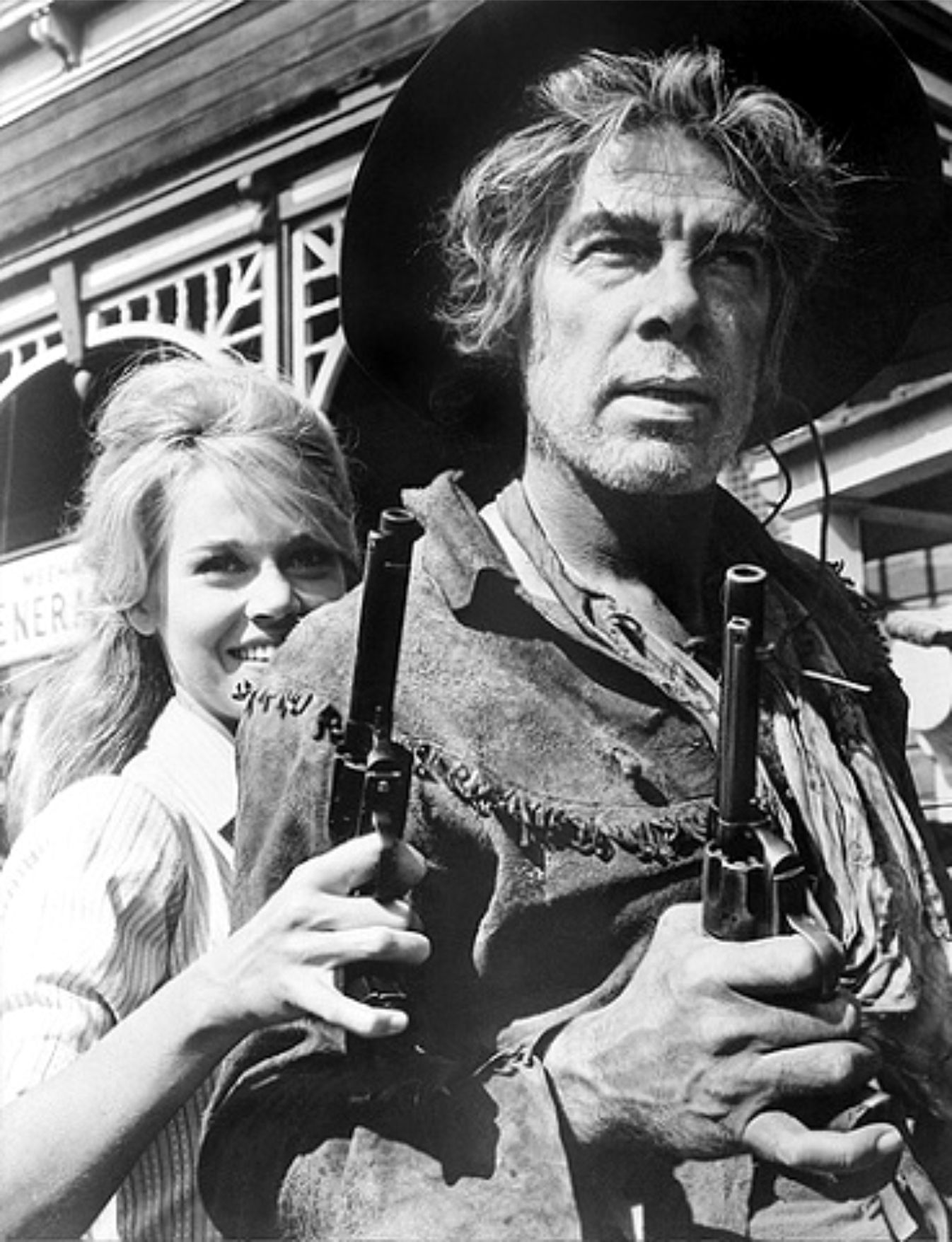
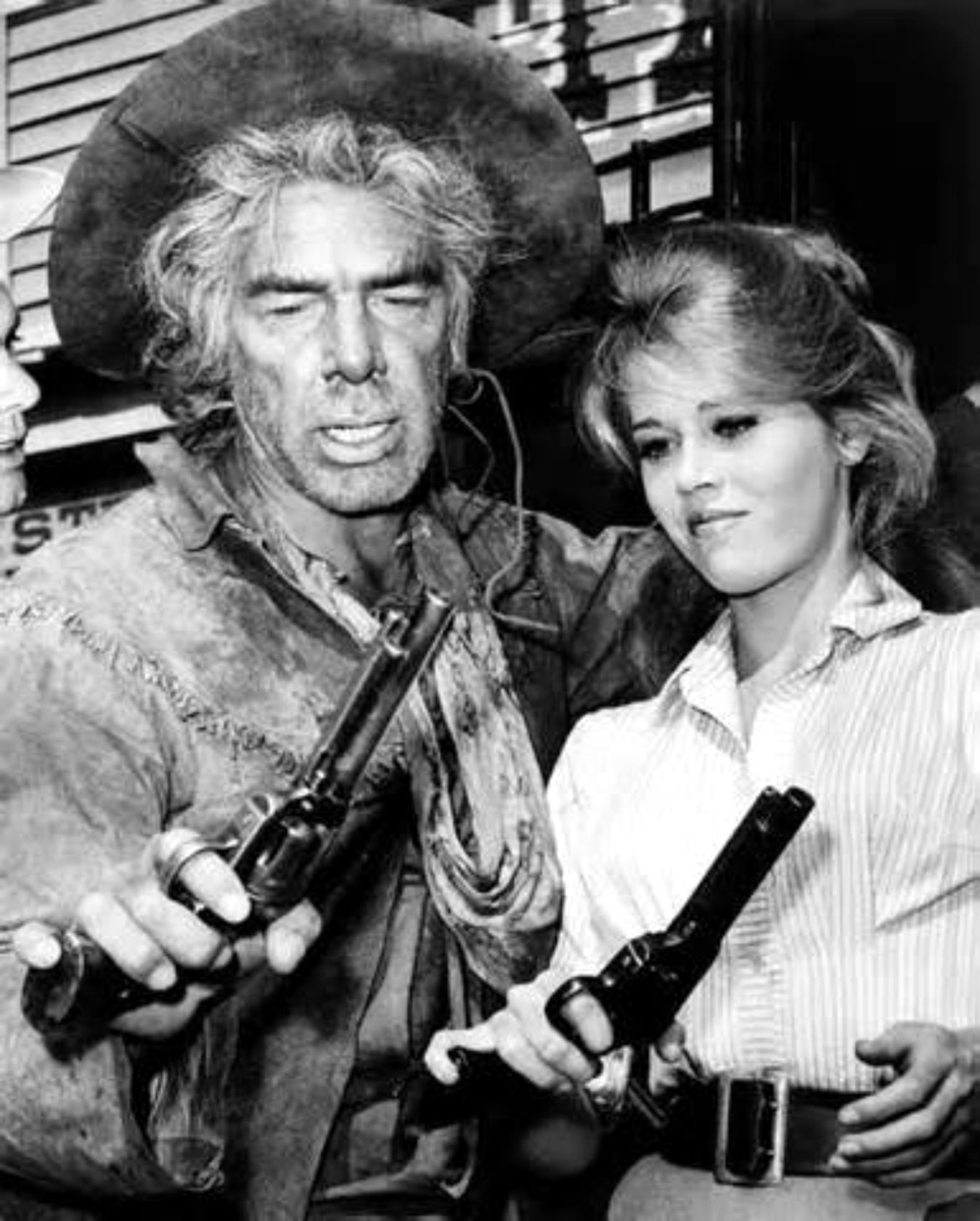
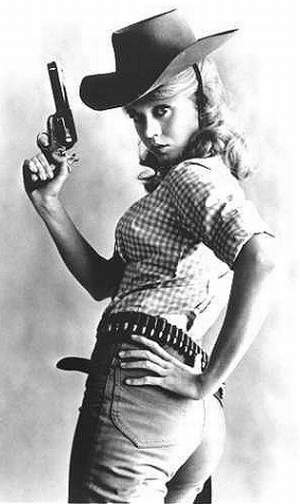 Aspiring teacher Catherine Ballou (Fonda), heads home to see her father in Wyoming, but finds him engaged in a struggle over his land with a land baron, and threatened by the villainous Tim Strawn (Marvin). She sends for legendary gun-fighter Kid Shelleen (also Marvin) to come protect them, only to find he is less legendary gun-fighter, and more alcoholic bum, incapable of saving himself. Strawn shoots Cat’s father and, when justice fails to be served, she heads off to a nearby outlaw town, where she vows to bring the land baron down and take revenge herself.
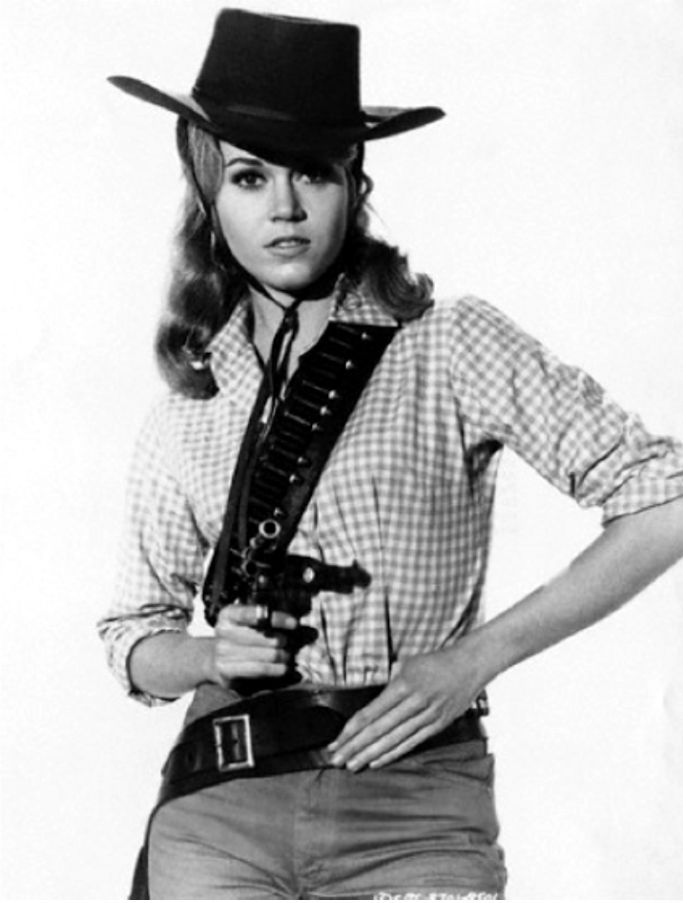
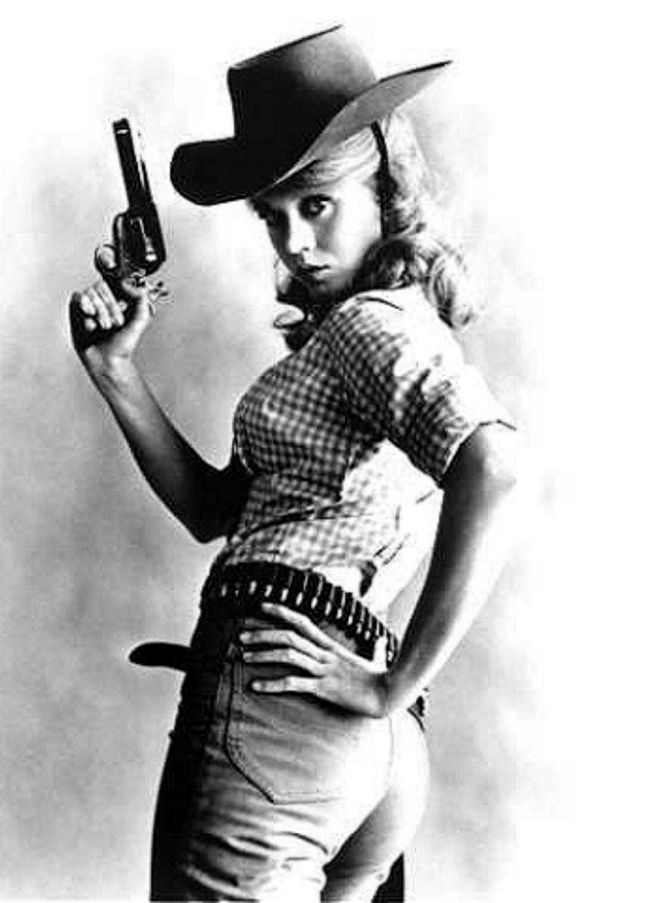
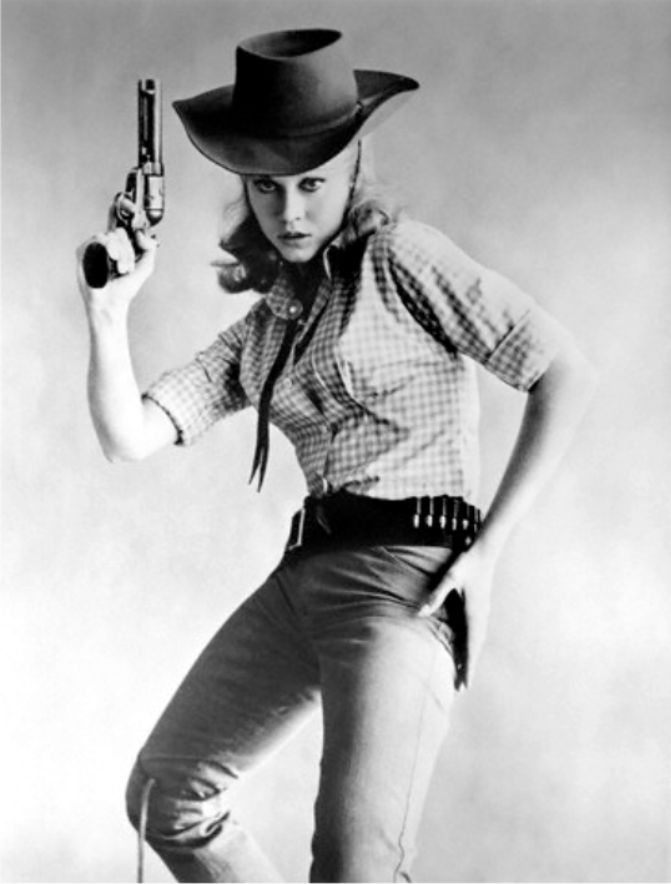
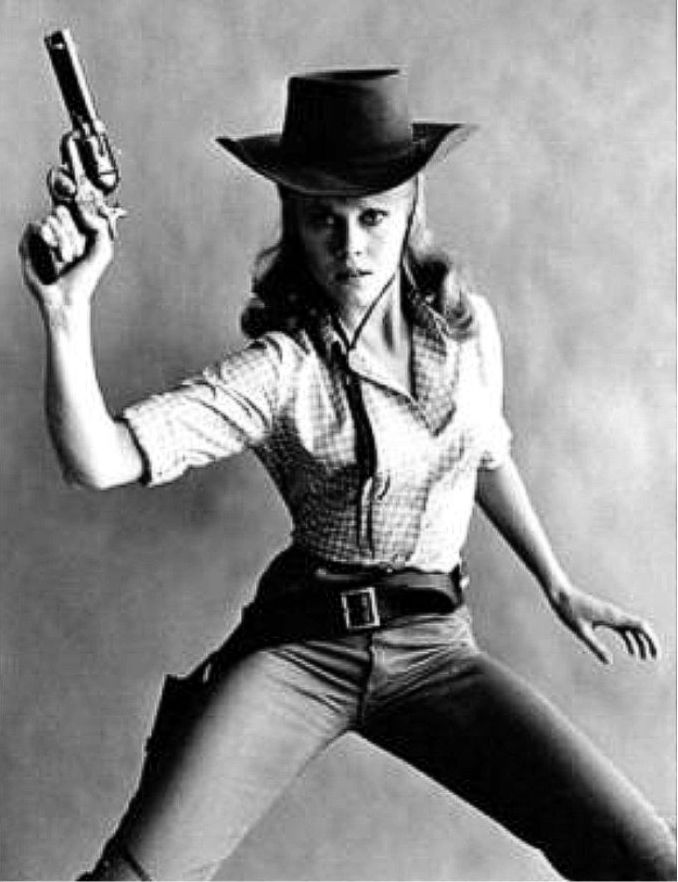
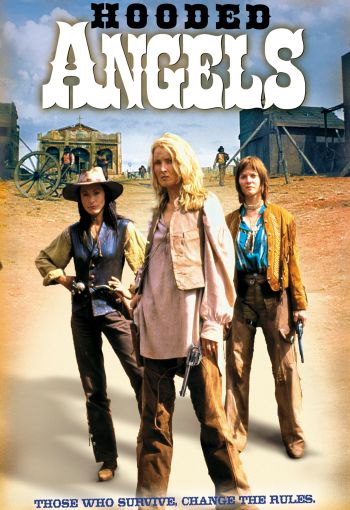
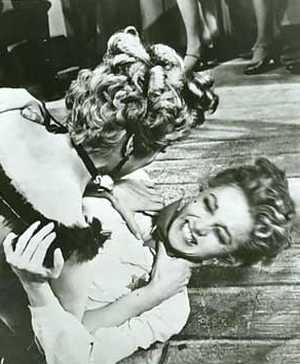 While Corman is better known now as a producer of schlock-horror, he has tried his hand at just about every genre in his time. This was his last stab at the Western, with Garland playing Rose Hood, who takes over as the marshal of Oracle, after her husband is gunned down. However, she incurs the wrath of local saloon-owner Erica Page (Hayes, best known for the title role in Attack of the 50 Ft. Woman), who is running a property-acquisition scheme, based on her hopes for the railroad to come to town. She brings hired killer Cane Miro (Ireland) up from Tombstone, only for him to fall for his intended victim, who is unaware of his mission. Which is surprising, since he is dressed from head to toe in black – even at age seven, when I used to watch The Virginian with my father, I knew this indicated an utterly irredeemable nature.
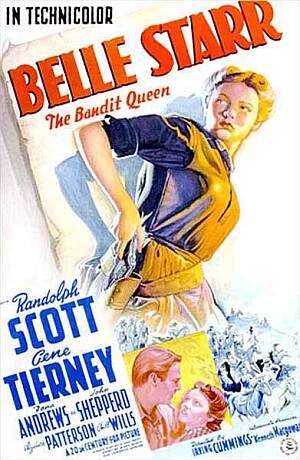 There’s something startlingly incorrect about this 1941 film, which makes its heroine, Belle (Tierney), an unrepentant Confederate mansion owner. She regrets the end of the Civil War and joins a rebel group who keep fighting, marrying their leader Sam Starr (Scott), only to find their morality may not quite live up to her own. It’s interestingly even-handed, with neither side being “good” or “bad”; Belle blames the Yankees for the death of her father and the burning of her home, but the leader of their forces, Major Grail (Andrews) is a sympathetic character who carries a torch for Belle. Naturally, given the era, Belle is more of an assistant, loading Sam’s rifles during a gun-battle, rather than firing them herself and it’s remarkable how her hair and dresses remain impeccable, even when she’s livin’ la vida outlaw. However, she’s a fine, independent-minded heroine, prepared to take decisive action to support her beliefs – highly dubious though they may be.
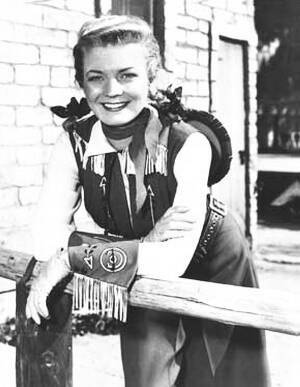 This TV series was Gene Autry’s idea; he wanted to give little girls a western star of their own, and created a show based on the character of Oakley, the most famous sharpshooter of all time. In his version, she lives in Diablo with her brother Tagg (Hawkins) and keeps the town safe along with deputy Lofty Craig (Johnson) – the sheriff, Annie’s uncle Luke, was somehow very rarely around… It ran for 81 episodes from January 1954 to February 1957; two DVDs, with five first season stories on each, have been released by Platinum – you can get the box set of both for $5.99, which is a steal.
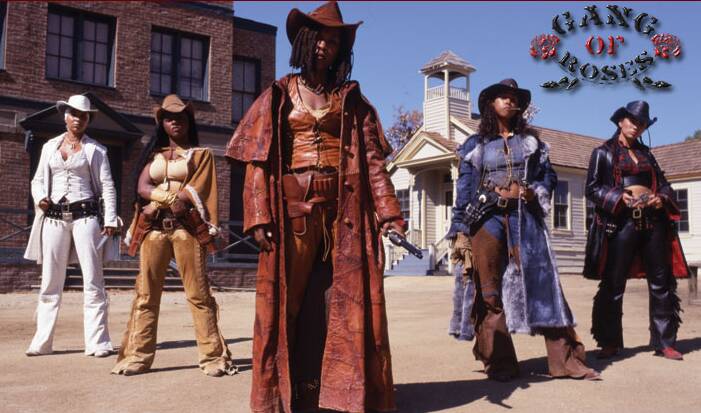
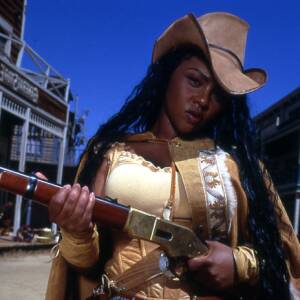 This comes across less like a Western, more like a feature-length rap promo – with every bit as much emotional depth or historical accuracy. The idea that a gang of ethnic gun-toting women could ever ride into town at the turn of the century, and get served at the local saloon with little problem stretches credulity to near-breaking. It then snaps entirely when faced with their always-immaculate clothes and hair, even as the ladies sleep rough. The group of former bank-robbers return to the fray after the sister of one is killed by outlaws, under the control of the one-eyed Bobby Brown. Insert Whitney Houston joke here. He and his gang have taken control of a town, from a sheriff with a startlingly Australian accent, as part of their search for treasure supposedly buried locally.
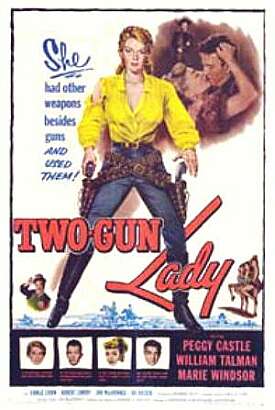
 Trick-shot artist Kate Masters (Castle) comes to a remote town with her show, raising suspicions among locals, who suspect she’s more than she seems. They are led by Jud Ivers (McDonald) and his family, who rule the area with an iron grip. This 1955 B-movie (in the original sense – it’s only 71 minutes long) crams plenty in, with almost everyone having secrets, good or bad. Castle makes a fine heroine, exuding strength but ultimately vulnerable, and is matched by the rest of the cast. Particular credit to McDonald, and Jennifer Jason Leigh’s mother, Barbara Turner, in her movie debut as Jenny Ivers; both bring depth to what could be one-dimensional characters.
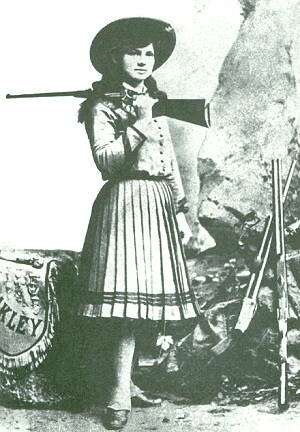 Annie Oakley was one of the earliest “girls with guns”. In her role as a sharpshooter, performing with the likes of Buffalo Bill’s Wild West show, she travelled the globe, appearing in front of Presidents, Kings and Emperors. She shot a cigarette held by the future Kaiser Wilhelm of Germany (accuracy later deplored by American newspapers, after the nations went to war in 1917). At 90 feet, she could shoot a dime tossed in midair, or hit the