



★★★½
“If you don’t want men to push you around, be stronger than them.”
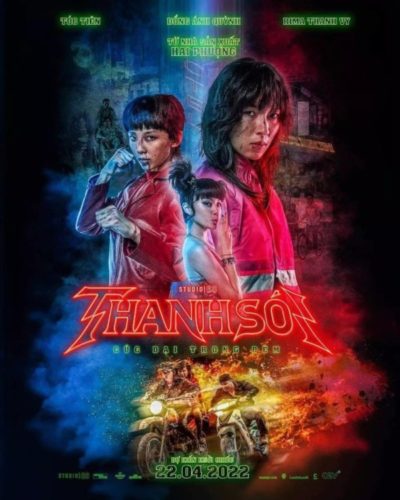 This is a prequel of sorts to Furie, partly telling the story of how its villainess, Thanh Soi (Toc) came to be (also: not to be confused with The Furies). However, it’s more the saga of Bi (Quynh), the daughter of a rural prostitute who makes her way to the city seeking her fortune. There, she joins Thanh and Hong (Rima) under the protection of the Svengali-like Jacqueline (Ngô), who trains and indoctrinates them towards their eventual mission. This involves bringing down the leader of the city’s underworld, who has been exploiting women for years, in addition to other unsavoury activities.
He goes by the descriptive and fairly accurate name of Mad Dog Hai, and his underlings are little more sane. When the trio of women make their presence felt by sabotaging a drug deal, Hai is not happy, and from there, it’s an escalating series of tit-for-tat attacks. We also discover that Jacqueline’s motives are not purely altruistic, being considerably more personal then she originally admits. There’s an argument, which the movie does not explicitly address, that she’s exploiting the three young women herself, albeit in a different way from Mad Dog. Rather than physical abuse (of which the film is certainly not short), hers is a psychological approach, taking their anger against men and focusing it against Hai, as well as sharpening it to a particularly fine point.
At 109 minutes, it’s arguably a little too long, and the film generally works better in action, then when pushing the more melodramatic elements. The makeover montage of Bi, for example, is superfluous and too obvious. If the editing during the fights is perhaps slightly too frenetic, it isn’t too much of a problem. This is more than made up for by the high-impact nature of the combat, with all three characters (and Jacqueline, by the end), going full force into an endless slew of faceless minions, thrown at them by Hai. There’s also a motorcycle chase/fight, apparently inspired by John Wick 3, though the execution is painfully green-screen. Would it have hurt the makers at least to get a wind machine, and create the illusion of movement?
When sticking to the purely physical stuff though, it’s mostly effective stuff. Nothing ground-breaking, admittedly, yet there are times when sticking to the basics and keeping things simple is probably for the best. It’s not exactly an advertisement for Vietnam: Chris turned to me when it finished, and firmly crossed the country off her holiday destination list. The city does seem a bit of a sewer, to put it mildly, though I must say the cinematography here is all pastel neon colours, and nicely executed. It at least helps lightly paper over the wholesale unpleasantness which is going on. I’m fairly sure this cost a fraction of bigger Netflix originals like Extraction II, yet for entertainment value, it’s not so far behind.
Dir: Ngô Thanh Vân
Star: Dong Anh Quynh, Toc Tien, Rima Thanh Vy, Ngô Thanh Vân
 ★★★★½
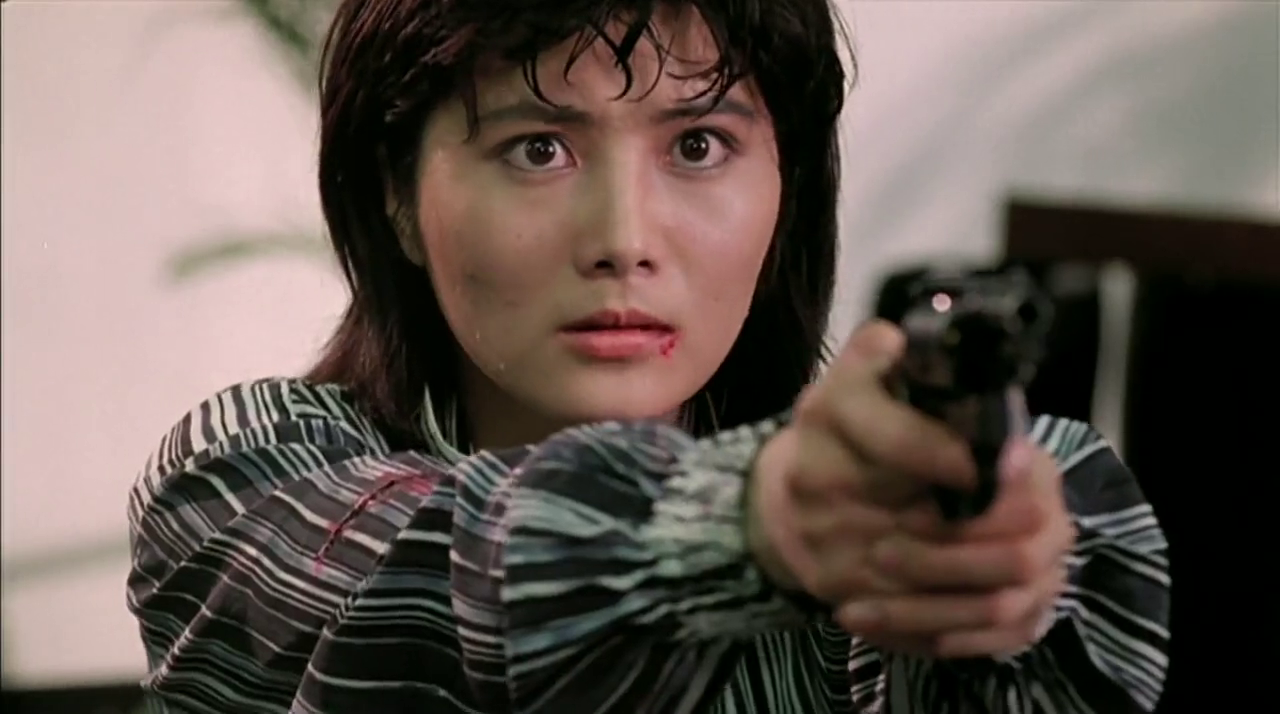
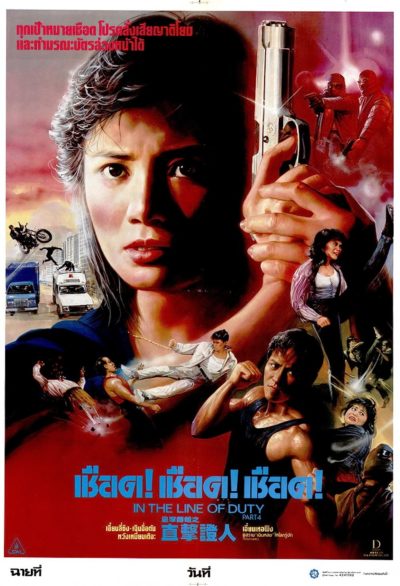
★★★★½ Back in the early nineties, I saw a double-bill of this and Jackie Chan’s Police Story at the late, lamented Scala Cinema in London, and it blew my mind. I had literally never seen anything like them before. The only martial arts movies I’d watched previously were crappy American ones, which made little or no impression. That afternoon changed my life, and awakened a love of the genre that persists to this day. But would In the Line of Duty 4 stand the test of time? There are certainly movies I loved from the same era, which are now a bit cringe, to put it mildly. So it was with some trepidation that I hit play…
 For when all is said and done, the fights are flat-out awesome. It’s not just Khan and Yen, though they obviously get most to do. Everyone here is well up to the task, both showing off their own stuff and letting the stars look good by selling for them. On the female front, I want to give special praise to Farlie Ruth Kordica, who fights Cynthia around a lift-shaft in another sequence which feels disturbingly life-threatening. She only appeared in a couple of other films, which feels like a real shame, based on her performance here. It’s a wonderfully inventive scene (bottom), taking full advantage of the potential in the environment.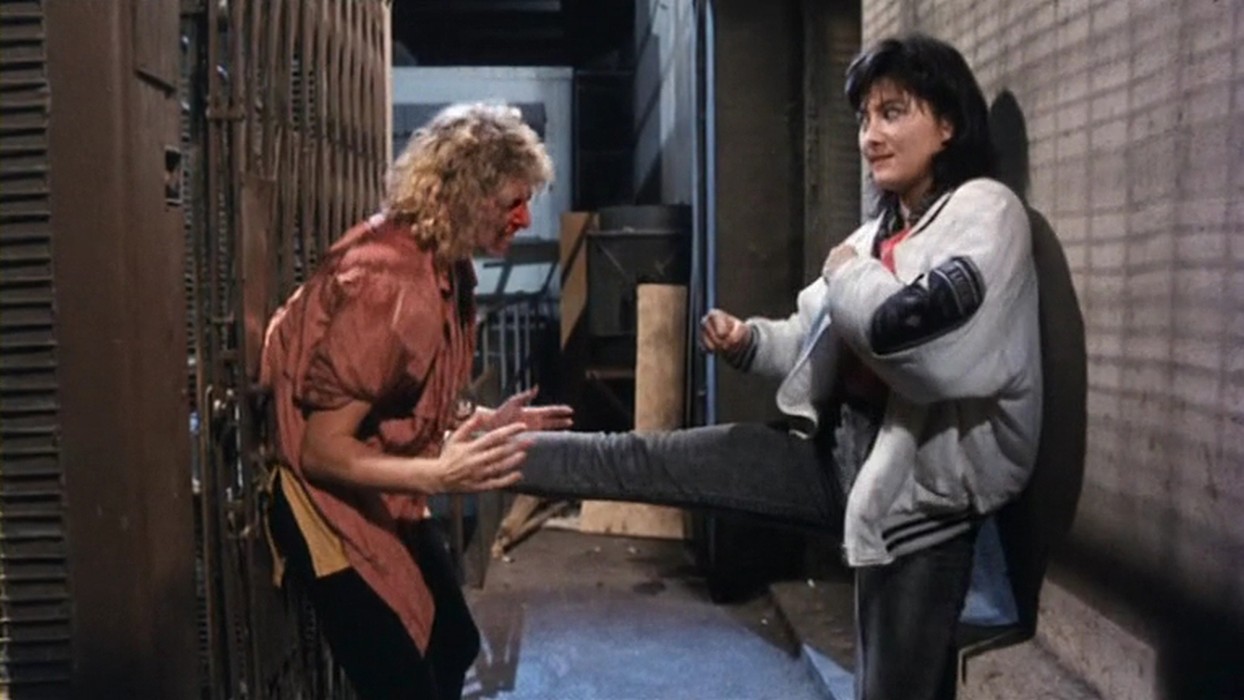
 Sitting somewhere between
 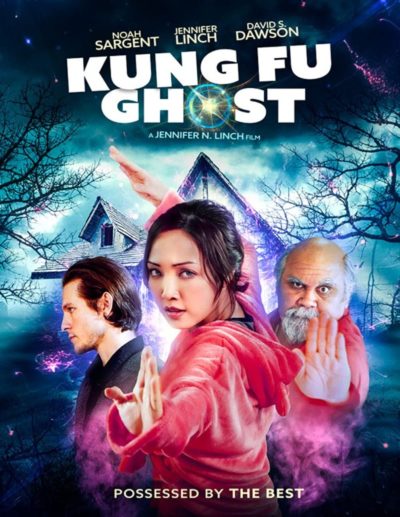 This is another example of someone simply trying to do too much on their movie. For Linch not only starred in, produced and directed this, she also edited it, did the sound design and was the colourist. It’s not hard to predict her talents are not equally divided. It’s a shame, since I really wanted to enjoy this: much like its heroine, there’s a plucky, can-do attitude present, which can only be admired. Unfortunately, anyone above the age of eight is going to be quite hard-pushed to overlook the flaws. While the action is not especially one of those, the volume there is underwhelming, and the romantic, comedic and dramatic elements are hugely variable, to put it politely.
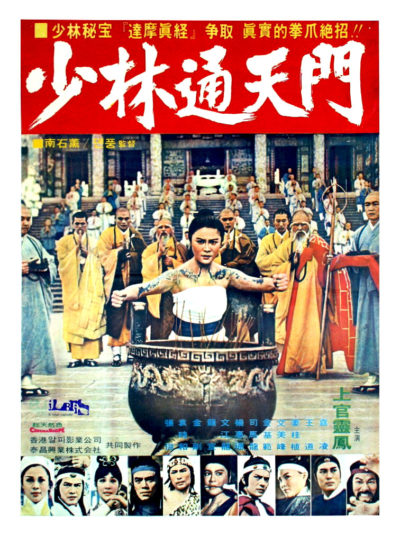 This Taiwanese kung-fu potboiler just about manages to sustain interest for an hour, before losing the plot (literally, and such as it was to begin with) down the stretch. It begins with ten martial arts masters stealing an omnibus edition of fighting manuals from the local Shaolin temple. Trying to get entry, and failing, because they won’t admit women, is Shi Fu Chun (Kwan). With the help of former head priest Lin Chiu (Chan), who still lives nearby, she is taught a slew of skills, and ends up assigned the task of recovering the purloined books, and restoring the temple’s honour. Oh, except the “positive kung-fu” learned is causing Shi Fu to transition into a man. So she/he (inexplicably, the 1977 film does not provide us with preferred pronouns…) needs to find and learn some “negative kung-fu” stat, to counter the process.
 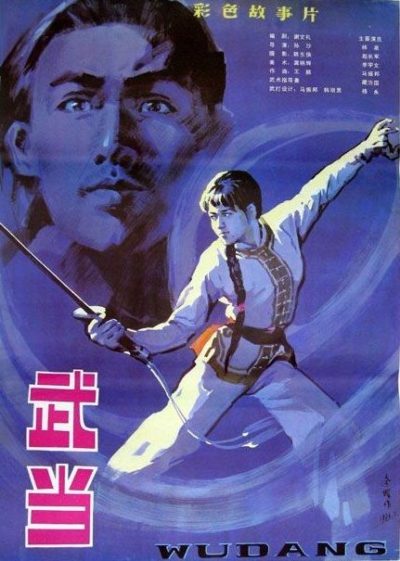 Chinese kung-fu movies took off in the early eighties, after the success of Shaolin Temple, starring an unknown teenager called Jet Li. Over the years that followed, a slew of imitators followed, with varying success. Where these largely differed from their Hong Kong counterparts, were in a more grounded approach to combat: wire-work and trampolines were avoided, in favour of players who (like Li) were martial artists first, and actors second. I believe the same is true of the heroine here, though information about Lin is hard to come by. According to the IMDb, this was her acting debut, though it’s tricky to grade her work there, thanks to the rather clunky dubbing on the print viewed for this review.
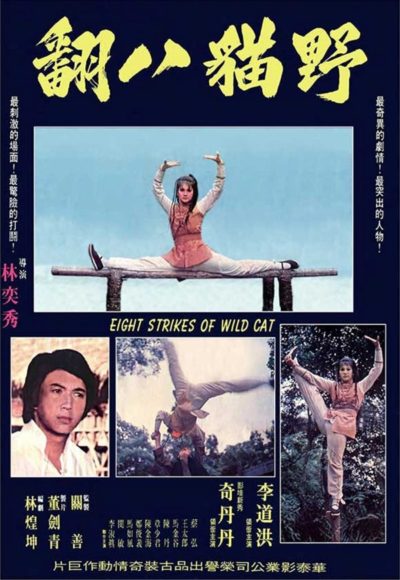 I guess this is, at its heart, about the quest for a treasure map that has been torn into two pieces. Though you could be forgiven for not really noticing, as most of the cast seem to forget about it for the bulk of the running time. The heroine is Shao Wa (Chi), whose father is killed by the Three Rats in their quest for the map. She ends up being punted off a cliff and presumed dead by them. Naturally – it’d be a short movie otherwise – she’s not as dead as they think. She’s rescued by the inevitable kung-fu master and his annoying sidekick, Lee Ta Fa (Hung), who nurse her back to health, and give her the skills necessary to beat the Three Rats.
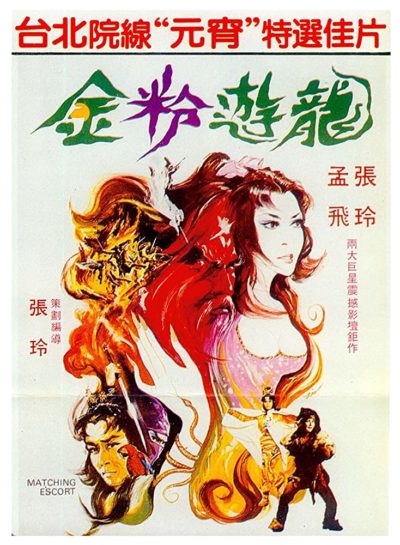 I was pleasantly surprised when this random kung-fu film found Tubi (under the Silver Fox title) turned out to be by the creator of
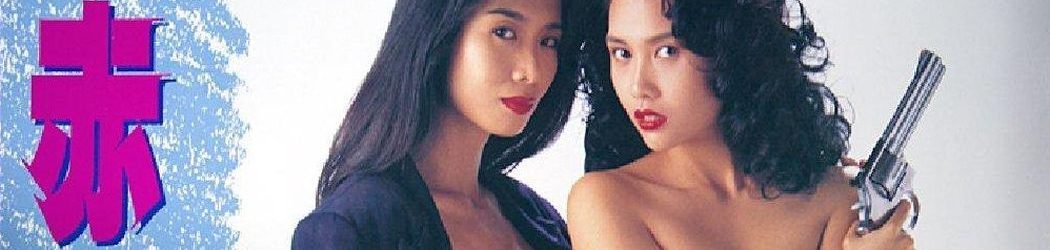
  ★★½
★★½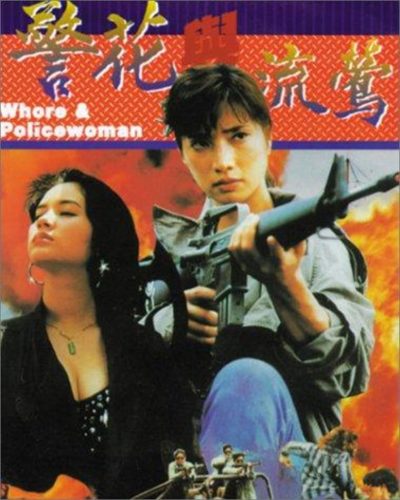 If the title is more than a bit blunt, it’s certainly accurate. May Lin (Cheng) is a brash hooker, who runs a sideline in blackmail videos with her flatmate, Nana. But one night she comes home to find Nana near death, the victim of a brutal client. She tells the police about the video, but before she can give it to them, the perpetrator – rich and influential politician, Kao Tien Chin (Cho) – sends an army of beige trenchcoat wearing killers to take care of both Nana and May. The former succumbs, but the latter escapes and goes on the run. With the police force apparently leaking like a sieve and the case being shut down from on high, prosecutor Yin Li Shan sends his niece, Nancy Cheng (Mishiwaki), to link up with May and bring her in. But they’ll have to get past the trenchcoat mafia, among other threats, for there to be any hope of justice.