



★★★½
“What the title says.”
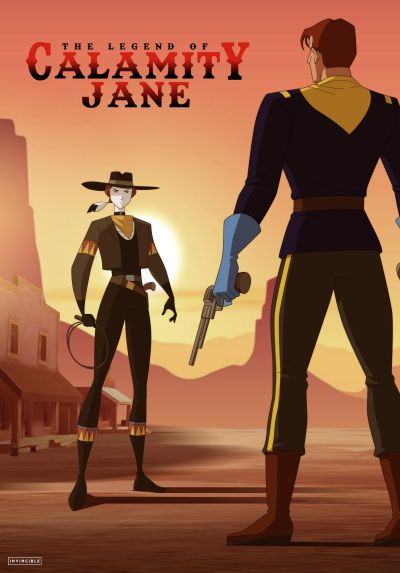 Martha Jane Cannary Burke, a.k.a. “Calamity Jane” (1852-1903) was a lot of things. But most of all she was the inventor of her own legend. By the end of the 19th century, dime novels based off her alleged adventures already sold very well. Unfortunately, the foul-mouthed and constantly drunk former frontier woman could never benefit financially from her reputation, with which others earned good money. She died early, though already perceived as a legend of the “old West”. To divide which of the many stories told about her are true, and which are not, is a job for the historians, not mine. For a character who definitely provided a “fill in the gaps” hero’s template, it’s no surprise Calamity Jane soon became a mythic legend of the “Wild West”, combined with other illustrious characters of that time such as “Wild Bill” Hickok, Wyatt Earp, Doc Holliday, Billy the Kid and many others.
On the big screen, she has been portrayed by Jane Russell (The Paleface), Jean Arthur in The Plainsman, Doris Day in the beloved musical Calamity Jane, Angelica Huston (Buffalo Girls) and Ellen Barkin in Wild Bill (next to Jeff Bridges). On the small screen she could be seen, amongst others, in an episode of Bonanza, played by Stephanie Powers, and 3 seasons of Deadwood where Robin Weigert played a more modern and realistic version of her. As the Calamity Jane character is so prominent, and separate from the real person she once was, in a way similar to Robin Hood, the Musketeers, or Matthias Kohlhaas in Europe, it seemed only a matter of time until she would also find her way into an animated version of herself, which this series presents.
The Legend of Calamity Jane was a short-lived animated show that came out in 1997, a co-production of French TV channel Canal+ and The WB in America. The intent was to create something similar to the successful animated Batman show. Originally scheduled for 13 episodes, after just three weeks, the series vanished from the TV guides. While obviously not successful enough in the US, the full series ran as a dubbed version in several other countries. Over time, maybe partly due to not being available, the show developed a cult following.
Originally, Jennifer Jason Leigh was chosen to play Calamity, but for unknown reasons was replaced by Barbara Scarf, who does a good and satisfying job. Though remembering the roles Leigh played, and her subsequent role as an evil criminal in Tarantino’s western The Hateful Eight, one wonders how her Calamity Jane would have sounded. But then Calamity is a true blue hero here, so maybe Leigh wouldn’t really have fit this version of the character.
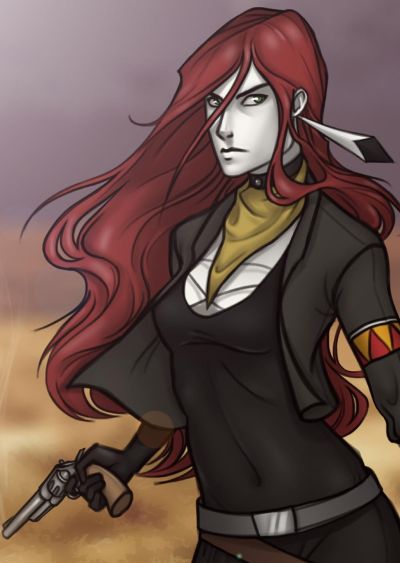 The show itself takes place around 1876 and is great fun. Calamity Jane is an adult, red-haired and green-eyed woman, with a whip that regularly comes in handy for dangerous situations. She is serious-minded and on the side of the law, meaning whenever help is needed, she will be there. She has a horse called Dakota and drinks milk (hey, what do you expect – it’s made for kids!). Always on her side is old Joe Presto (Welker) who can best be described as her comic sidekick, though sometimes comes across a bit simple-minded. Also, I sometimes had problems understanding his mumbling, though you get used to it. Of course, when you tell the story of Calamity Jane, Wild Bill Hickok is never far away. In real life she claimed that they were a couple in Deadwood. though according to historians, this could easily be another made-up story, as she was famous for doing. In this show, he helps her from time to time and is voiced by Clancy Brown (the Kurgan from Highlander).
The stories are one-offs, concluding at the end of each week, and Calamity usually has to deal with villains or other problems. For example, in the first episode, she prevents a war between the Comanches and the army; in another one she brokers peace between a racist settler and the Blackfoot tribe. Some villains can be quite nasty, although I don’t recall her killing any of them. But others are less confrontational. In one story, she meets her long-lost father, and in another, she has to deal with a young girl who has run away from home, and wants to become like her.
Overall, the stories are entertaining and different enough, so they never fall into a pattern or get boring. Of course, what I liked especially was action scenes which were above what you might expect from a show at the end of the 90s. There really was no reason why the show failed to find an audience in the US. It definitely could have stood alongside Batman, and I personally think there would have been a place for both, as each were their own thing. Fortunately, the series has now been made available on DVD and Blu-Ray. Here’s hoping Calamity will find many new fans.
Dir: Pascal Morelli
Star (voice): Barbara Scaff, Frank Welker, Clancy Brown, Michael Horse
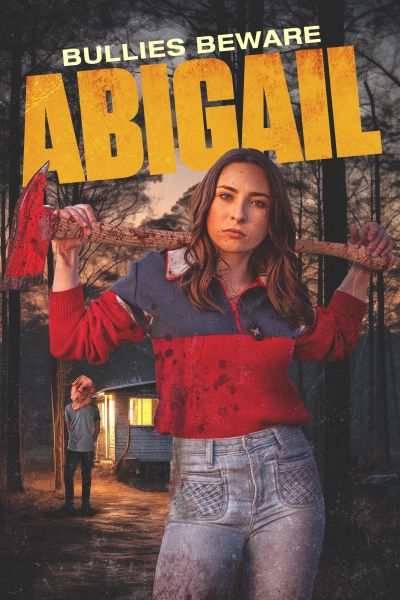 This is now the third film with the same title to be reviewed on the site: no
 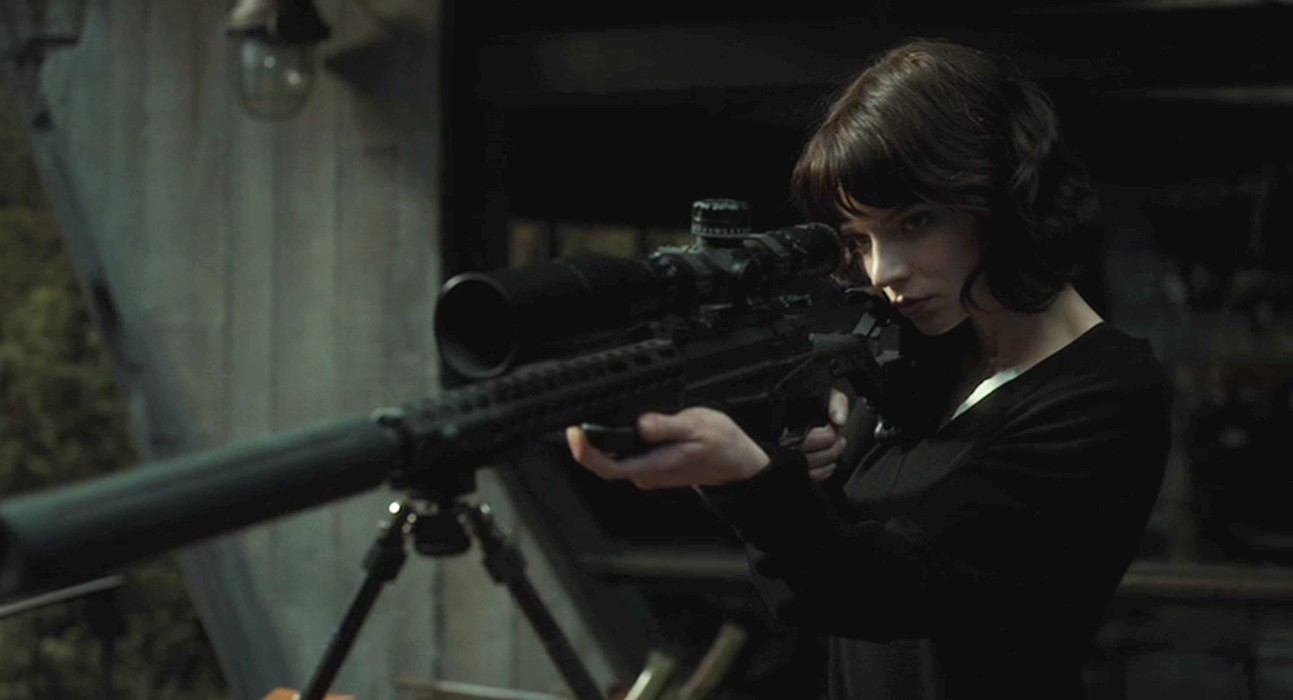 ★★★½
★★★½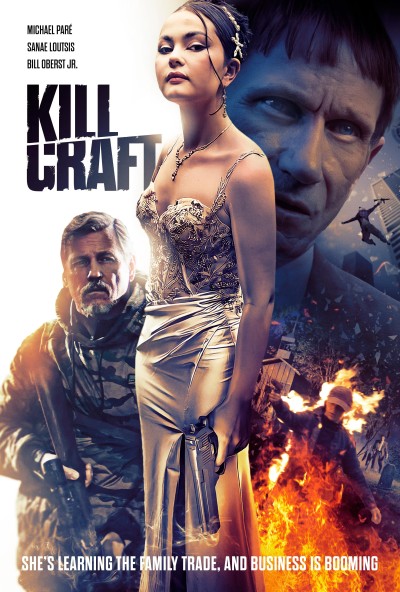 There is potential in the idea here. It’s a shame it ends up feeling like two separate movies, both of which come out feeling under-cooked. The main focus is on Marina Delon (Loutsis), a teenage girl with the typical teenage girl problems, e.g. bickering parents, generally sullen demeanour, etc. Except, her dad Thomas (Paré) is actually an assassin, working for the very strange Poe (Oberst). This has contributed to the marital strife, because his work is why mom is in a wheel-chair – and is not happy about it, to put it mildly. However, things are up-ended after Thomas is killed on a job, and Marina decides to take over the family business.
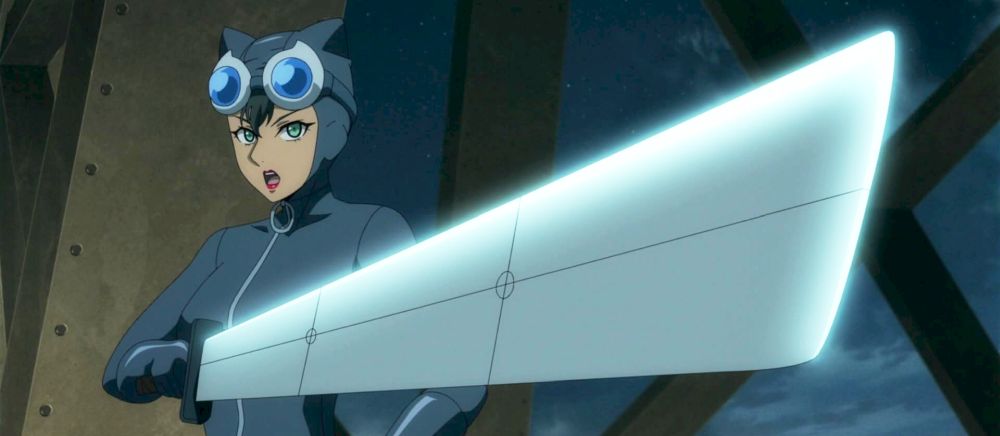 ★★
★★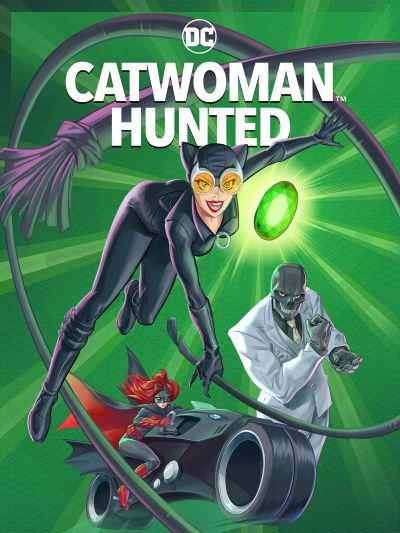 What sounds as if it could be an interesting story, turned out to be a very disappointing movie. I had to watch it twice because even though the film is a short 78 minutes, I almost fell asleep. The introduction to the story feels clumsily handled, scenes are overlong, and after we know where the story wants to go, the movie basically is a constant follow-up of fight scenes of Catwoman and Batwoman against a range of well-known and lesser known DC villains. These include Cheshire, Nosferata (one I had never heard of before, and I used to read DC comics quite regularly in my youth), Solomon Grundy and the Cheetah herself, Barbara Minerva who is Leviathan’s chairwoman, though Talia al Gul is managing everything from the shadows.
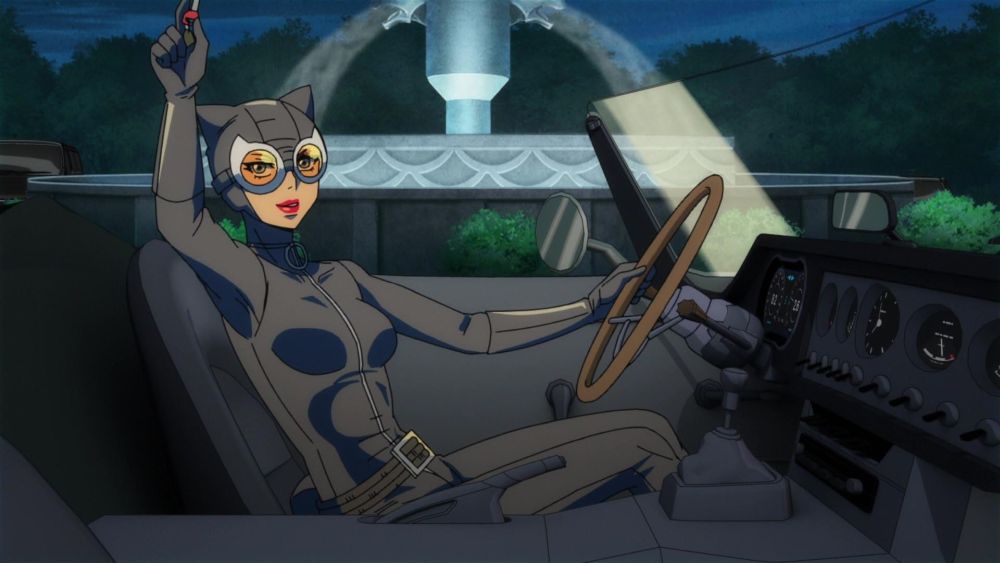 Another ill-fitting decision is the score by Yutaka Yamada. Don’t get me wrong. His music will probably please you if you like jazz, but for a DC action movie it’s just the wrong choice. What almost – but only almost – saves the movie is the final chase when Barbara Minerva turns into an oversized version of her Cheetah personality and goes after Catwoman. For the first time in this movie you have the feeling Catwoman is in real danger. But this is too little too late. It can’t compensate for all the mistakes that had been made in the movie before.
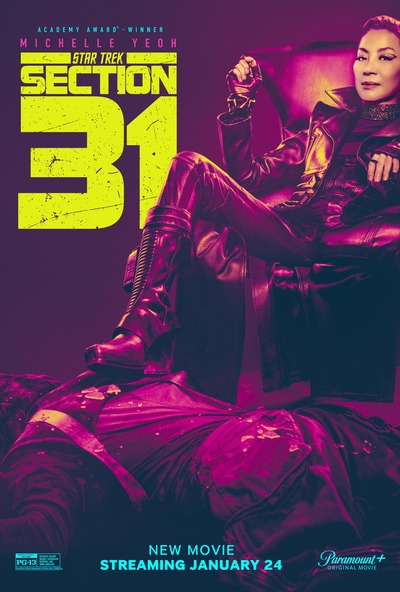 While I have seen all the movies, I’ve never particularly been a fan of the Star Trek universe. I leave that largely to Chris, who has been watching the show since the original series. That includes Star Trek: Discovery, the series from which this spun off, and I was… in the room when it was on. But I
 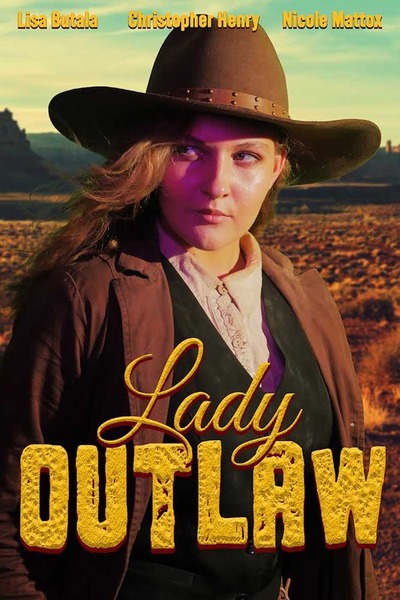 This low-budget Western does a lot of things right, but is not able to tie up all the loose ends in the final act. Most of which are ends that never needed to be loose in the first place. It takes place in 1890’s Oklahoma, when the gang of George ‘Bittercreek’ Newcomb (Henry) is trying to head back home. The gang includes a female outlaw, Rose Dunn (Butala), who is perhaps a little more moral than some members of the gang e.g. Tom, played by veteran villain Michael Ochotorena, this time covering up his impressive face tattoos. The situation comes to a head after Rose rescues a saloon girl, Ellie (Mattox), who just shot a man dead.
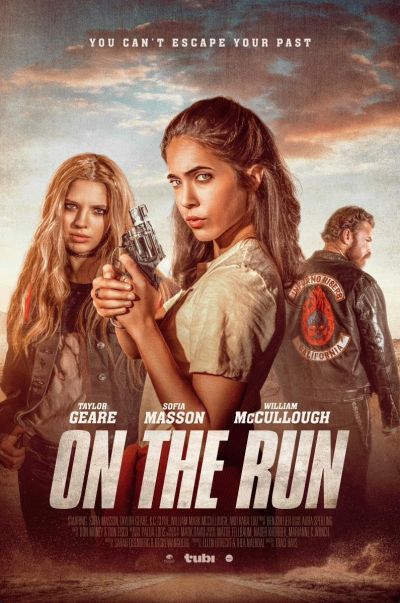 I guess it’s equality at work. This film, written by, starring and directed by women, proves that they are every bit as capable as men… Of knocking out vaguely competent, forgettable, low-to-mid tier action films, anyway. #GirlBoss This is another in the ongoing series of Tubi Originals I’ve reviewed here, including
 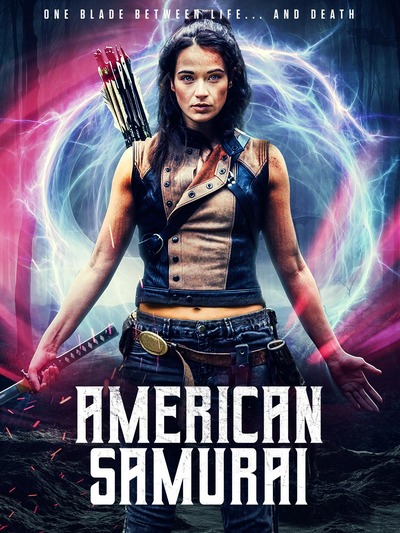 If I’d realized earlier this was by the director of the underwhelming, non-GWG film,
 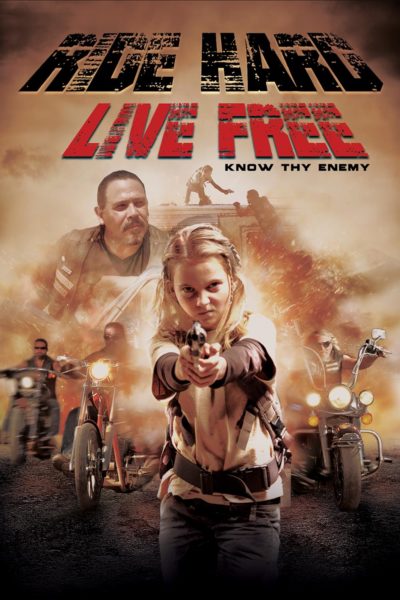 I was a little nervous on reading the IMDb trivia section: “Three motorcycle clubs participated as extras and offered technical advice.” If this sucked and I gave it a bad review, would I get a visit from a group of annoyed bikers, offering me ‘technical advice’ with a wrench? Turns out I needn’t have worried. While low-budget by Hollywood standards, it has some interesting ideas, and the execution is competent enough to pass muster. The events here take place after the collapse of the United States, when everywhere West of the Mississippi has basically been left to fend for itself. In this part of Nevada, that means two biker gangs, the Skoners and the Gypsies are fighting for control.