



 ★★★
★★★
“Wild at heart”
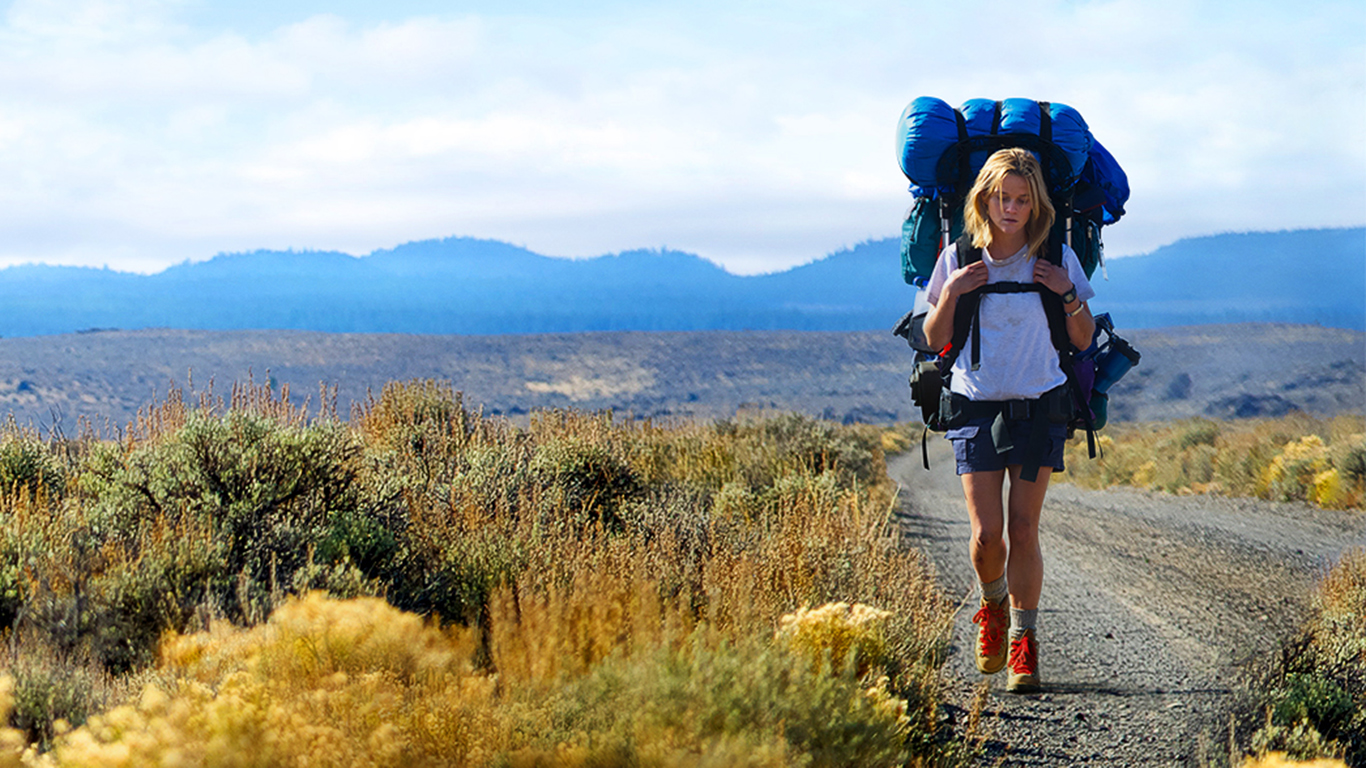
While certainly not your typical action-heroine film, it’s hard to argue this falls outside our broader remit: movies about strong, independent women who strive physically to overcome the odds, even if in this case their opponent is more internal than anything. Witherspoon and Dern both find themselves nominated for Oscars thanks to their performances here, and it’s the kind of obvious portrayals that the Academy loves. A woman, Cheryl (Witherspoon) spirals down into a morass of depression, casual sex and drug addiction after losing her mother (Dern) to cancer, only to find herself while walking eleven hundred miles up the Pacific Crest Trail from the Mojave up to Washington State.
It’s a deliberately fractured narrative, beginning with Cheryl’s removal of a damaged toenail, then dropping back in time to her arrival at the motel from where she’ll start her hike, with here aim being “to walk myself back to the woman my mother thought I was.” Immediately, her unsuitability for the trek is apparent, as she can barely lift her pack, and she manages only a couple of miles the first day and contemplates quitting. She perseveres, and as she marches on, remembers at semi-random, incidents from her life that brought Cheryl to this point: her divorce, shared moments with her mother before the diagnosis, etc.
I found the literal journey more interesting than the (likely too obvious) metaphorical one, perhaps because it has some personal resonance. Back at college, I set off on an overly-ambitious month-long solo trek around Europe, having never been outside the country before. I almost packed it in the first night, when my carefully-planned accommodation in Denmark fell through. But I persevered too, and it turned into one of the best months of my life, so I can relate to the transforming power of independent travel. On the way, she meets people good and bad, has experiences both miserable and ecstatic, and achieves a goal that’s much about the journey as the final destination. It’s beautifully shot, capturing the loneliness and splendour of the great outdoors, though never shies away from the negative aspects: I’m not sure if I finished the film with a desire to hike the PCT, or having crossed it firmly off my bucket list. Likely the latter, for we do not camp well. Our idea of “roughing it” involves a hotel which does not offer free wi-fi, so the prospect of having to filter water from a fly-blown puddle to survive is kinda deal-breaking.
There’s no doubt Witherspoon goes for it, putting everything out there on a project which appears to have been a labour of love for the actress. But I found Cheryl a largely unlikeable character, one whose problems are almost entirely of her own making, which left me struggling to empathize. Admittedly, I’ve been fortunate enough never to have to endure the loss of a loved one, with all my immediate relations still very much alive, so I can only imagine the impact it might have. This is where that fractured narrative perhaps works against the film, since there’s little sense of X leading to Y. One second, Cheryl is negotiating a tricky stretch of terrain; the next, she’s shooting up heroin in a dingy motel room. Obviously, it’s all connected, and I certainly respect the performance, yet this never fully engaged me as I hoped.
Dir: Jean-Marc Vallée
Star: Reese Witherspoon, Laura Dern, Thomas Sadoski, Keene McRae






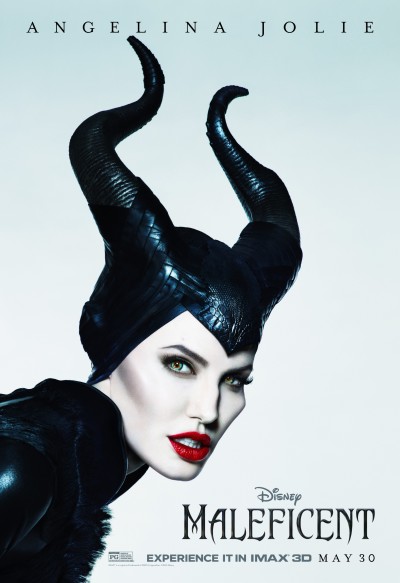
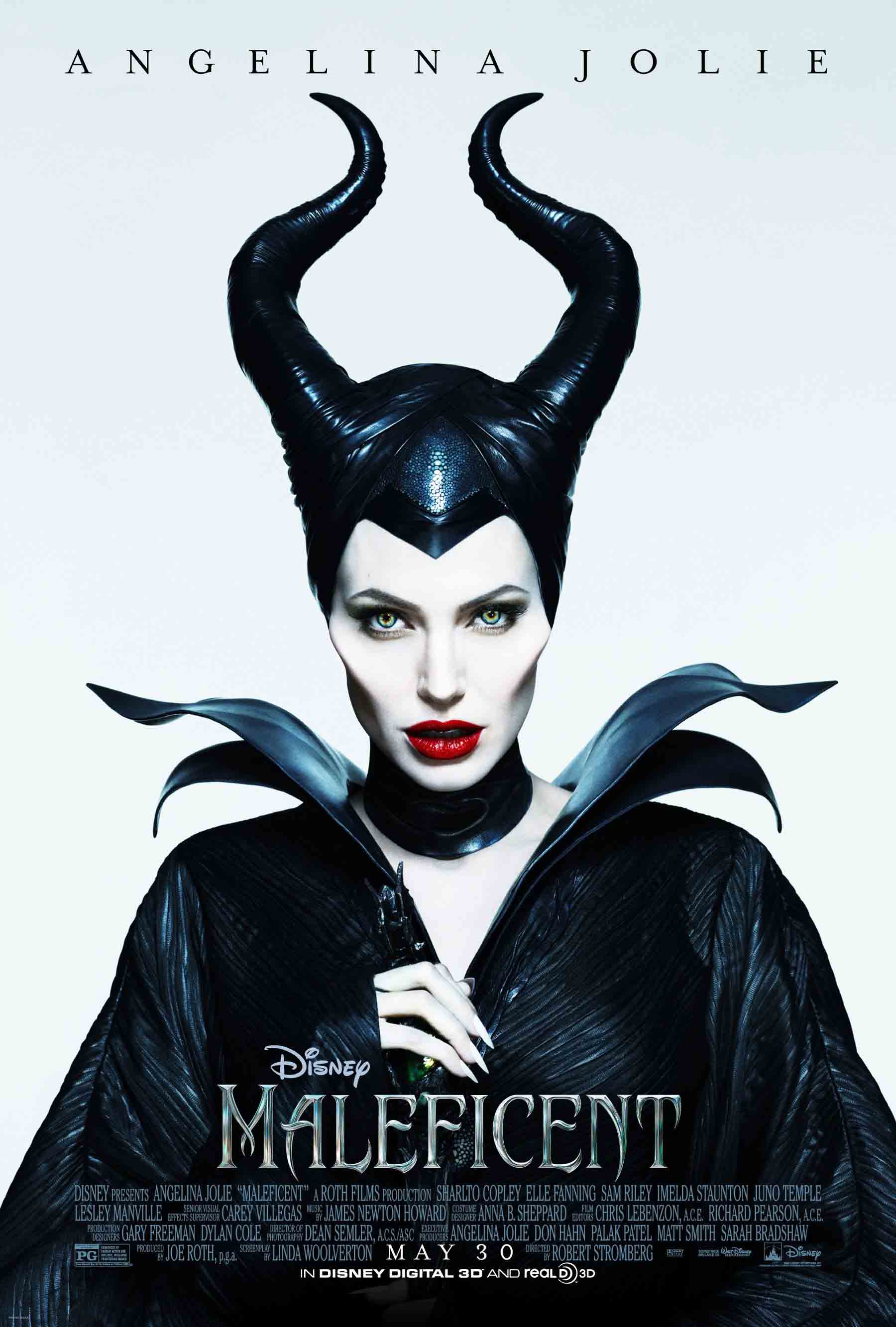
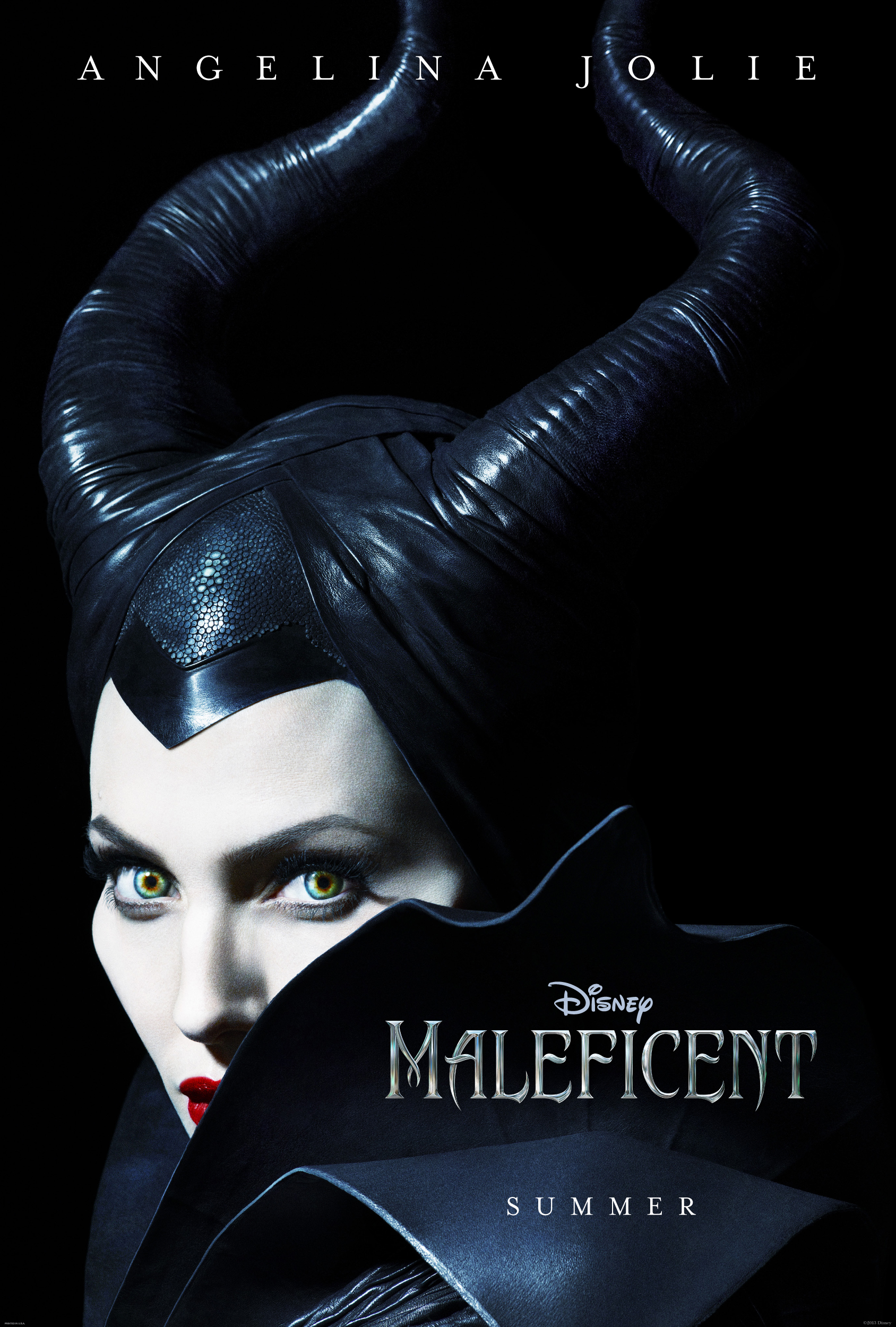
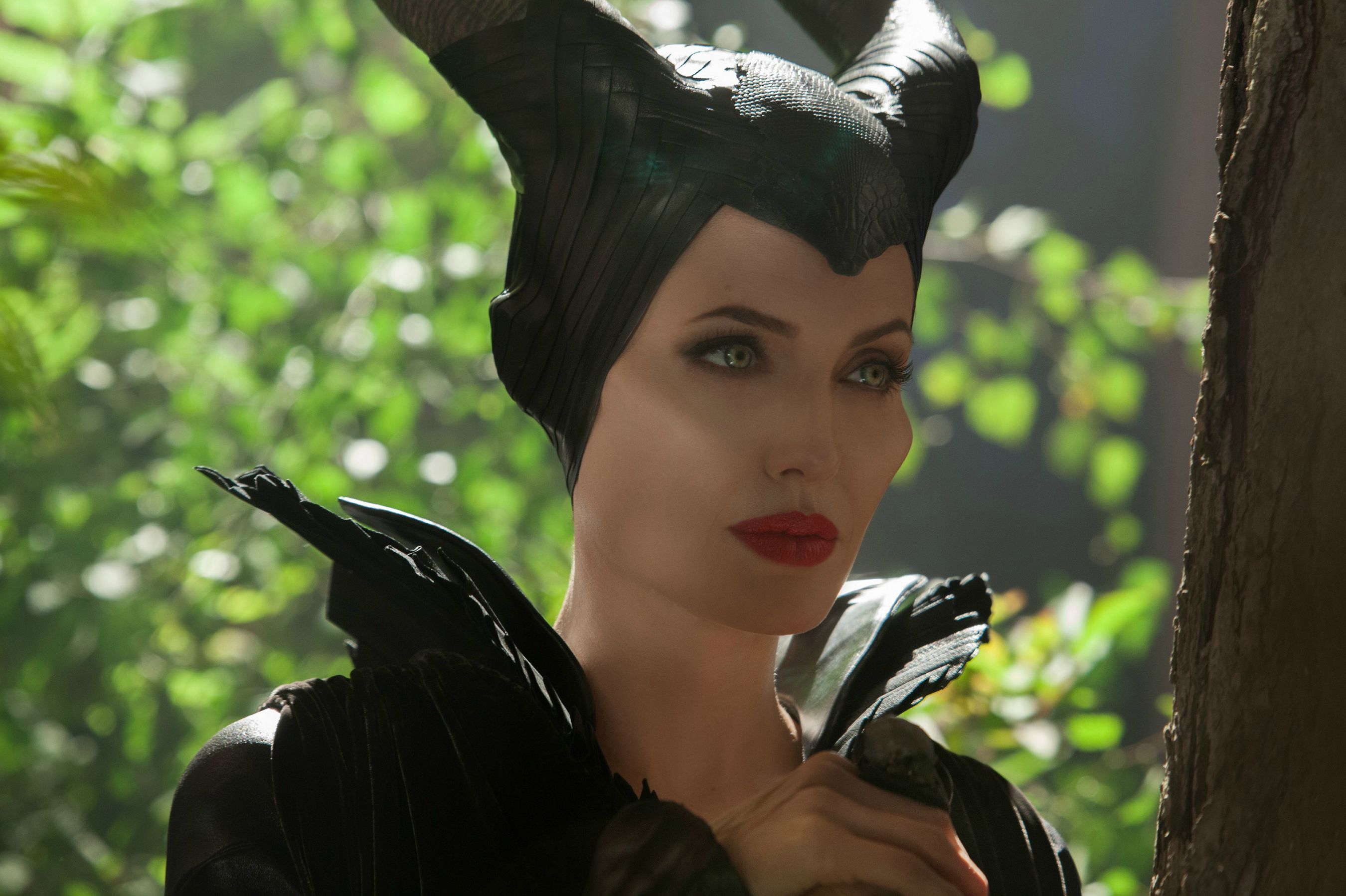
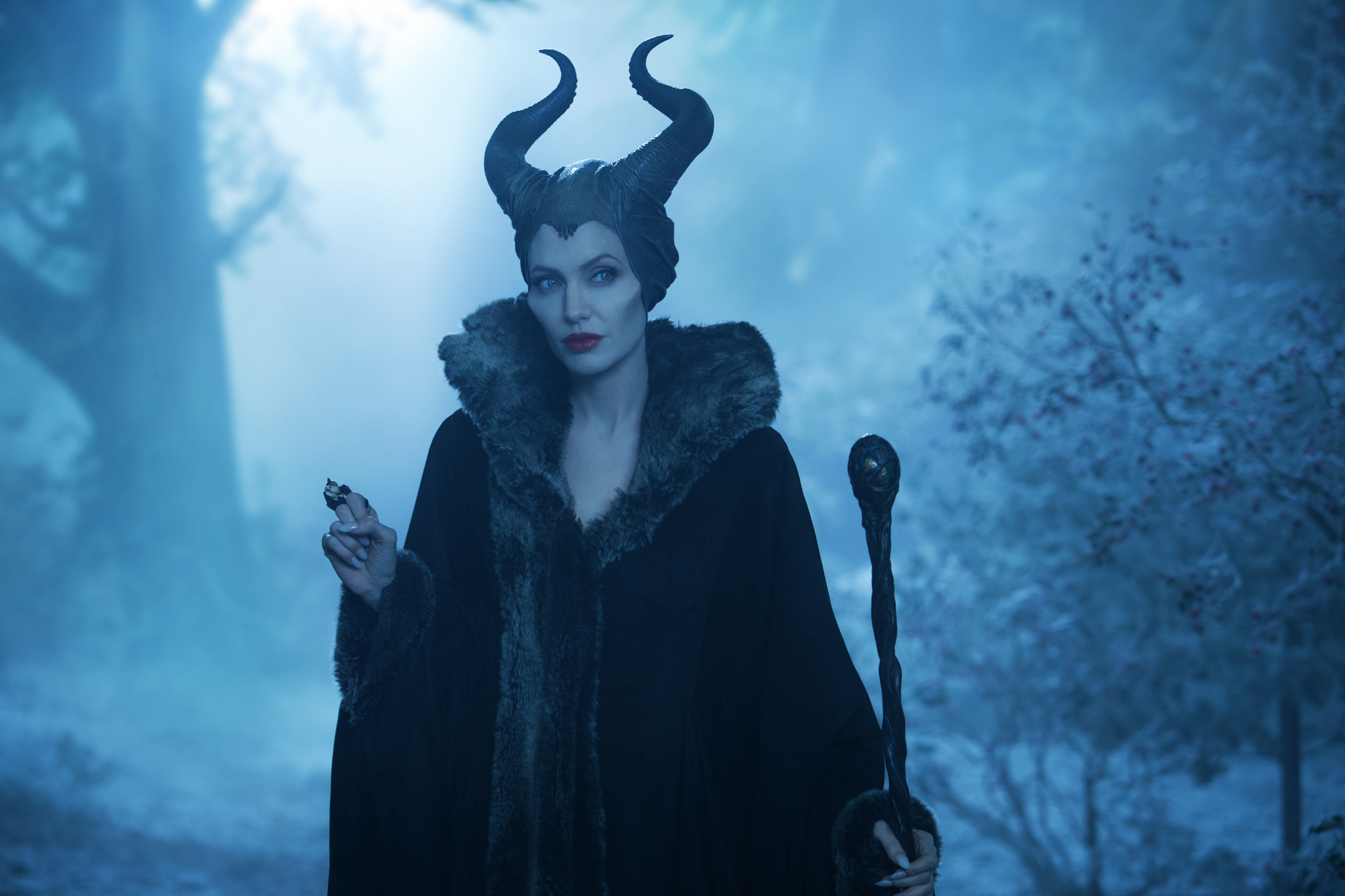
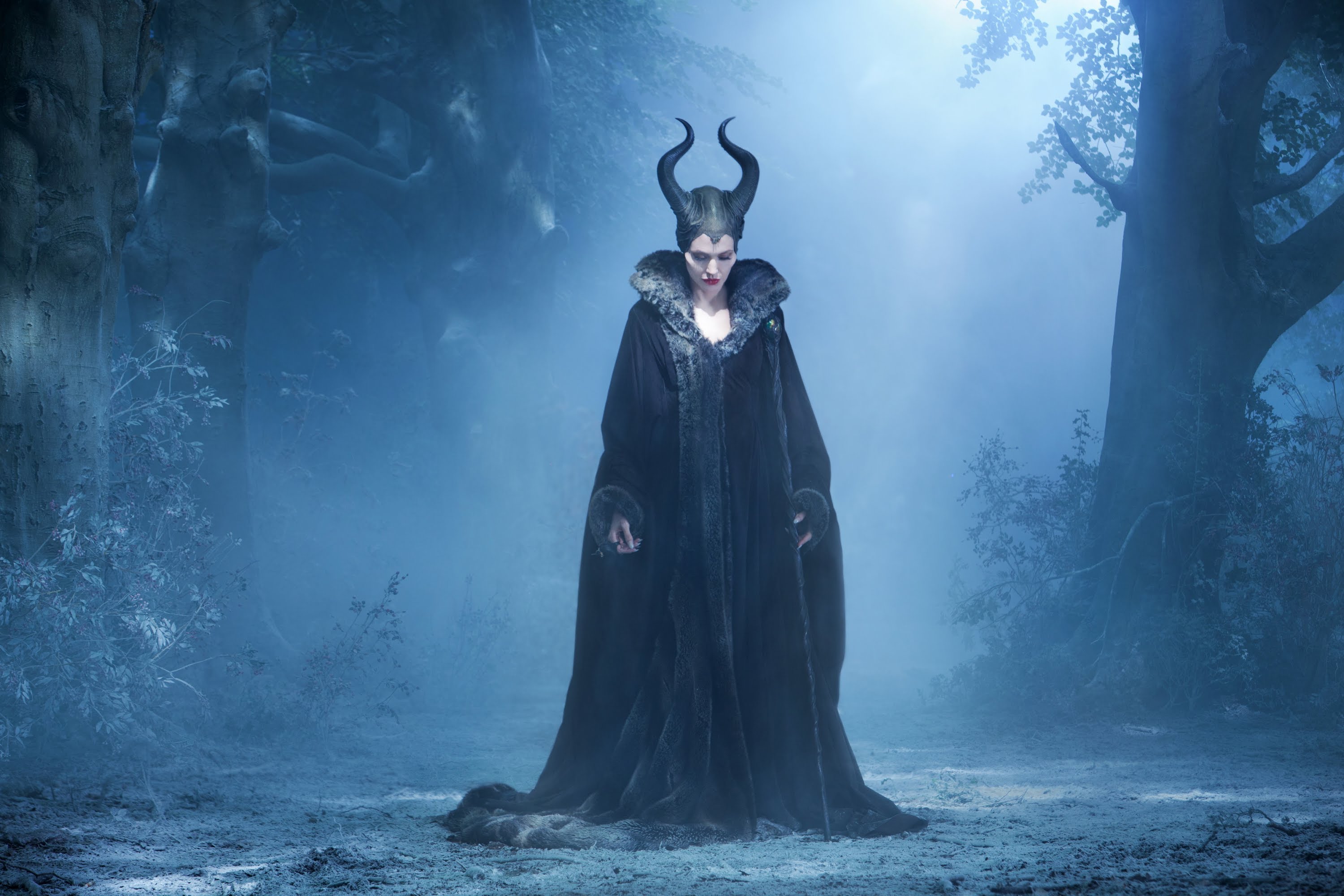
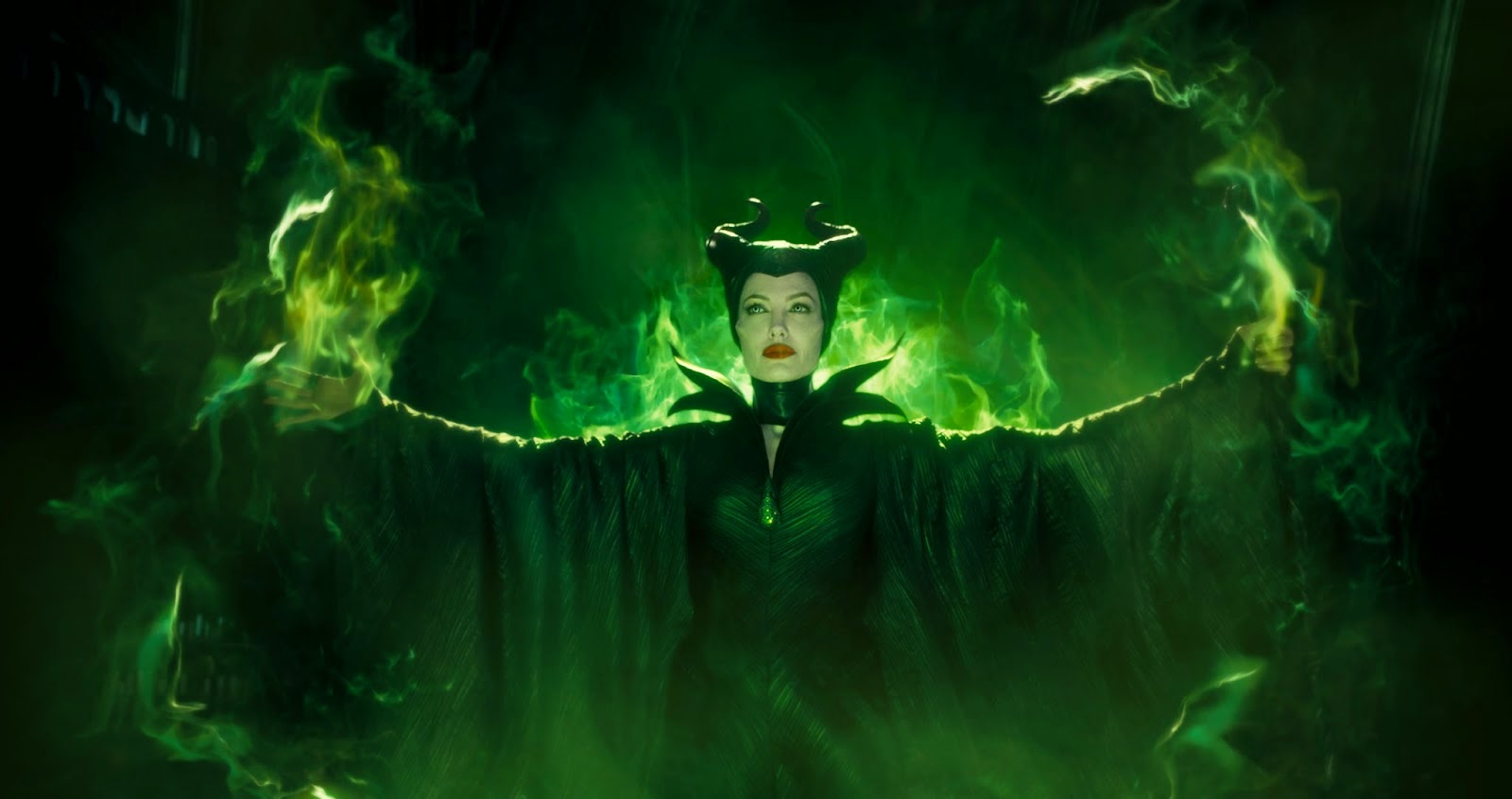
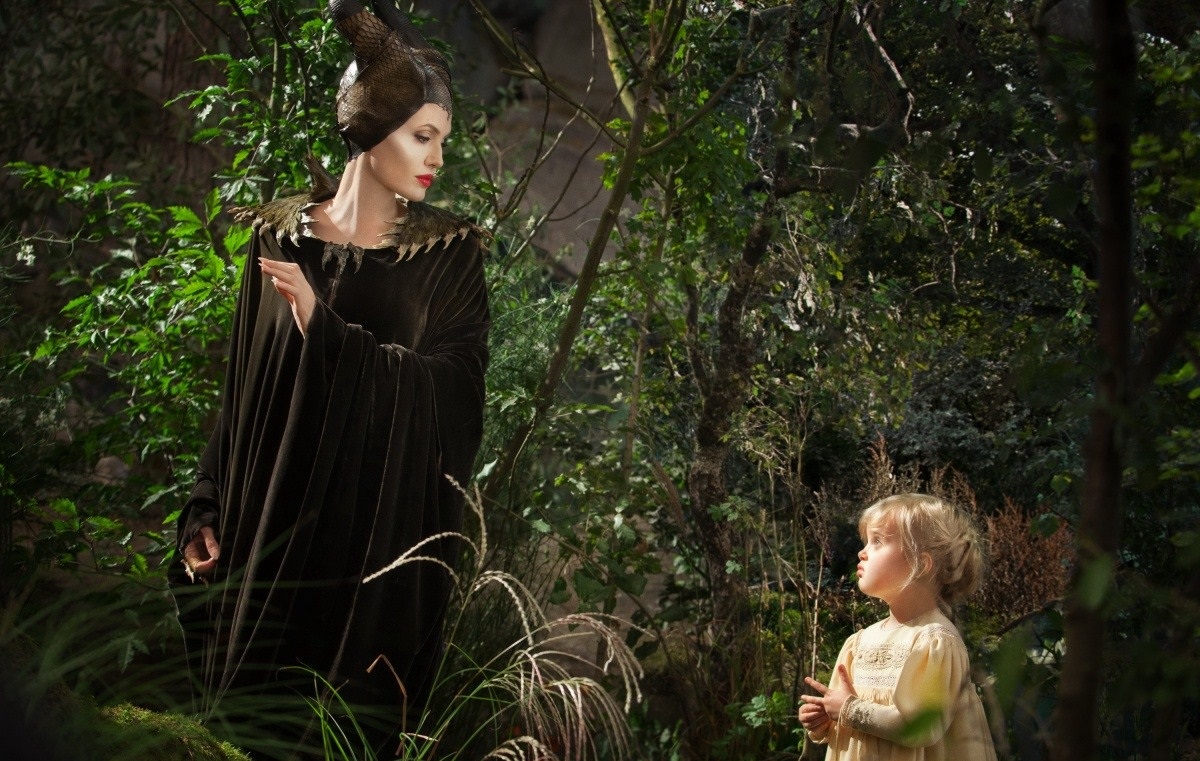
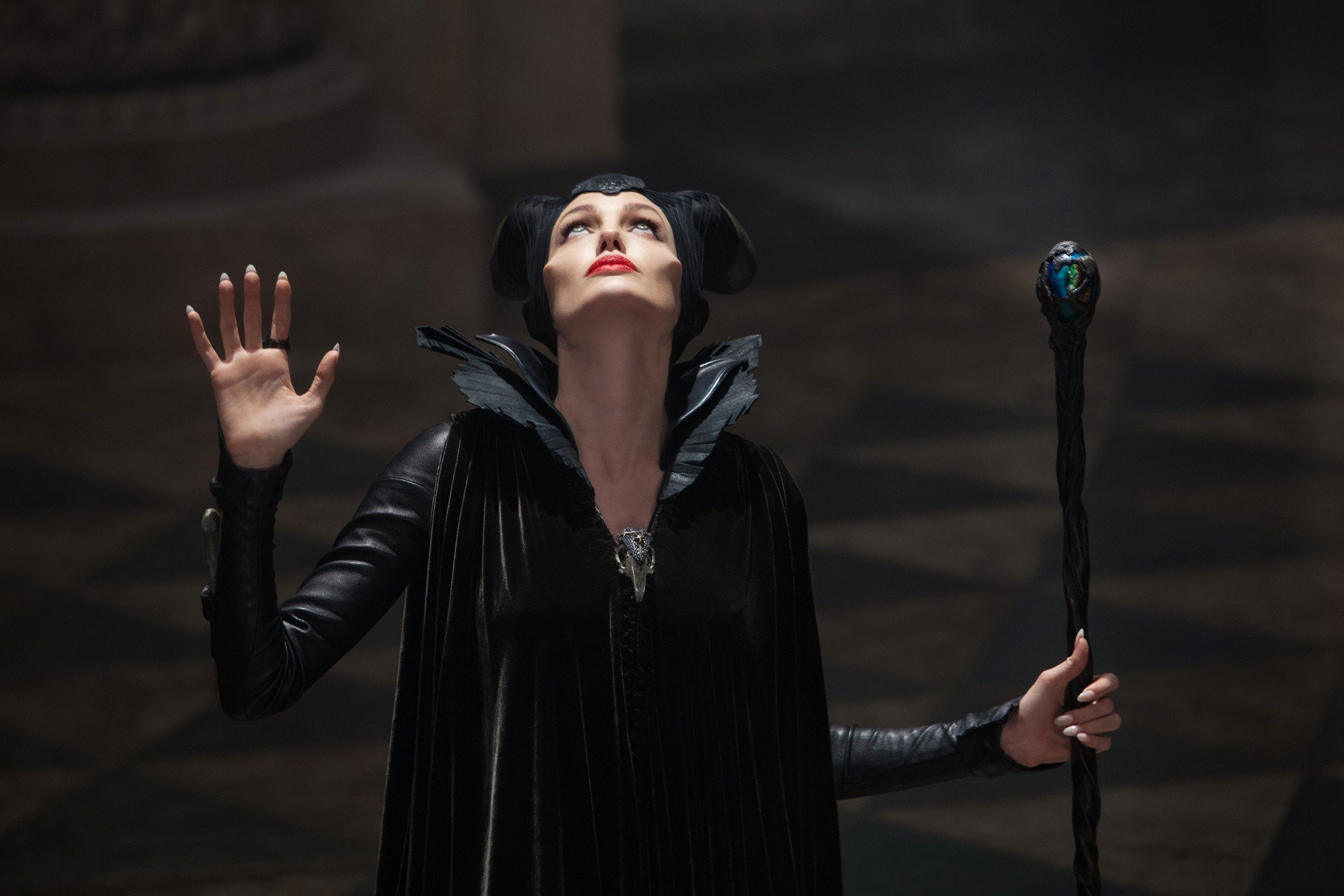
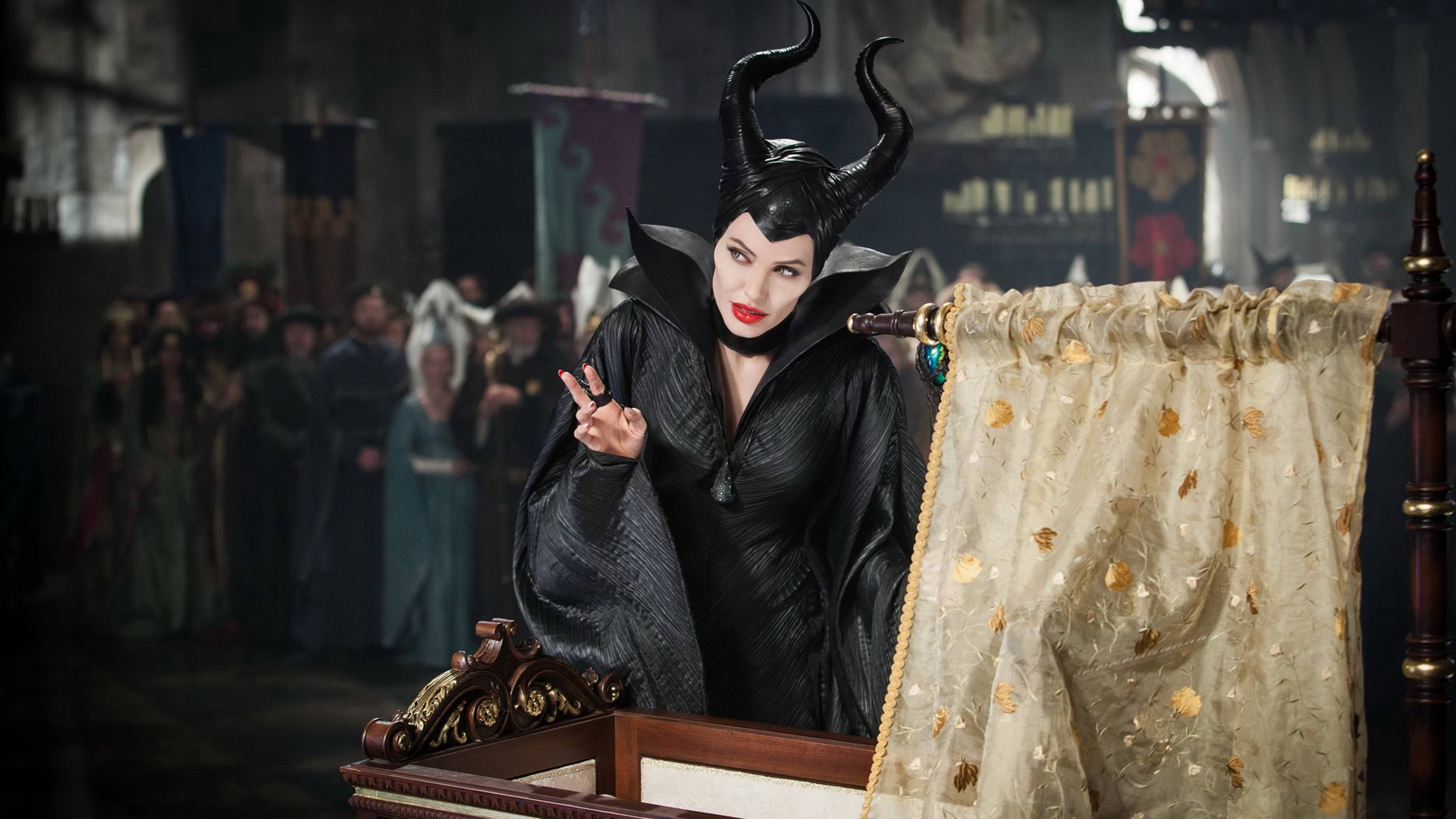
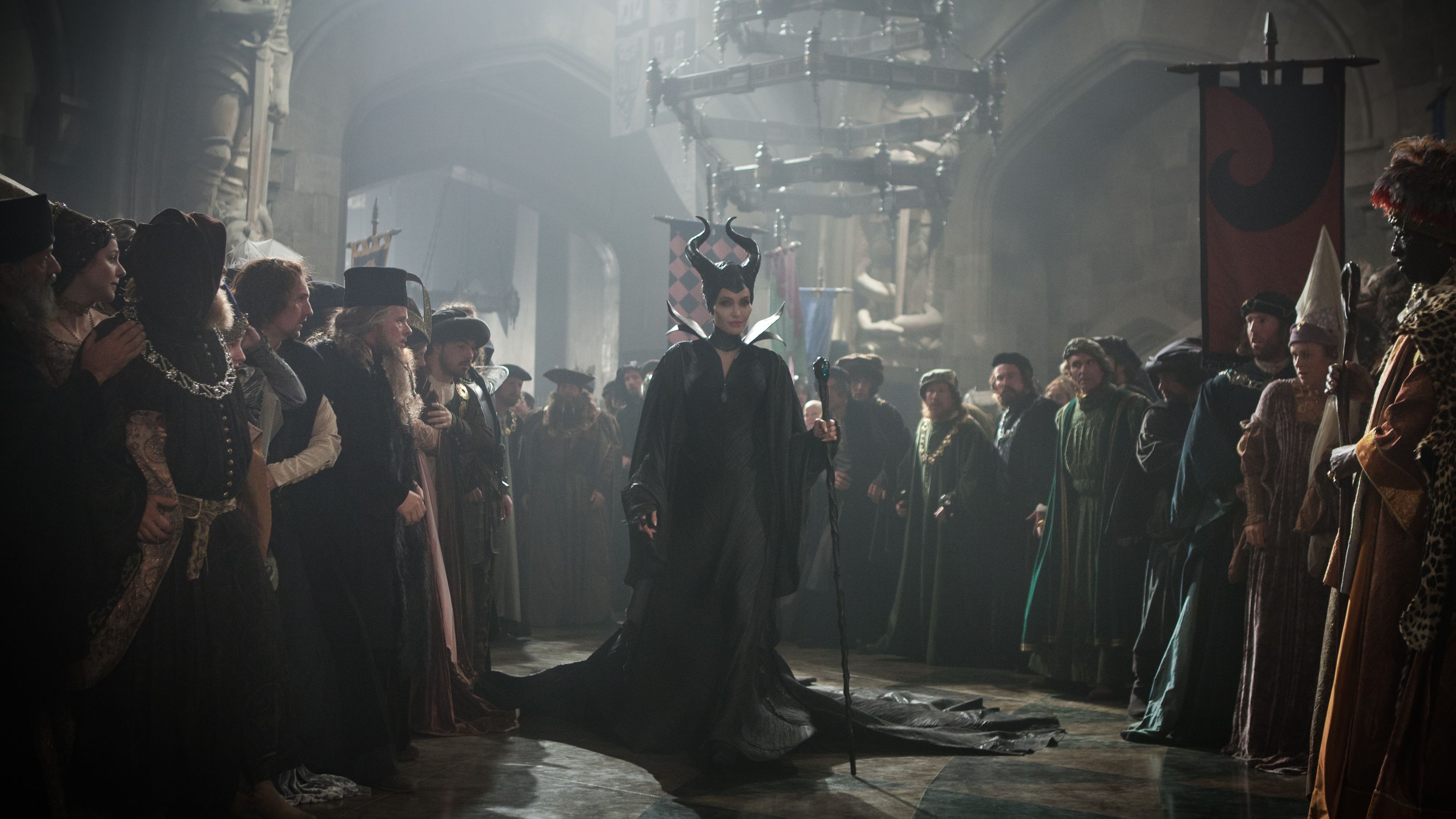
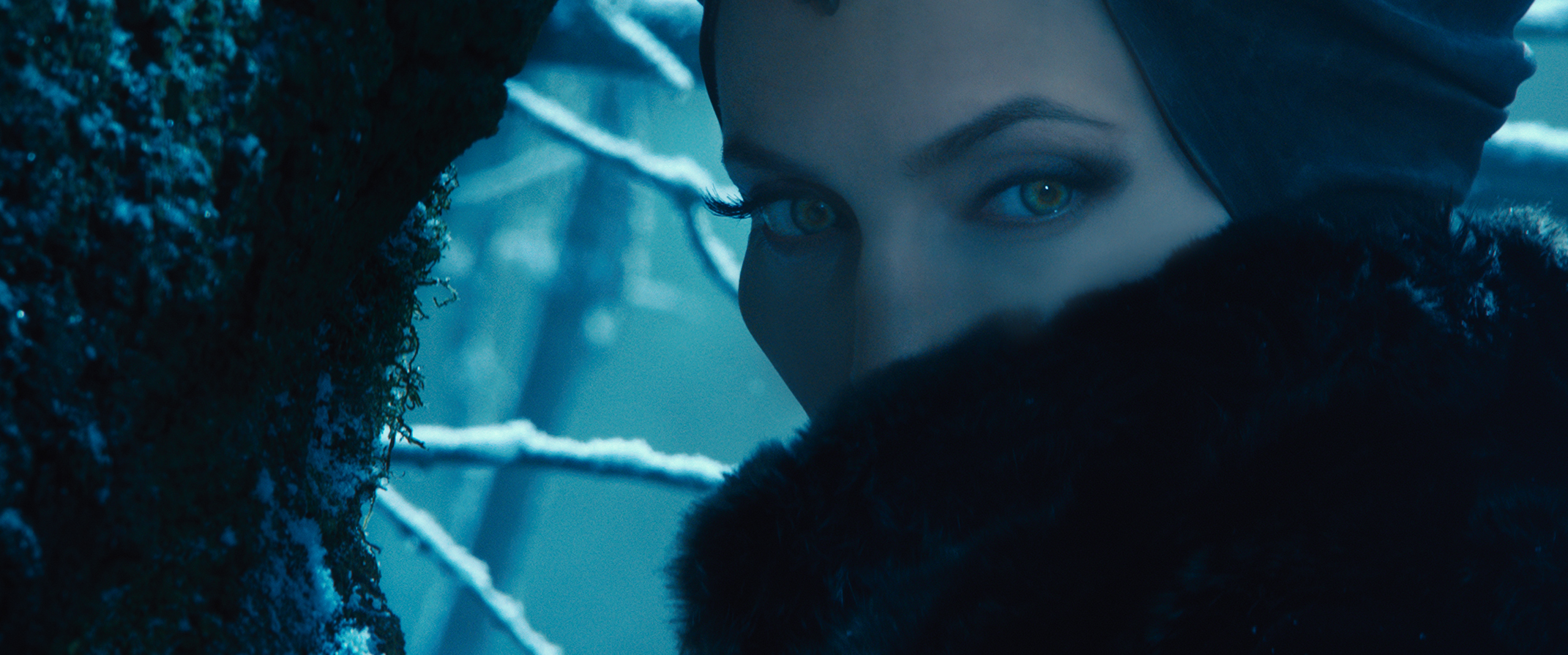
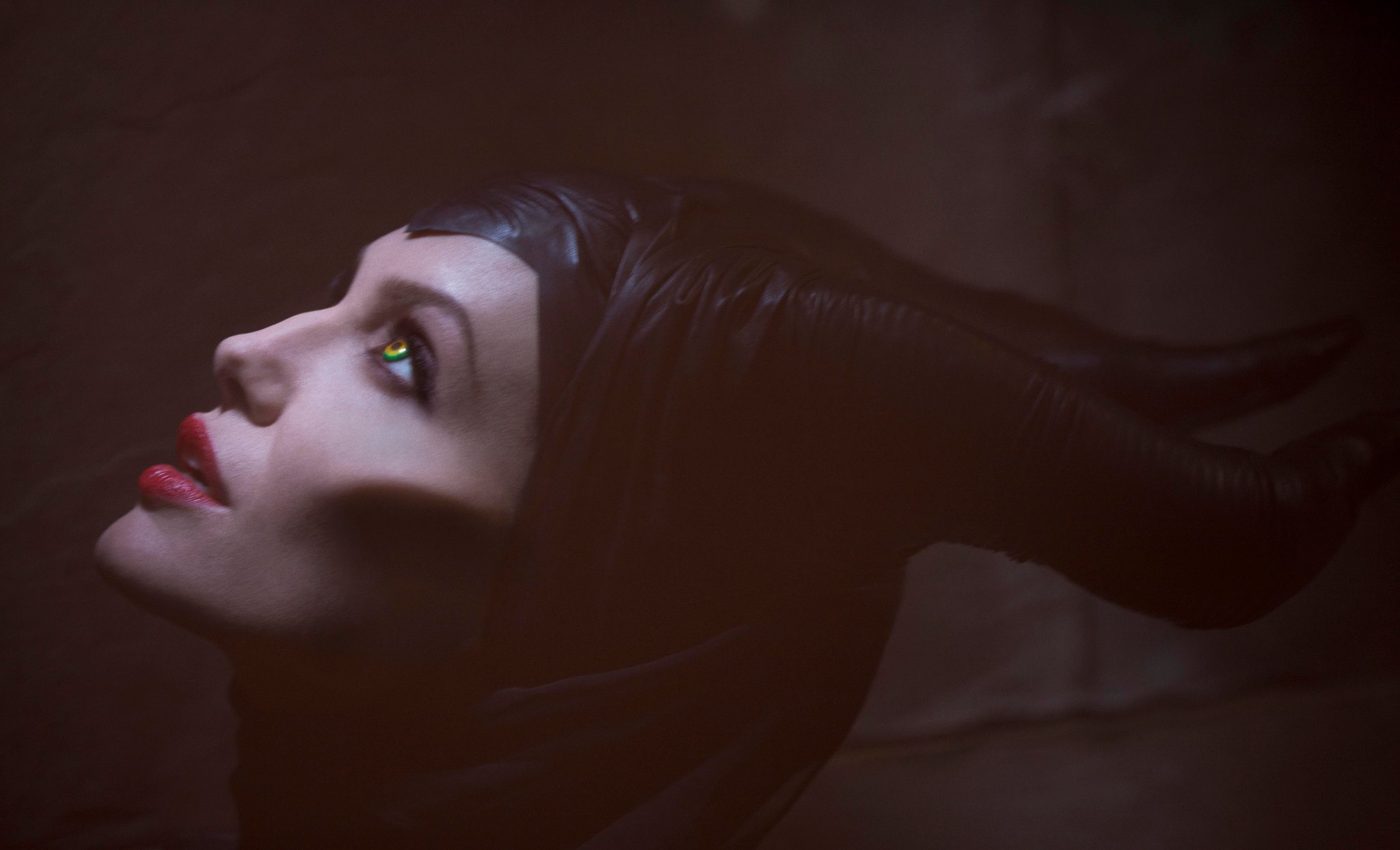
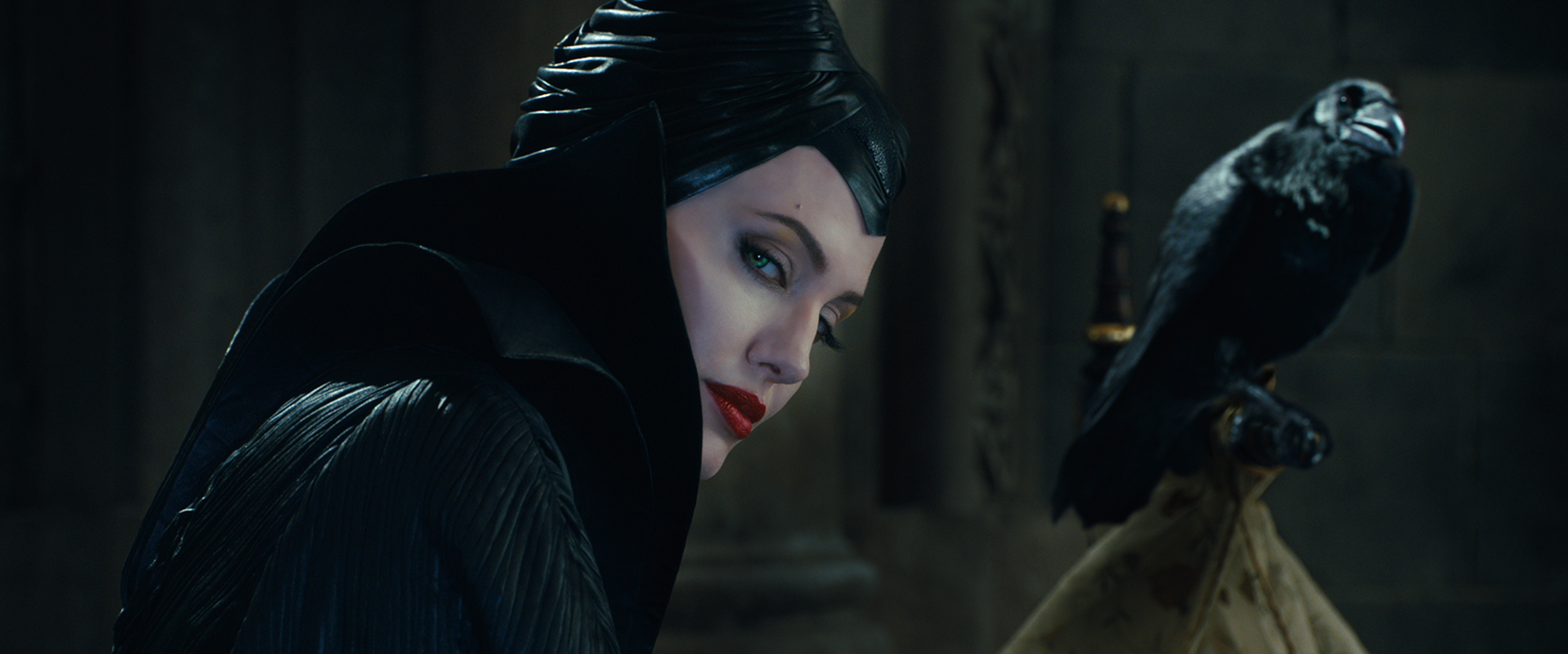
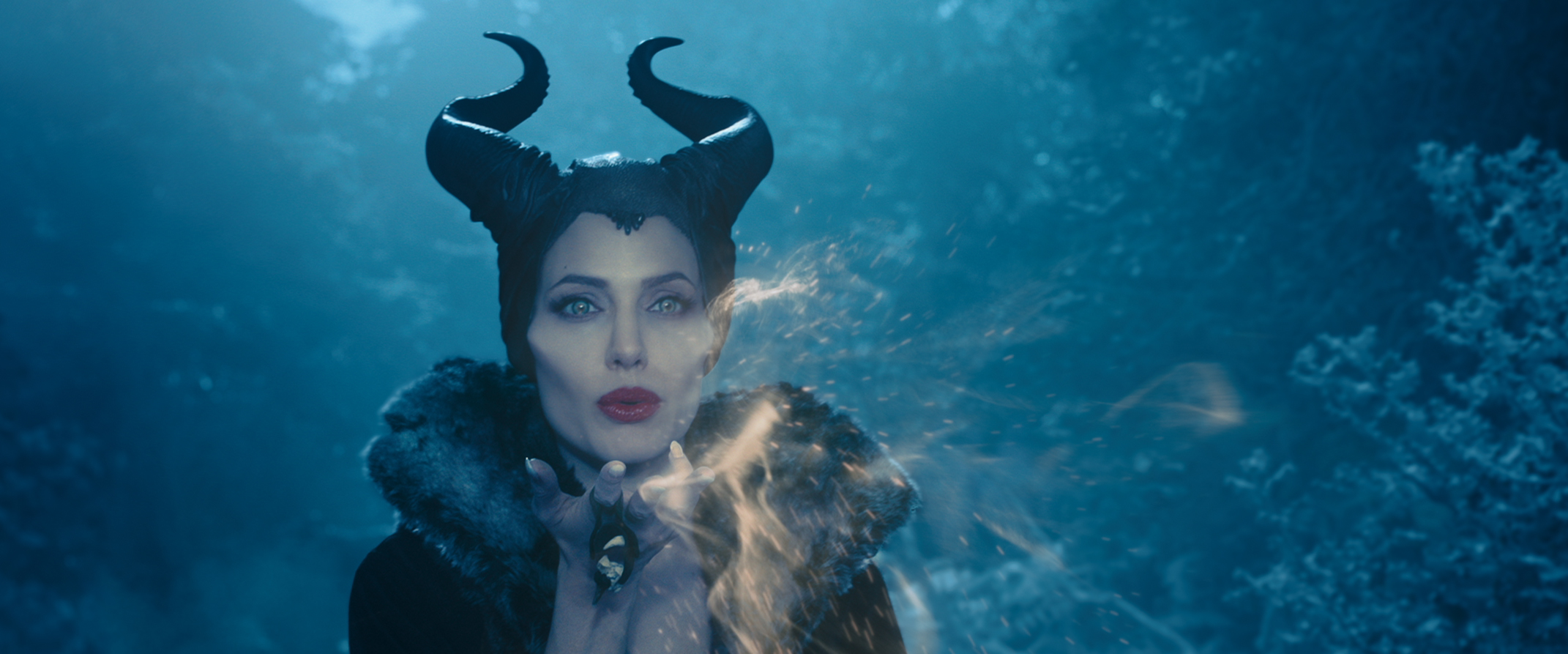
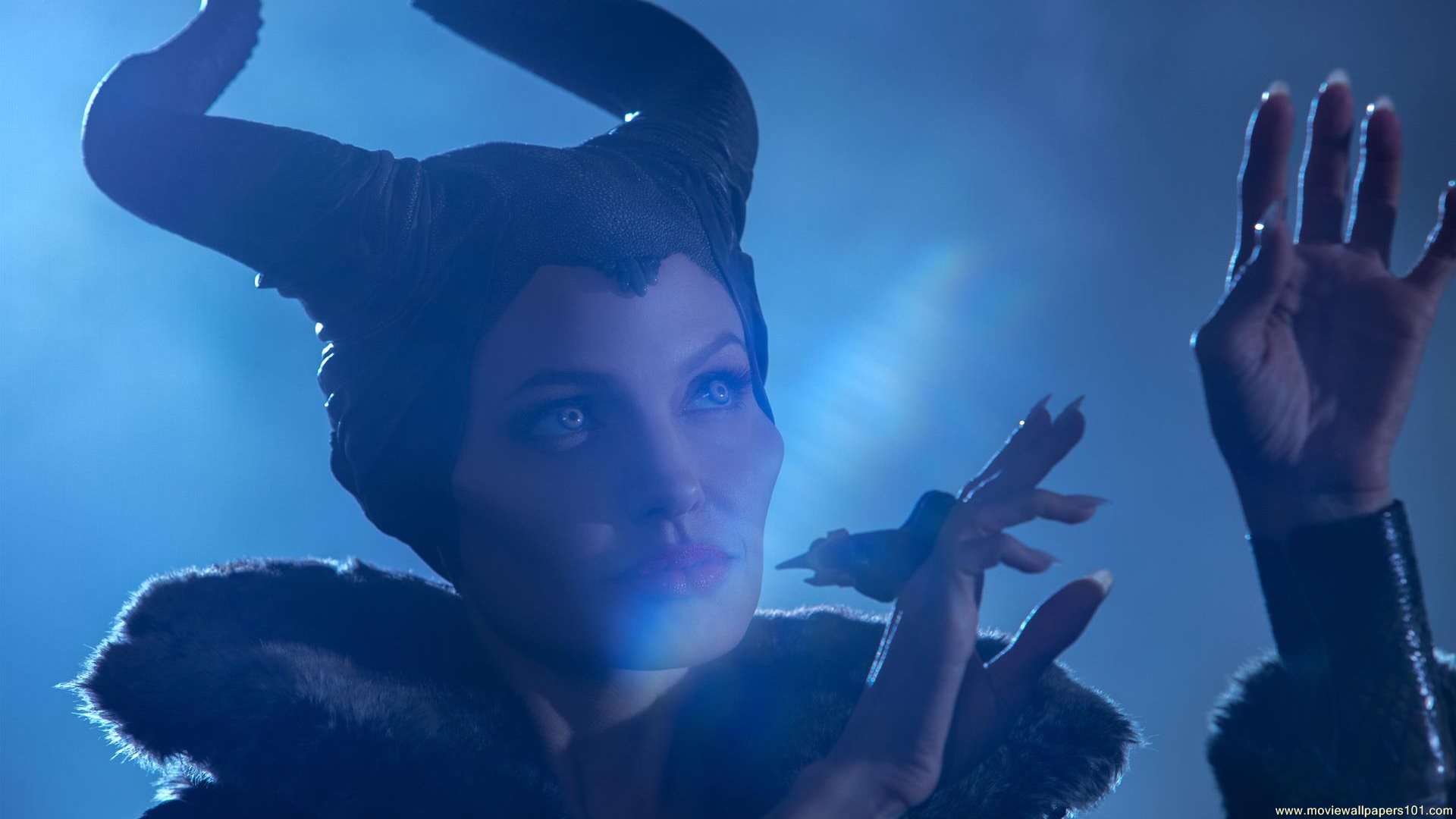
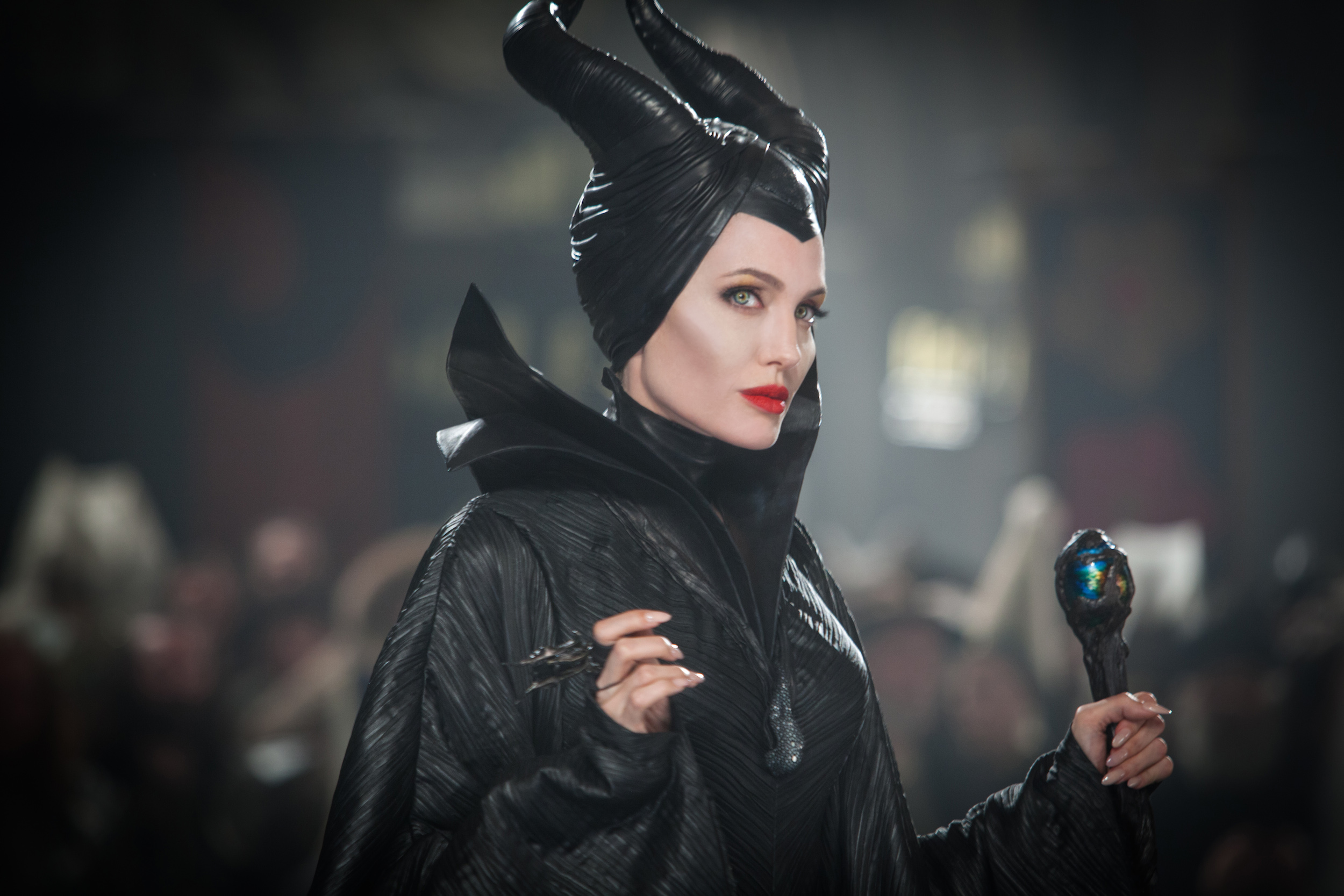
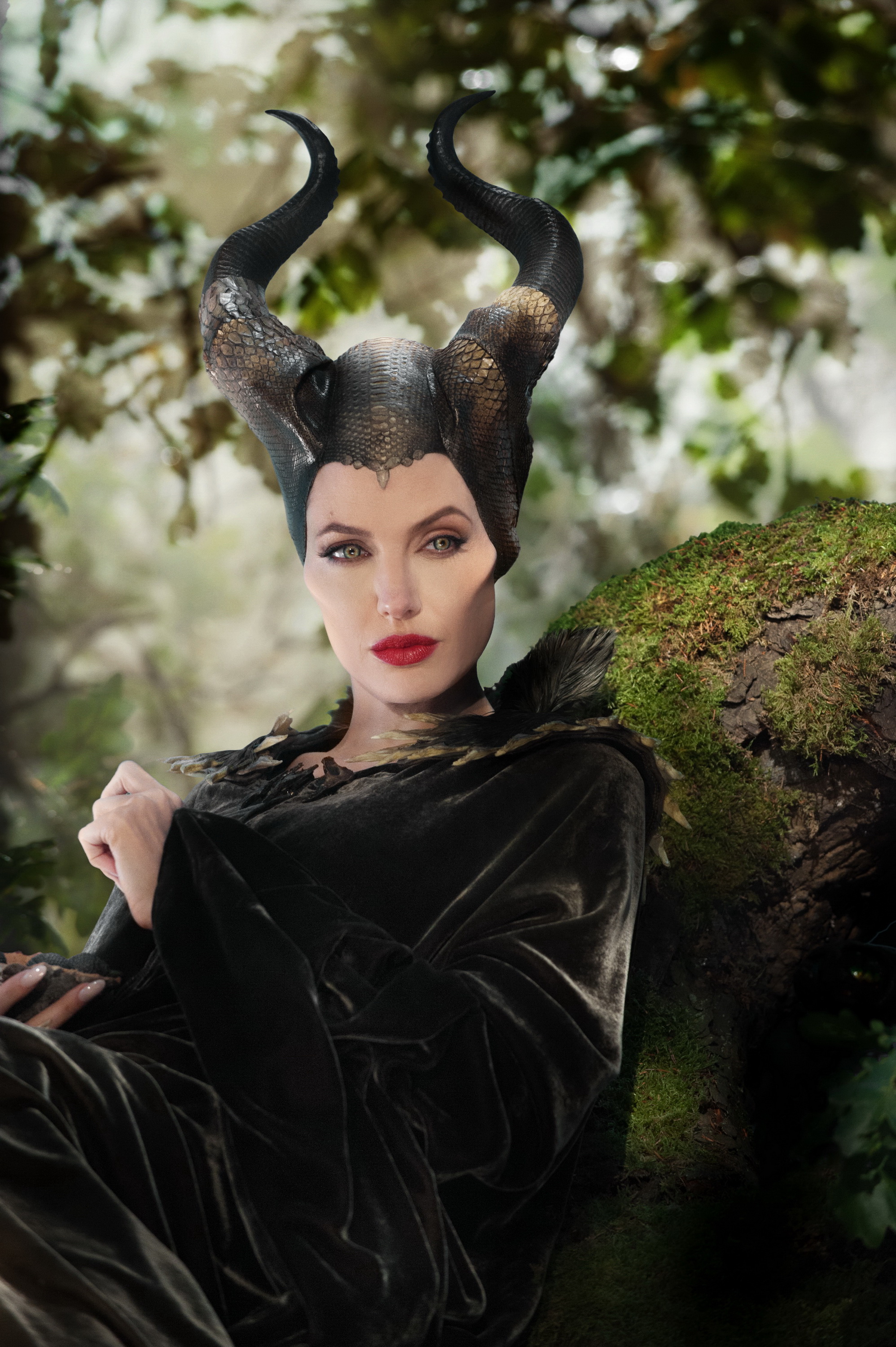
 This idea seems insane on the surface: take one of the classic villainesses of all-time, and tell the story from her point of view? How could that possibly work? But then, you think about it a bit, and the possibilities become apparent – not just in the fairytale arena, but in others as well. What about a Bond movie from the perspective of Goldfinger? A horror movie through Freddy Krueger’s eyes? One of the first things you realize, is that casting is particularly key: here, you need to have a lead who can take a character that has been universally loathed by generations, to the point where it’s in our cultural DNA, and turn it around, to become the sympathetic focus. The other essential aspect is the motivation: what happened to make them the way they are, and justify their subsequent “evil” actions? You have to bring the audience along on that character’s journey – and, bear in mind, this is a Disney film, so the scope for any kind of explicit content is close to nil. Yeah, we were right the first time, there’s no way this will ever succe…
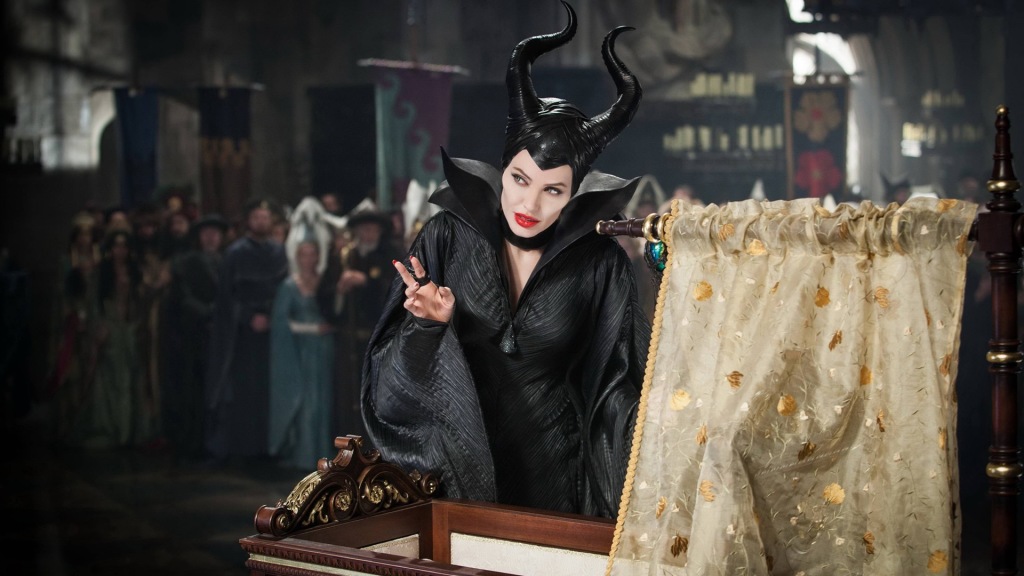 Except, there’s one very significant twist. Chris and I took a pie break an hour in, and she complained the film’s direction was “obvious.” Yes… and no. It was clearly pointing in the Prince Charming and happy ever after directions, but I’m delighted to report this is then subverted into something entirely different, and which packs a much greater emotional wallop. There was sniffling coming from beside me on the couch before the end, let’s just leave it at that. If there’s a Disney moral to be found in the (mostly awesome) ending, it’s perhaps not just the value of forgiveness over revenge, but that when someone offers you the former, it’s often wisest just to take it. Oh, and another important lesson: if you go plummeting off battlements with a creature that has wings and can fly, there’s really only going to be one loser in that scenario.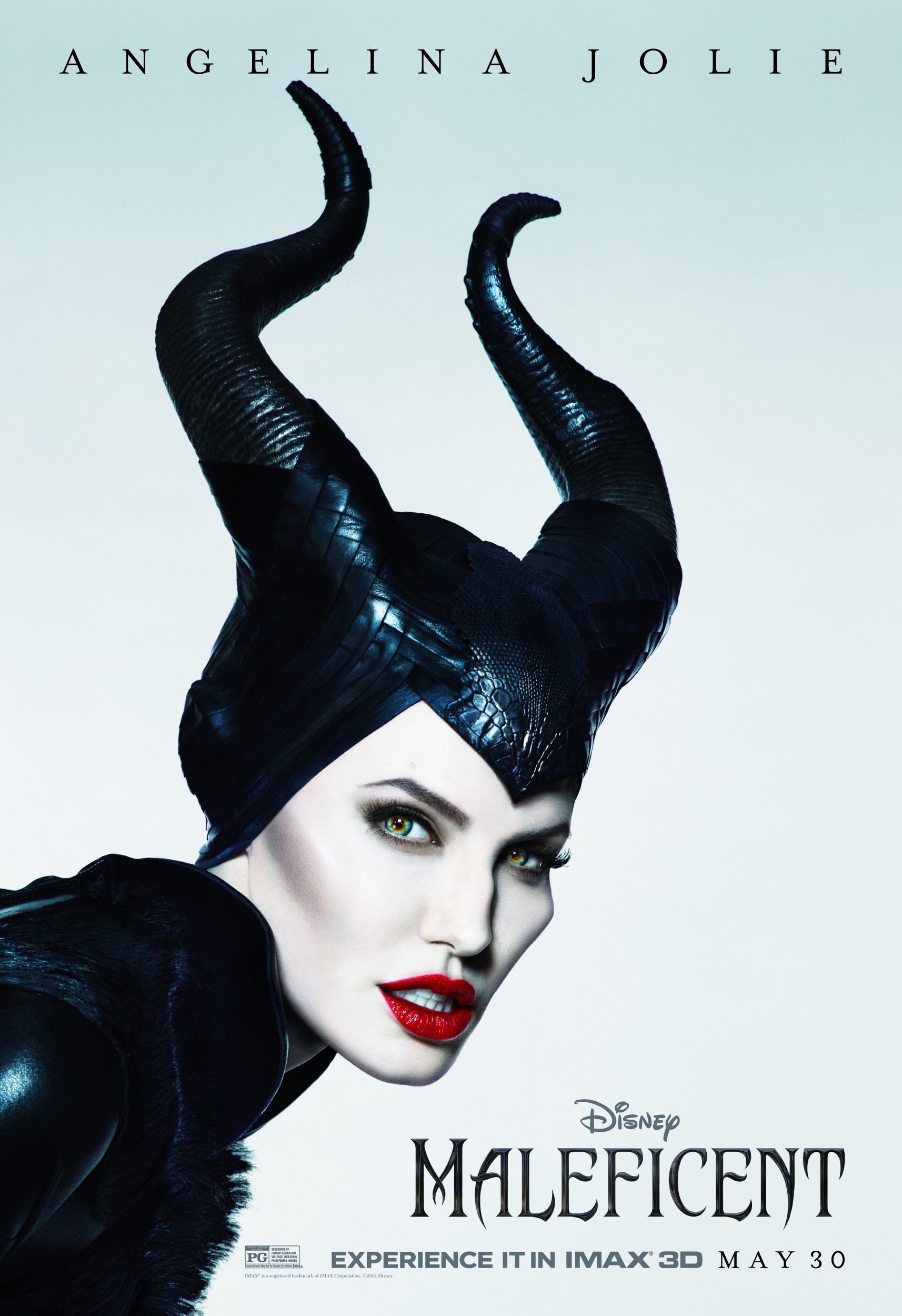
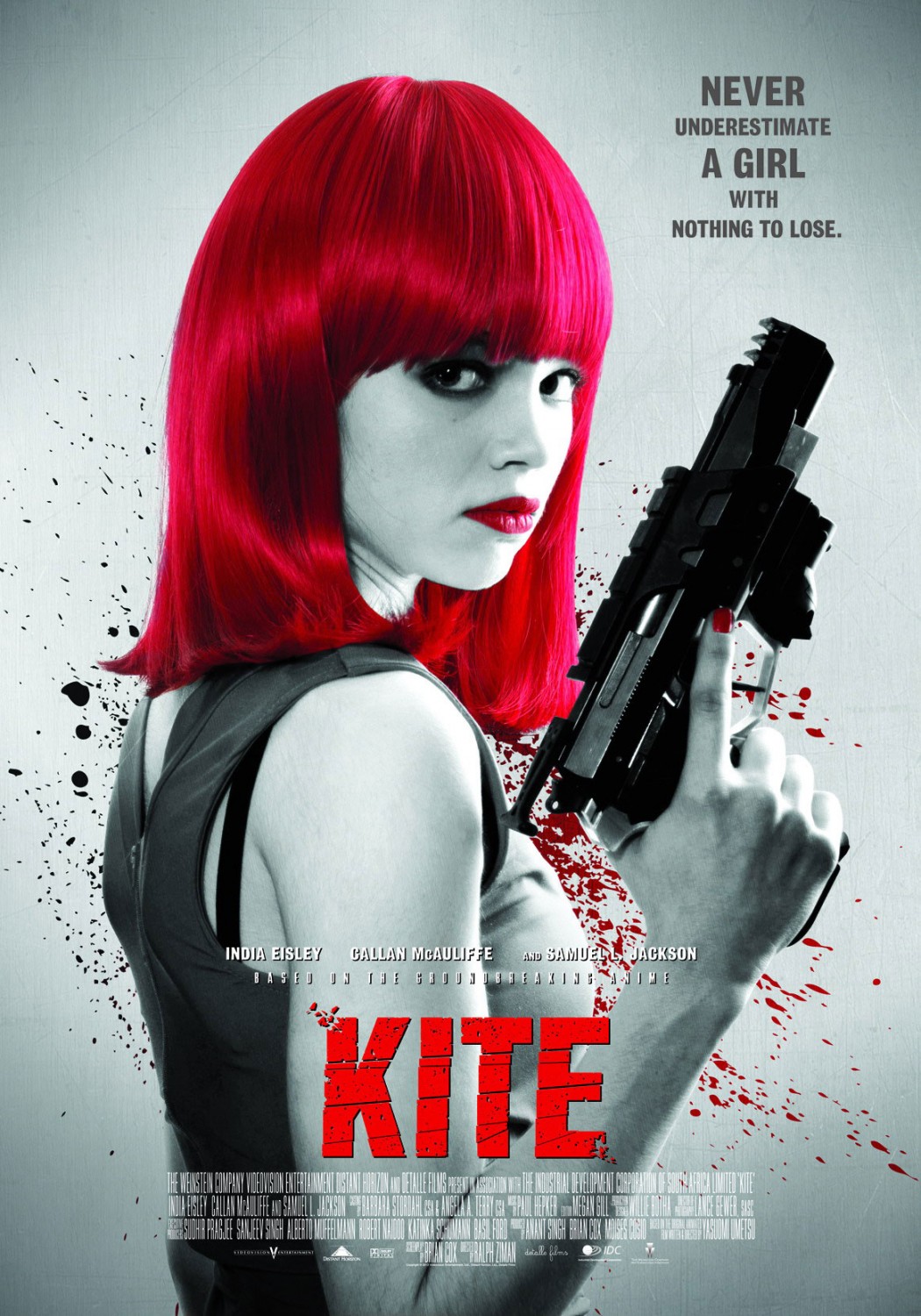
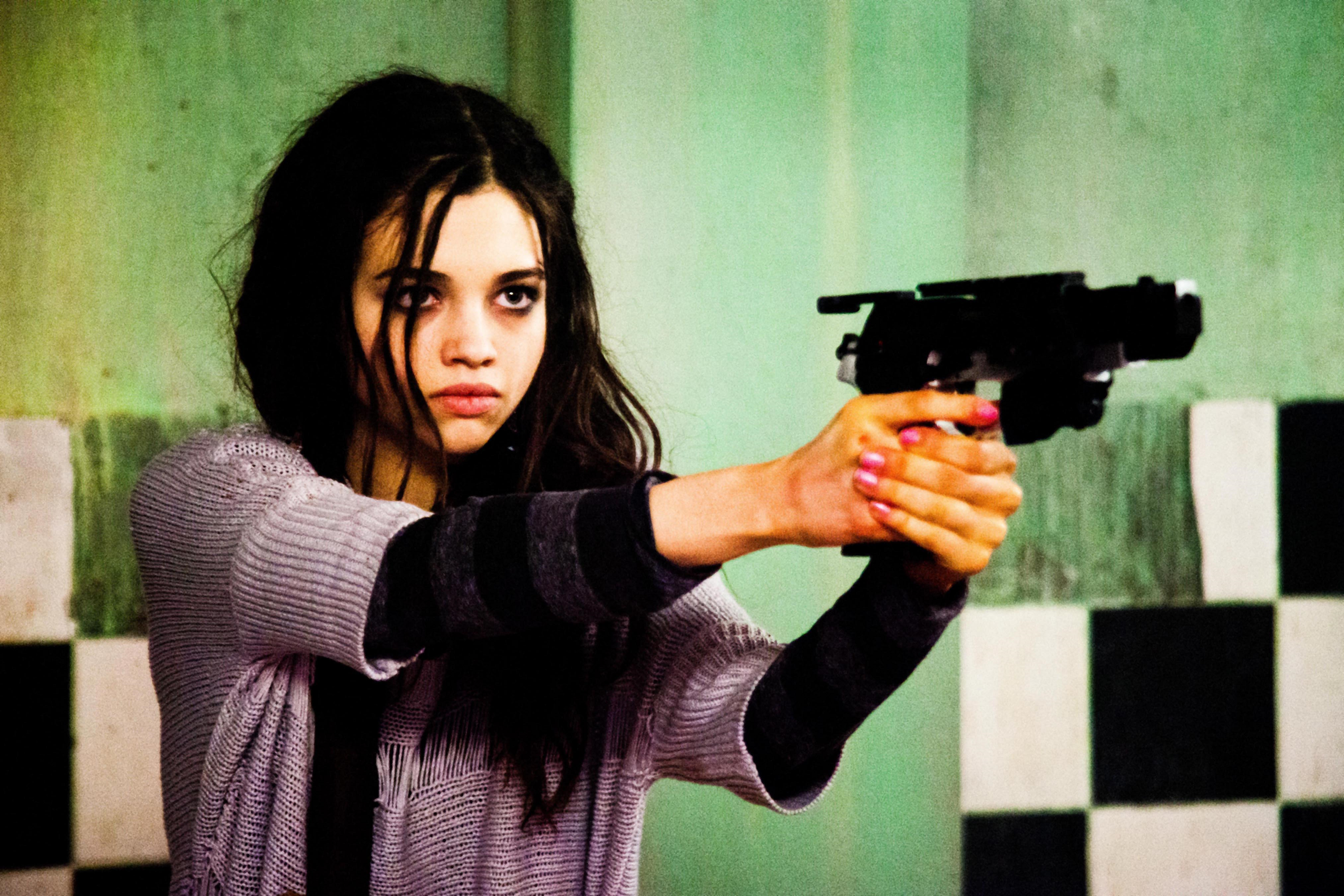

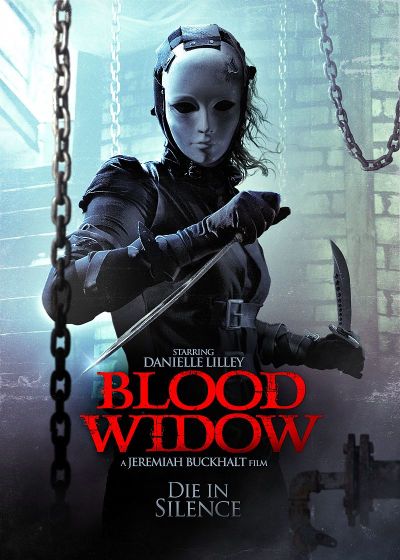 In the slasher genre of horror, the perpetrators seem almost exclusively male: Michael Myers, Jason Vorhees, Freddy Krueger, etc. Women can play an important role, and we’ve covered some of them here before – but it’s much more often as the “final girl”, than the one wielding the machete. However, it’s often forgotten that, in the original Friday the 13th movie, the killer was not Jason, but his mother, so there is some precedent for the female antagonist. See also Nurse 3D, American Horror Story: Coven or perhaps best of all,