
★★
“Die Hard in a hospital.”
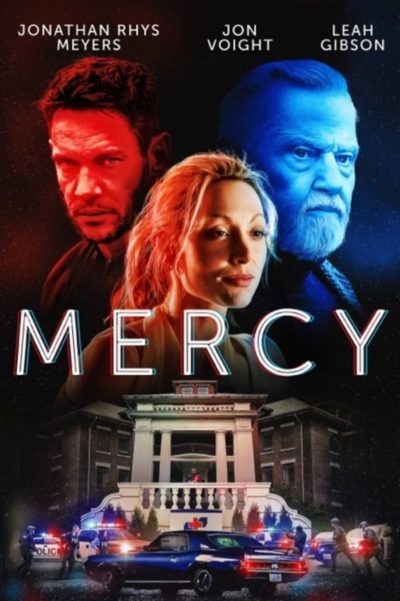 I’m almost tempted to leave it at that, because there are points where it feels like writer Alex Wright left it at that as well. Heroine Michele (Gibson) gets down to her vest? Check. Takes a walkie-talkie off a bad guy? Check. At one point, she even lost a shoe. If she’d gone crawling through an air-duct, I’d have flipped a table. Anyway, Michele is a former military doctor, now working in a civilian hospital. Rushing in one day is an FBI agent with Ryan Quinn, son of an Irish crime family, who was shot in an ambush after agreeing to flip on his relatives. Not far behind is family boss Patrick (Voight) and Ryan’s brother, Sean (Meyers), the latter intent on finishing the job.
The resulting hostage situation unfolds more or less as you’d expect, especially after you’re introduced to Michele’s son, Bobby (Bolognese) – and wouldn’t you know it, today is his birthday! That’s one of a few moments where your eyes will be forgiven for rolling enthusiastically. I think we reached peak ocular orbital velocity when Michele heads across the hospital roof, and the cops below pause to salute her. No, really. Quite why she’s on the roof at all, escapes me, and it’s very much a case that for every step the script takes forward, it tends to take two back. The film is a bit better when simply engaging in crunchy violence, and reaches adequate levels in this department now and again.
What probably stops things from collapsing are a decent cast, who are mostly much better than the script deserves. Voight and Meyers in particular, have a very good dynamic, their relationship gradually becoming more fractured, especially after Patrick realizes it was Sean who shot Ryan. The pair are fun to watch, and in Sean we have a particularly nasty villain, with absolutely no qualms about cold-blooded murder. Even here though, the story manages to screw things up, with a ludicrous brawl between father and son. Jon Voight is eighty-four years old, people. When I reach that age, I’ll be satisfied simply to be walking without assistance, and will not be fighting anyone. Trust me.
There might be a bit less of Gibson in this than I expected, with the movie occasionally appearing to forget about her. The army background does give a solid base to explain her hand-to-hand skills: she wasn’t “just” a medic, shall we say. There’s a largely unnecessary prelude which throws in a dead husband and apparently gives Michele bomb-disposal skills, courtesy of the ghost of her husband. Ok, while I made the last bit up, it probably makes as much sense as what the finale provides. It’s the kind of film where I feel a bit sorry for the leads; I can’t help feeling they deserve better material.
Dir: Tony Dean Smith
Star: Leah Gibson, Jonathan Rhys Meyers, Jon Voight, Anthony Bolognese
The film is released in select theatres on May 12, on digital May 19, and is available On Demand from June 2.
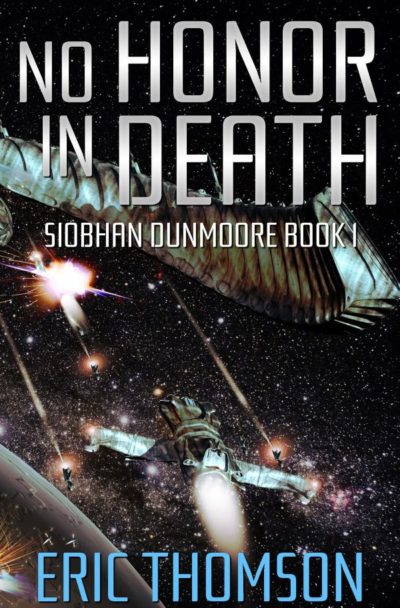 This SF novel takes place in the future where the human Commonwealth is engaged in a brutal space war against the militaristic Shrehari Empire – imagine Klingons on krack, perhaps. They have superior technology, but humanity’s ability to think outside the box and improvise has helped level the playing field. Siobhan Dunmoore has just survived – emphasis on “just” – a battle against the Imperial cruiser Tol Vakash of Captain Brakal, forcing him to retreat by attempting a kamikaze crash of her badly-damaged craft into his. As a “reward”, she is assigned command of the Stingray, a craft with a bad reputation. Its previous captain is now facing a Disciplinary Board, and the crew are barely even trying. It seems Dunmoore has been set up to fail, and she’ll need to overcome resistance from enemies both domestic and alien, as well as overt and covert, before she can even think about going another round with Captain Brakal.
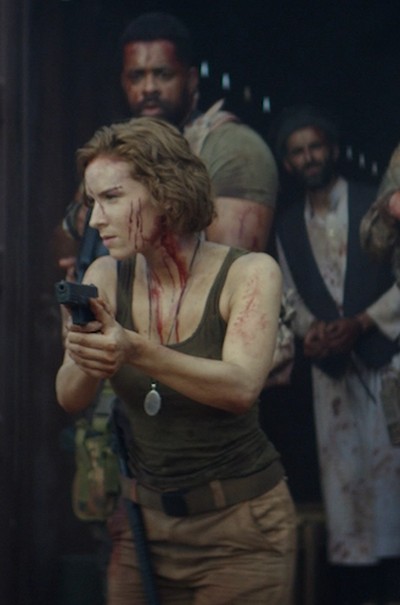 There is a tendency for directors married to actresses to make them action heroines. This perhaps started with Renny Harlin and Geena Davis, but the most famous example is probably Paul W.S. Anderson and Milla Jovovich (she was previously married to Luc Besson too). It seems that Marshall and Kirk may be heading that way, with her starring in his last two movies. First there was witch-pic The Reckoning, and now this, which blends elements from a number of genre films. Not the least of which are Marshall’s own Dog Soldiers and
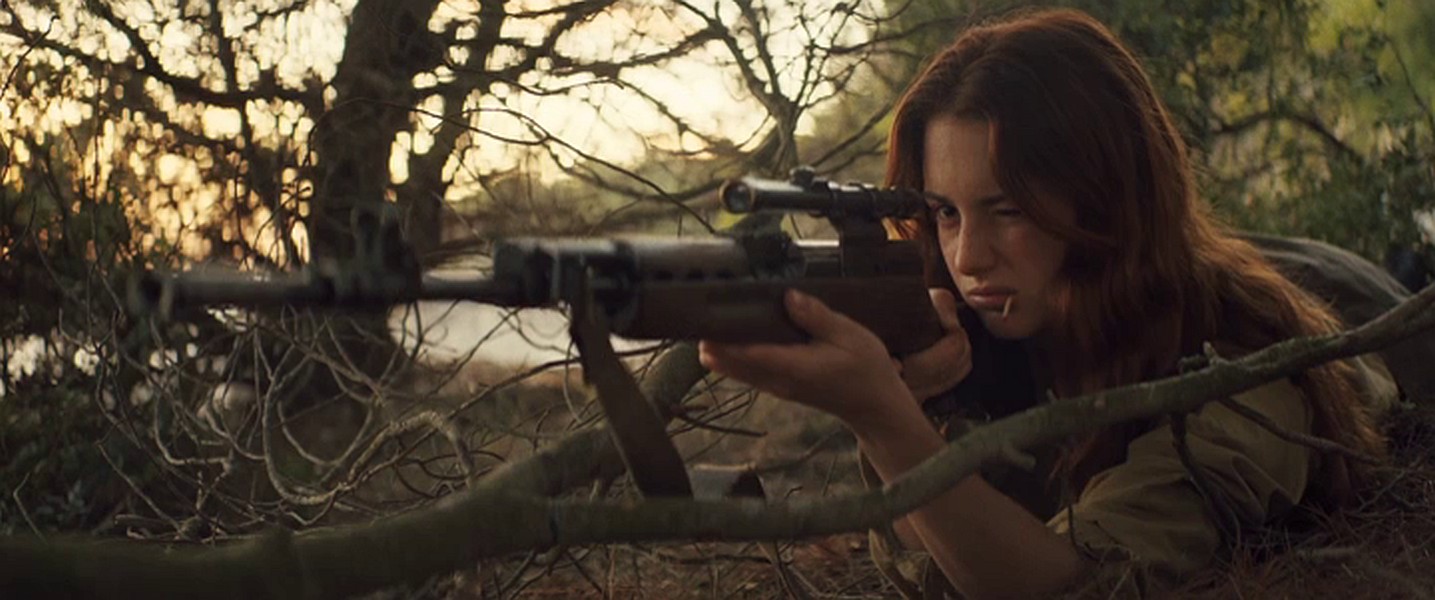 ★½
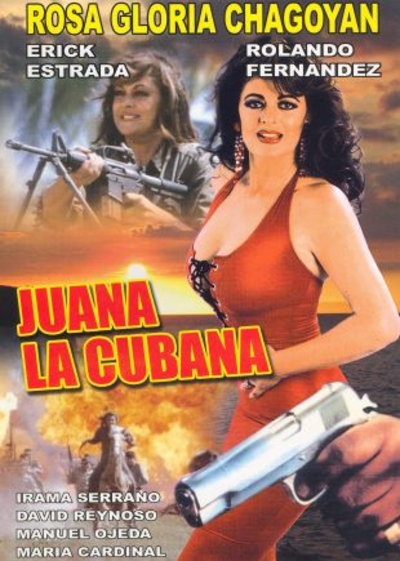 A long time ago – 17 years or thereabouts! – we reviewed another Chagoyan/Fernandez production,
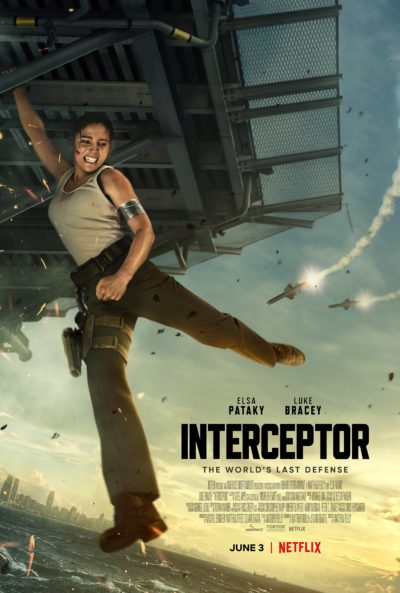 Two minutes in, Chris turned to me and said, “Is this an Asylum movie?” Oh, that she had been right, for the net results might have been more entertaining. This is truly the dumbest film I have seen in a very long time. It feels like a throwback in content to about thirty years ago, except with a script that makes your average Cannon product look like Citizen Kane. It’s set on a missile interceptor station in the middle of the Pacific, to which Captain J. J. Collins (Pataky) has just been assigned again. Barely has she dropped her bags off in her cabin, when word comes that their sister base in Alaska has gone dark, and terrorists have stolen 16 Russian ICBMs. Before you can say “shitty Die Hard knockoff”, trust-fund kid Alexander Kessel (Bracey) shows up, intent on removing America’s last line of defense. It’s up to J.J. and plucky SigInt guy Rahul Shah (Mehta) to prevent them – or the terrorists will have won, literally.
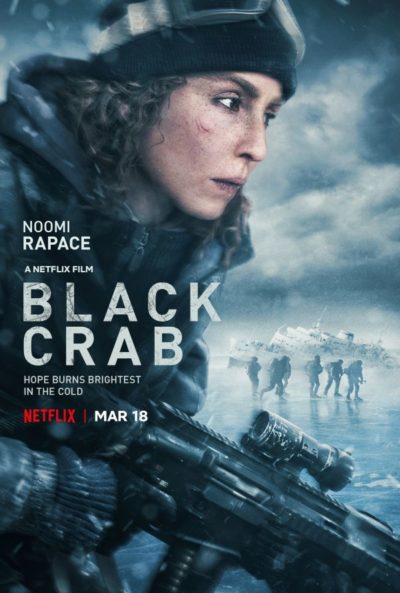 Rapace seems to be turning into a female version of Ryan Reynolds. By which I mean, it seems that hardly a month goes past without a new Netflix Original coming out starring her. Ryan had 6 Underground, Red Notice and The Adam Project. Noomi has given us
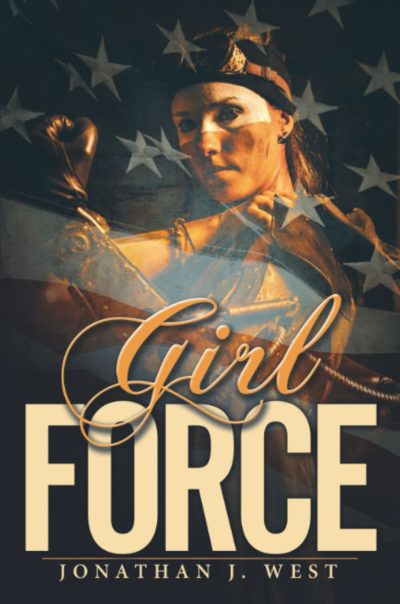 And, yet… Not only did I finish this, I genuinely enjoyed the whole, lunatic experience. I don’t know if the editing got slightly better as the book went on. Maybe I just became used to the style, which flies defiantly in the face of, not just all literary convention, but the basic rules of English. Bizarrely, by the end, I found myself almost appreciative of the stream of consciousness, neo-Joycean approach. It’s better demonstrated by example, than description, so here’s a sample paragraph – neither particularly good nor bad by the book’s standards: