




★★★
“If you only watch one Thai Charlie’s Angels knock-off this year…”
 66% extra free! That’s the major difference here, as five, rather than three, little girls, who get their orders from an unseen “boss” and his faux Bosley, take on a variety of disguises and kick butt, in between romantic dalliances. Of course, with a budget approximately one-eightieth of the Hollywood version, certain economies have to be expected. But there are unexpected bonuses in the lunatic invention department, such as the when the villainous henchmen drops a cage, out of nowhere, onto four of our Angels, only for the fifth to come to their rescue, for no apparent reason either, in a tank. At moments like this, you can only laugh with the film.
The plot is a nonsensical as ever. They are assigned to protect little girl Miki, who knows the location of a pearl worth billions of bahts, which also maintains the balance of the oceans [See! It’s a film with an important message!]. When they fail to do so, they then have to rescue her from the evil Dragon, who intends to sell off the pearl to the highest bidder. He has an army of bumbling minions, the main one of whom is a thoroughly unconvincing transvestite, assisted by a cross-eyed underling whose aim poses more of a threat to anyone but the target. Yeah, the humour goes for all the difficult targets. It’s probably funnier to a Thai audience: one senses from the comic timing there are pauses for laughs where no Western audience will find any.
The action is plentiful, if occasionally wobbly. Ektawatkul, as Pouy-sian (Crown of Thorns), comes across best, as you’d expect from an actual Tae Kwon Do champion, but also doing her own stunts in a car-chase sequence. I did appreciate the editing, which manages to keep things coherent even when there are four or five separate fights going on – The Expendables could learn a lot there. Miki might have the best wire-assisted kung-fu moves; she’s a bit like Hit Girl without the swearing. There’s also a fight scene where the Angels are wearing towels, though this is strictly PG-rated. Like the rest of the film it’s harmless but entertaining fluff, at its best when it parodies the conventions of the genre, e.g. when one of the Angels only fires her gun in ridiculous poses, such as through her legs. While not quite enough to become Undercover Brother, it passes the time painlessly enough.
Dir: Poj Arnon
Star: Jintara Poonlarp, Bongkoj Khongmalai, Supakson Chaimongkol, Kessarin Ektawatkul
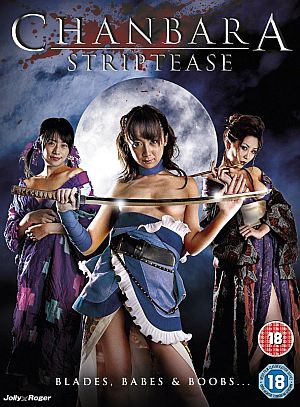 Lili is a devotee of Sayama Hashinryu, a deadly form of swordsmanship passed down from woman to woman. She goes through the initiation rite, which involves being blindfolded and given a drink which knocks her unconscious. She comes to, about three hundred years in the past, in feudal Japan, naked. When she gathers her senses, she rescues a local village-girl from some ninjas, but to cut a long story short, discovers in the process that when Lili exposes her breasts, they emit a pinkish glow, and she becomes far better at swordplay. Turns out the poor villagers are suffering extortion from the evil Lady Okini (Asa), so Lili turns into the Magnificent One [or Magnificent Two, if you know what I mean, and I think you do], while also falling for Hikoichi (Matsuda), the brother of the girl she rescued. However, it turns out that Lili is not the only one in possession of a supernatural bosom; Lady Okini is also so equipped. Battle cleavages are thus drawn…
 This feels more like a mid-season episode of Alias than anything else, and not much more than a filler episode at that. I say this, because so little effort is put into developing the characters, it’s as if the makers reckon everything had already been established in the previous seven installments. And since there
  This 8-woman tournament took place on October 2004 as part of All Pro Wrestling’s Halloween Hell weekend, in in Hayward, California and.was the first under the ‘Chickfight’ banner. If you’re used to the Diva “matches” [quotes used advisedly] put on by the WWE, this will come as a pleasant surprise – it’s closer to the Japanese style, where technical skill is more important than breast implants. Perhaps the most surprising thing is the length of the bouts: rather than being a five-minute distraction, 15 or 20 minutes being not uncommon. The wrestlers come from Mexico and Japan as well as the US, though they really deserve better than both the location, which appears to be a lock-up garage complete with a roll-up door on one side, and the crowd, the bouts taking place in front of an audience that hardly seems to number fifty.
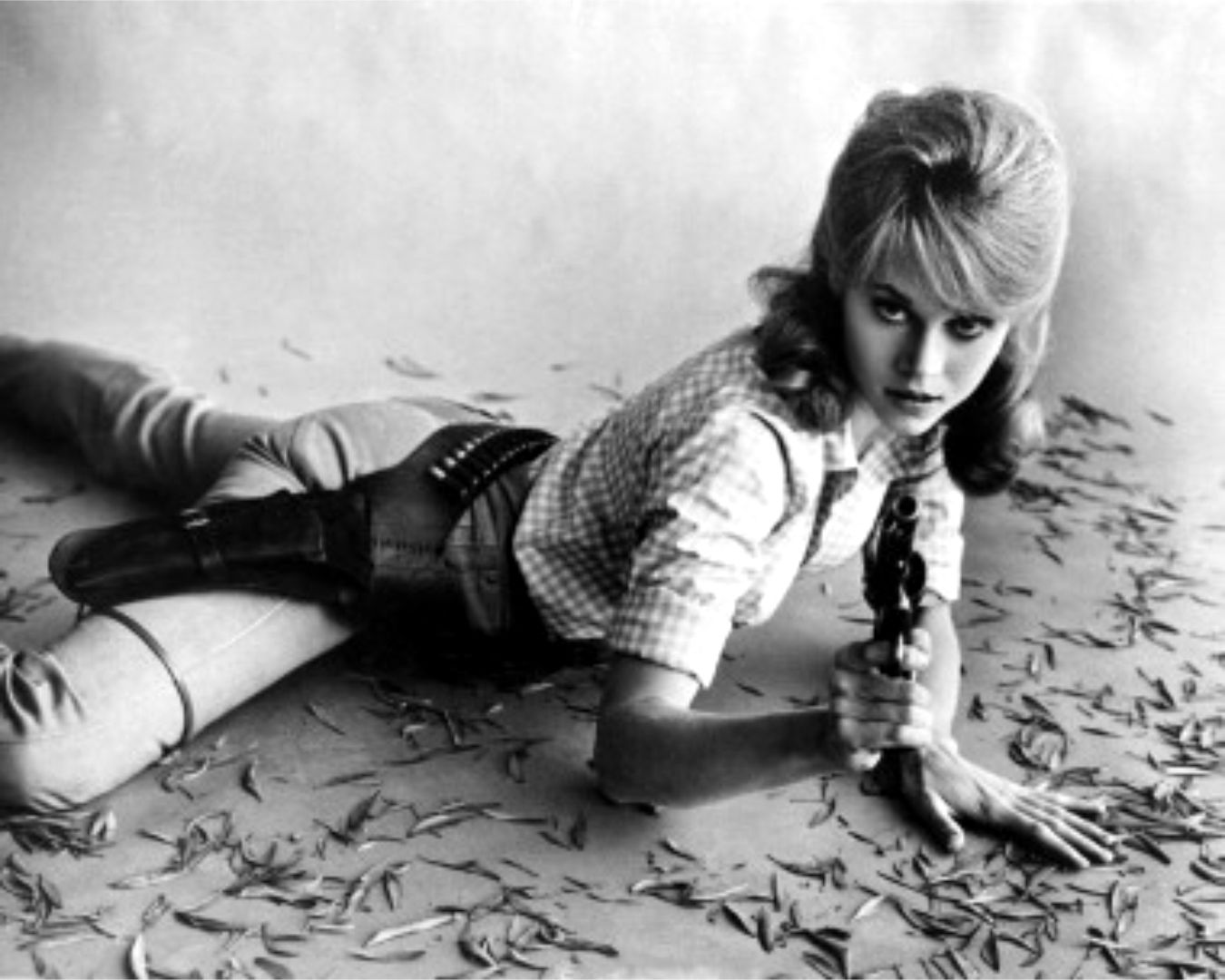
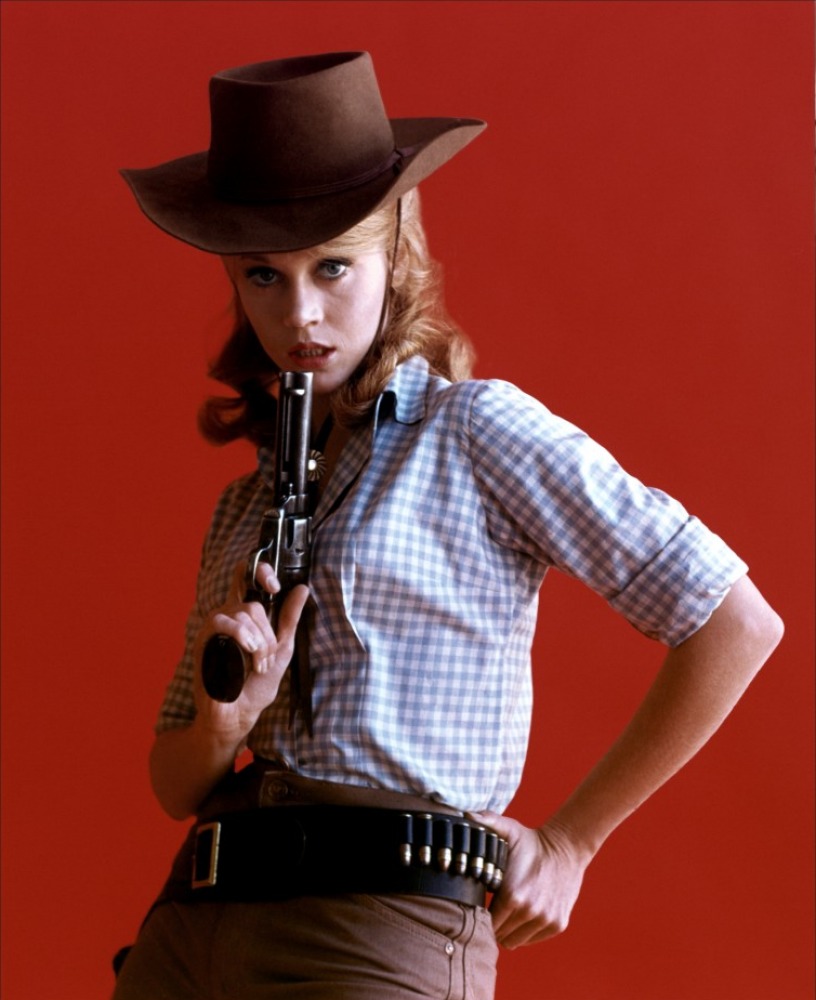
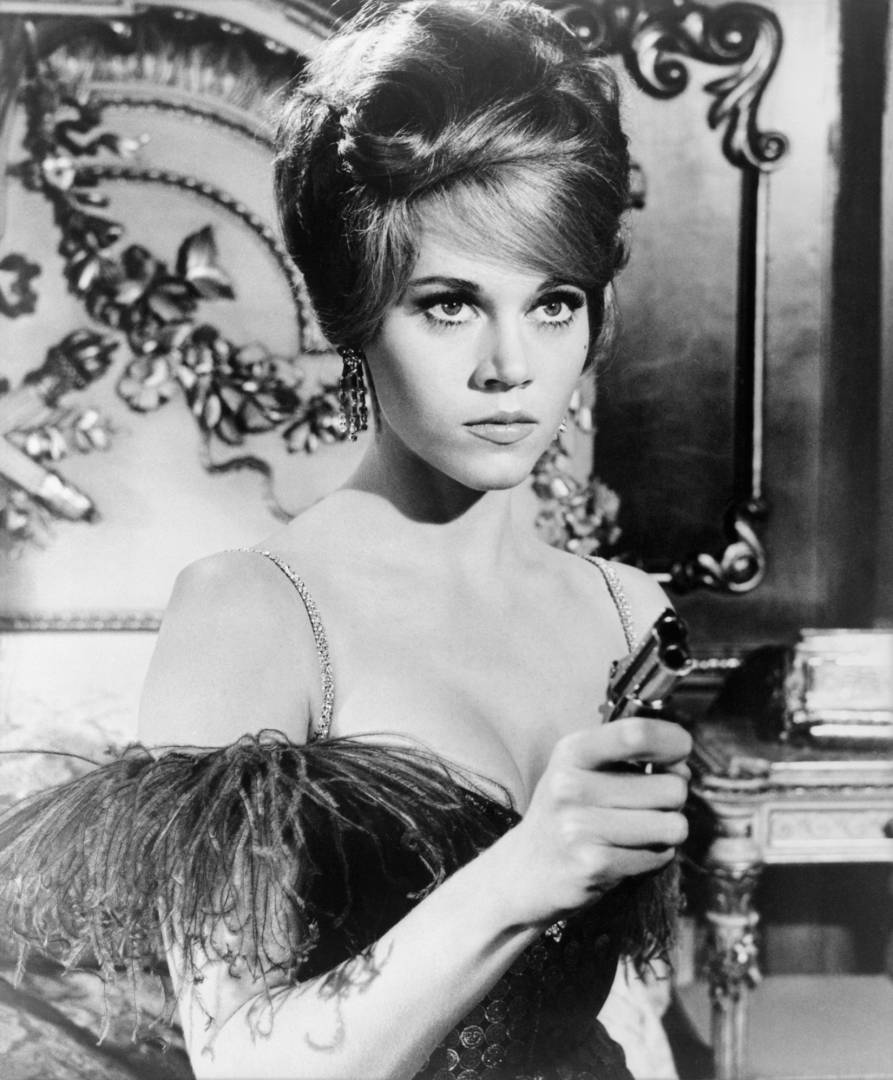
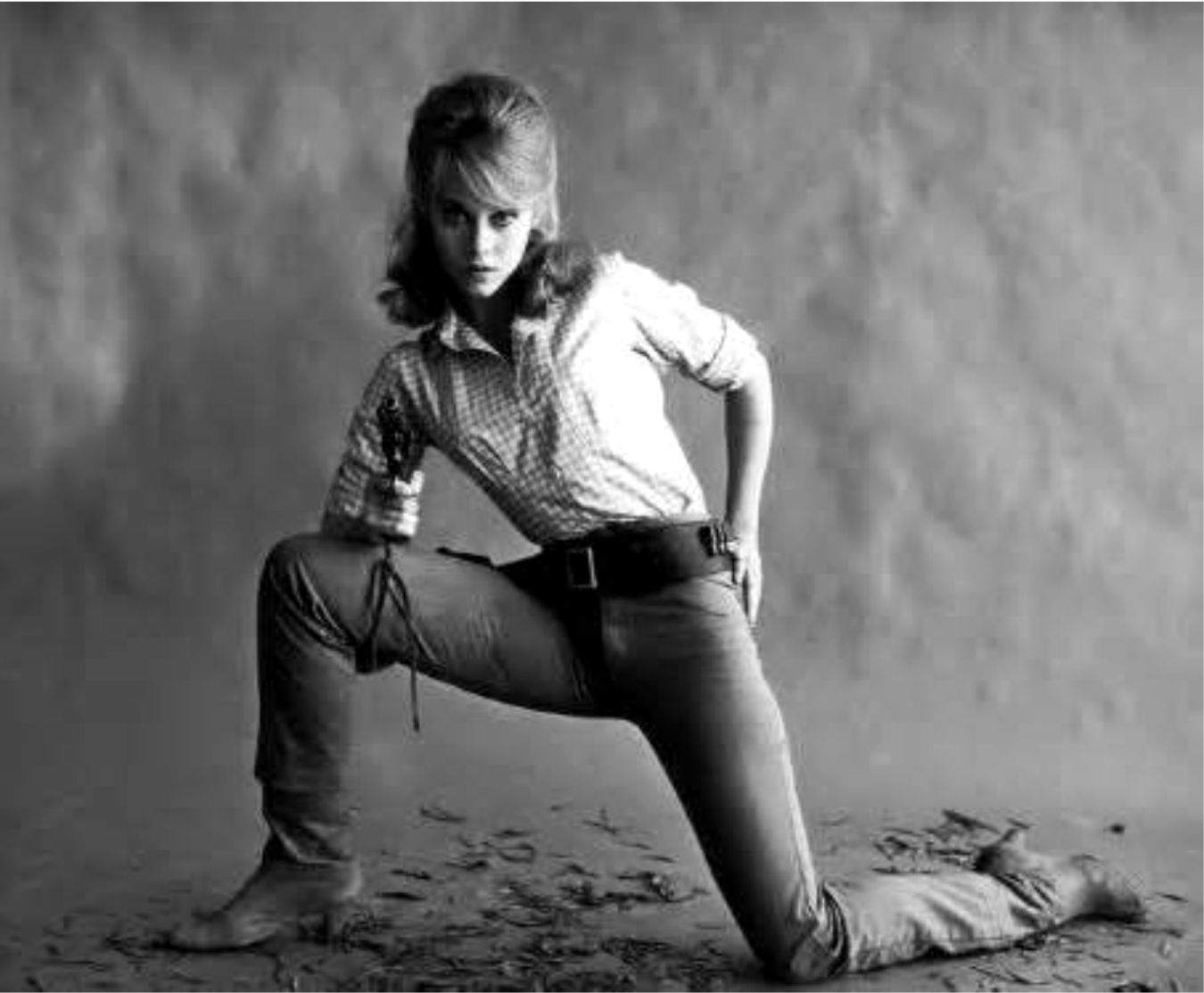
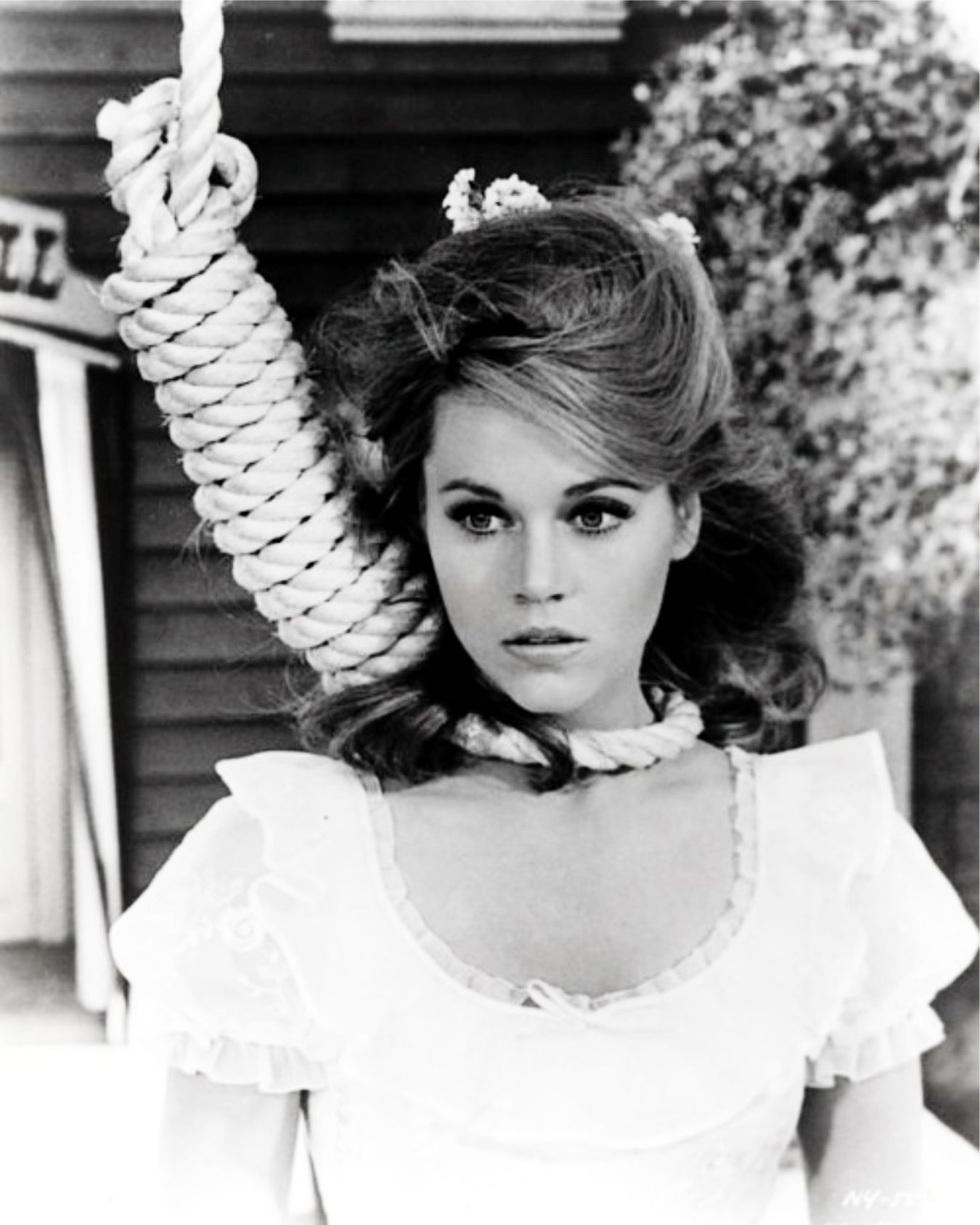
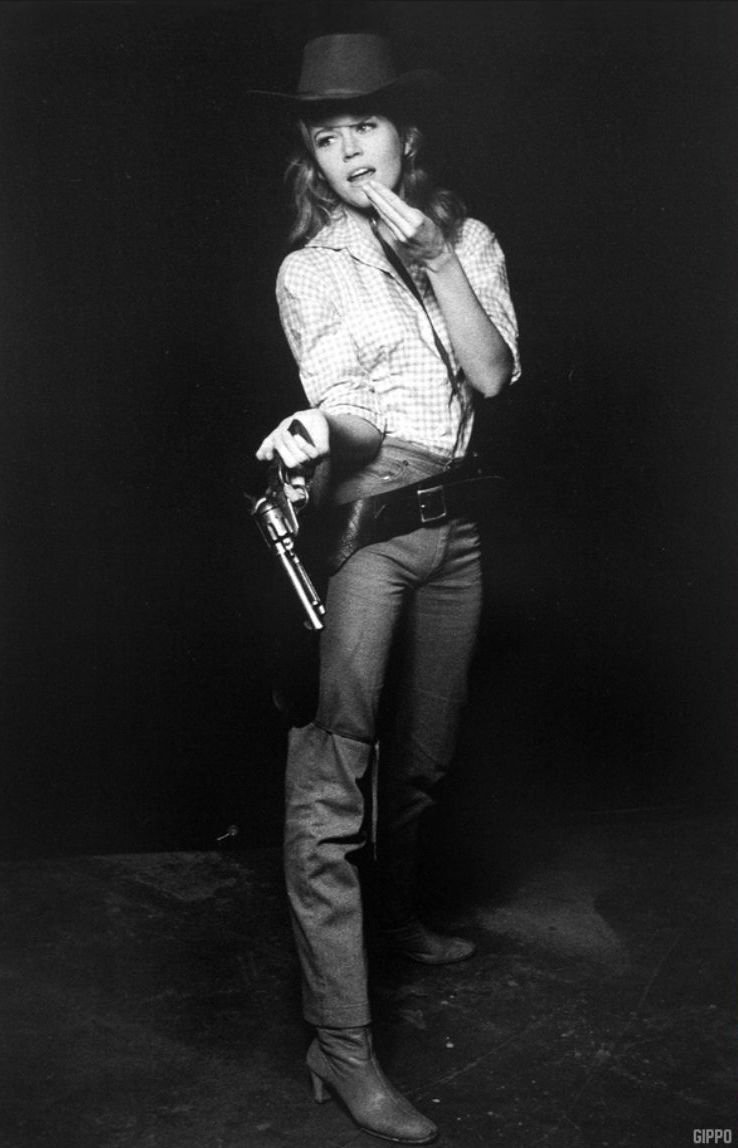
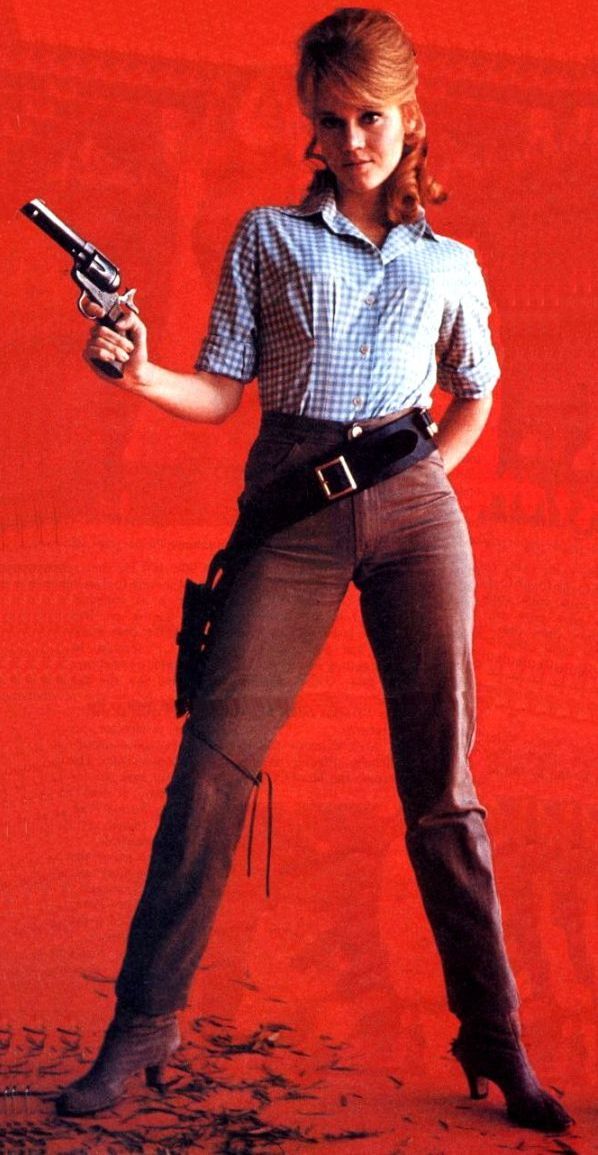
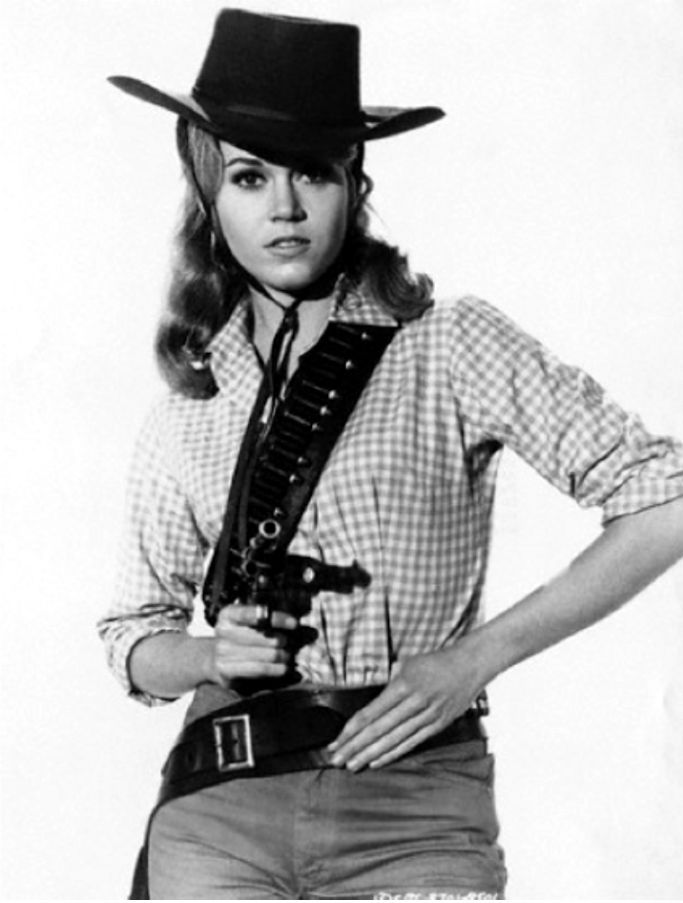
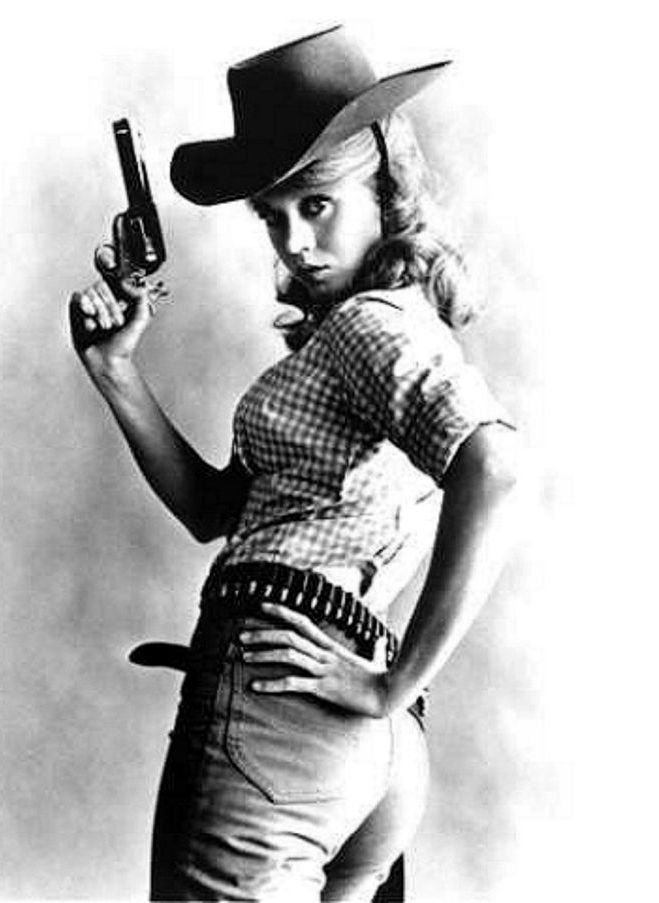
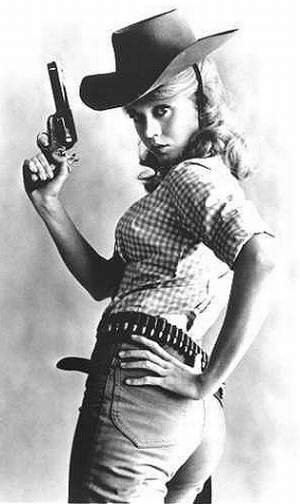 Aspiring teacher Catherine Ballou (Fonda), heads home to see her father in Wyoming, but finds him engaged in a struggle over his land with a land baron, and threatened by the villainous Tim Strawn (Marvin). She sends for legendary gun-fighter Kid Shelleen (also Marvin) to come protect them, only to find he is less legendary gun-fighter, and more alcoholic bum, incapable of saving himself. Strawn shoots Cat’s father and, when justice fails to be served, she heads off to a nearby outlaw town, where she vows to bring the land baron down and take revenge herself.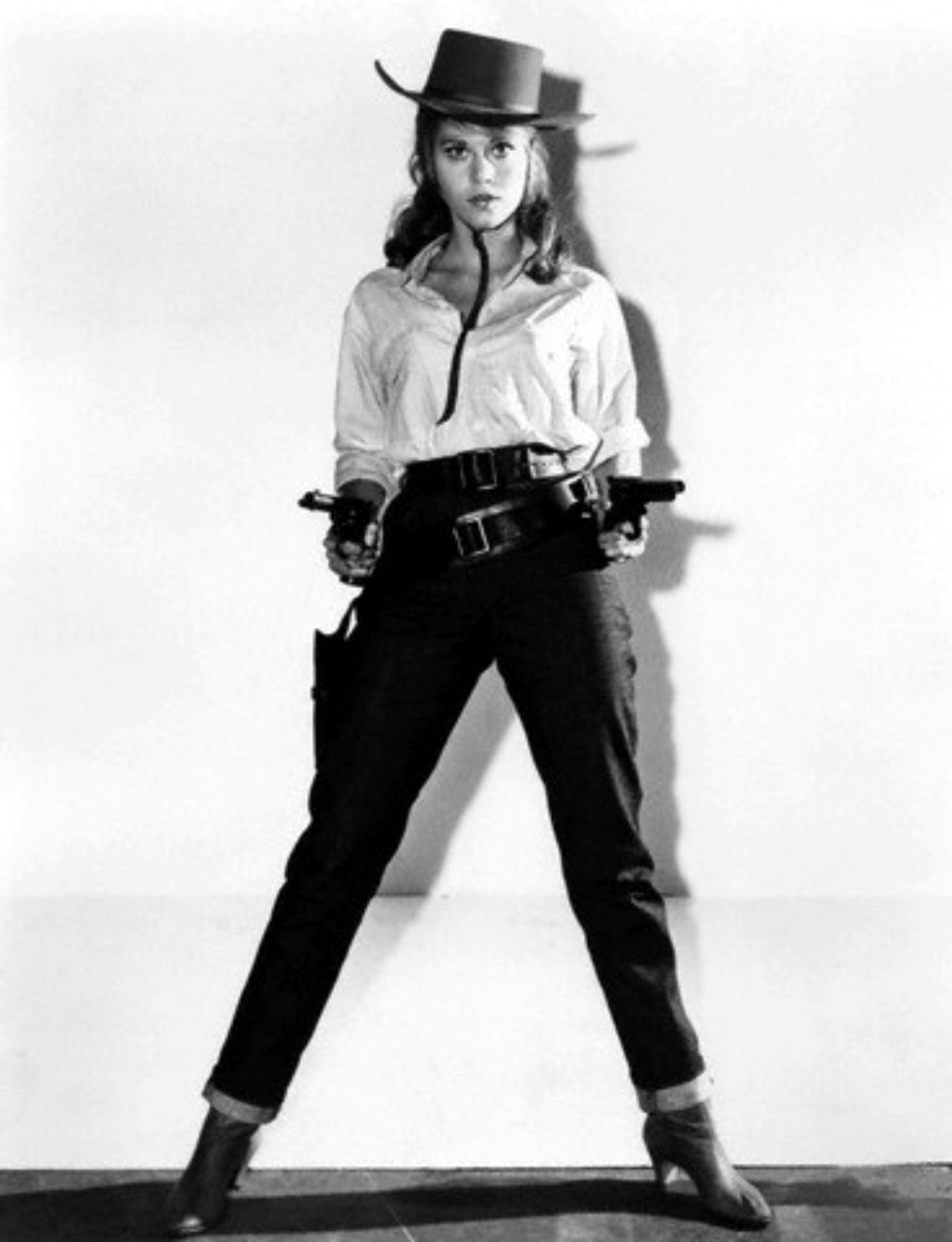
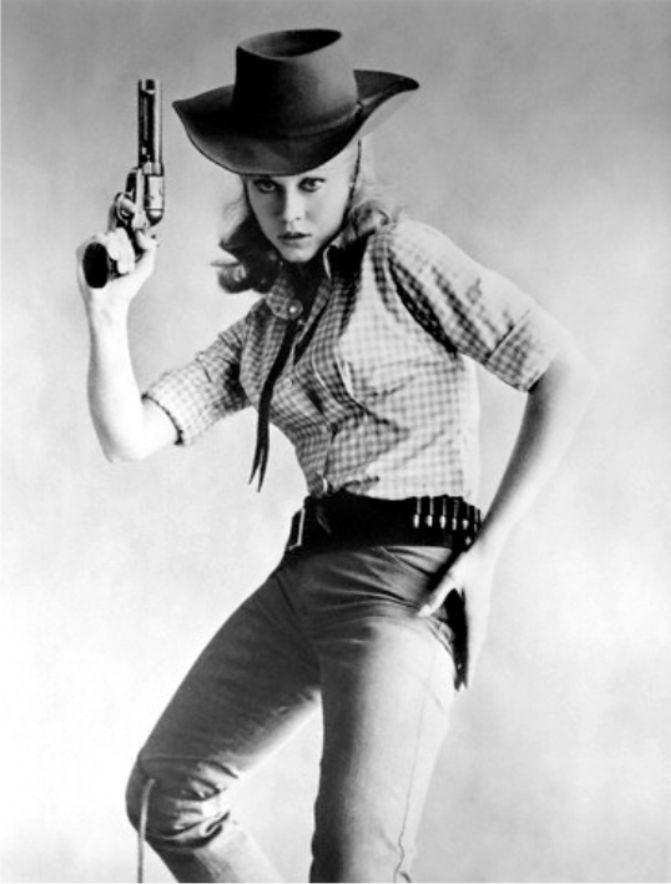

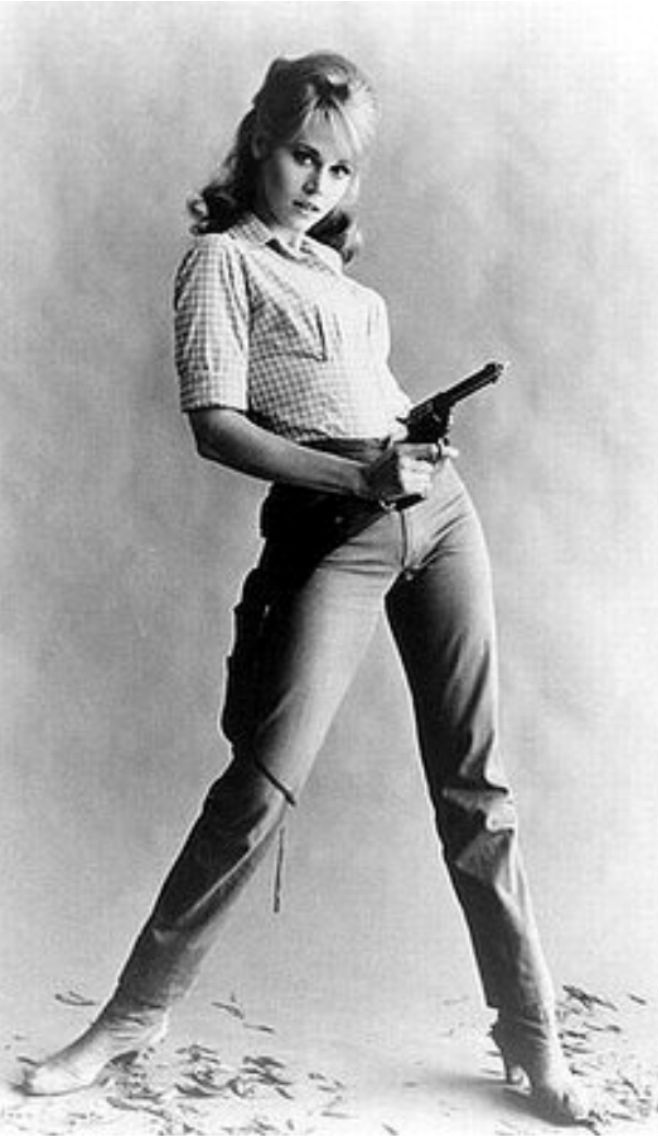
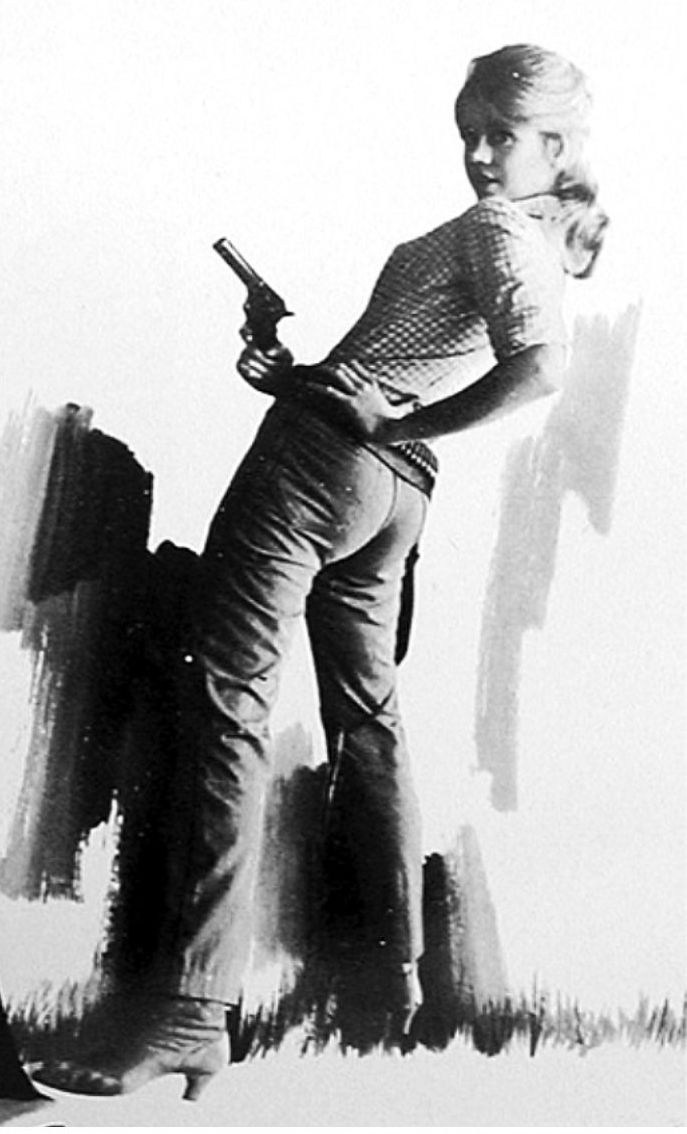
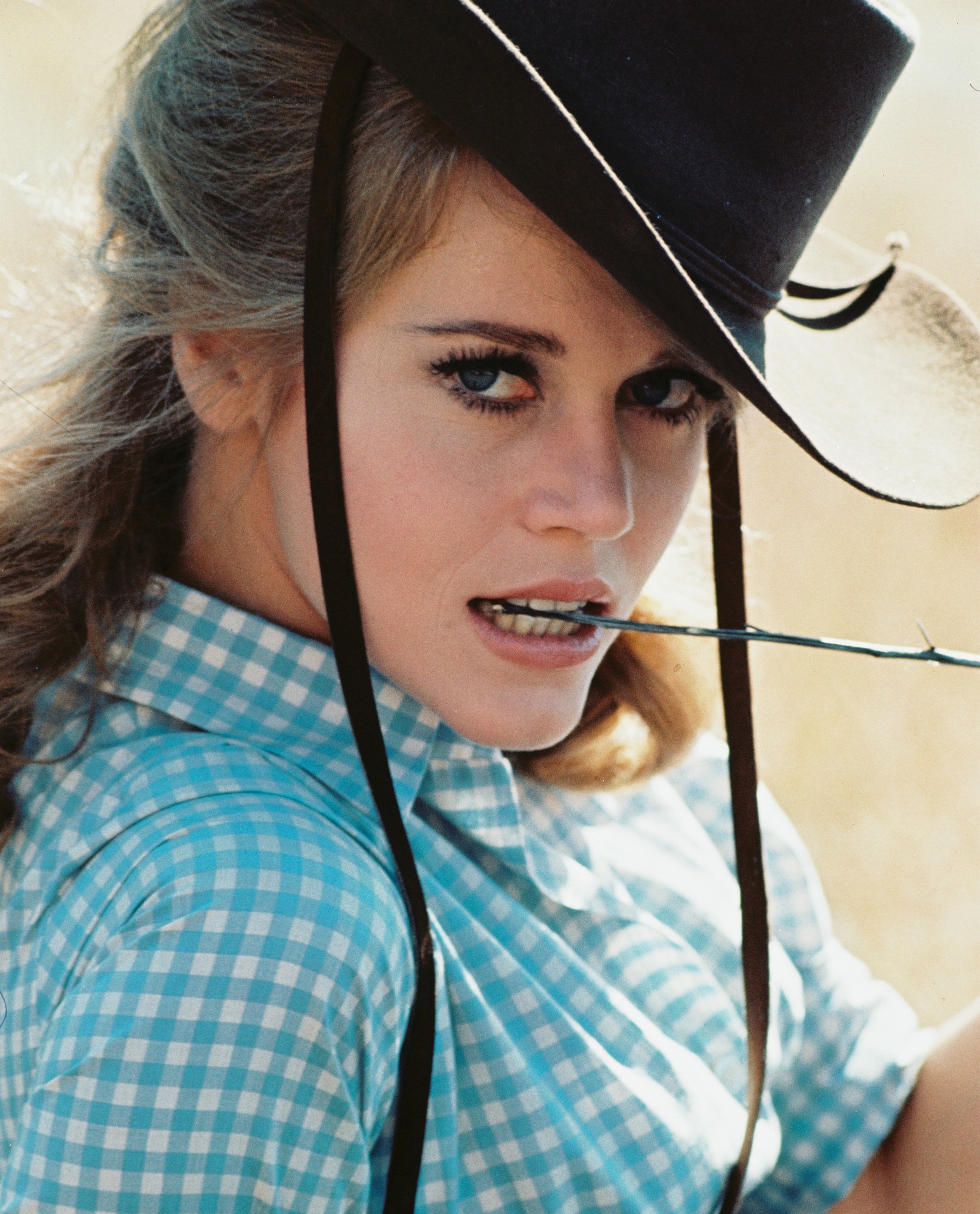
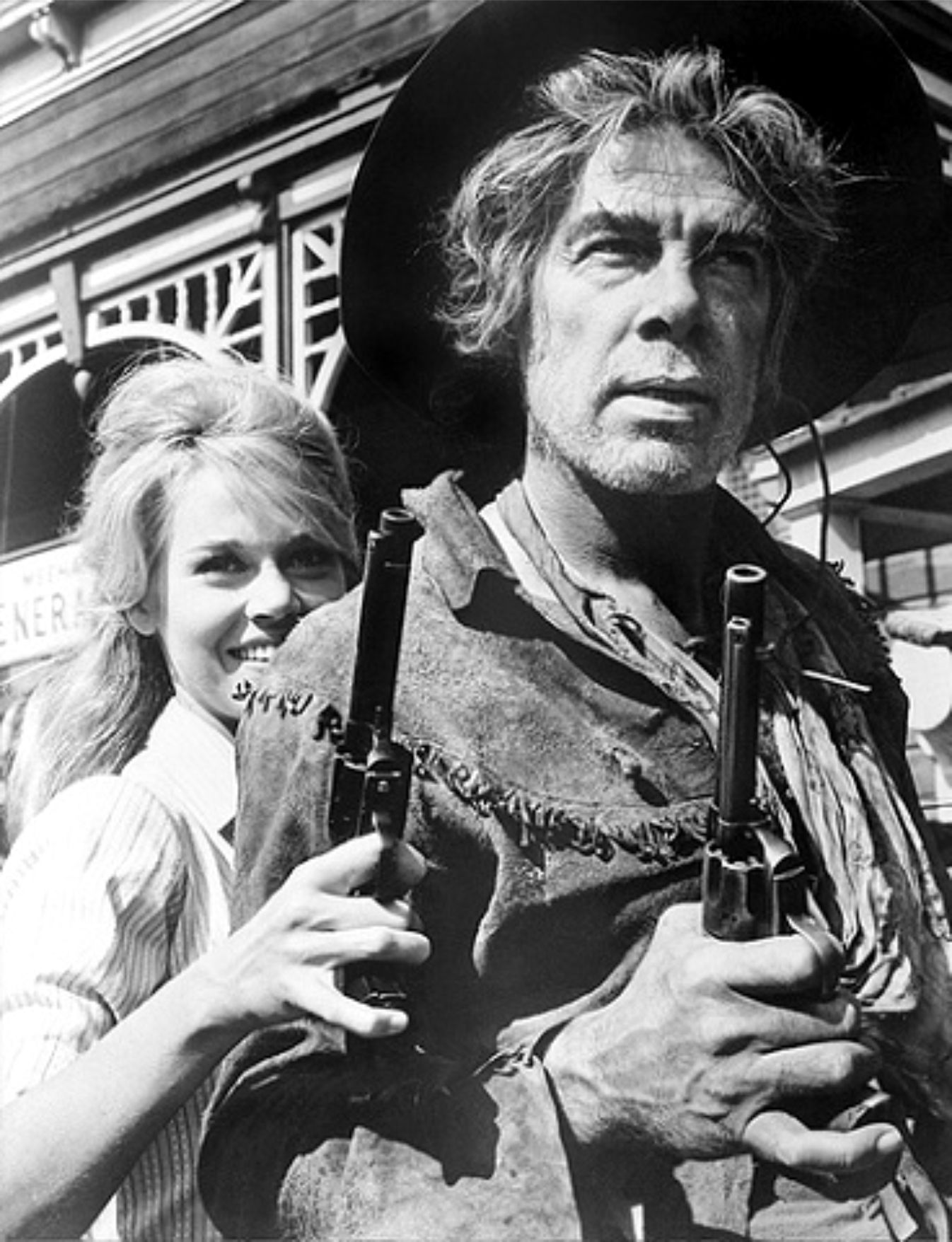
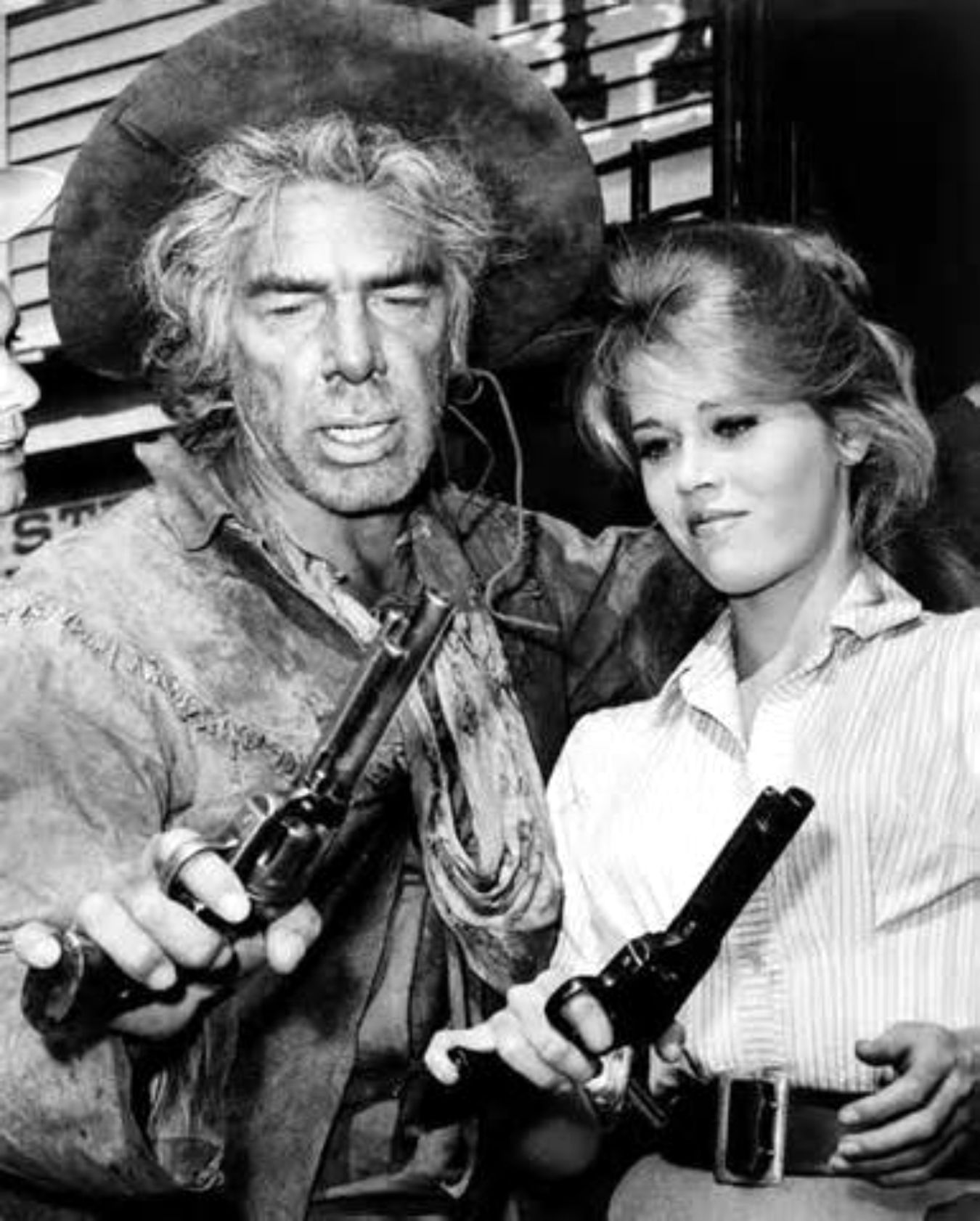
 We couldn’t wait for this one to get an official American release, so off to Ebay we went for a copy of uncertain origin. This was something of a double-edged sword. It means we get to tell you that this is, hands down,
 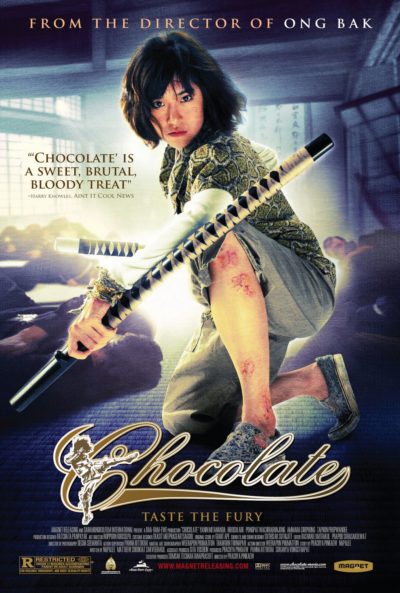 Zen (Vismistananda) is the autistic daughter of a Japanese gangster and a Thai woman (Siripong), who betrayed her local partner, a rival boss (Wachirabunjong), to be with her lover. When her mother gets cancer, it’s up to Zen and a chubby friend (Phobwandee) to collect on debts owed. Fortunately, Zen has a sponge-like ability to learn martial arts, be it from Tony Jaa movies on TV, or the school next door, and proves herself adept at “encouraging,” shall we say, repayments from those who are reluctant to pony up. The bad news is, this attracts the attention of her mother’s former employer, who has not forgotten the past and is unwilling to let matters lie. Which, inevitably, leads to a showdown where Zen takes on an apparently infinite line of henchmen – it’s somewhat reminiscent of Kill Bill, Volume 1, in the same way an earlier ice-house battle reminded me of The Big Boss, However, the final fight, on a series of balconies, is bone-shatteringly unique.
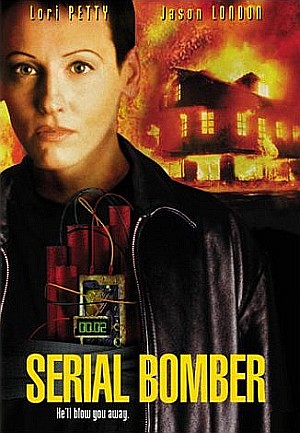 Mad bomber Chris Murdoch (London), is running around Seattle, blowing up Japanese people. FBI agent, Sara Davis (Petty) is part of the team looking into the case, but though they take Murdoch’s Japanese girlfriend (Kawagoe) into custody, Lt Sugimura (Amami) of the Tokyo police sweeps in and demands they release her, so she can be returned home – her father has influence on both sides of the Pacific. Davis won’t let that happen, since the girl is their main hope of catching the bomber; he, needless to say, is none too pleased to find the love of his life in the hands of the police.
 I suppose my main surprise is how pedestrian this was. Action? Hardly anything to speak of at all, despite the credit sequence which shows them training as police officers. The story has them going undercover at a vineyard, whose owner vanished seven years ago, and is about to be declared legally-dead: his ex-wife (Muldaur) and the sleazy foreman will clean up…unless the daughter, also missing, shows up. Of course, the Angels play both a fake daughter (Smith) and the ‘real’ thing (Jackson) – the former is designed to be exposed, in order to get herself involved with the wife and foreman, and reveal what’s going on. Quite cunning, really.
 Perhaps I was expecting too much, after reading reviews that