




★★★½
“While feeling incomplete, still a good primer for young action heroine fans.”
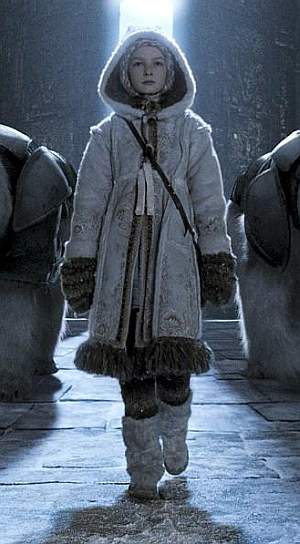 There aren’t that many decent action heroine films for kids: much as I love Bloody Mallory or Kill Bill, they aren’t really child-appropriate. At the other end, films like the Harry Potter or the Narnia series, while containing female characters of some importance, sideline them in favor of the boys. That makes this a refreshing breath of fresh air, in that the heroine is firmly front and center as she goes through her adventures. It’s set in an alternate universe where people’s souls take the form of animals that accompany them everywhere, known as daemons. Childrens’ daemons shapeshift, but adults’ ones are static in form. Things are run by an authoritative group called The Magisterium, but Lord Asriel (Craig) who has found “dust” in a far Northern land, that could challenge the established order – the Magisterium have been kidnapping children for use in human experiments to counter dust. Into this is dropped Asriel’s niece, Lyra Belacqua (Richards), who is given the last golden compass, a device able to answer any question in the right hands. she is about to head North with Mrs. Coulter (Kidman), only to find she has a central role in the kidnapping – as Lyra’s best friend has now vanished, she bravely heads off, initially on her own, to rescue him.
It’s a pretty cool adventure tale, with some stirring sequences and memorable characters – not least the armoured polar-bear (voiced by McKellen), who becomes Lyra’s protector. He doesn’t just sit around drinking Coke, let’s say, though the entirely bloodless nature of the battle sequences lessen the impact significantly, though is likely an inevitable result of the PG-13 certificate. It is satisfyingly full of strong female characters, on both sides: as well as Lyra and Mrs. Coulter, the witch queen Serafina Pekkala kicks almost as much ass as the polar-bear. But the film fails badly to tie up the ends, particularly Lord Asriel, who is kidnapped in the middle and then vanishes, almost without further mention, until a quick reference at the end. Admittedly, while there are decent reasons why – it was intended as the first in a trilogy – we are less concerned here with excuses than actuality. And in actuality, it peters out.
I have to say, I haven’t read the book on which this is based, but opinion generally finds the movie to be ‘dumbed-down’, not least for removing the book’s far greater criticism of religion [the Magisterium is a thinly-disguised version of the Catholic Church]. This is likely inevitable, given the film’s $180m budget, but didn’t stop a campaign to boycott the film – which worked rather better in the US than abroad. It took more than four times its US gross overseas – compare, say, the first Narnia film, where the foreign multiplier was only about 1.5. Its relative failure in America has thrown the sequels into doubt, especially in the current economic climate, and that’s a shame: the world could always use some more heroines, and what you get here is painfully and obviously unfinished. Maybe I’ll go read the books instead.
Dir: Chris Weitz
Star: Dakota Blue Richards, Nicole Kidman, Daniel Craig, Ian McKellen
 Look, I speak as one of the few people on the planet who found the original Bloodrayne other than unwatchable dreck. So when I say that the sequel is a soporific, poorly-constructed, badly-executed waste of time and effort for all concerned, including the viewer – for God’s sake, listen to me. There is simply no rhyme or reason present here, right from the setting which goes from Middle Ages Europe to the Wild West without any credible explanation. Billy the Kids (Ward) is a vampire, kidnapping the local kids, in some kind of half-baked plot device that makes no sense, involving him waiting for the railroad to reach town, to spread his curse. I guess going to a town that already
 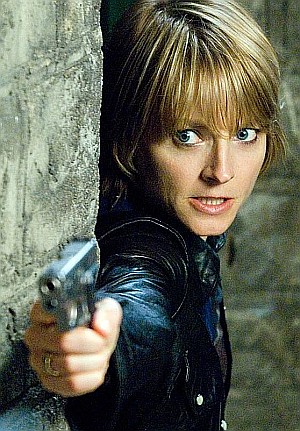 Erica (Foster) has a very comfortable life: nice job as a radio host, imminent marriage to a doctor. This is suddenly destroyed in minutes, when she and her fiance (Andrews) are brutally attacked: he is killed, and she is left a nervous wreck, who sees a threat in every shadow on the city streets. A move to Kansas, while probably better for all concerned, would not be so cinematically or narratively interesting: instead, she buys a black-market gun for protection. A chance encounter on the subway unleashes her inner Bernhard Goetz and before you know it, she’s sweeping the scum off the streets, up to and including the crime lord whom even Detective Mercer (Howard) cannot touch, while simultaneously documenting the city’s reaction to her exploits on the airwaves. This brings her into contact with Mercer, since he is also investigating the vigilante slayings; his suspicions in this area gradually turn towards his new friend.
 Let’s start off by giving us a heroine who is dying, thanks to an inoperable brain tumour. Way to bring me down, Juncture: what do you think this is? DamesWithDiseases.com? The Hallmark channel is tha…oh, hang on. She’s following a child-porn purchaser back to his house, and guns him down? Hmmm. This is clearly not your everyday Illness of the Week flick. For Anna Carter (Blackport) has decided to go out with a bang: several of them, in fact. Realising she only has a short time to live, she decides to extend her day-job as the co-ordinator for a charitable foundation, and correct the failings of a justice system: neglectful mothers, drunk drivers, selfish CEOs, they’re all likely to meet impeccably-dressed vengeance.
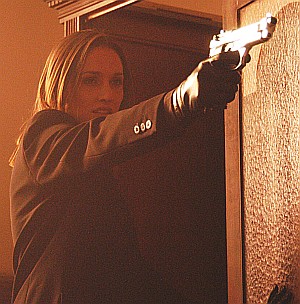 Still, there’s a great deal to admire here, with every penny being squeezed out of the budget. Particular kudos to cinematographer Richard Lerner and composer Neal Acree, whose efforts enhance proceedings significantly – the results look to be the product of a significantly-higher budget, than the rumoured million dollars. It leaves you questioning what you would do in the same situation: follow Queen Latifah off on a Last Holiday, or head for the dark side, as Anna does here, with a mission for what you perceive as the ‘greater good’? Certainly more thought-provoking than usual, it’s intended as the first part on a trilogy, though stands fairly well on its own, I would be very interested to see how things proceed from here, as Anna heads towards closure, both personal and medical.
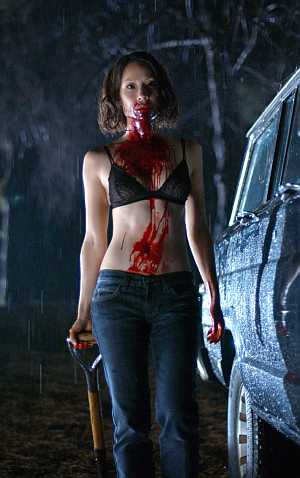 The main obstacle to this even reaching average is probably a first-half structure that is, for no readily apparent season, entirely fractured. Scenes appear entirely out of order, with no explanation: why is our heroine now waking up in a morgue? And the problem is, what the film has to offer is so pedestrian, you can’t be bothered to start putting the pieces together. Liu plays Sadie Blake, a journalist investigating the shady underground side of goth culture, who ends up finding a clan of vampires are on top of the food chain, just before becoming one of their victims. However, instead of taking her undeath lying down, she vows revenge and, accompanied by a rogue cop (Chiklis, you’ll not be surprised to learn), begins working her way up said food-chain.
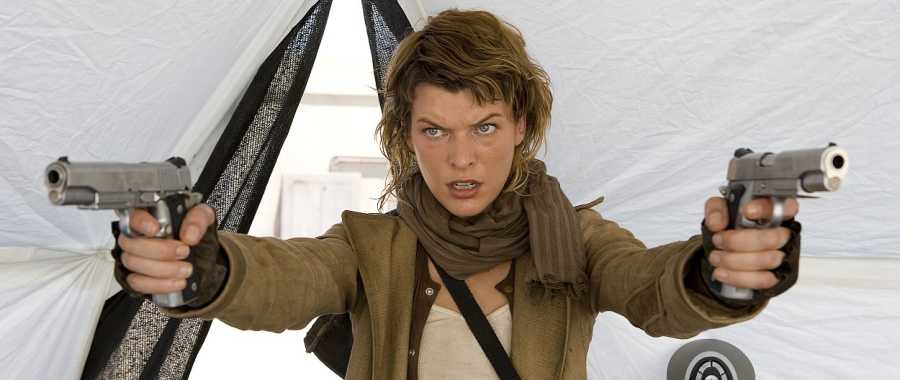 ★★★
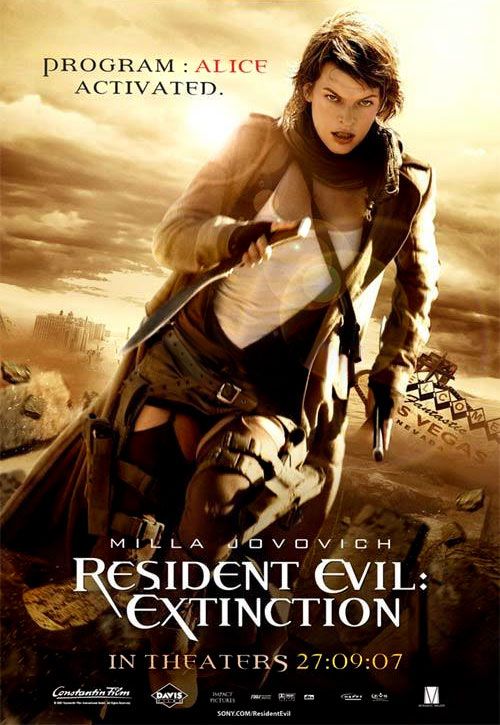
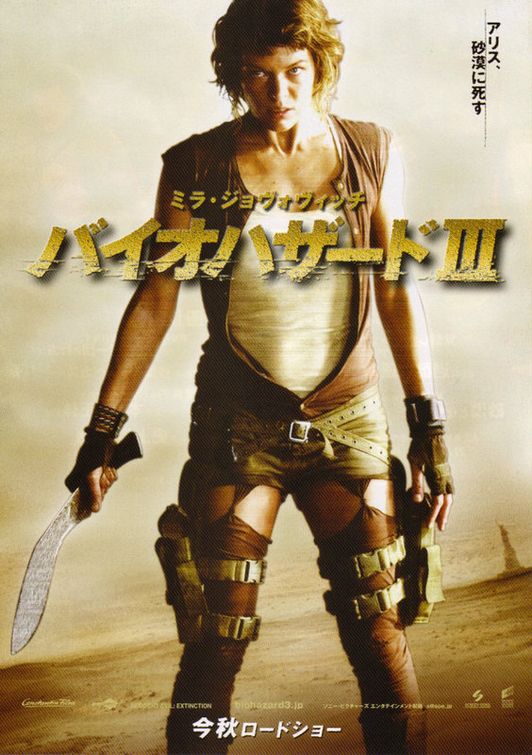
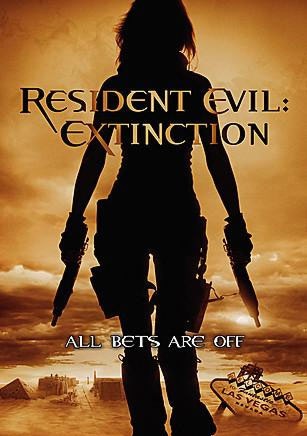
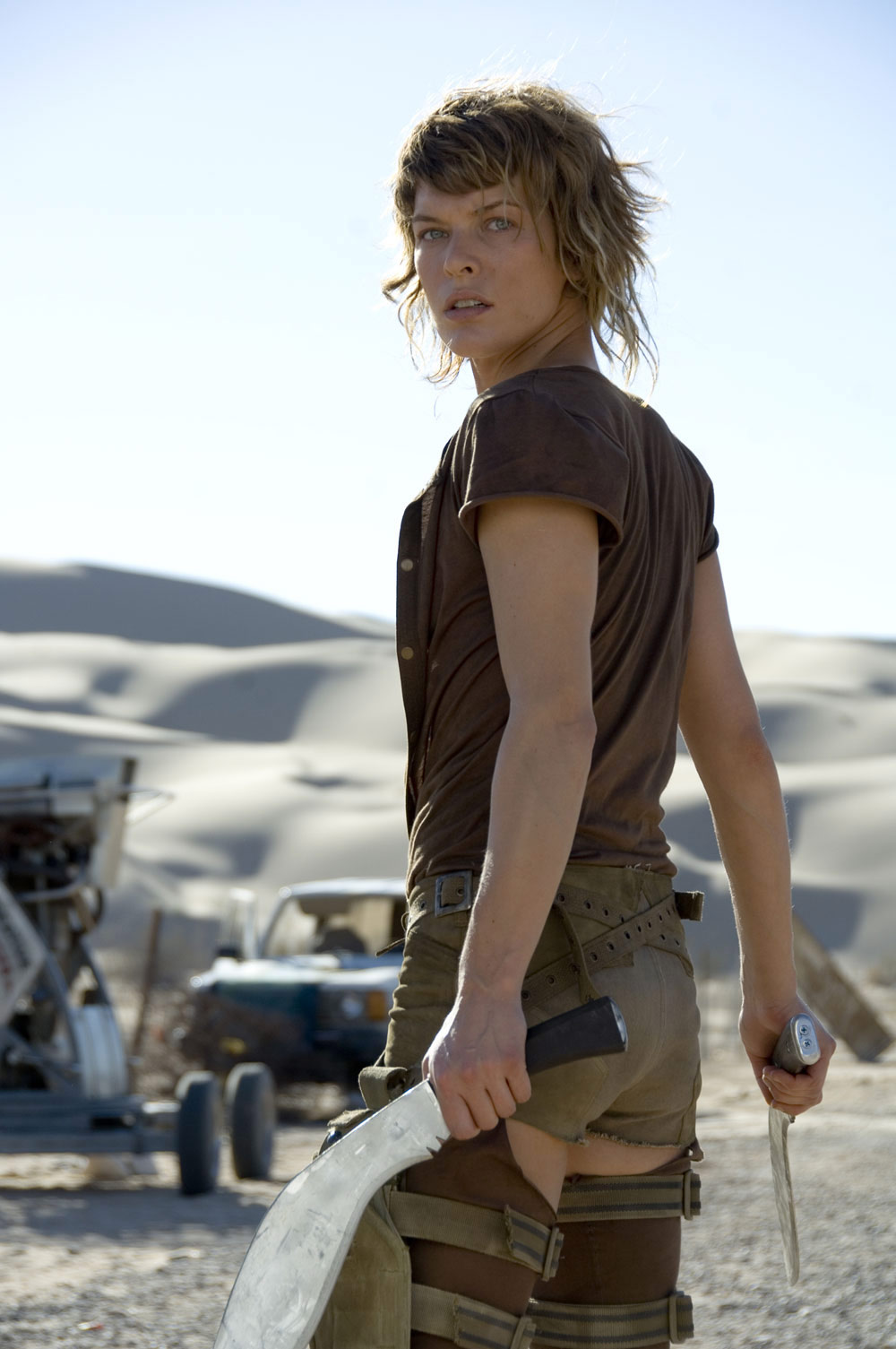
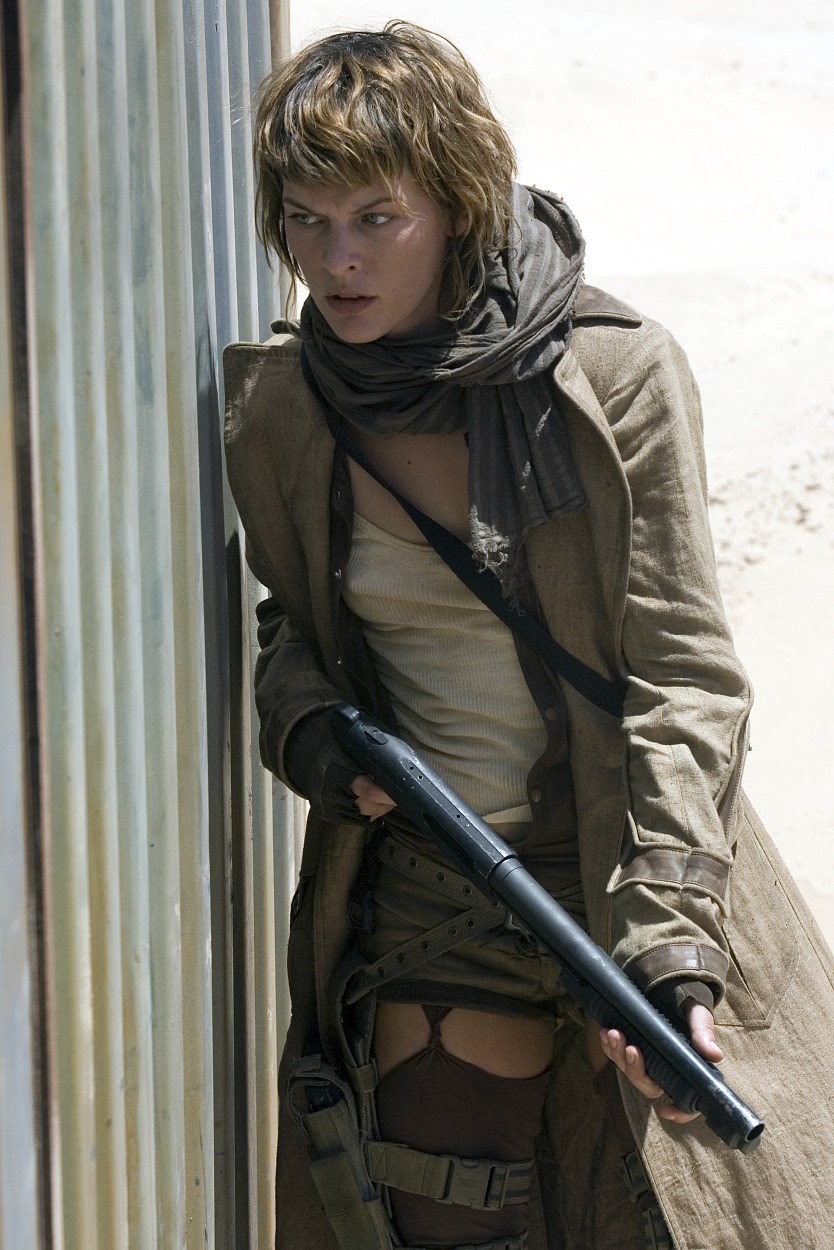
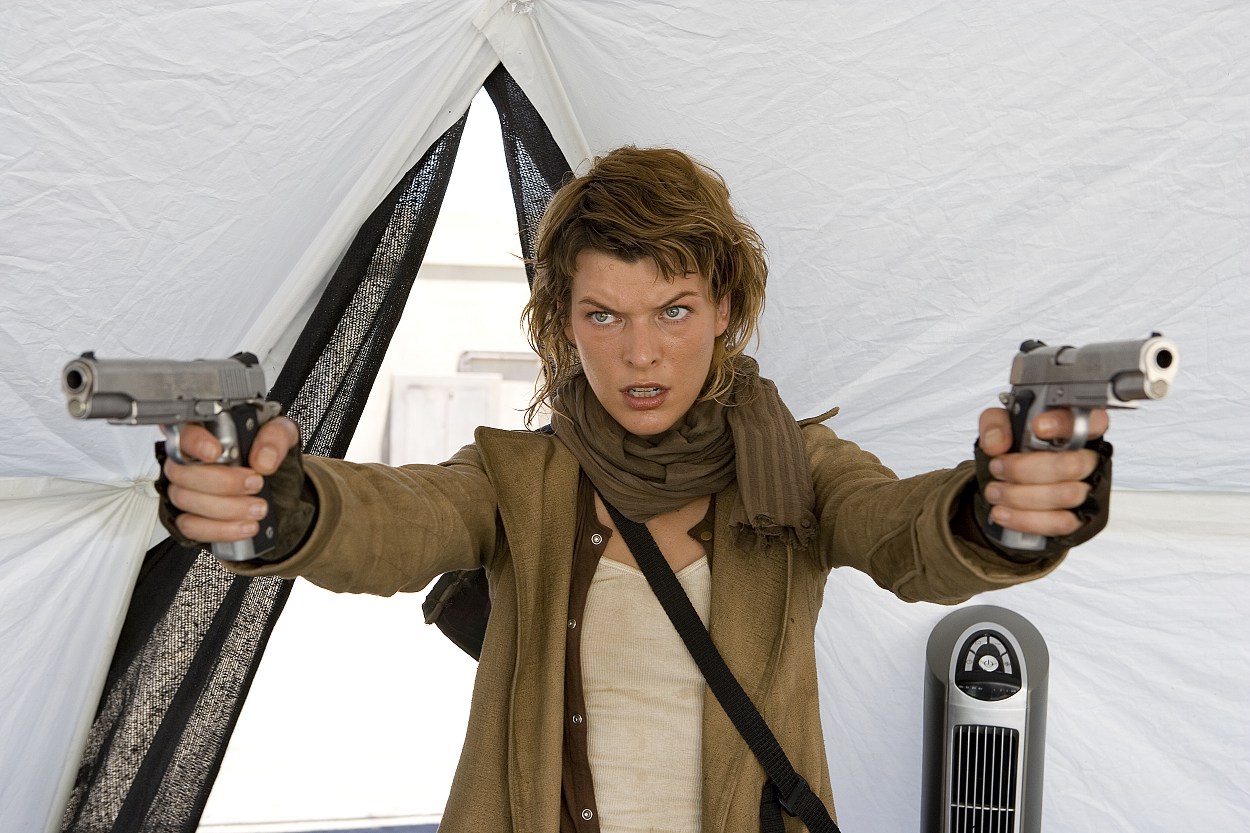
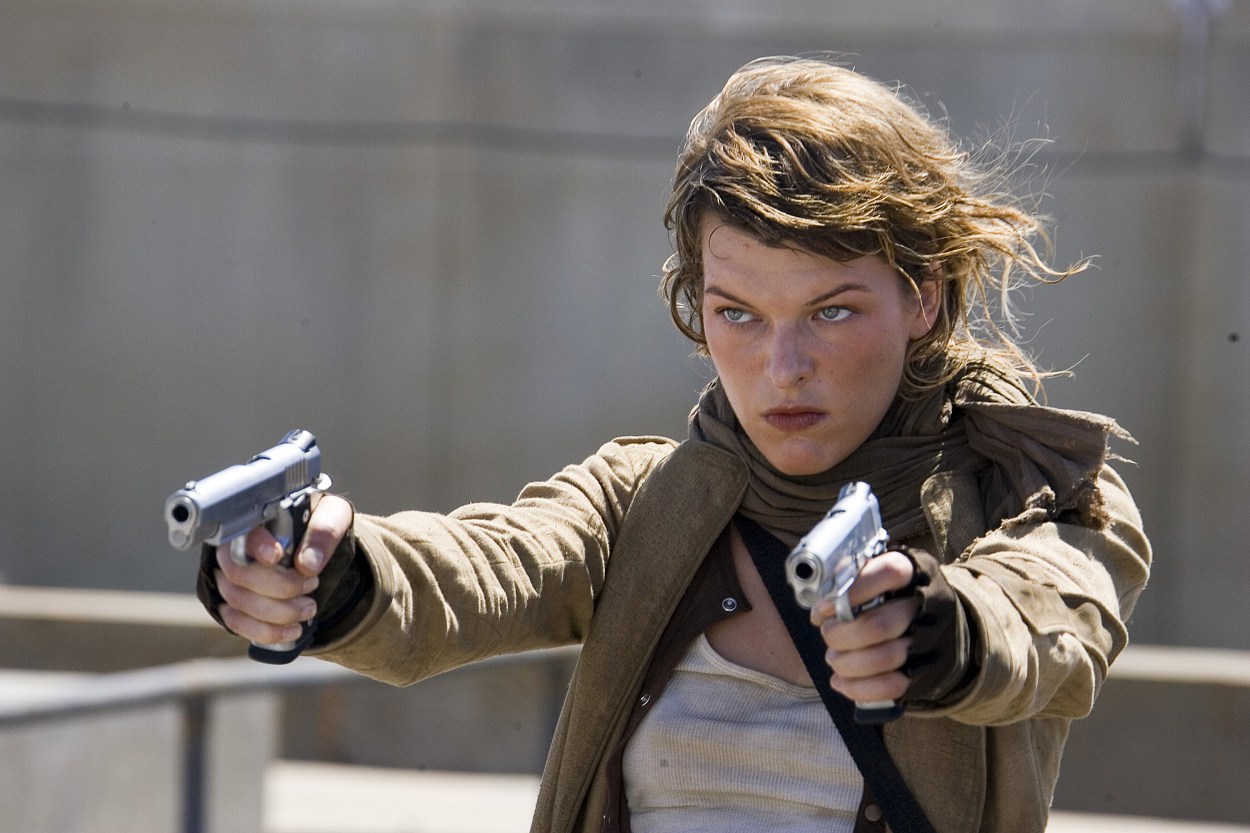
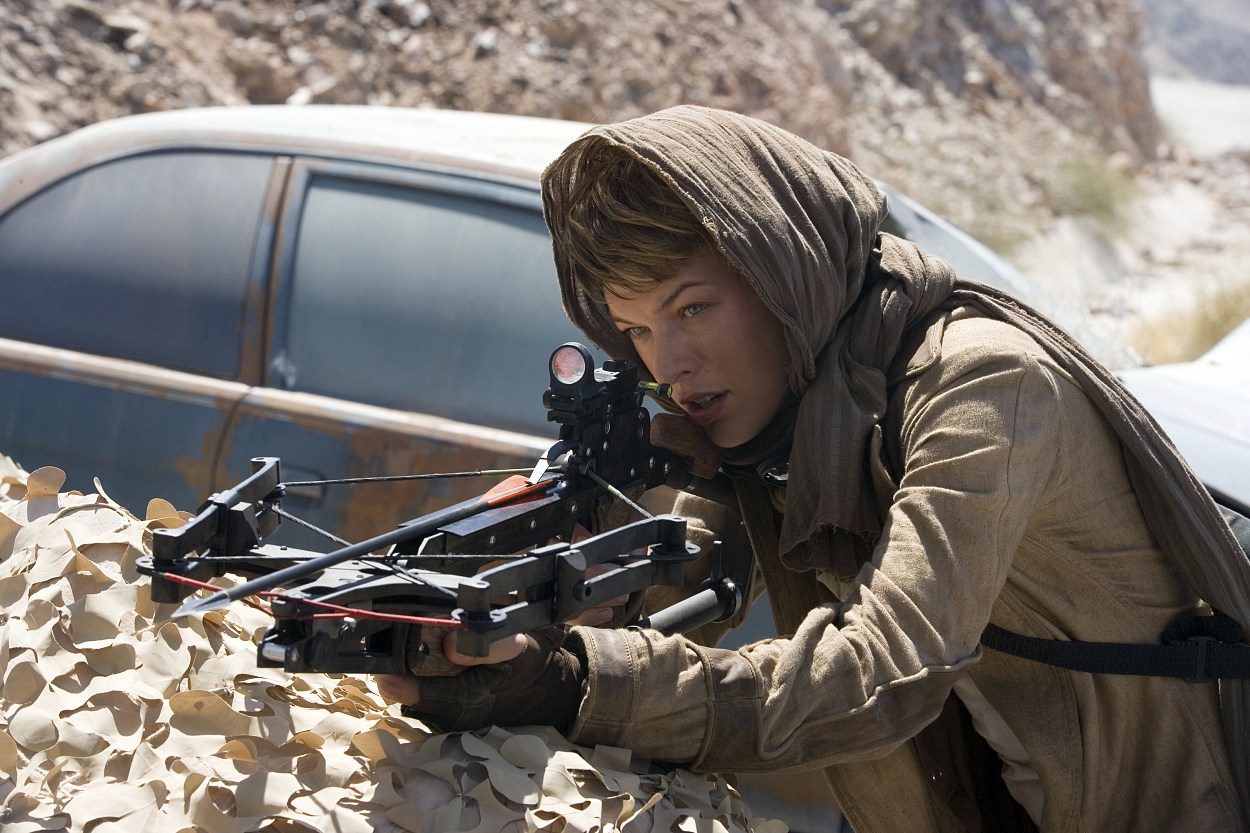
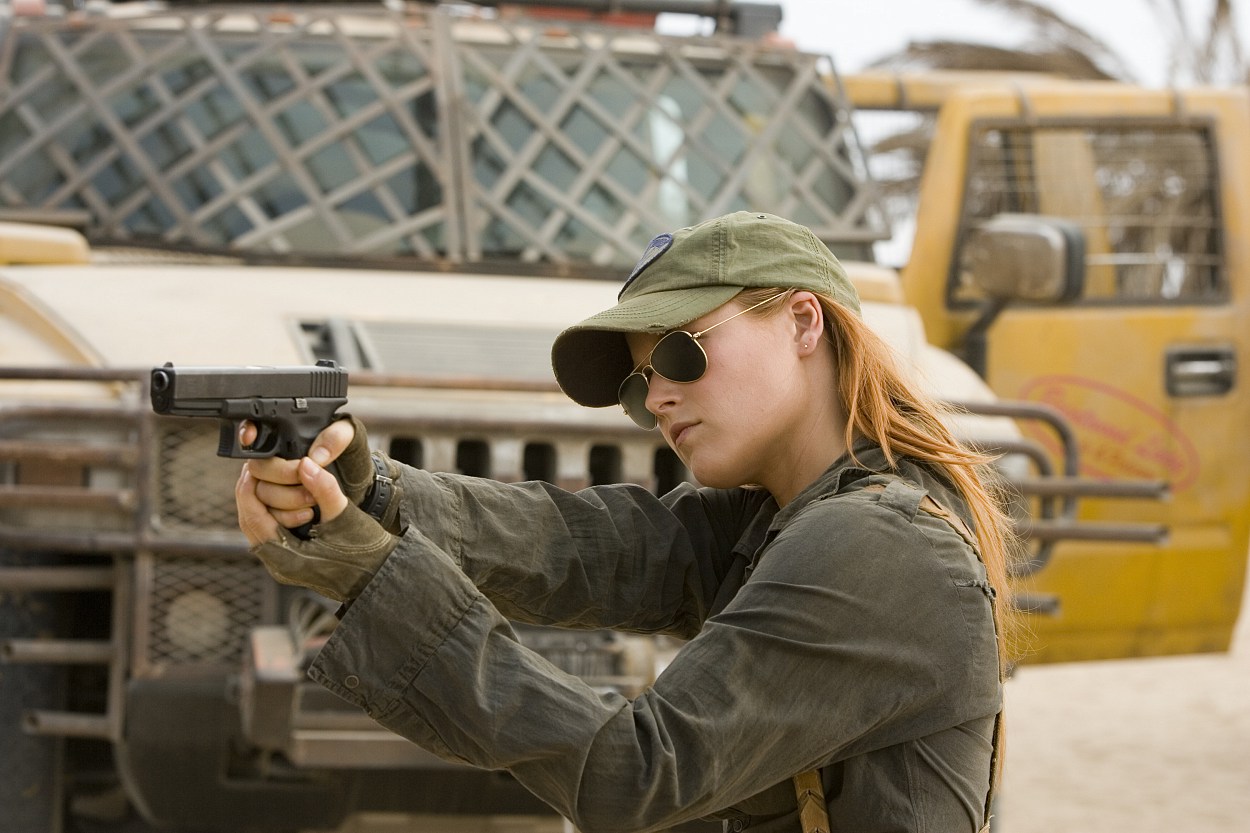
★★★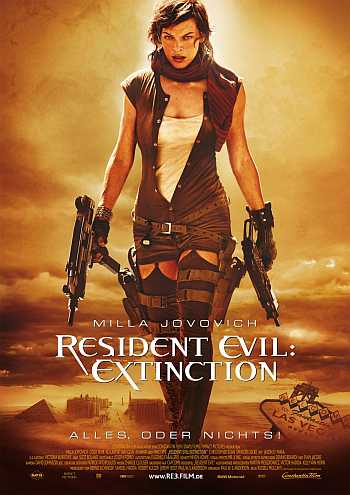 Has it really been three years since the last installment? Guess so. Therefore, about time for the most durable of the video-game to movie franchises, to pop up with another entry. Things continue to go from bad to worse as far as Planet Earth is concerned, with the T-virus, which spread from the complex to Raccoon City last time, now infecting the entire world. A few survivors roam the wastelands, such as in a convoy led by Claire Redfield (Larter), unable to stay in one place too long, because the zombies will locate them. Meanwhile, Dr. Isaacs (Glen) is working on reversing the virus, or at least making the zombies docile – though his approach to scientific teamwork leaves a little to be desired, shall we say. He also has a pit where he disposes of his raw material, an aspect that reminded me of the original Aeon Flux short films.
 The main problem, I feel, is that giving Alice mental powers detracts from the physical side of action, which has always been a major part of this series’s appeal: watching Jovovich kick zombie butt. The Las Vegas battle is unquestionably the highlight of the film as far as that goes, with Alice adopting a no-nonsense, slice-and-dice approach, that’s a gleeful joy to watch. After it, however, things go somewhat wonky: the entire Redfield subplot is airily waved away, and then there’s the inevitable boss level fight – this time against the Tyrant [if you’ve played the games, you probably know what that is, which puts you one-up on me], a somewhat rubbery, tenticular beast that is not among Patrick Tatopoulos’s best work.
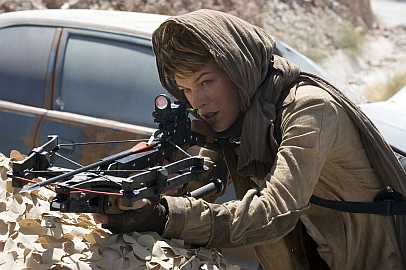
 Things do perk up at the very end. As in the first two films, there’s a grand final shot, which leaves you eagerly anticipating the next part – in this case, presumably called Resident Evil: Globapocarnarmagediediedie. Certainly, I wouldn’t be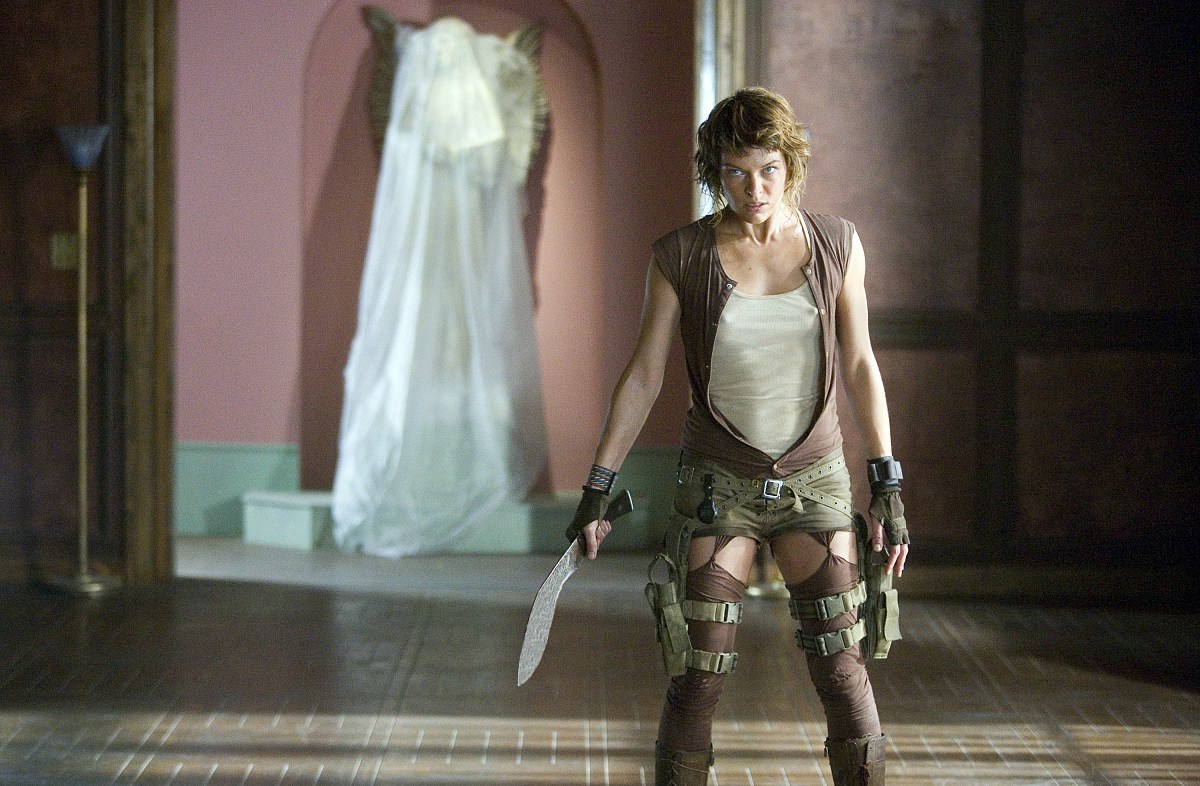

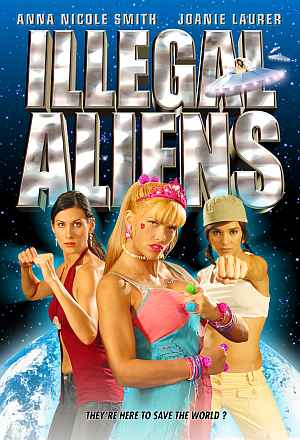 Okay, her swansong won’t be up there with James Dean’s or Bruce Lee’s, but this does at least sense its own idiocy, rendering the movie somewhat bullet-proof, critically speaking. It’s supposed to be dumb, wildly implausible and hideously over-acted. So condemning it for these flaws is complaining because your hotdog tastes of meat. A trio of shape-shifting aliens land on Earth to protect it from the scum of the universe. Thanks to their first encounter with our culture coming in the shape of a porno mag, they opt for the form of attractive women. Two end up getting jobs as FX/stunt people in Hollywood – a sadly underexplored angle – while the third is…Anna Nicole Smith. Then their nemesis (Laurer, the actress formerly known as Chyna) turns up, taking over the body of a mobster’s wife, and prepares to bring about the end of the world. Can she be stopped?
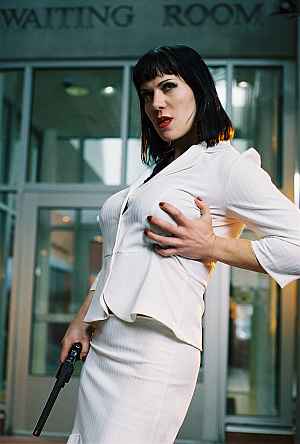 There’s no doubt this film is, if not cashing in on her death, certainly shrugging its shoulders and taking advantage of an unfortunate situation. I don’t really blame them for that, even if anyone looking for skin will be wasting their time here. In sharp contrast to her previous, ah, body of work, AN’s clothes remain on; as exploitation goes, this is tame and restrained. And that may be the main problem: a failure by the makers to decide which way to go. SF/action or all-out comedy? There’s enough of each to suggest, with greater commitment, either might have worked better. Instead, it comes off as somewhat lukewarm – can’t say we were ever bored, yet I can’t say I was ever more than mildly amused.
 Grindhouse harkens back to an earlier time, when the only way to see cult or obscure movies was at your local fleabag cinema or drive-in. There was an entire industry of low-budget studios, like AIP, set up to create product for these outlets: knowing they couldn’t hope to compete in the areas of stars or general quality, they resorted instead to the old stand-bys of sex and violence. They flourished, roughly from the sixties to the end of the seventies, but the steady rise of home-entertainment media spelt their death-knell – at least as far as theatrical releases went. However, their films were an influence on many film-makers, and some of them have teamed up to bring you this love-letter to the genre, of the sort probably not seen for a couple of decades.
 There’s a fine sense of escalation, from the relatively-subdued opening, through to the insane climax, in which Cherry – now fitted with an automatic weapon in place of a limb which was torn off her during an earlier attack – takes on an entire army of the undead. Ludicrous? Over-the-top? Nonsensical? Hell, yes. Wouldn’t have it any other way. About the only weakness is a tendency to go overboard with the trappings of grindhouse flicks, such as missing reels, scratched film, etc. far beyond the point at which it’s amusing. We get it. I said, we get it. Thank you. Fortunately, the DVD should have the “restored” i.e. un-screwed with version.
 This section has the usual problem of Tarantino movies: he’s in love with his own dialogue, especially during an immensely-talky first half. And making the problem worse, the words never seem like they’re coming out of the characters’ mouths, but it is all too easy to imagine Quentin Tarantino saying them. Self-indulgent, meaningless drivel, full of pop culture references, he believes will make you think, “How clever!” – unfortunately, the result is closer to “What a poser!” This gets old really quickly, and when things get going in the second half, it’s a blessed relief. If you need to use the bathroom, quite likely in a 195-minute event like this, early on in Death Proof is definitely the time. You won’t be missing anything at all, and I suspect it might have been better if the two directors here had swapped scripts.