



★★
“As if Stanley Kubrick had directed a Carry On film.”
 I’d probably better start of by explaining the above tagline, Chabrol was one of the leading lights of the French ‘New Wave’ cinema, alongside the likes of Truffaut and Godard: I’ve enjoyed the films of his I’ve seen, mostly later works such as L’Enfer or La Fille coupée en deux. But in the mid-60’s, he basically sold out, churning out a number of light spy spoofs. Regarding another of his works around this time, he said, “I really wanted to get the full extent of the drivel. They were drivel, so OK, lets get into it up to our necks.” It’s easy to see what he meant, for Marie-Chantal is undeniable drivel, though lacks the necessary enthusiasm to overcome those limitations. Through a chance encounter on a train, the titular heroine (Laforet) is given a piece of jewellery by a stranger. That makes her the target for spies from Russia and America, as she travels from the Alps to Morocco, and also the minions of evil overlord Dr. Kha (Tamiroff), for it holds the secret to a weapon of potential global destruction, that everyone wants to acquire.
I was hoping for something along the same lines as Modesty Blaise – preferably the books rather than the wan cinematic adaptation which would appear the following year – but this struggled even to reach the low standards of the latter. Marie-Chantal isn’t as dumb as she appears, but for someone who is supposedly a third Dan in martial-arts, she doesn’t exactly put those skills into practice often. Indeed, there’s only one scene which would even qualify as a fight, and it’s more of the Honey West kind. You just get the feeling that Chabrol is not remotely interested in the action side of the genre, only the tropes. Some of the characters are endearingly quirky, not the least of whom is Kha, who can predict what everyone is going to do – except, of course, the mercurial Marie-Chantal. That’s perhaps because she’s not a secret agent, rather someone who just stumbled into the field by accident [this aspect reminded me somewhat of Robert Scheckley’s The Game of X, which was one of my favourite books as a teenager]; as a result, she doesn’t so much not play by the rules, as simply not know them.
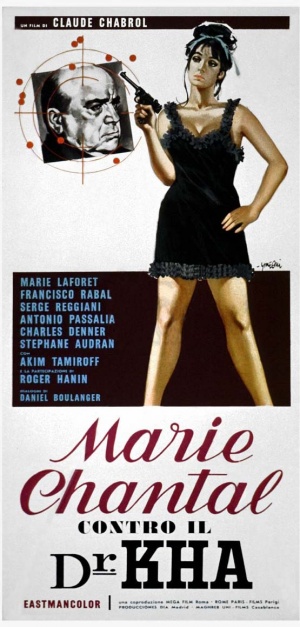
It’s lightly-amusing, with some good photography and a nice 60’s sense of style; between the era and its Frenchness, you won’t be surprised to hear that everyone smokes like chimneys, which seems particularly taboo by modern standards. But there simply isn’t enough going on to make this more than marginally entertaining, and the Italian poster image on the right is an early example of false advertising. The ending leaves it open to a sequel which never materialized, so it seems that even the audience of the time were less than impressed, and it can’t be said to have improved with age. Still, commercial cinema’s loss is la nouvelle vague’s gain, I suppose.
Dir: Claude Chabrol
Star: Marie Laforet, Francisco Rabal, Serge Reggiani, Akim Tamiroff
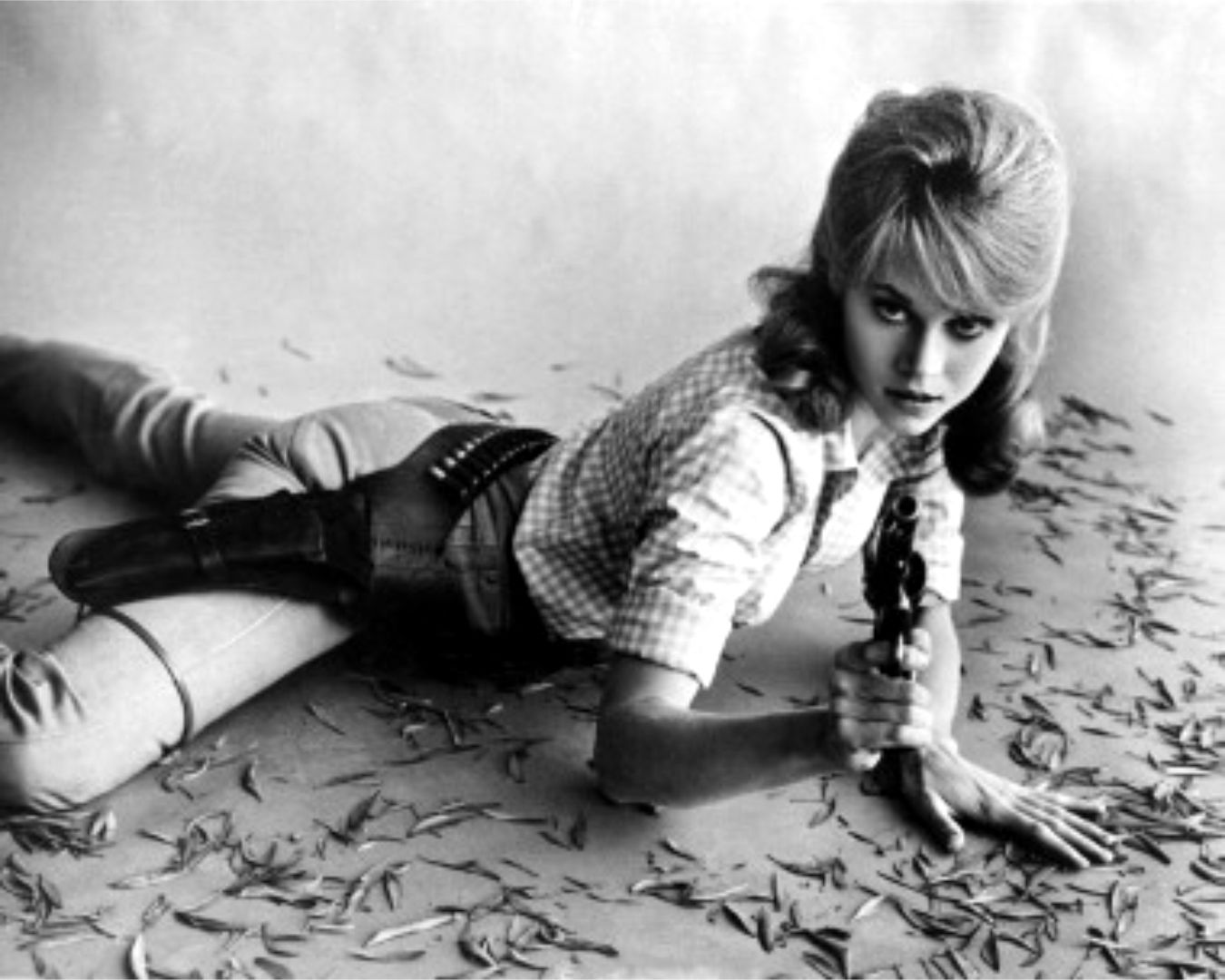
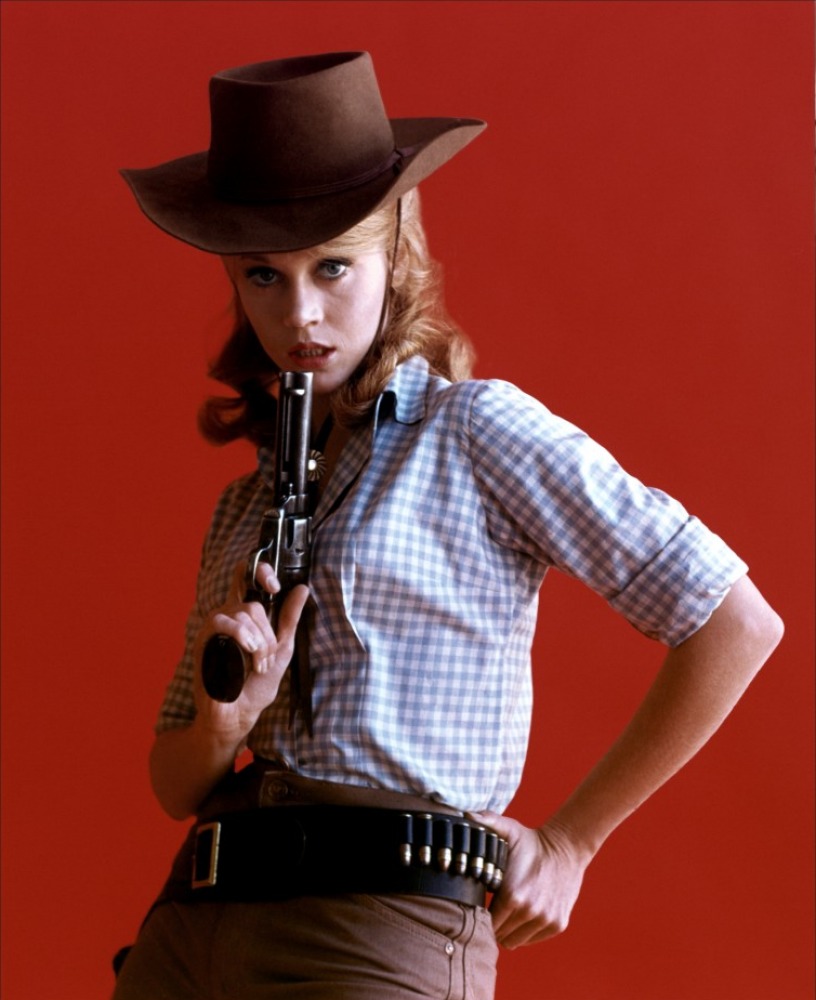
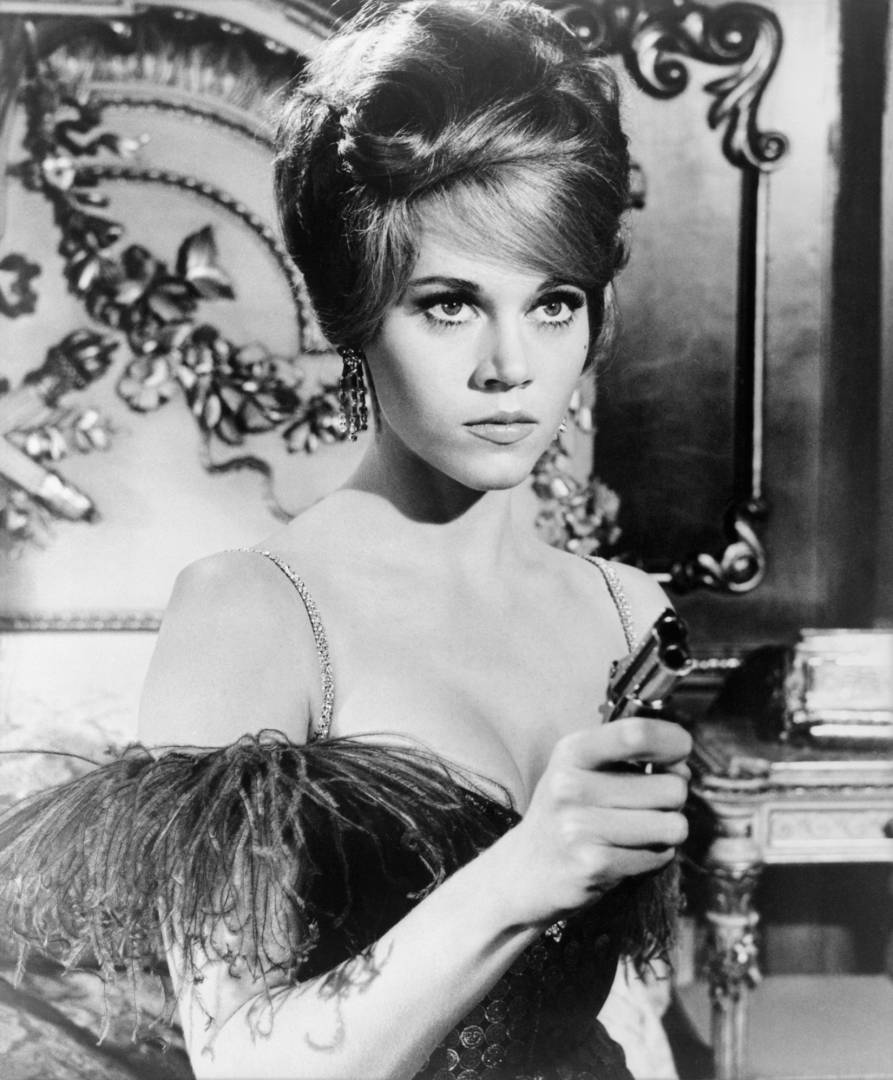
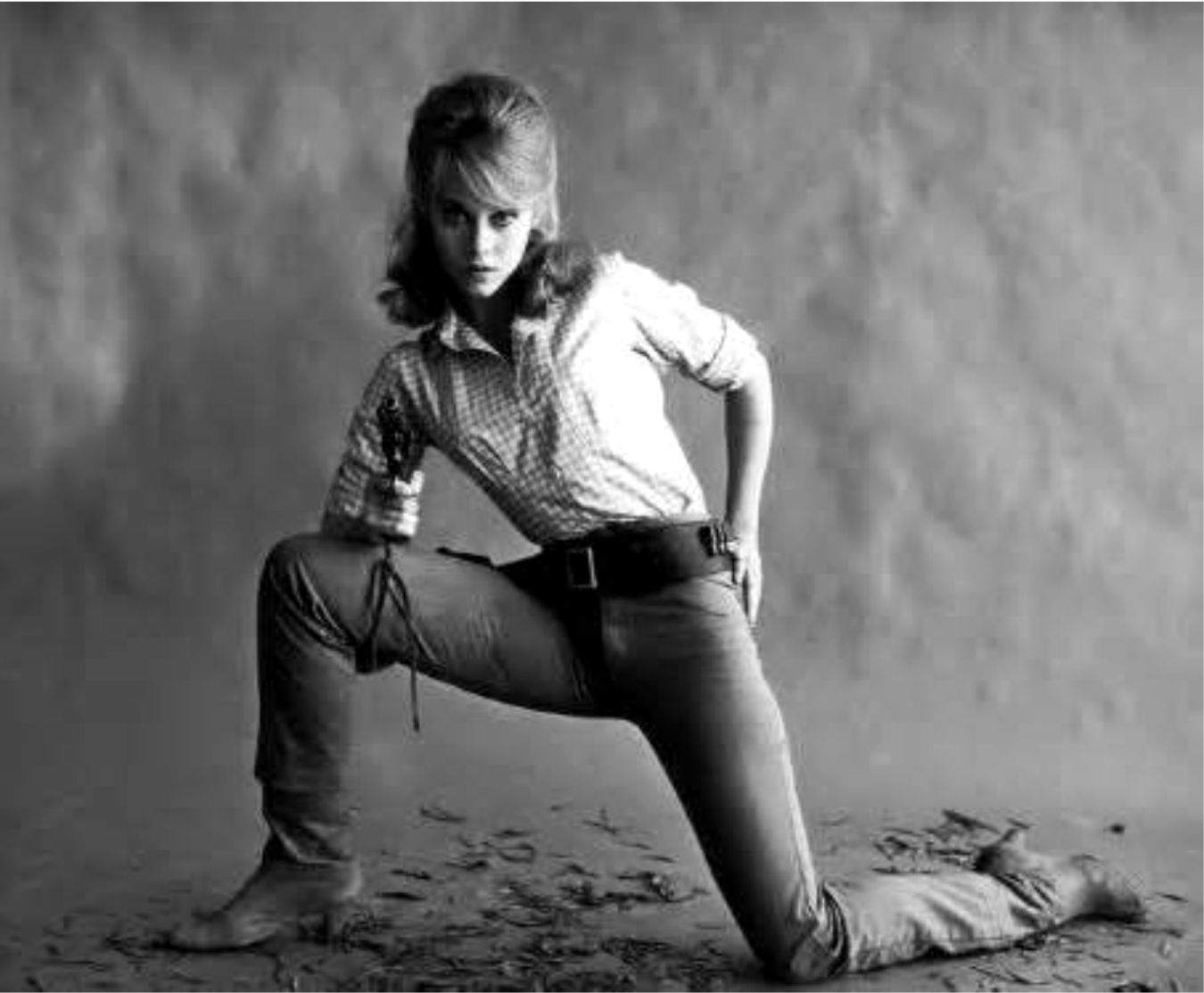
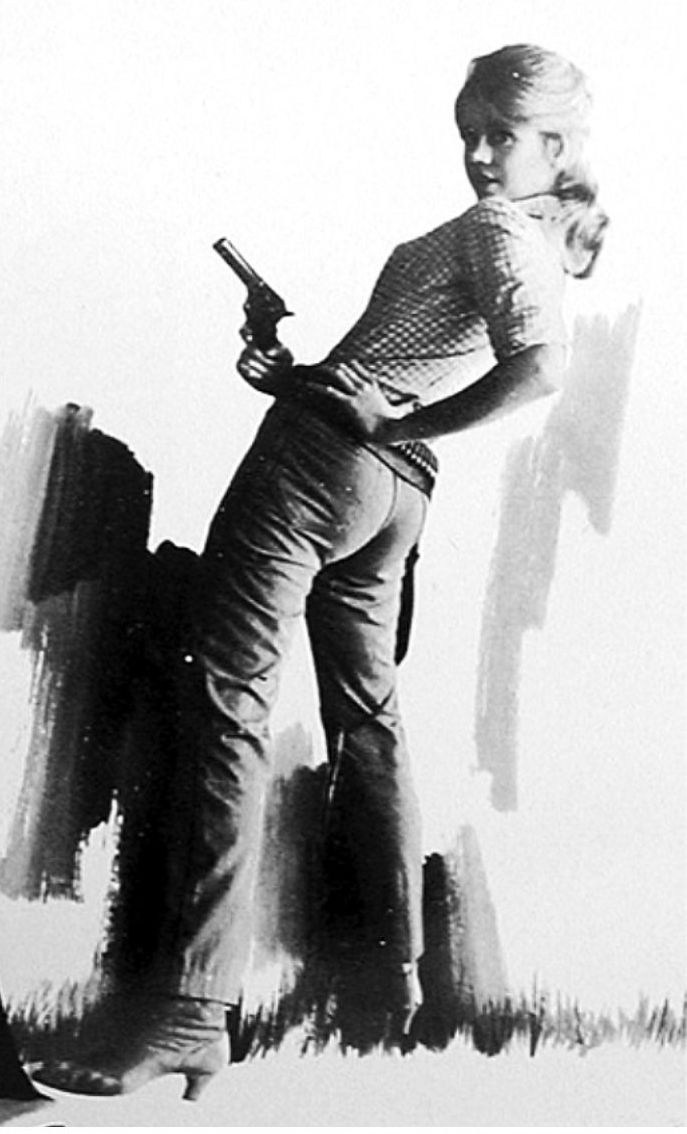
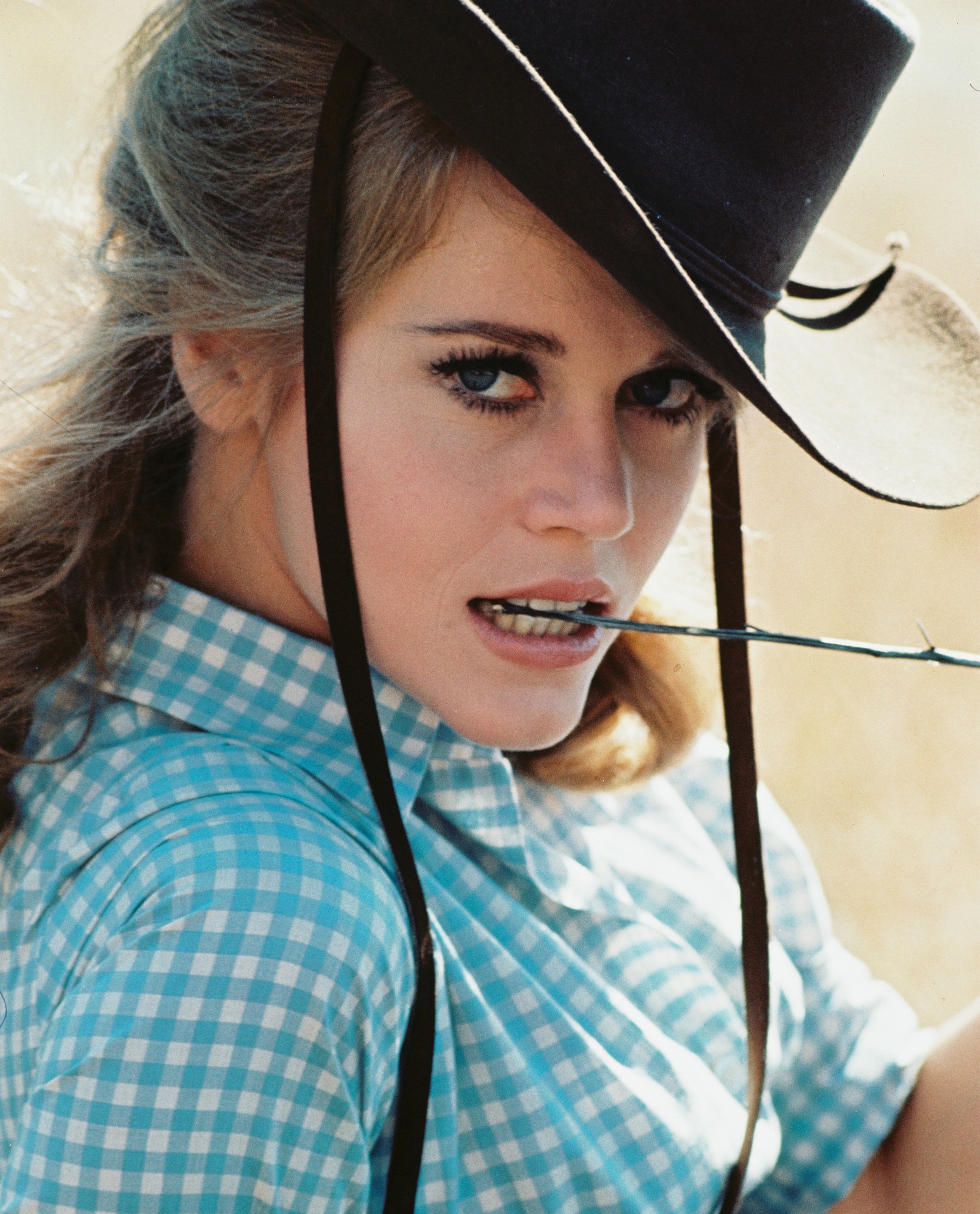
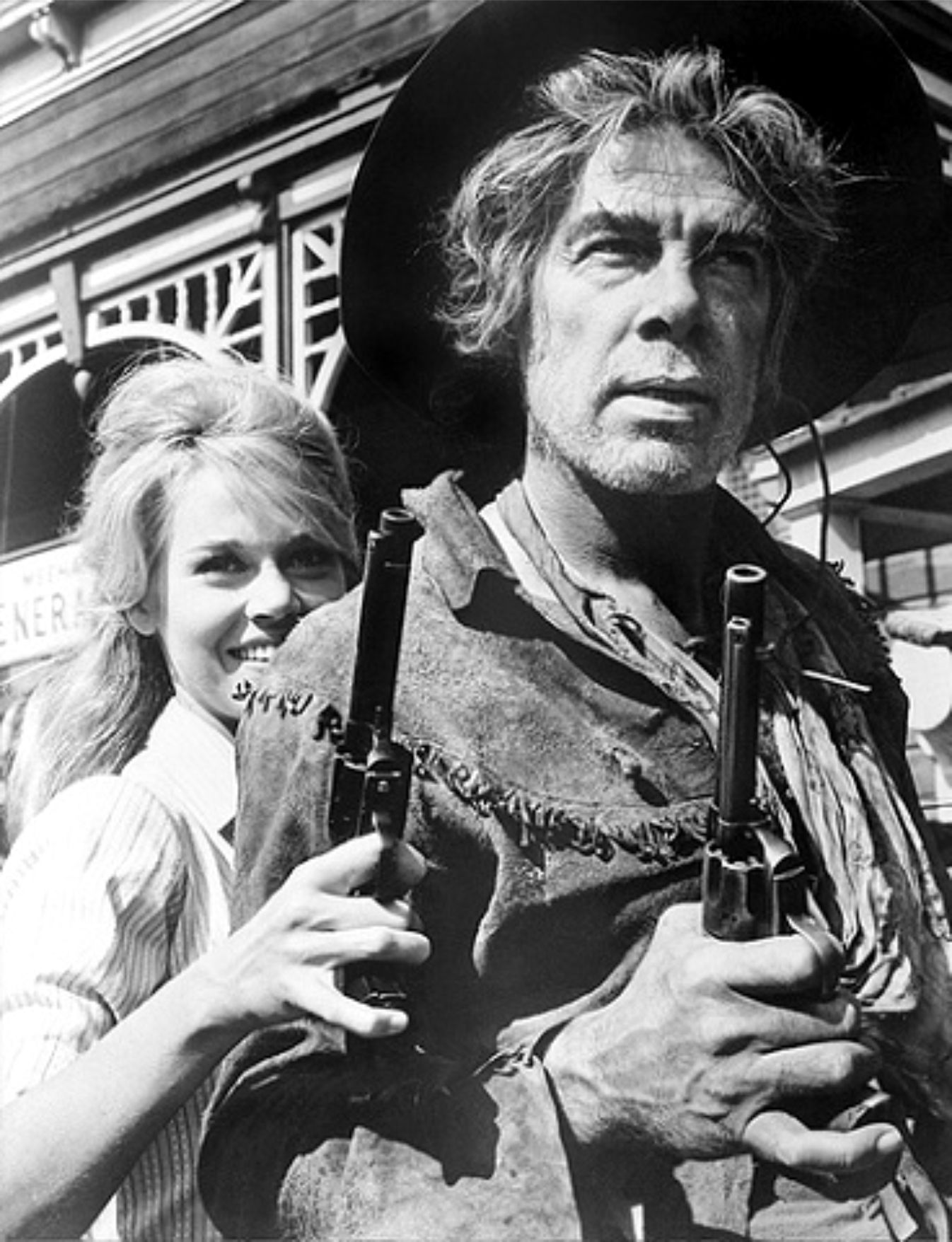
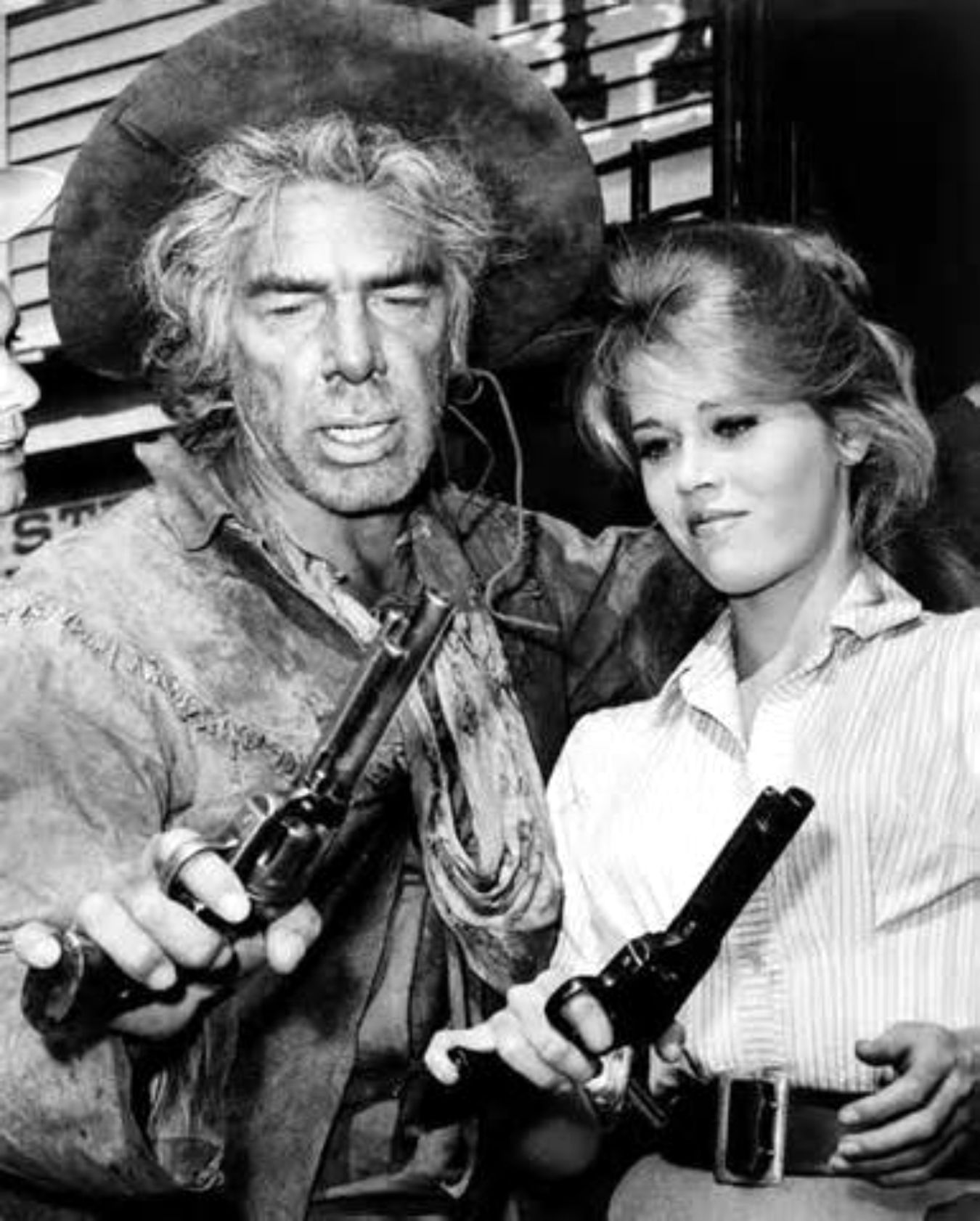
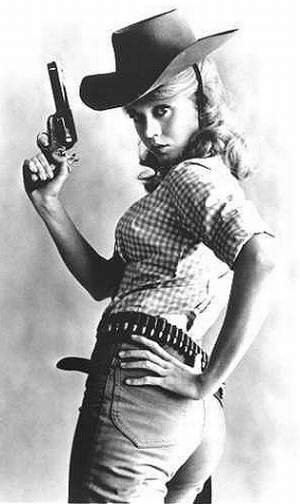 Aspiring teacher Catherine Ballou (Fonda), heads home to see her father in Wyoming, but finds him engaged in a struggle over his land with a land baron, and threatened by the villainous Tim Strawn (Marvin). She sends for legendary gun-fighter Kid Shelleen (also Marvin) to come protect them, only to find he is less legendary gun-fighter, and more alcoholic bum, incapable of saving himself. Strawn shoots Cat’s father and, when justice fails to be served, she heads off to a nearby outlaw town, where she vows to bring the land baron down and take revenge herself.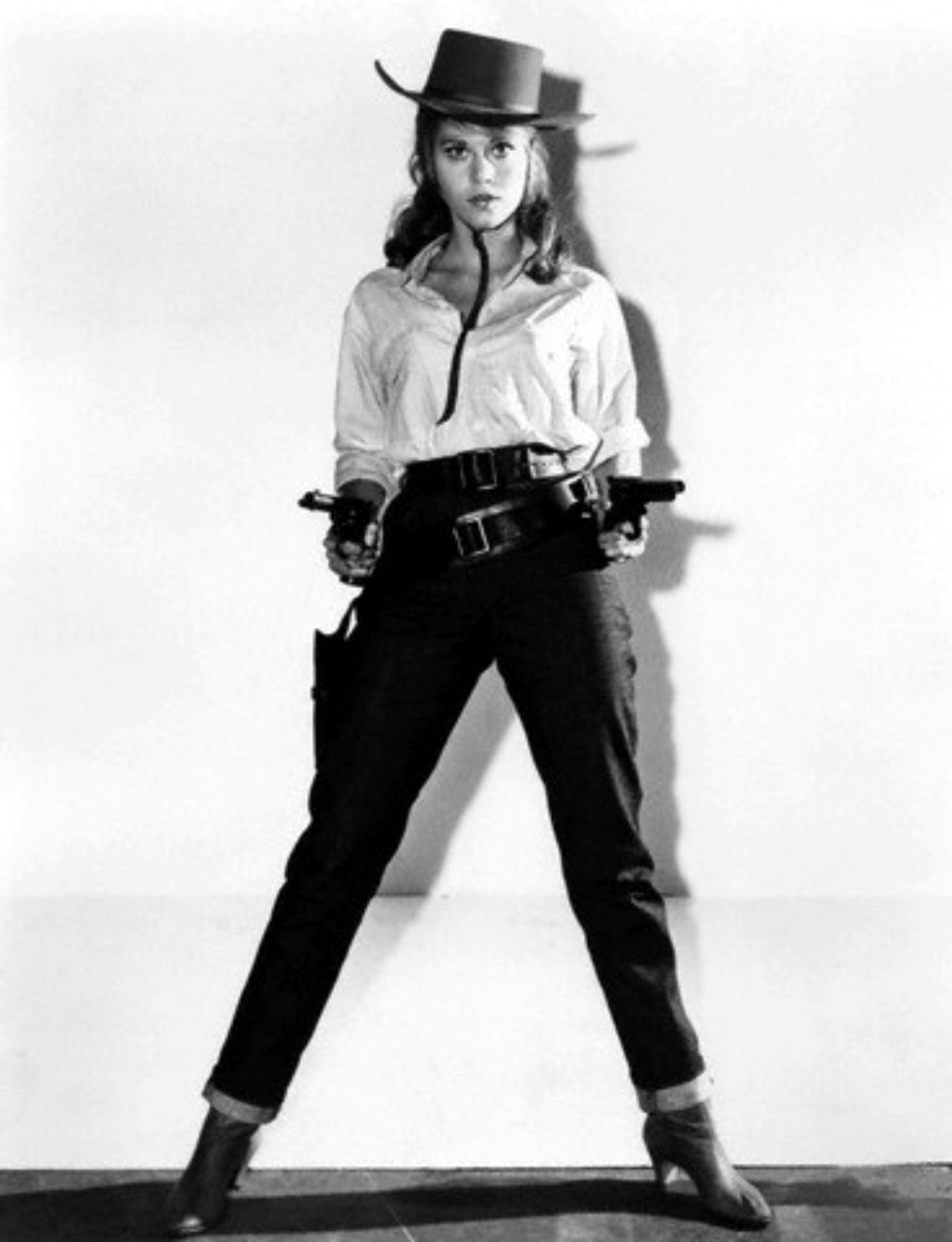
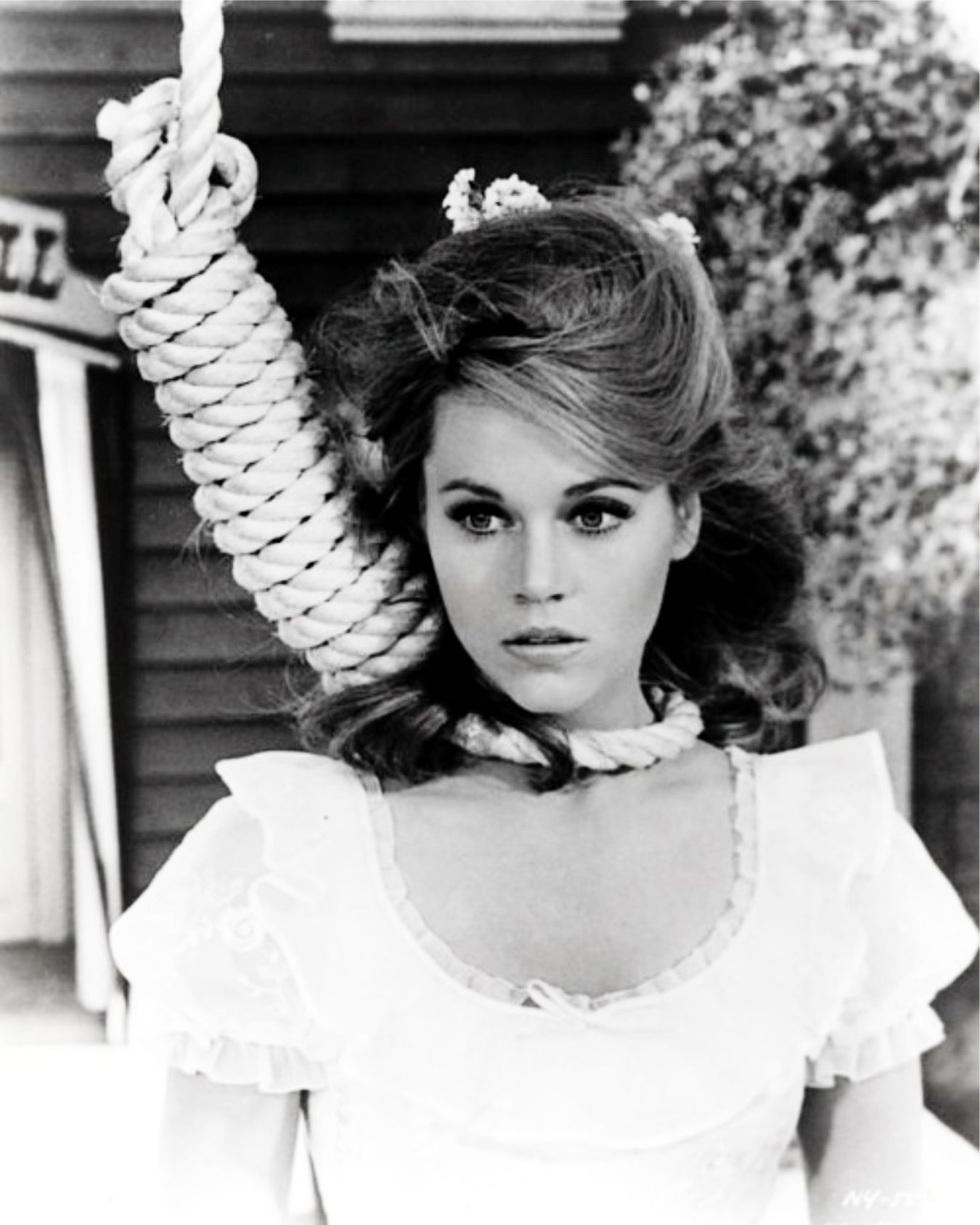
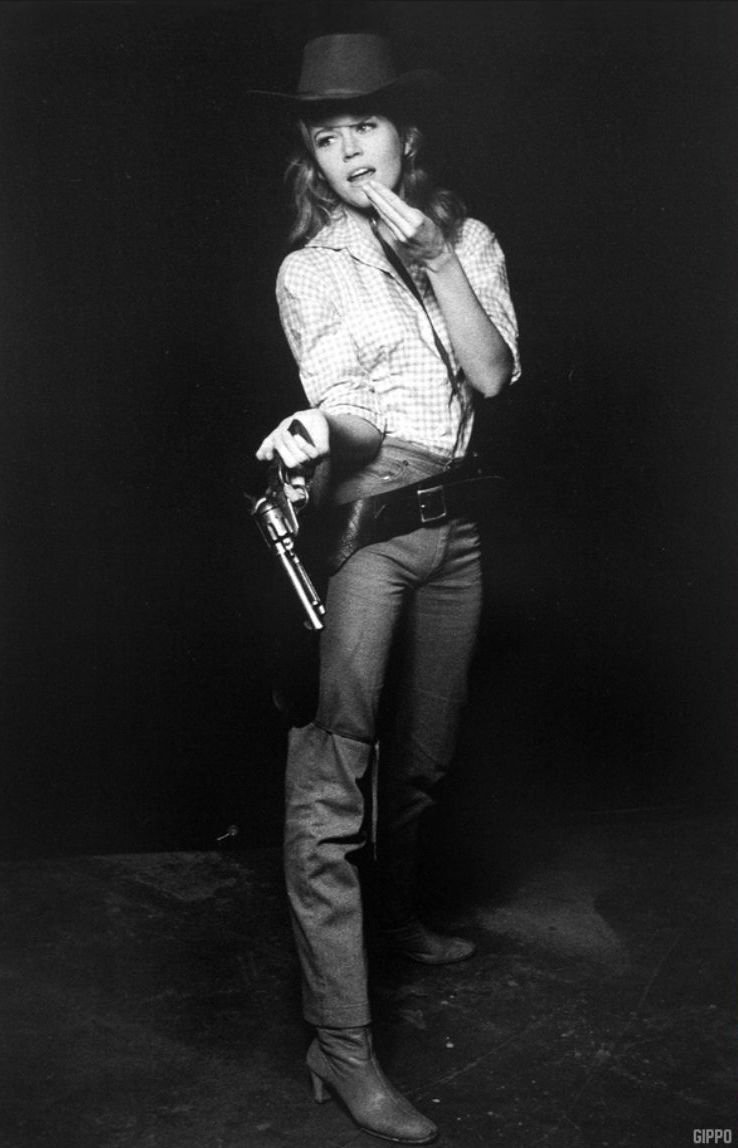
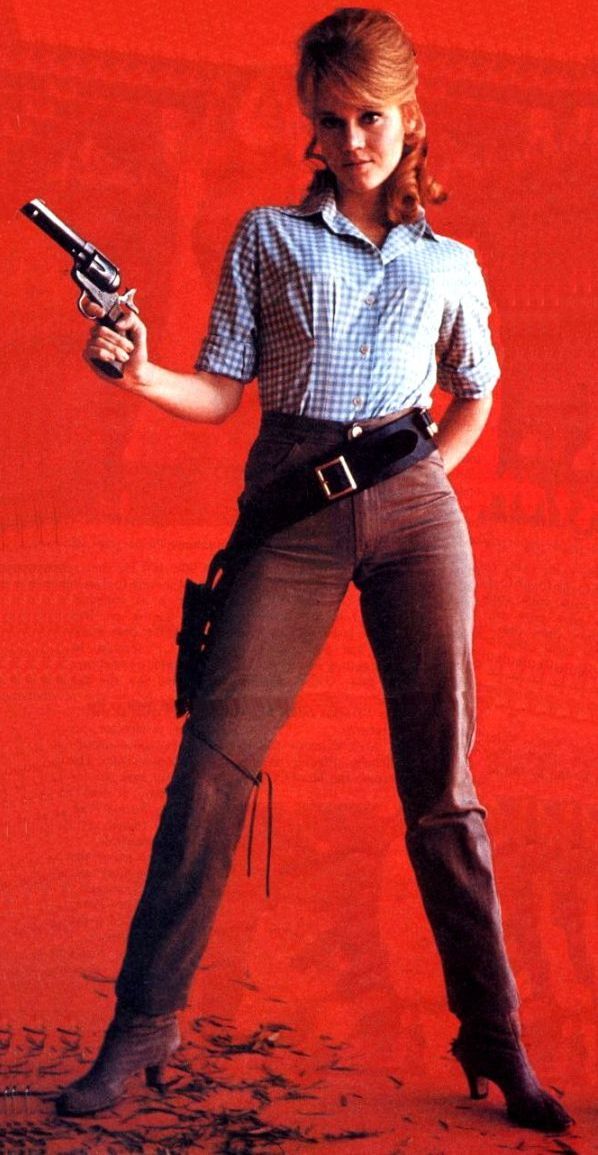
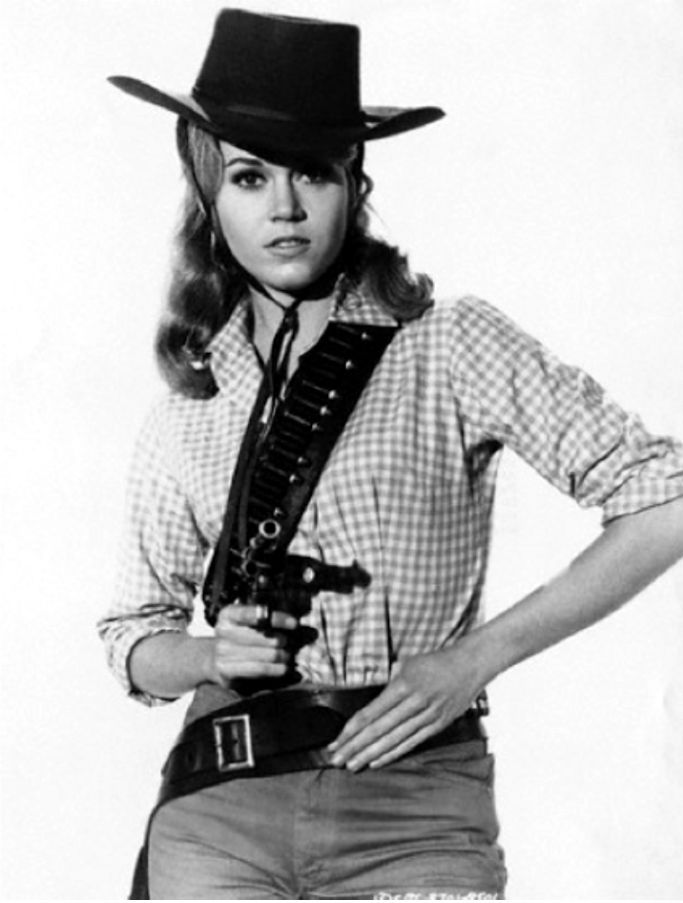
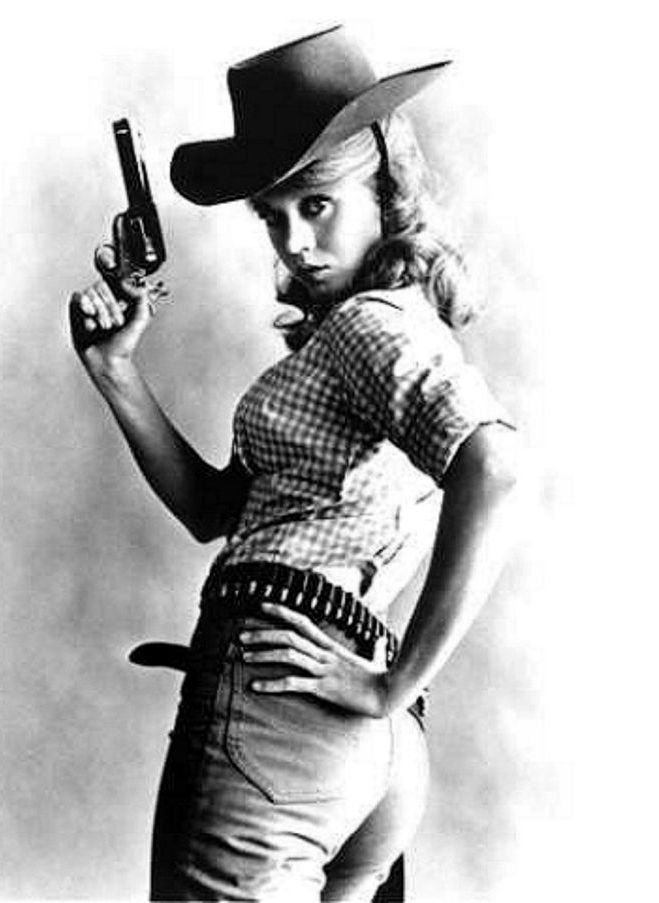
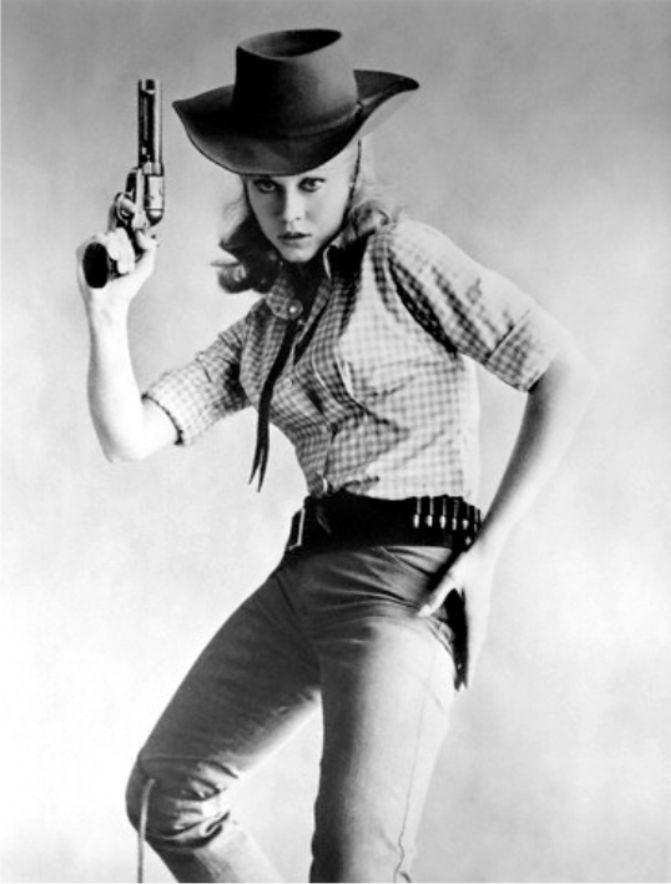
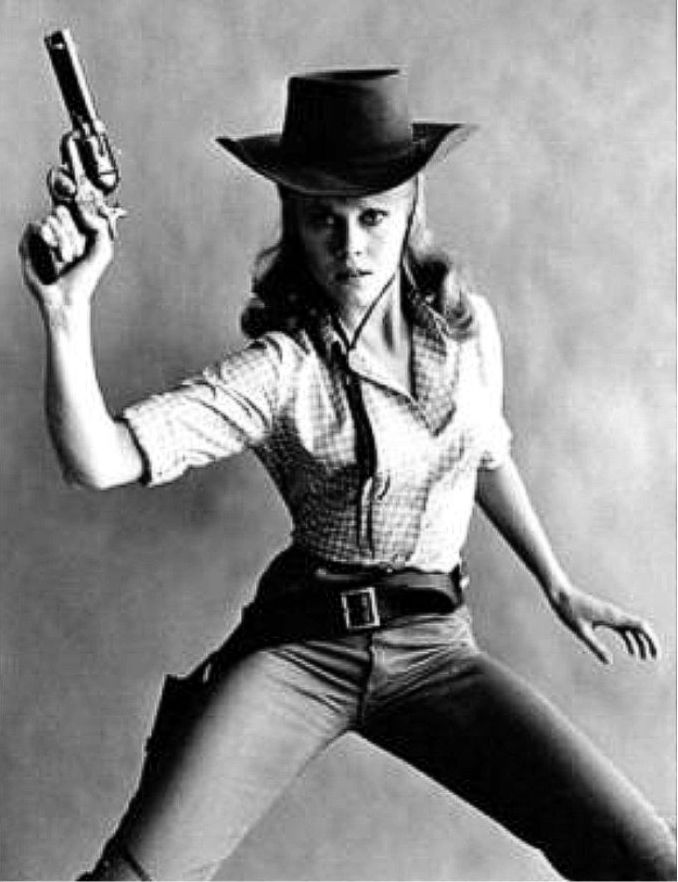
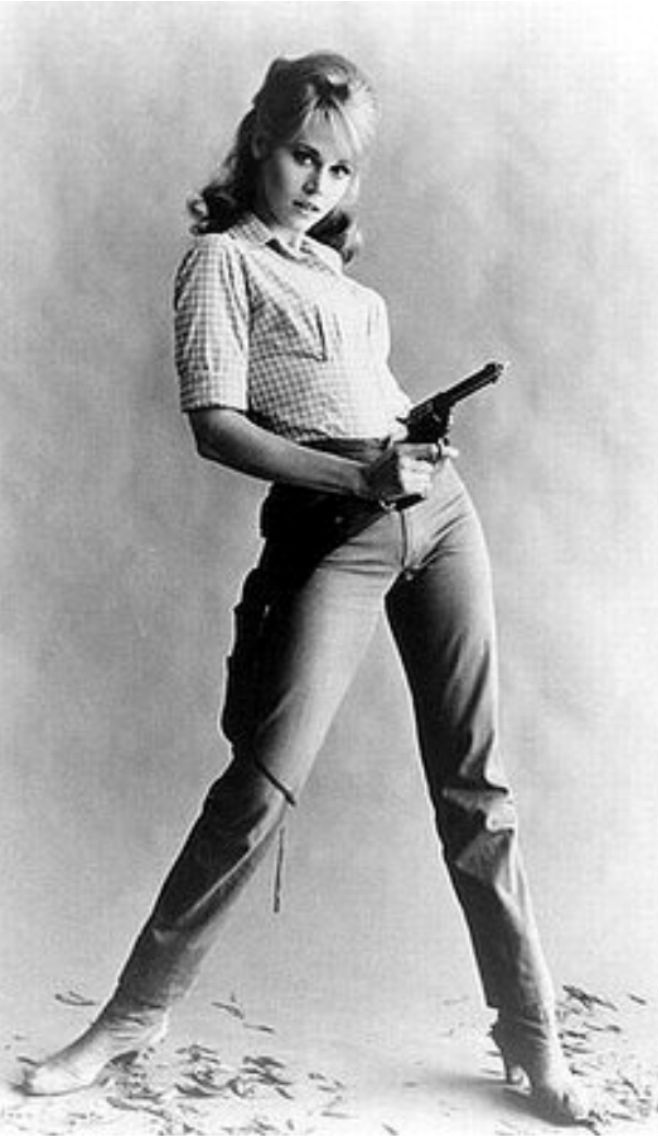
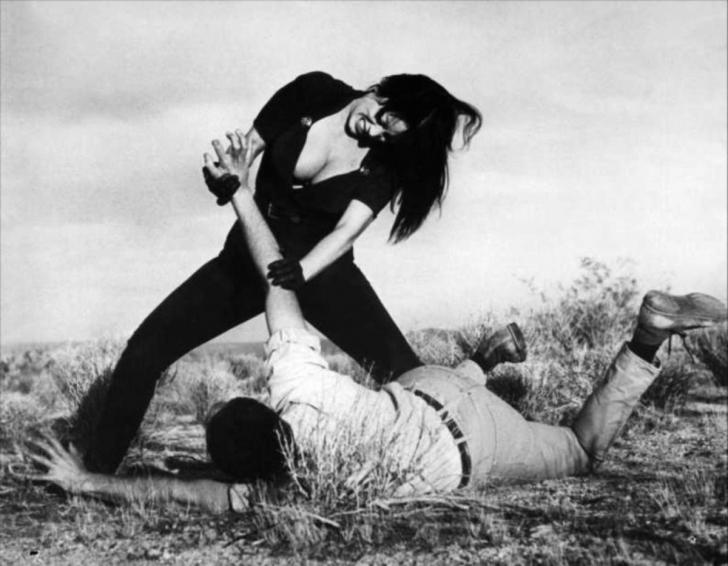
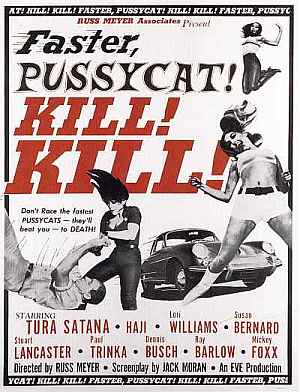
 Made more than forty years ago, Faster was decades ahead of its time – which may explain why it was such a resounding flop on initial release. But in his autobiography, John Waters called it, “The best movie ever made, and possibly better than any movie that will ever be made,” and helped resurrect it: Rob Zombie is another big fan, and introduced its recent screening on – of all places! – Turner Classic Movies. For this is the kind of film, hell, the kind of
 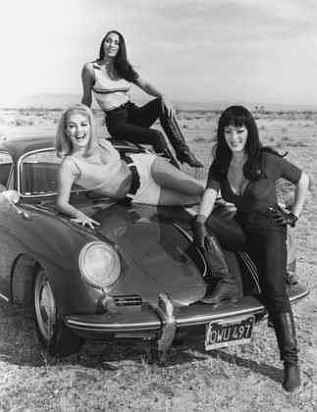 Often neglected are the male contributors, in particular Stuart Lancaster as the target of their scheme. Though confined to a wheelchair, he rules his twisted clan with a rod of iron; in many ways, this is an ancestor of the family from Texas Chainsaw Massacre, with ‘the vegetable’ – as even his own father refers to him – a kinder, gentler version of Leatherface. Seeing the old man slobbering over Linda certainly shifts the audience, and helps to turn the murderous Varla and the other girls from villains into heroines, even as they progress their plan of robbery, because you sense their fate could end up being worse than death.