


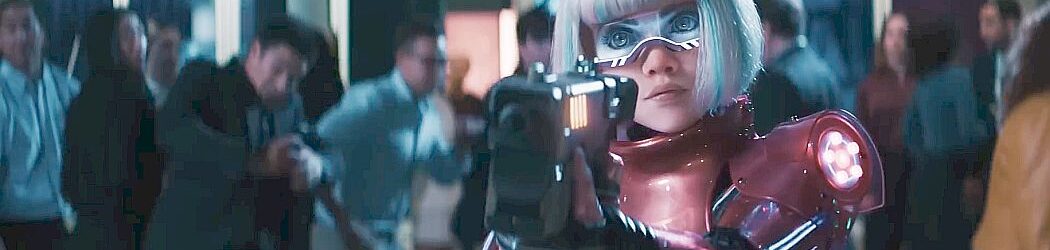

★★★½
 In mathematical terms, an approximation to Chameleon can be expressed by the following formula:
(Leon / Blade Runner)2 * Terminator 2 + (0.2 * Predator)
To go step by step through the equation:
- Leon: an emotionless assassin discovers new depths within themselves, thanks to a child rescued from a corrupt government officer, also responsible for killing the kid’s parents. Together they develop mutual respect and track down the villain.
- Blade Runner: artificially-created humanoid life, with a deliberately restricted lifespan, rebels against its creator and tries to extend its longevity. A bounty-hunter is sent on the trail. The twist here, is that good and bad are reversed from Ridley Scott’s classic.
- Terminator 2: ass-kicking, motorcycle-riding killing machine is taught compassion by a young boy, who possesses something of potentially vital importance to the future of society.
- Predator: the ability to blend into the background, leaving no trace save for a shimmery heat-haze.
There: that’s the essential elements covered. This is doing it a slight disservice, since it does have some genuine original ideas, but there is an awful lot which is blatantly lifted from elsewhere. However, credit must be given for stealing from excellent sources, and enough of those involved go at their work with sufficient enthusiasm and energy to make you forget its less than groundbreaking setting and storyline.
The plot revolves around a hacked computer credit chip which is the equivalent of a bottomless bank account: just before the inventor is slain, he passes it on to his son, and when Kam is ordered to kill him and recover the chip, she rebels and rescues him. She heads off to the countryside to escape, where she links up with a group living outside the urban world where the vast majority of the population now reside (nicely, the countryside has become almost a myth to townsfolk). There, she must fend off the bounty-hunter sent to track her down, as well as coming to terms with the uncertain human feelings she is steadily feeling, before returning for the inevitable showdown with her creator.
Bobbie Phillips delivers an excellent performance as Kam. In films like this, the balance is important; it’s easy for the heroine to fall into being unsympathetic at one end, or weak at the other, but that’s not the case here. Kam comes across with an almost childlike innocence in some ways, but is perfectly happy with using her sexuality for gain, at one point whoring herself in exchange for gas. It’s a nice contradiction that helps to provide depth to what could be just a stock character. Unfortunately, most of the rest of the cast don’t work as well; Eric Lloyd as the child is particularly irritating, and the villain lacks anything to make you hate him with the necessary intensity. [Returning to the inspirations above, he should take lessons from Gary Oldman or Rutger Hauer]
The action here seems restrained; a little gunplay and some minor martial arts, but nothing particularly memorable. The sexual scenes make the made-for-TV origins painfully clear, with sheets that appear to be velcro’d to Phillips’ breasts, when she doesn’t have her elbows elegantly positioned in front of them. Still, there’s enough here in the central character to make me want to see more…and lo, what’s this coming along?
Dir: Stuart Cooper.
Stars: Bobbie Phillips, Eric Lloyd, John Adam, Jerome Ehlers

 I usually start watching this in a sense of disbelief, since it’s certainly not the most immediately convincing of movies. However, there’s a point near the middle which has in quick succession an amazing action sequence and two revelations, one touching, one tragic, and I realise that I am, yet again, utterly buying into the characters, storyline and setting. Disbelief simply ceases to be an option, and by the end, I know why this is among my all-time favourites, not just in the action heroine genre, but among all cinema.
 ★★★½
★★★½ The day before this opened, we watched a “documentary” on AMC, entitled Fang vs. Fiction: The Real Underworld of Vampires and Werewolves. Quotes used advisedly, as they must be when the program interviewed someone who said he was a werewolf. Regrettably, despite our yelling at the TV, he refused to transform on camera, claiming it was too taxing. Wuss. What it did demonstrate was that the old stereotypes are alive and well – or at least
  What doesn’t work, on any level, is the Selene-Corvin relationship, which is never given any reason to blossom as it does. Worse, still, though the film is told largely from Selene’s point of view, at the end, it’s Corvin who has to battle against The Big Bad [and I’d best not say who that is; the film takes delight in pulling the carpet out from under the viewer]. Sure, Selene gets to deliver the coup de grace – and impressively so – but reducing the heroine to someone left holding her man’s coat, is mostly why this one doesn’t get our seal of approal. Making it even more embarrassing, by this stage, the hero looks like a blue version of the Incredible Hulk.
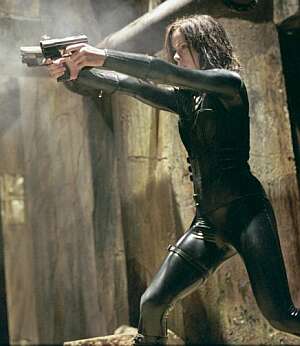 There are some plot points which are never quite explained. At one point, Selene hides Corvin in a safe house, which then mysteriously comes under attack from the lycanthropes. How did they know? Why the werewolves don’t take advantage of the daylight, and avoid moving around at night when the vampires are about? It probably also gets rather too embroiled in creating an entire society and culture for the vampires, explaining stuff not necessary to a 90-minute movie – that’s why it’s actually a 121-minute movie.
 ★★★★½
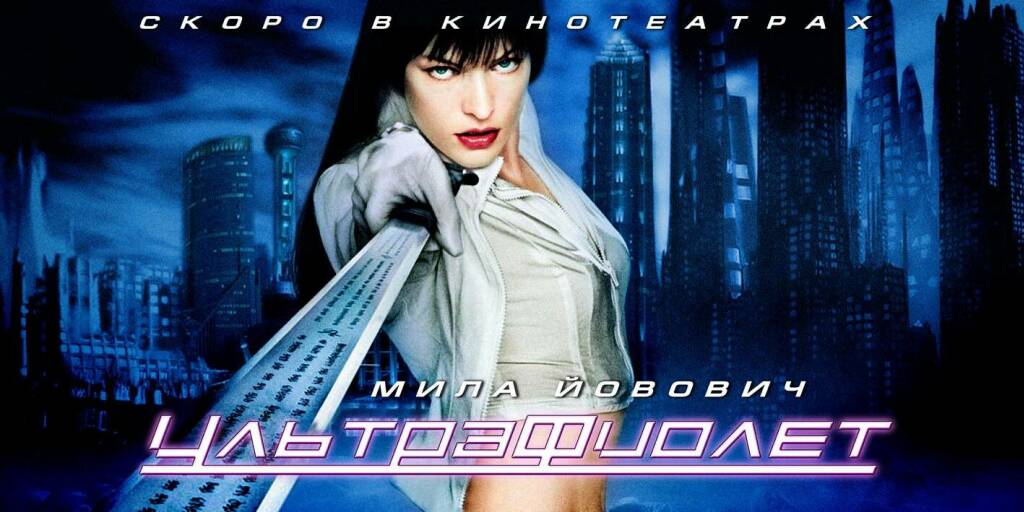
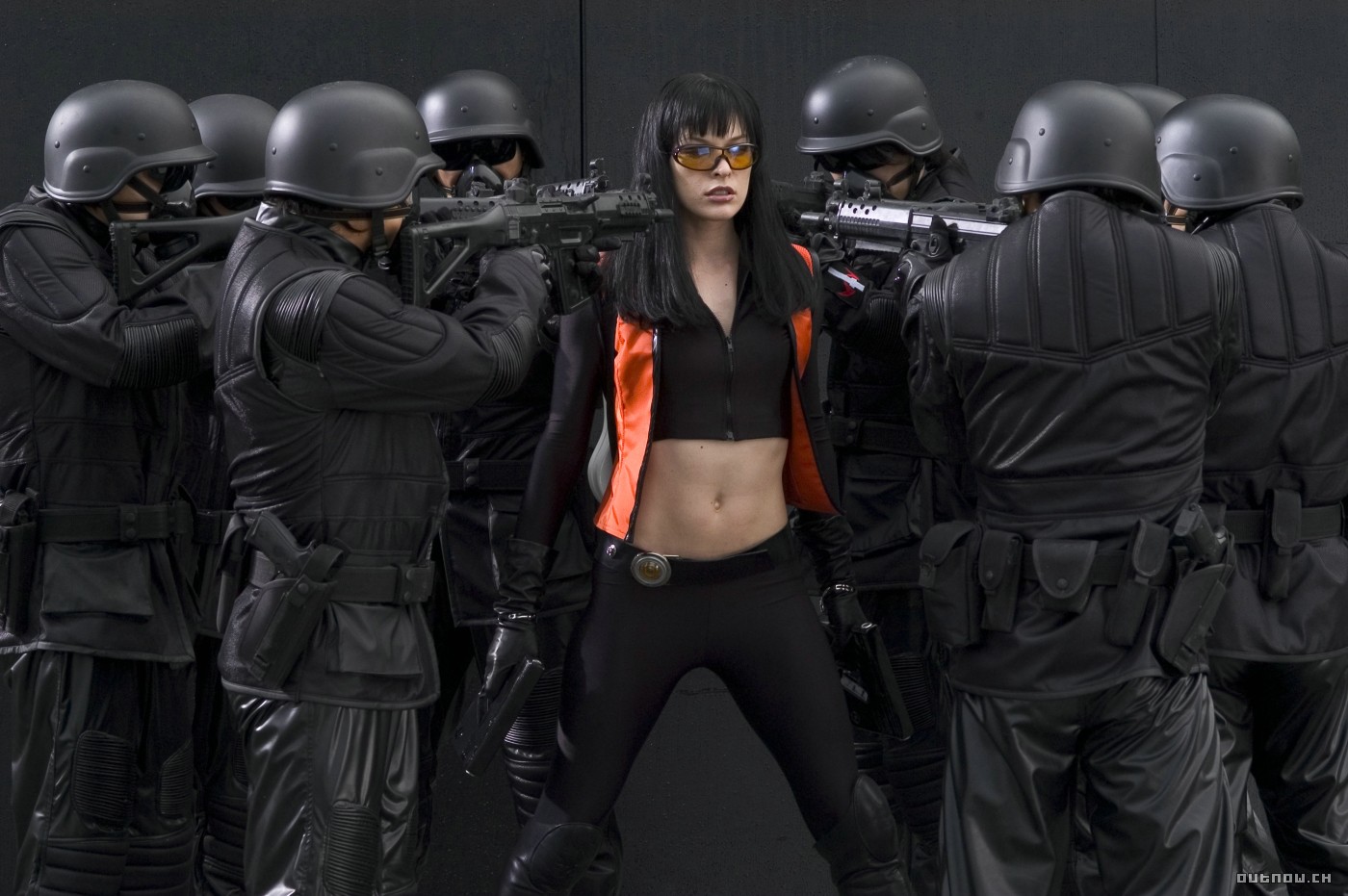
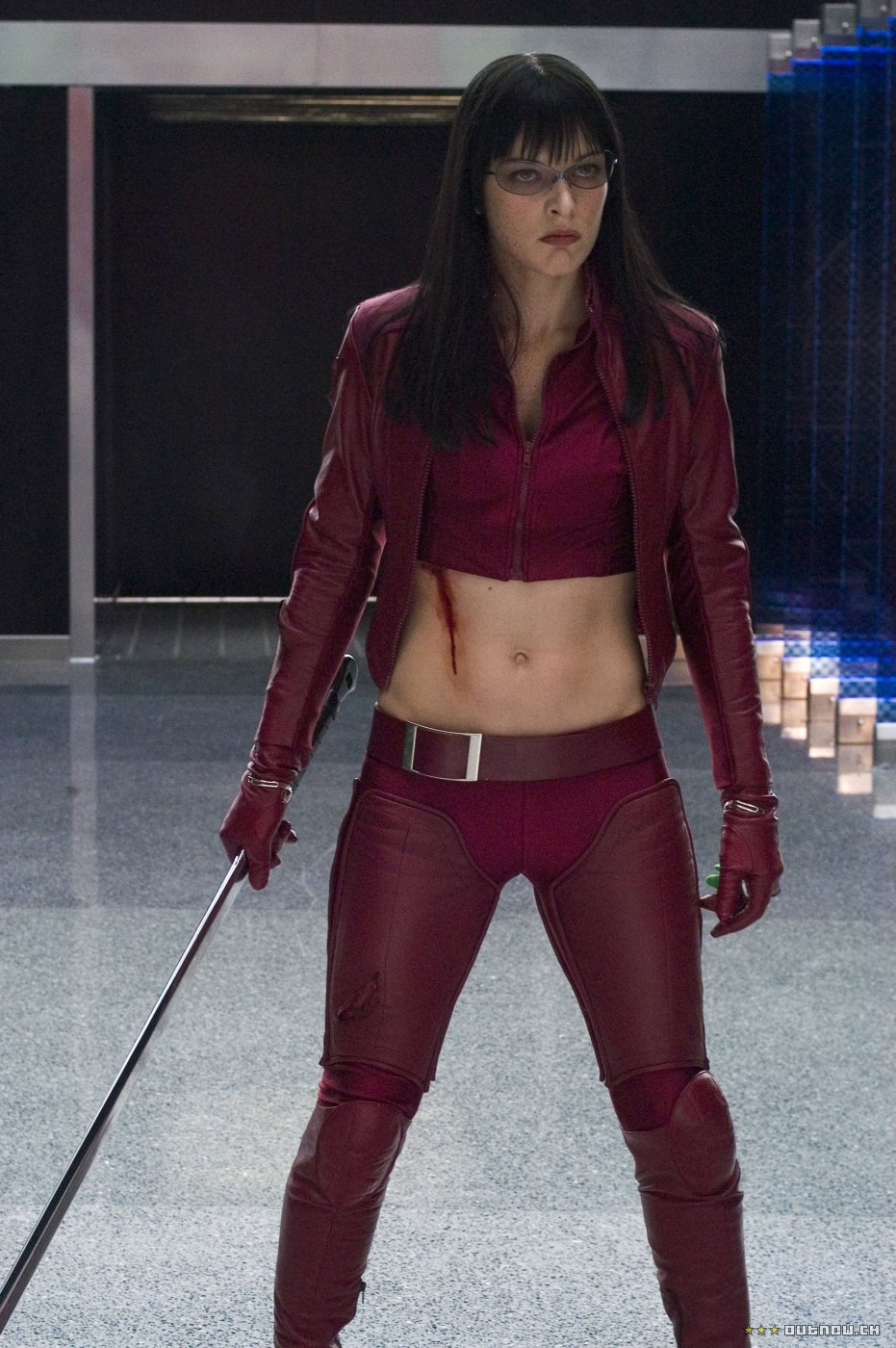
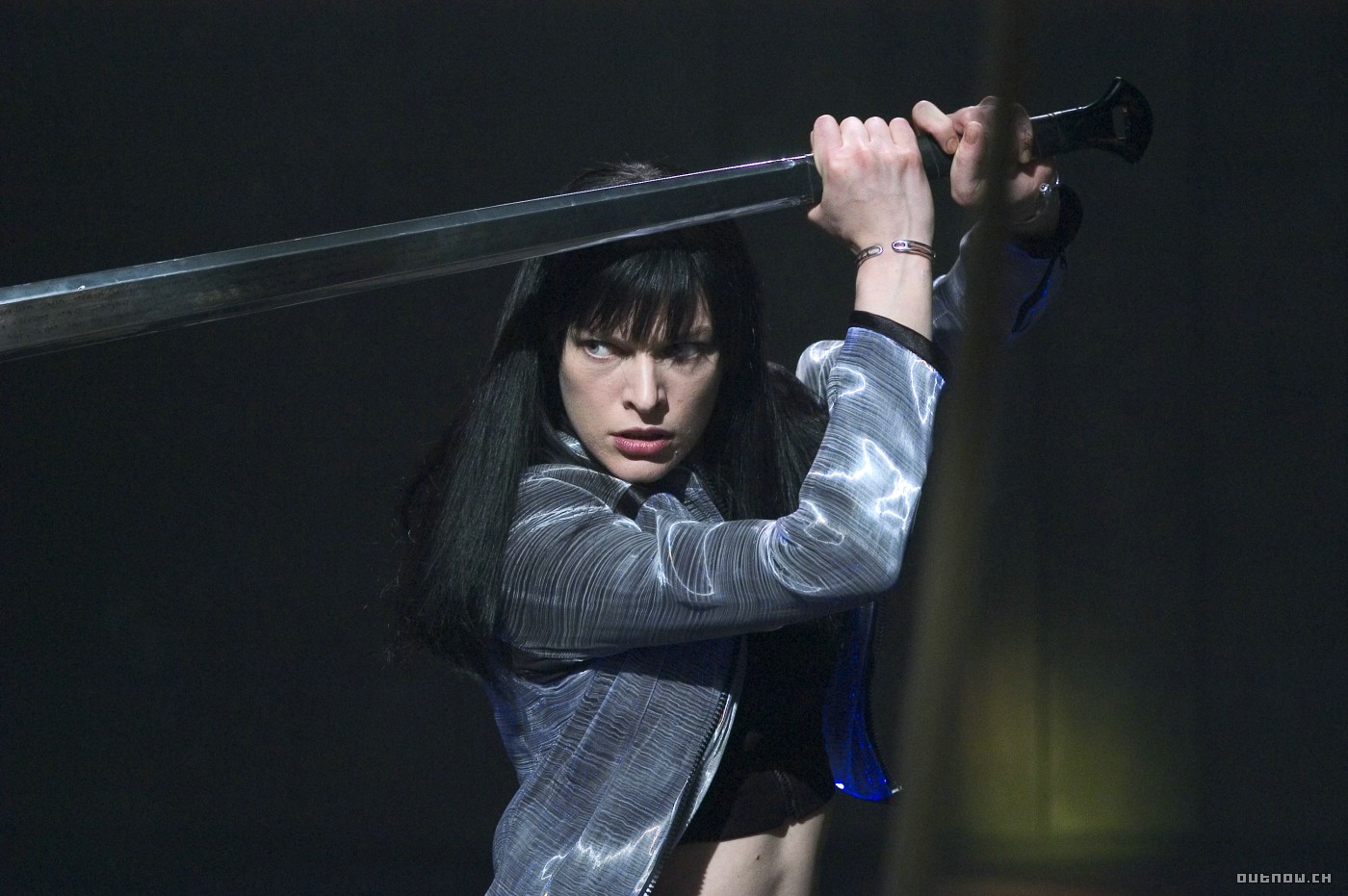
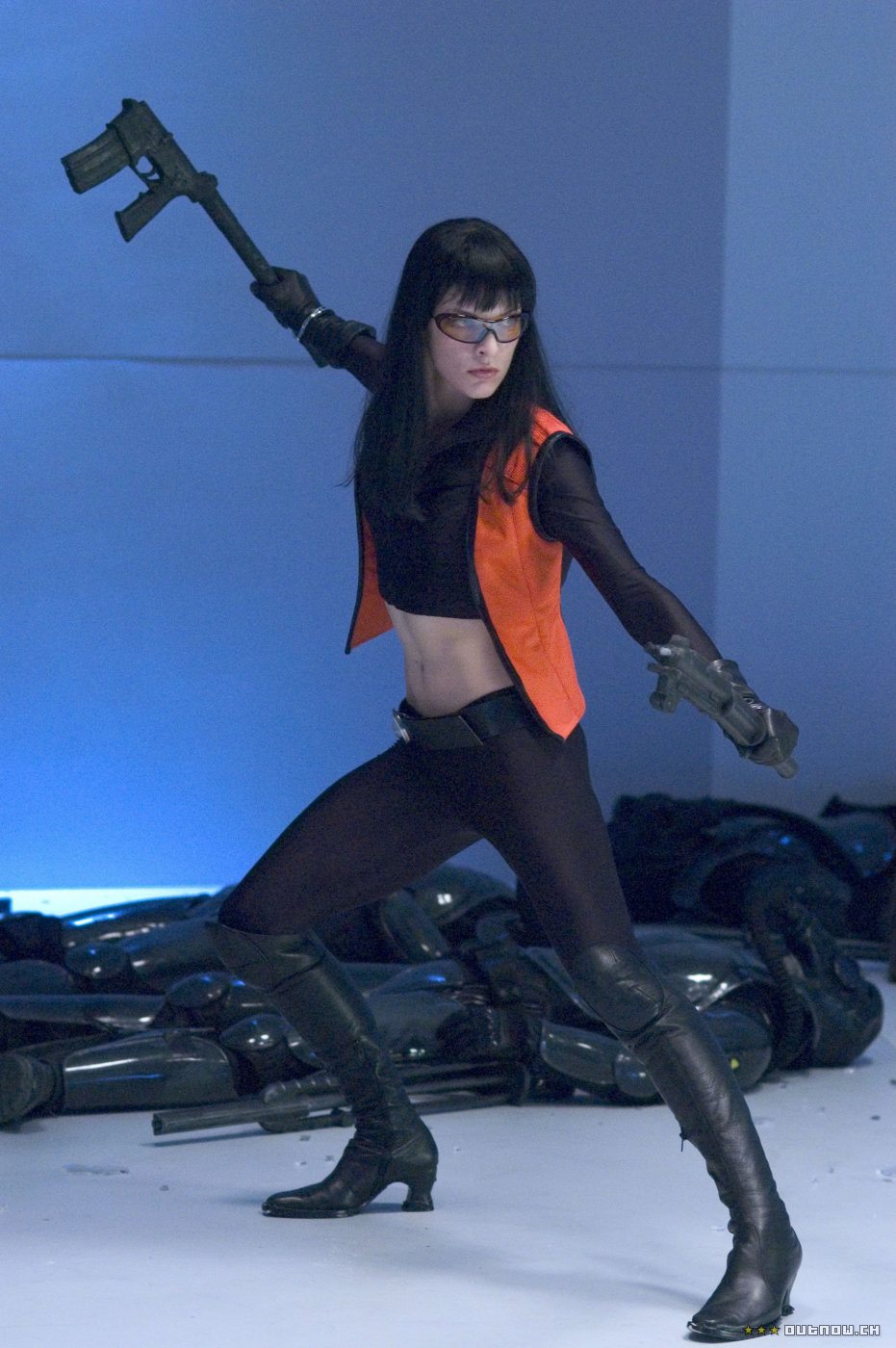
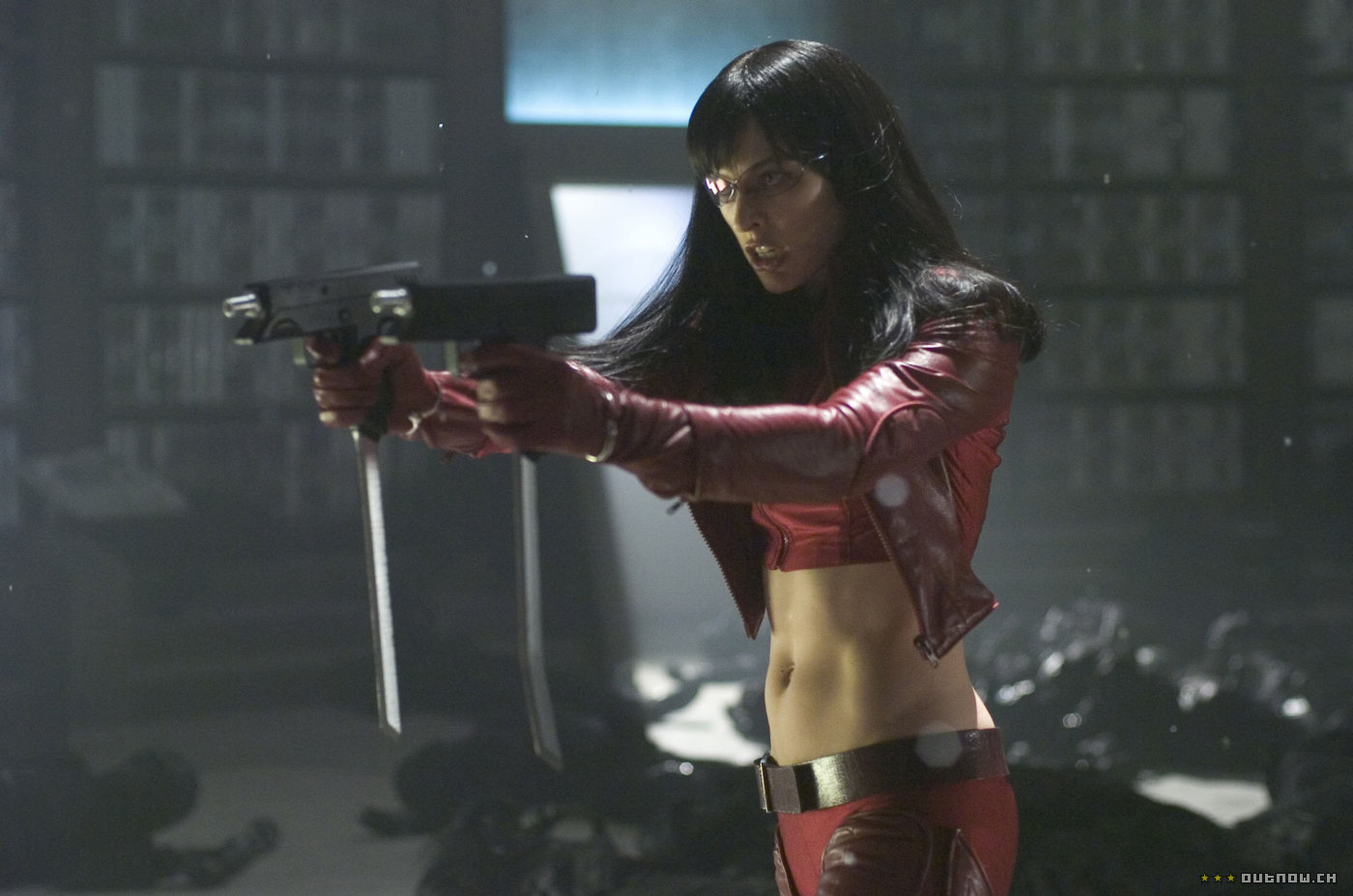
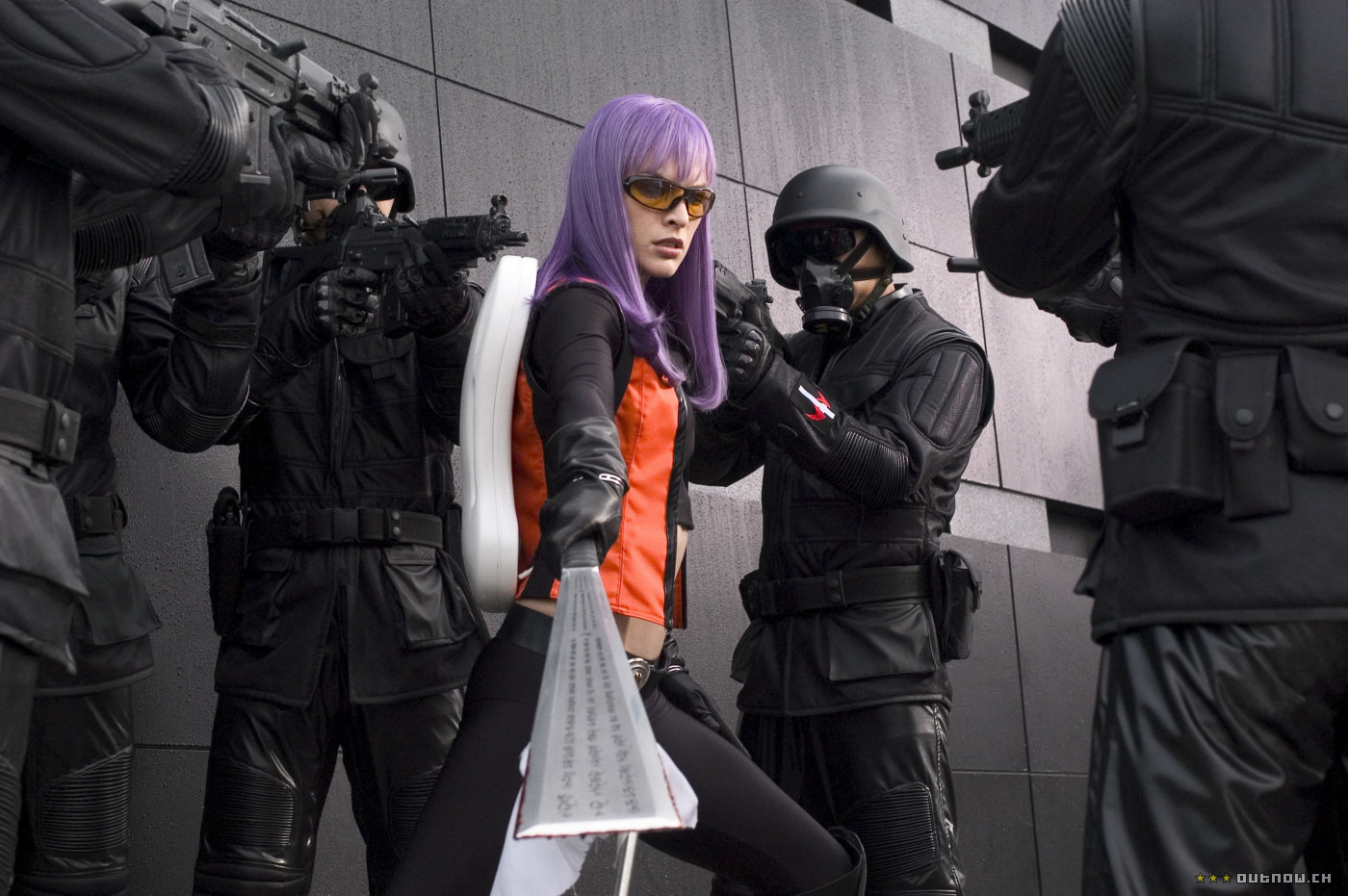
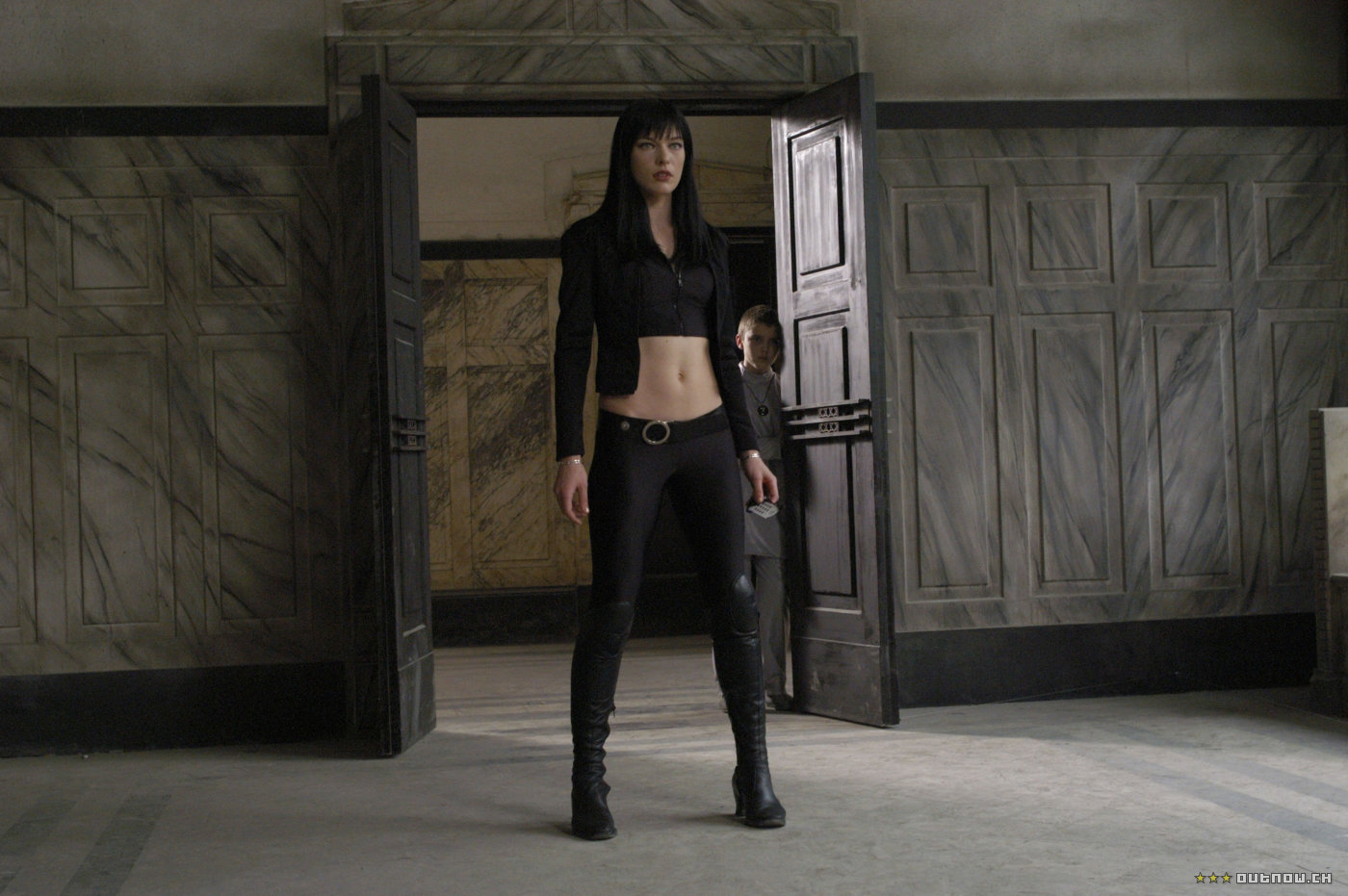
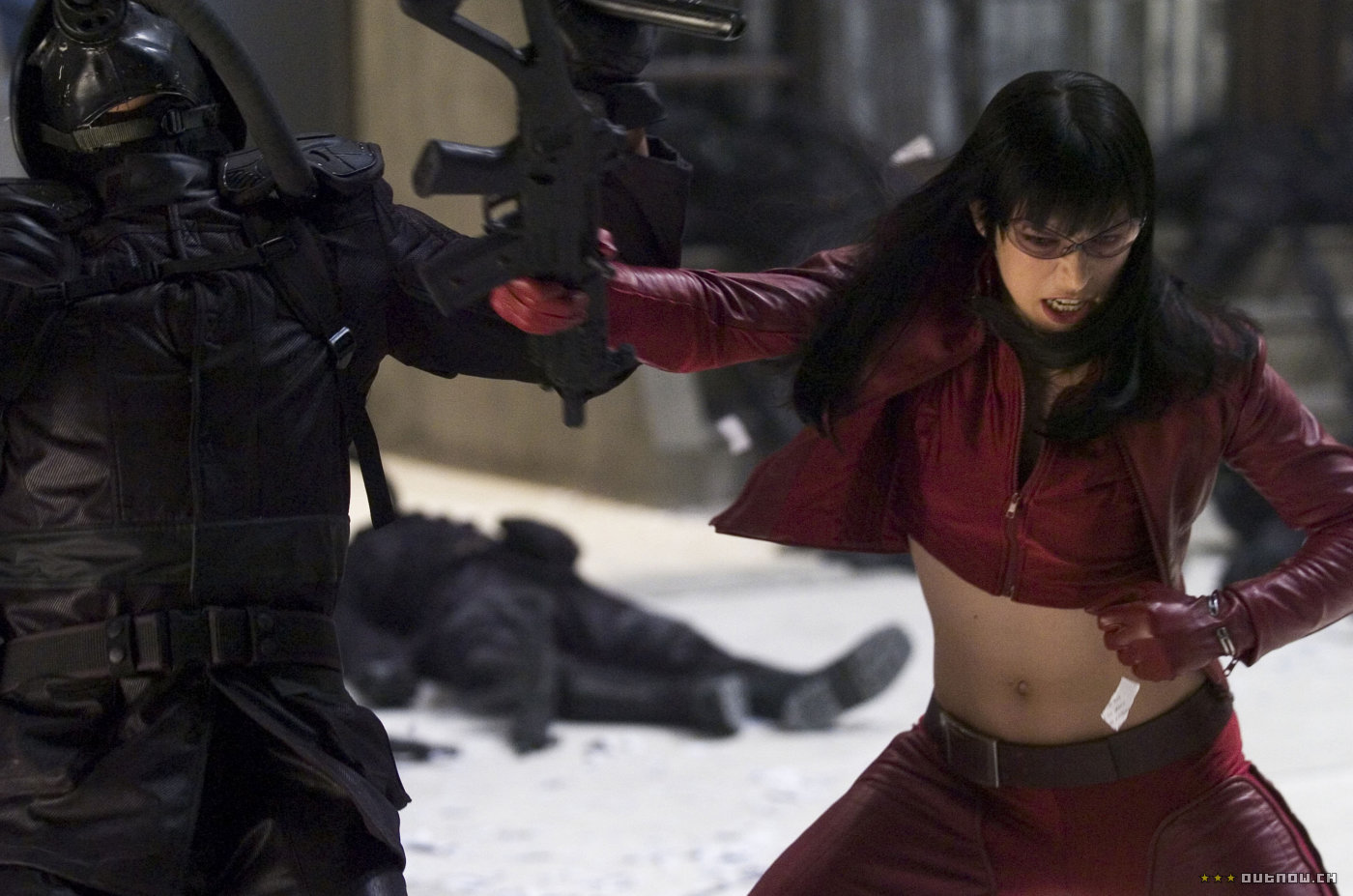
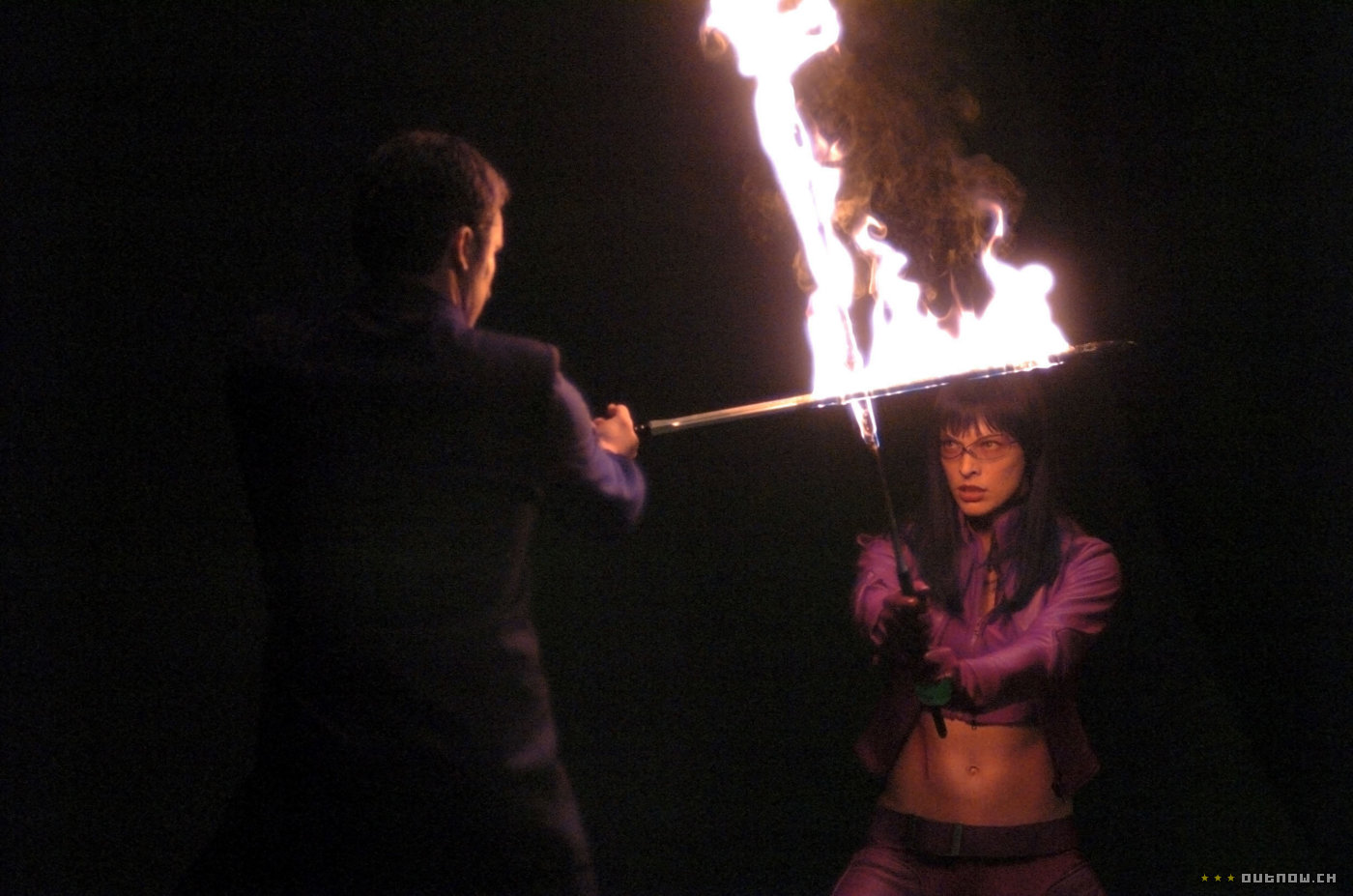
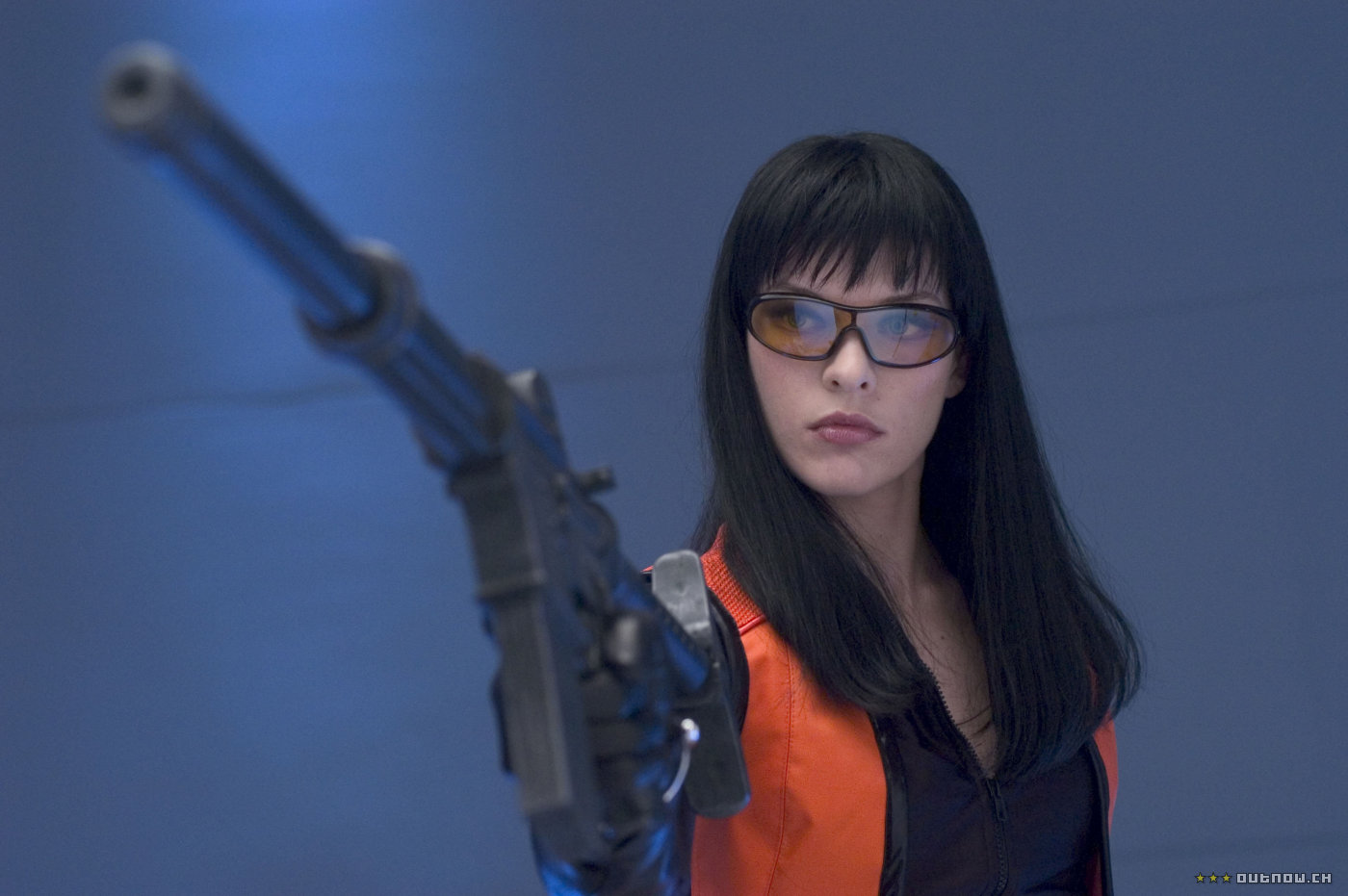
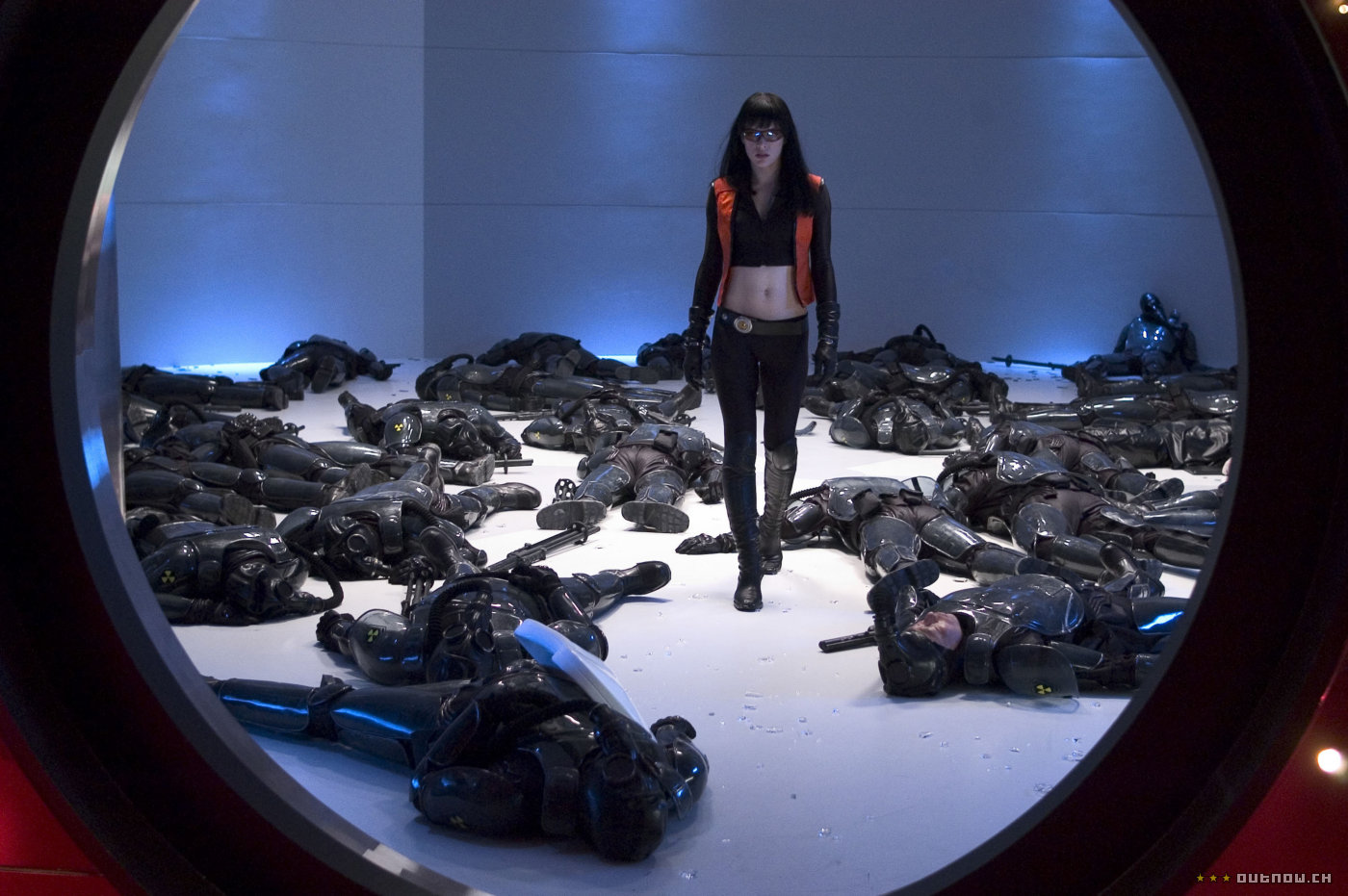
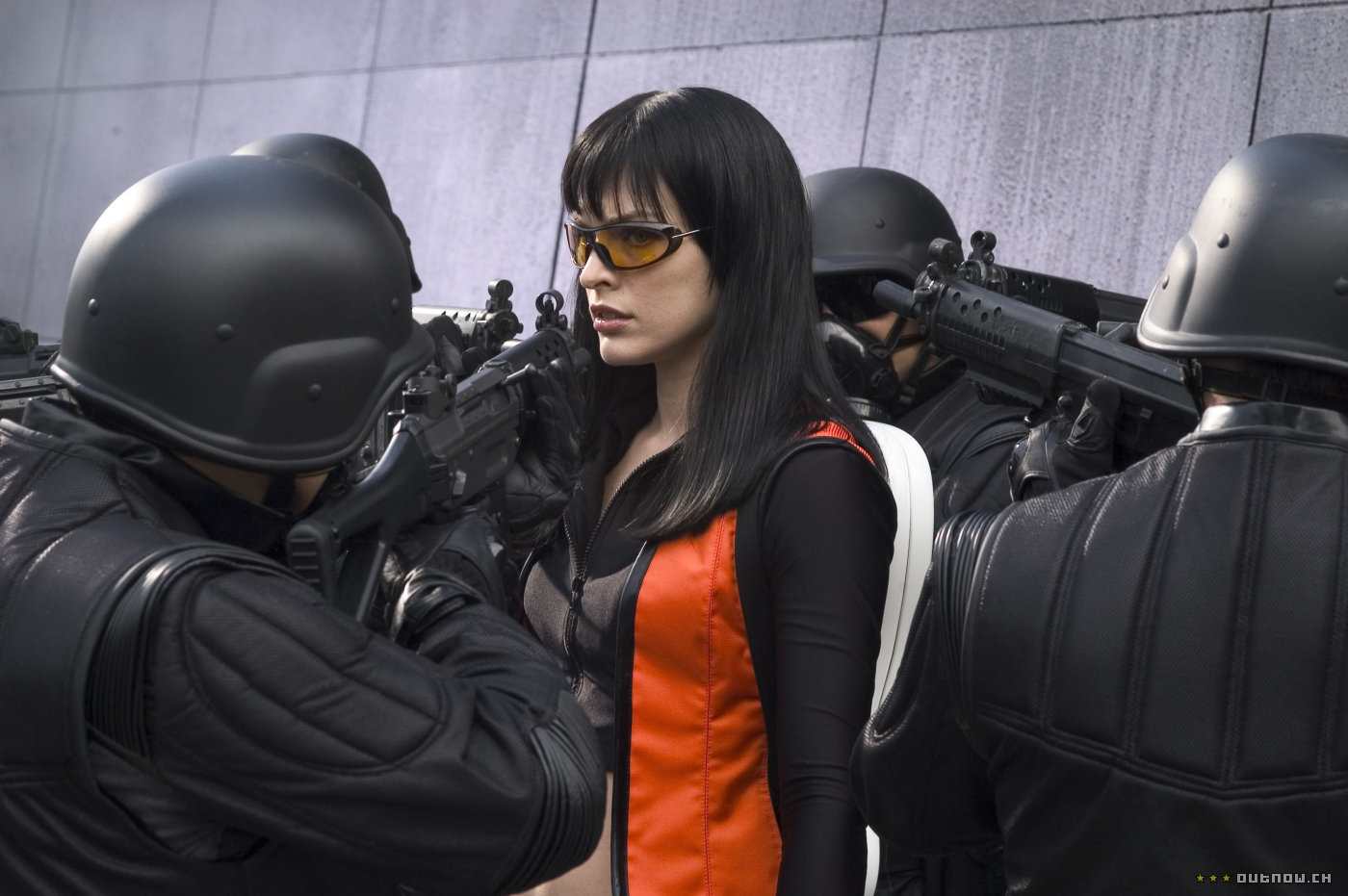
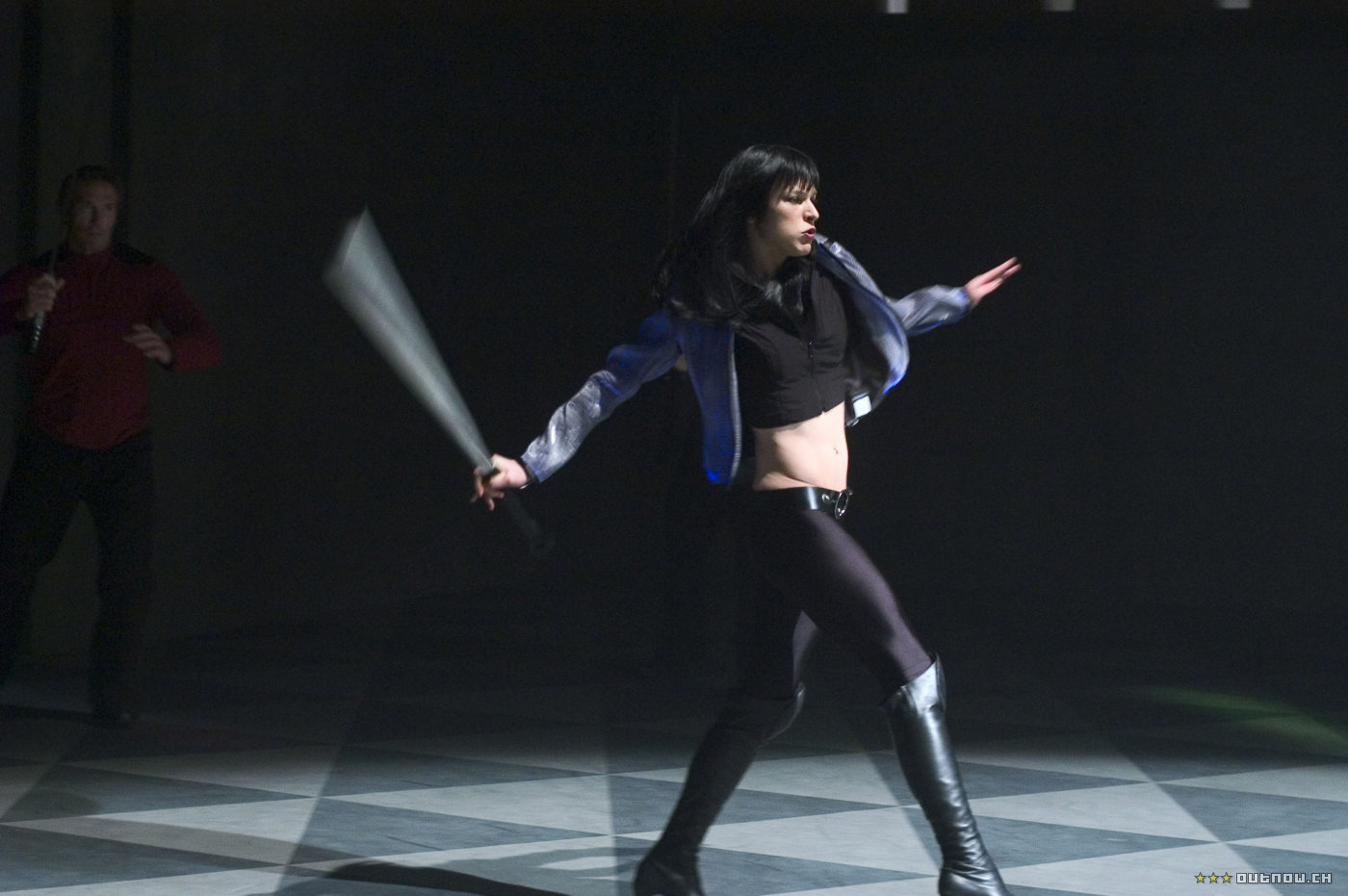
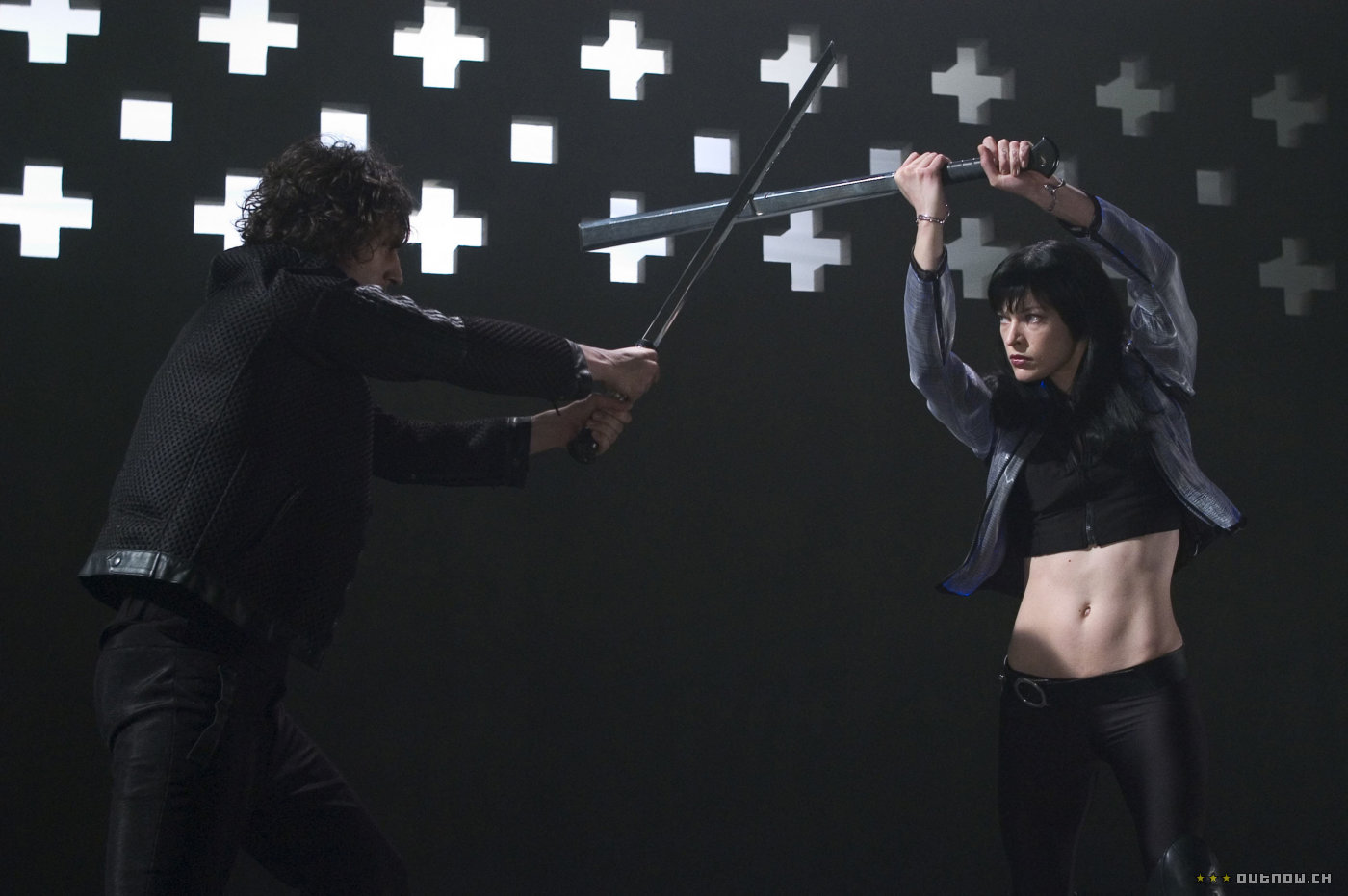
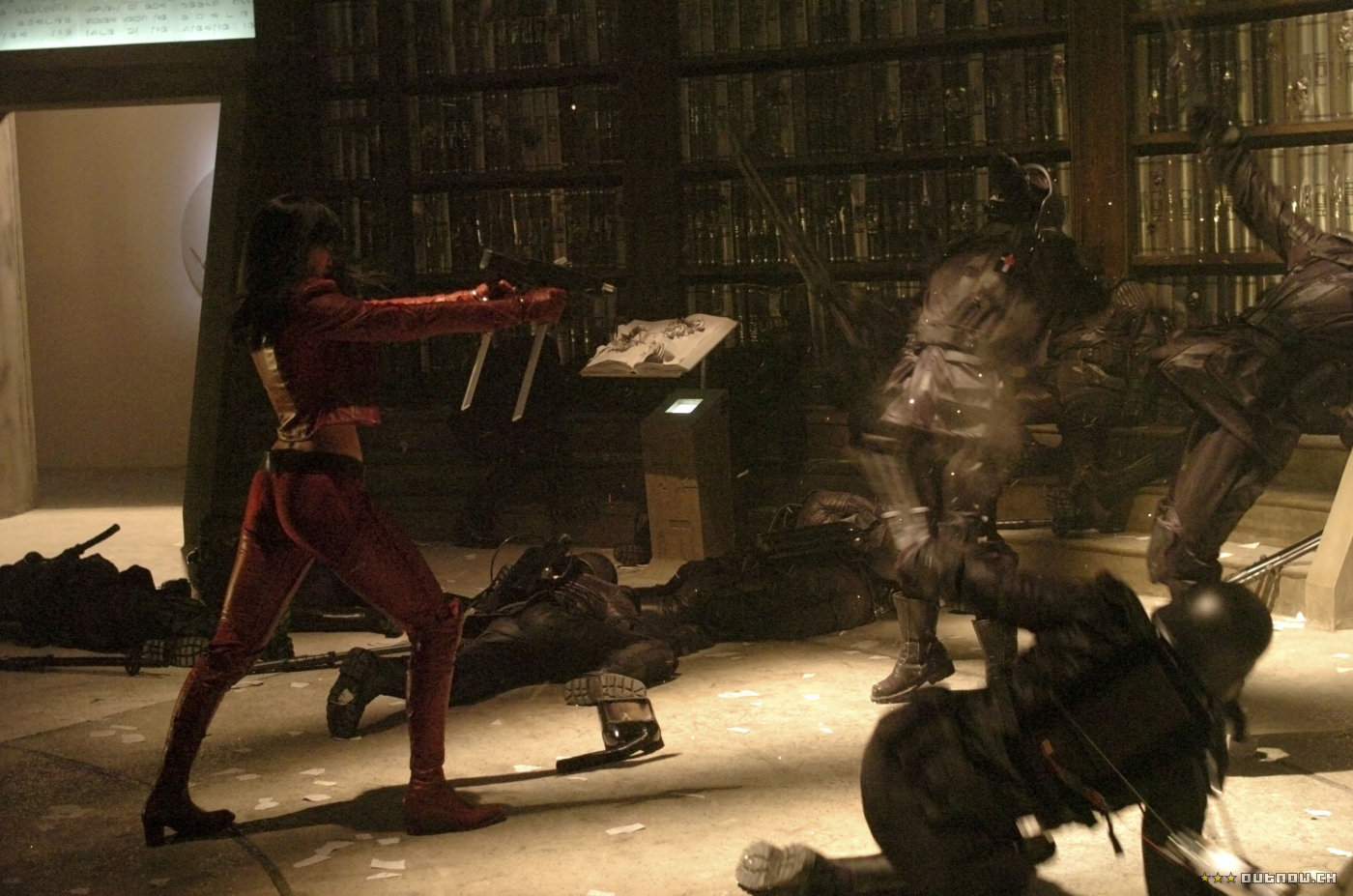
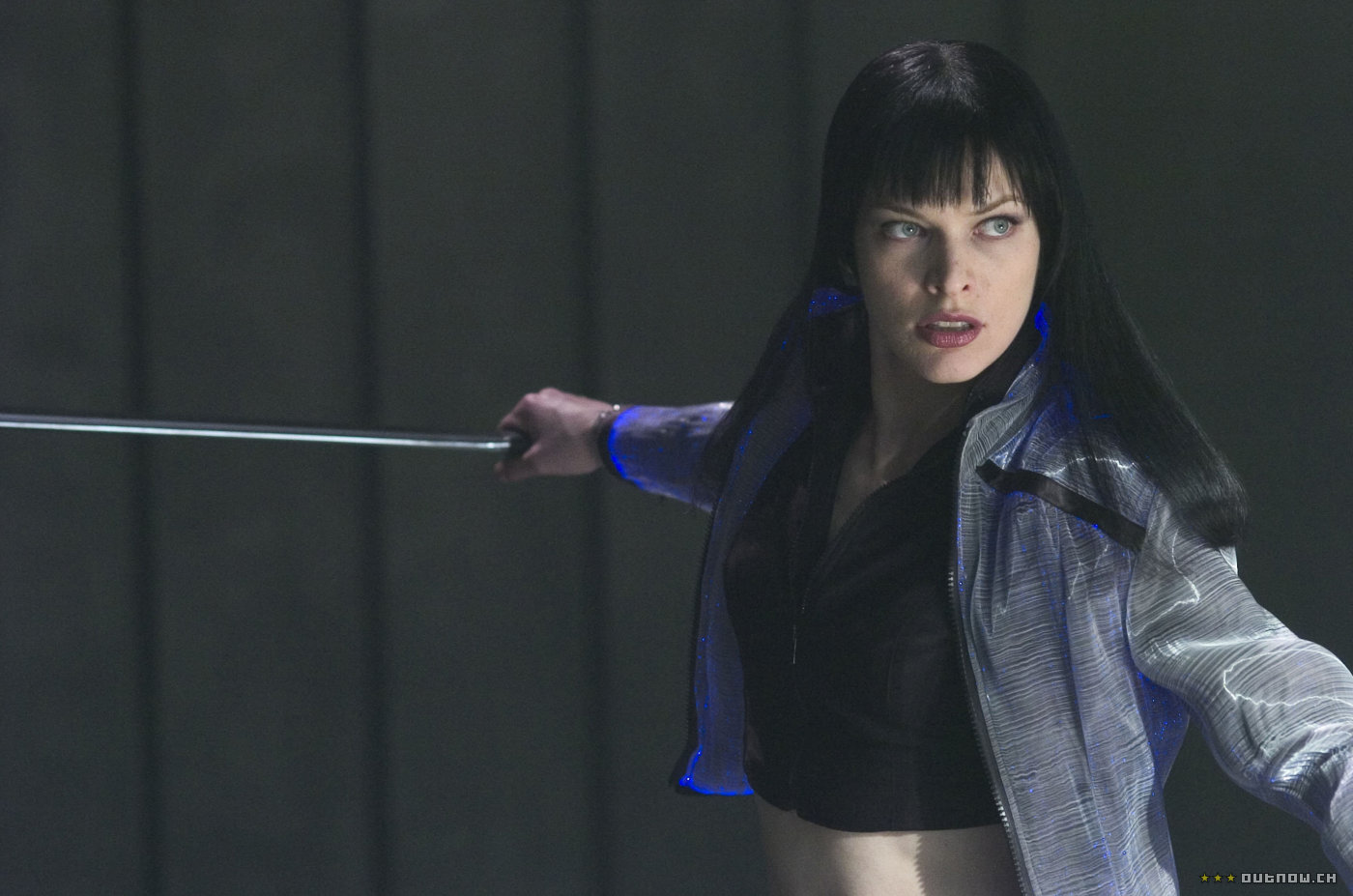
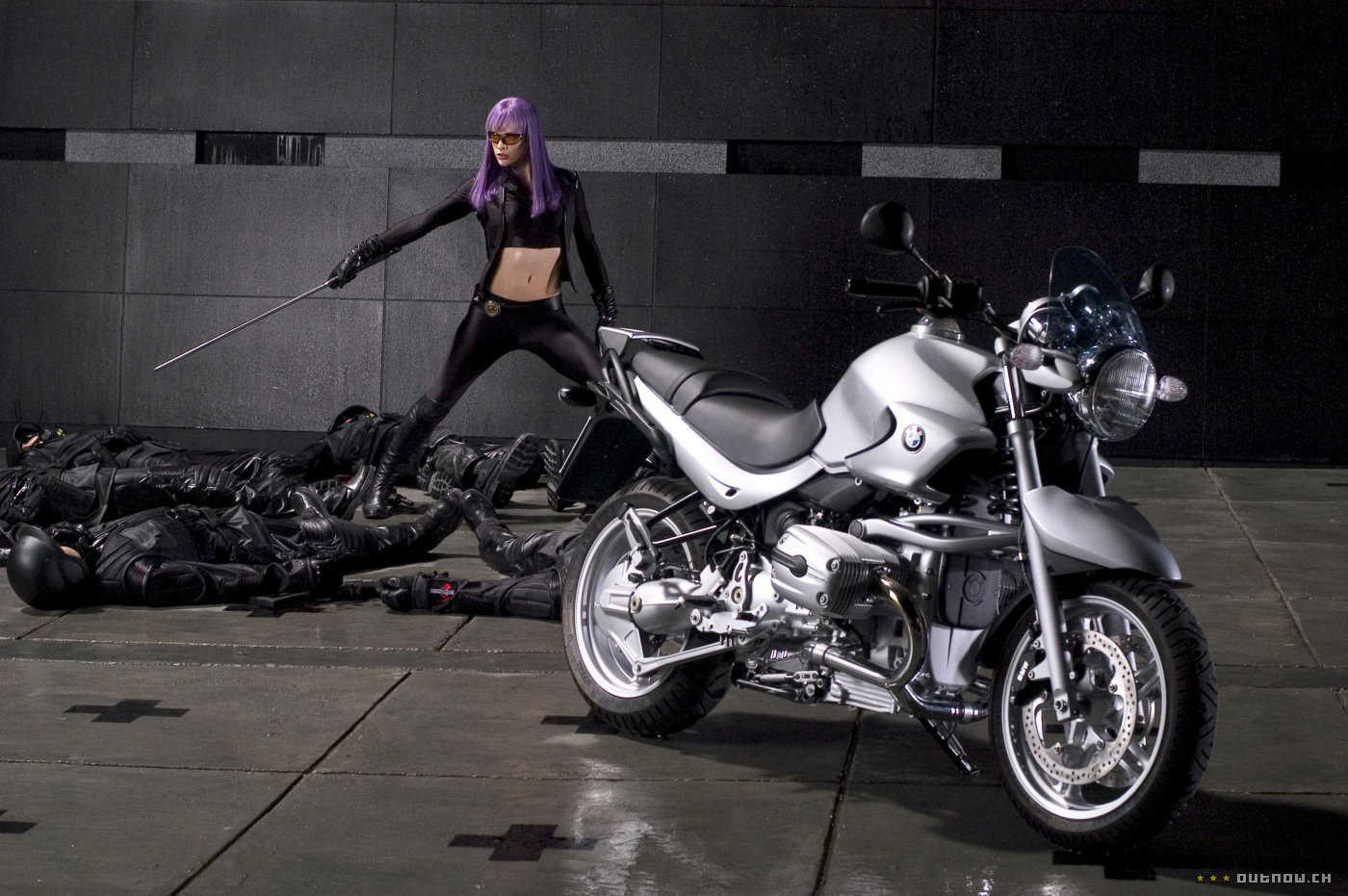
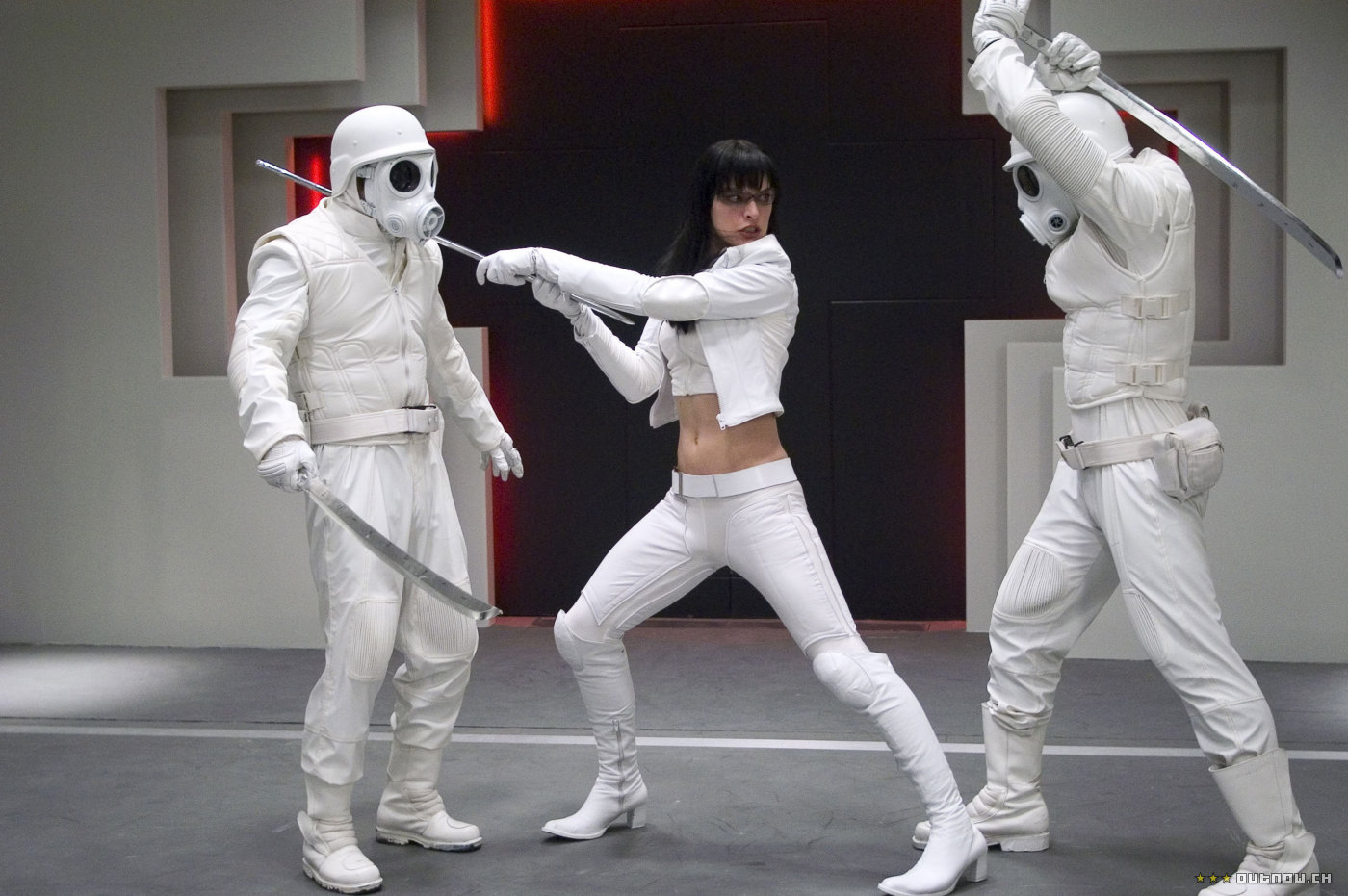
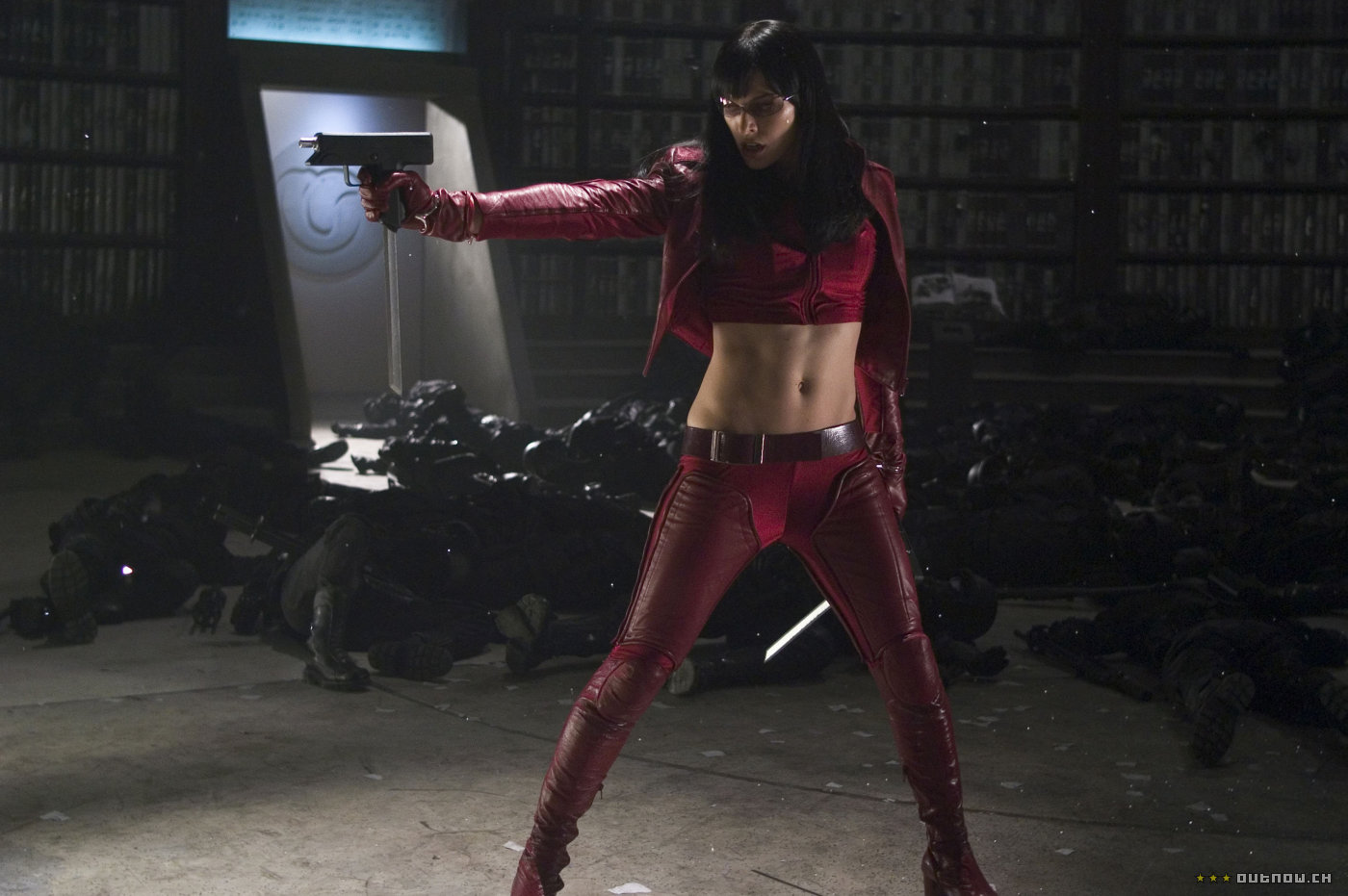
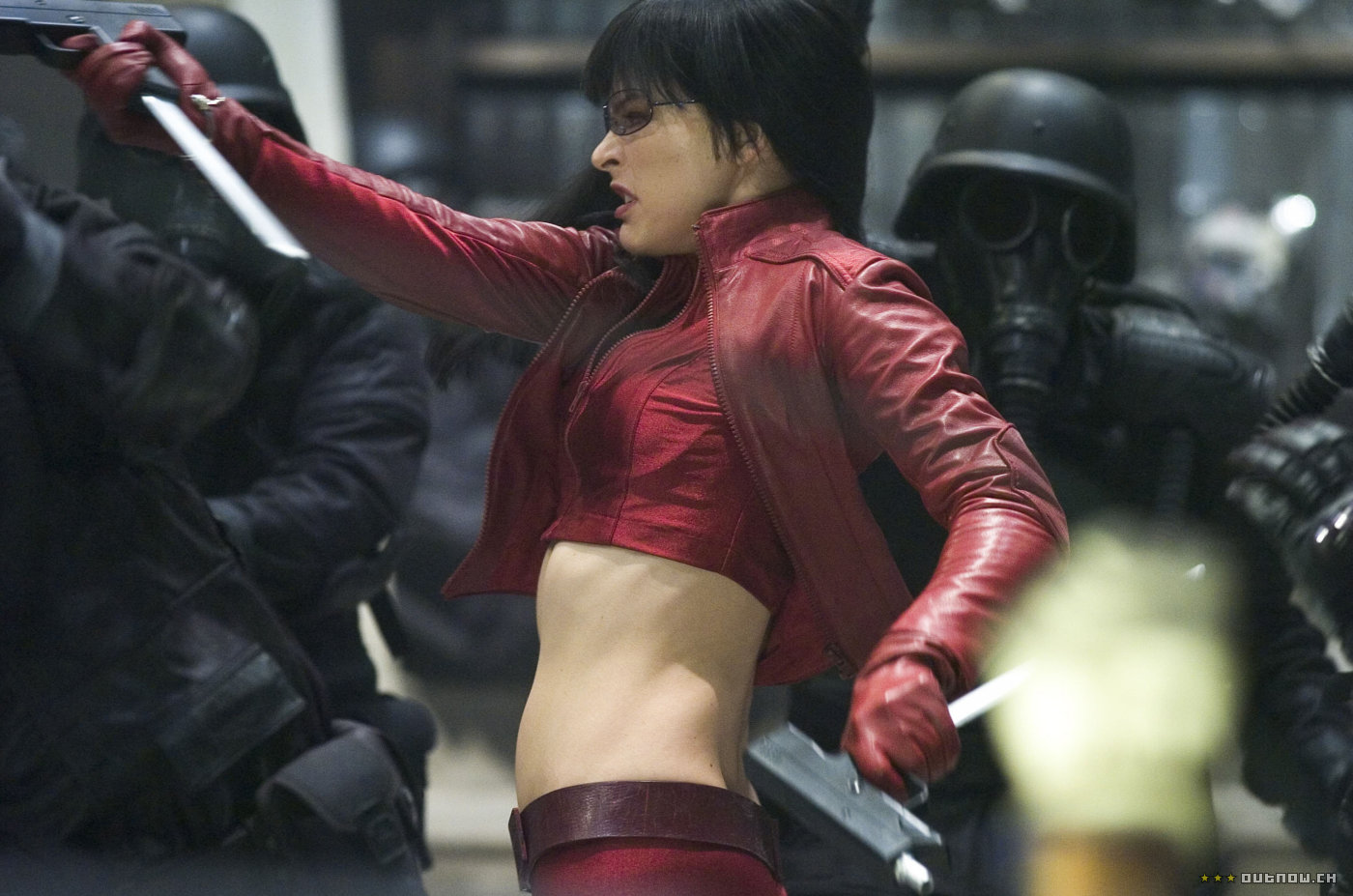
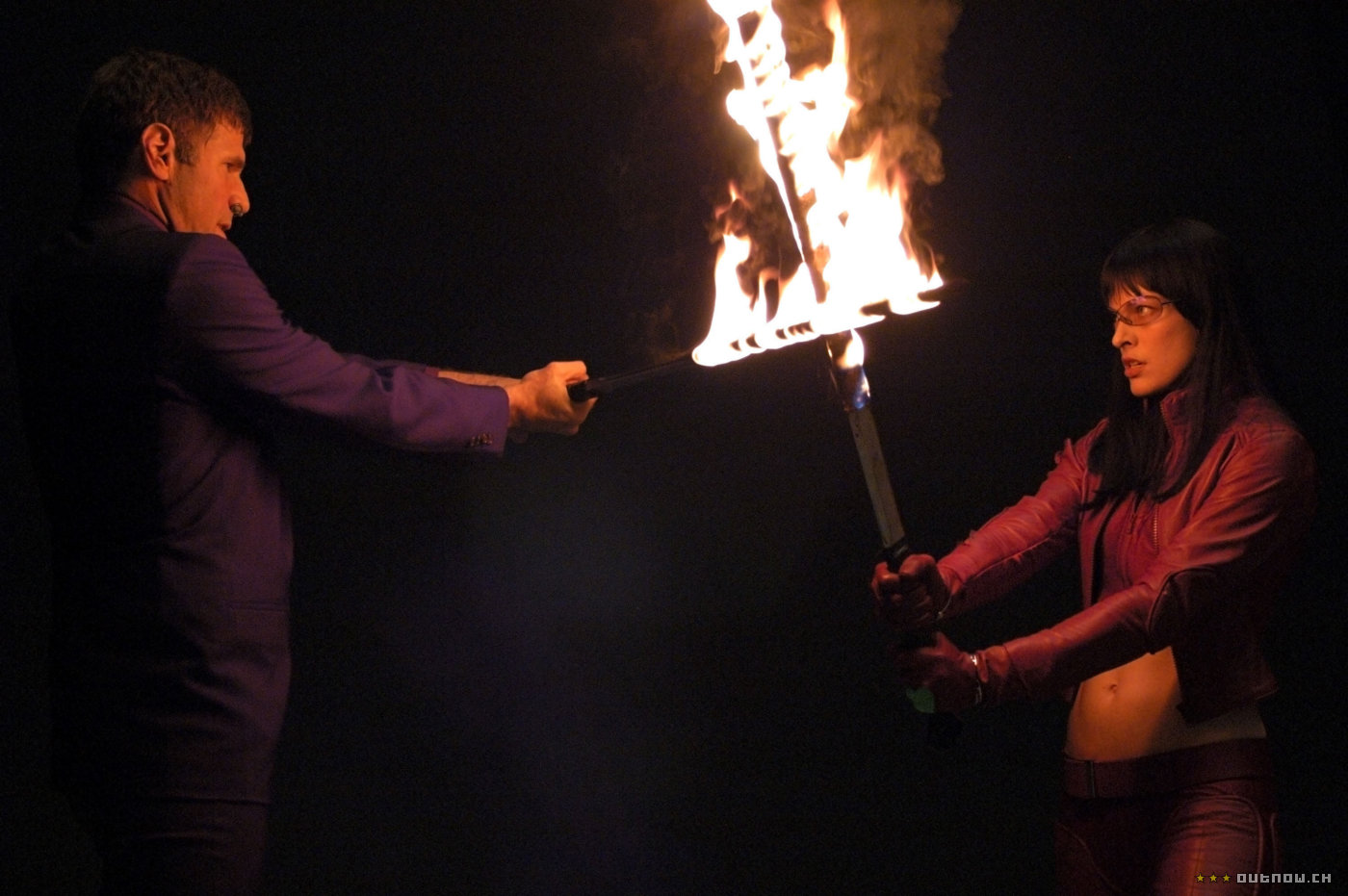
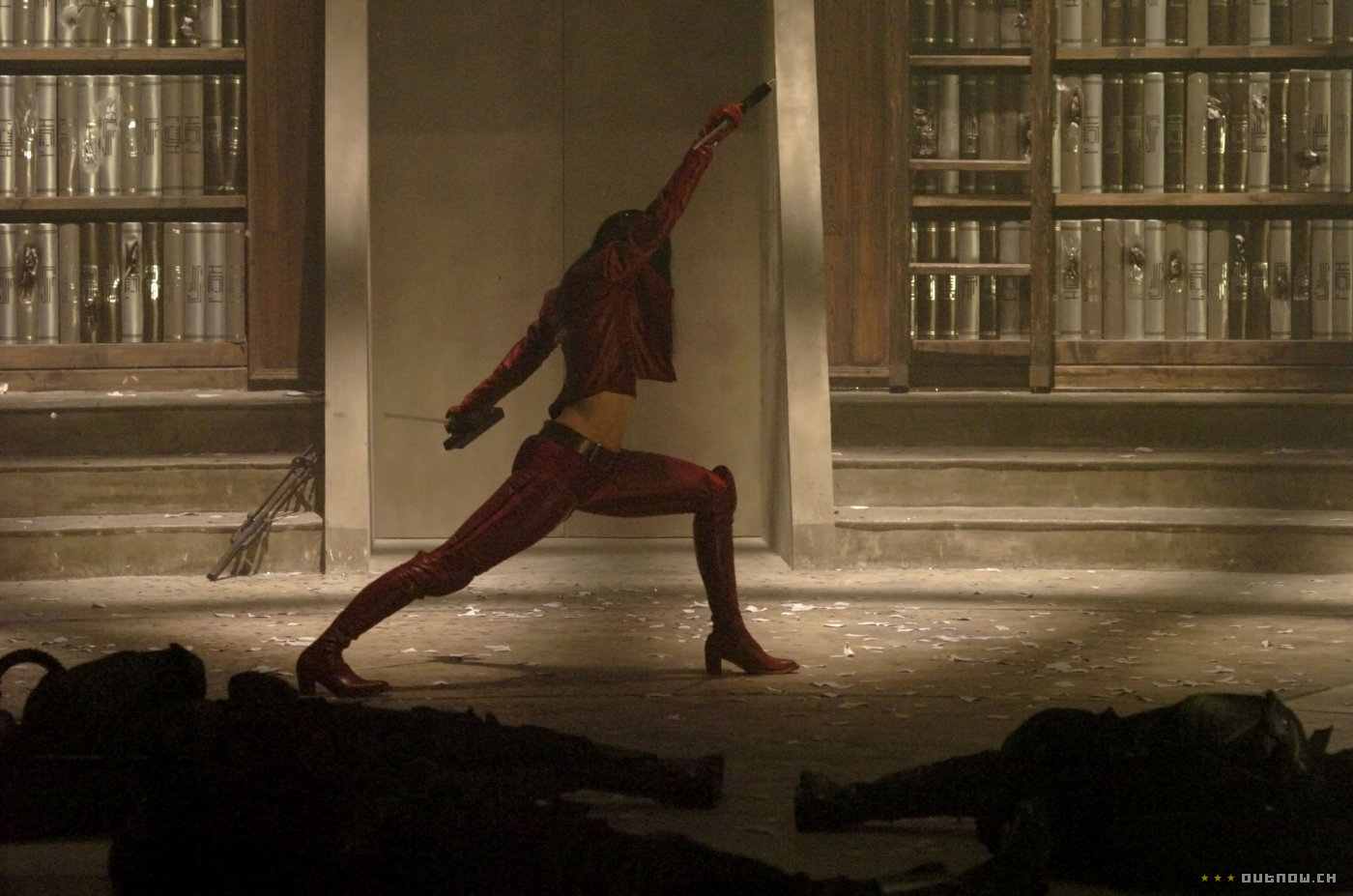
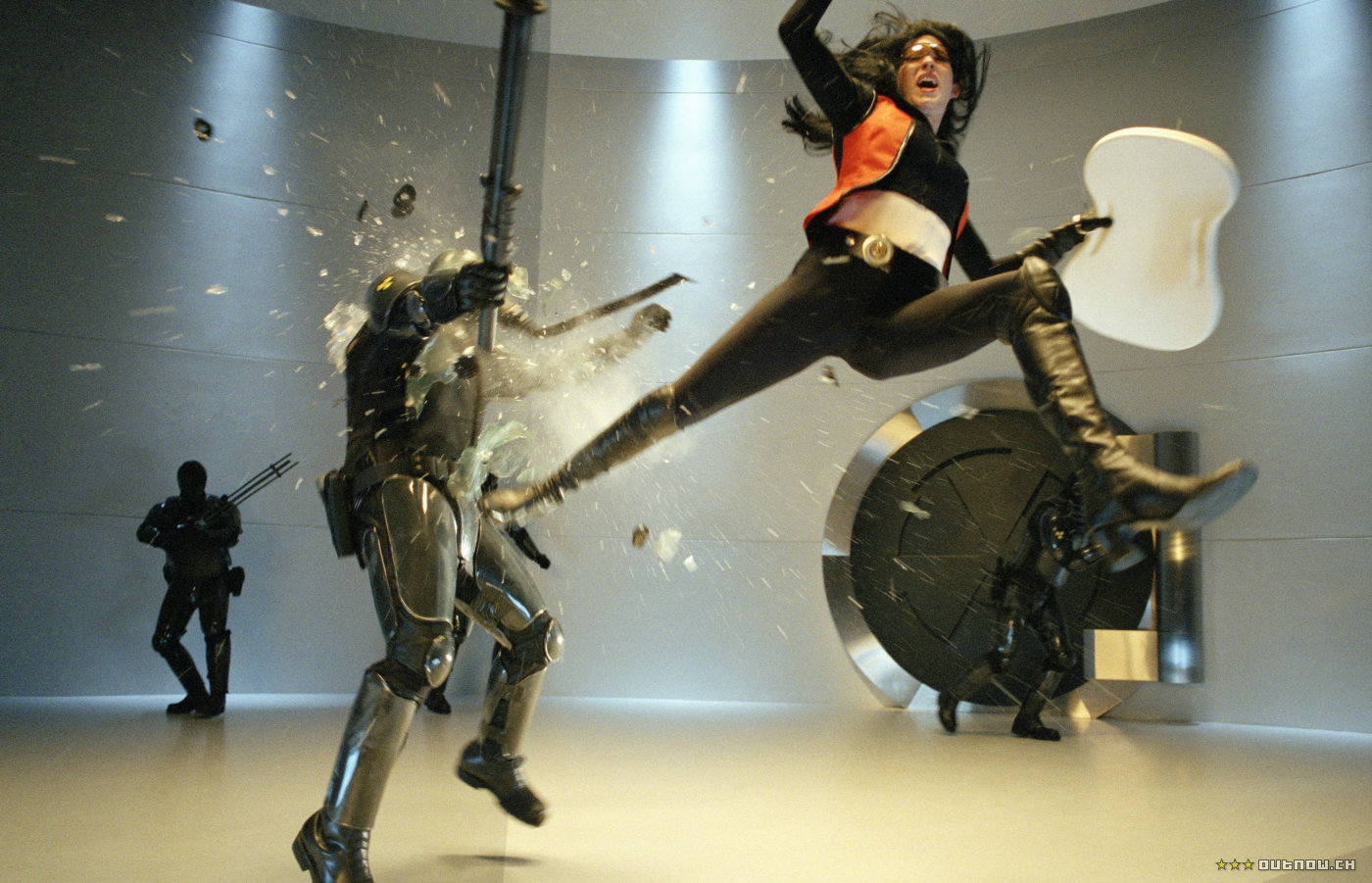
★★★★½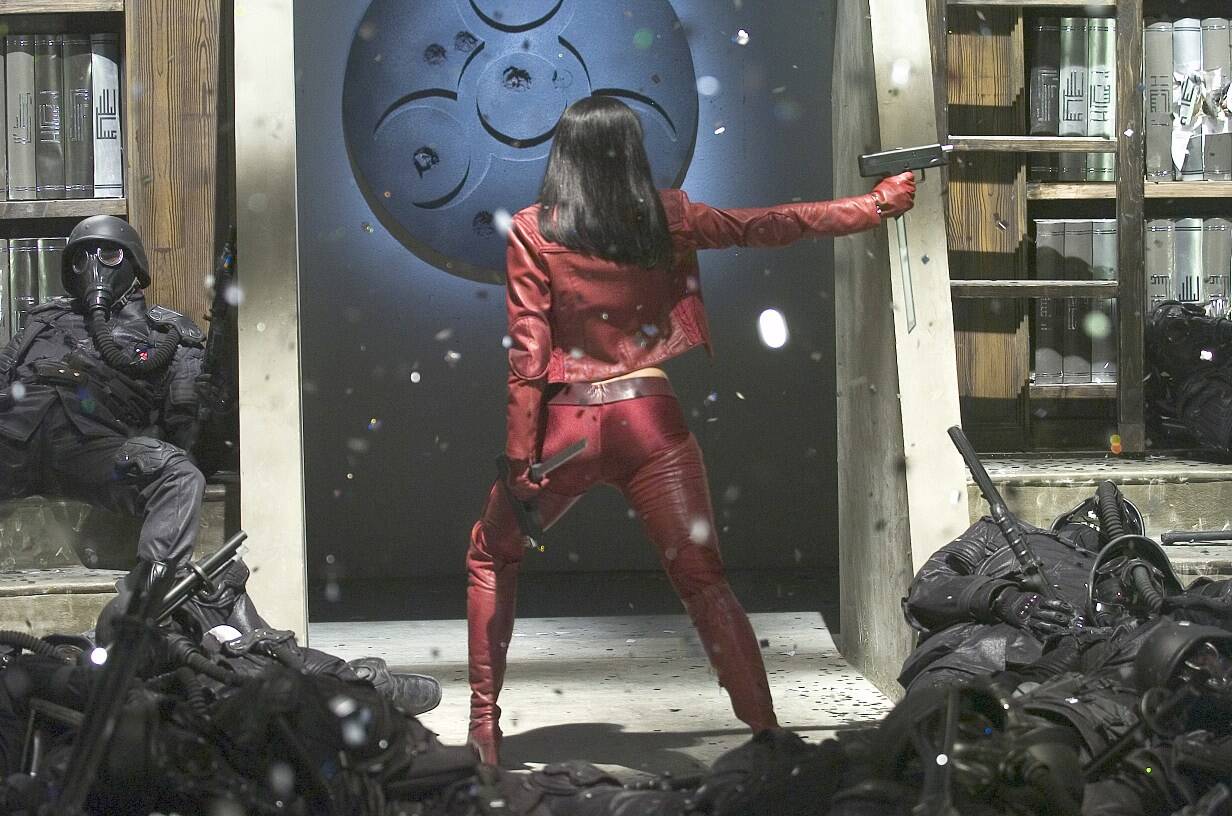 As with Resident Evil, the main asset is Jovovich, who projects just the right mix of chic bad-ass – her belly-button gets so much screen time, it deserved its own credit – with wardrobe and hair changing colour in synch with her mood [and, I believe, it’s far more likely nanotech will be used for this kind of thing than, say, curing cancer] When her co-vampires prepare to take her on, pointing out they’re just as fast and strong as she is, her response is, “Yeah, but are you as pissed-off as I am?”. It’s hard to imagine any other actress who’d come out with such a cheesy line and get away with it.
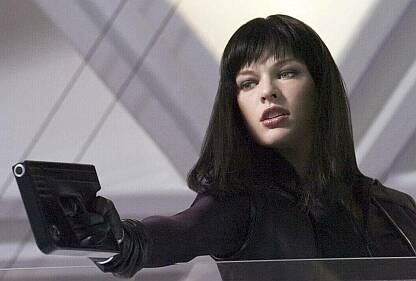 Otherwise, however, the action is excellent, CGI enhancing the impact of the fights. There is a certain sameness, it must be admitted – Violet faces multiple opponents and kicks their arses from here to next week – but Wimmer takes this basic theme and runs enough variations on it that it doesn’t become boring. Visually, it is hard to work out where the sets stop and the plentiful effects work begins (to some extent, that’s true of the supporting cast as well, who don’t have really have much to do, and may be avatars). Either way, it looks fairly good, given the budget: as noted, it isn’t going for photorealism, though the motorcycle chase did look more like an Xbox game. But even little things like disposable mobile phones, indicate genuine thought has gone into the edges. Perhaps more so than the plot, truth be told.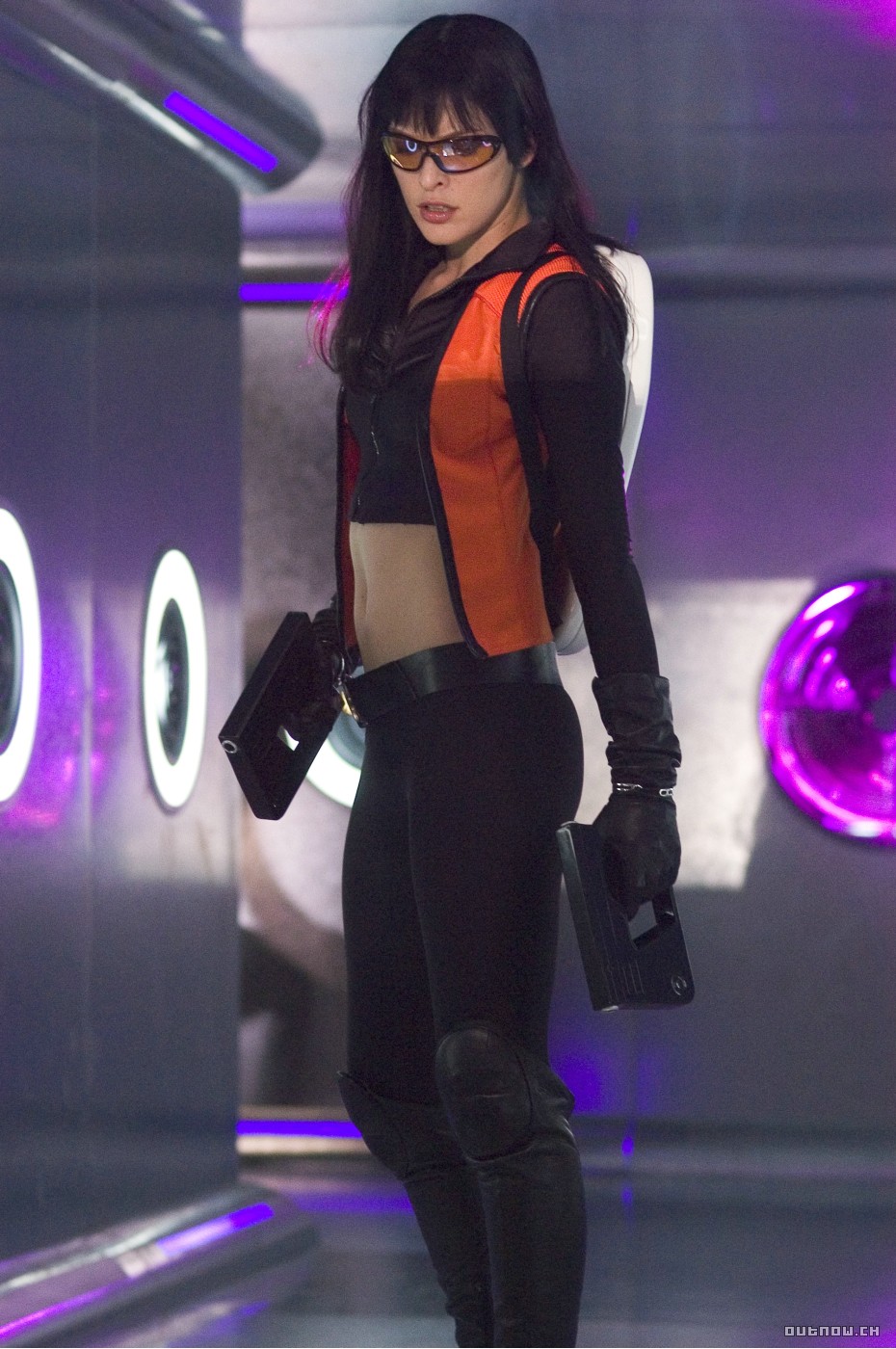

















 ★★★★
★★★★ But to quote one character in the movie, “Bitches from
  It becomes like having Andrea Dworkin yelling in your face for two hours, yet the film’s moral is that if women empower themselves, death inevitably results. Khouri seems to be saying, “You can only beat the system by suicide,” while the patriarchy watches from behind its sunglasses and firearms. We

 I feel a certain camaraderie with Arnie, since I’ve largely grown up alongside this series of movies, which is probably his finest work. I was at university when the first one came out; the second saw me living the life of a bachelor in London; and the latest installment finds me a happily married man in Arizona. Just as I’ve evolved, so have his opponents: they’ve become harder, faster and more difficult to kill; my sarcasm has been honed to a lethal edge, thanks to living with two teenagers and a pair of dogs.
 The plot is effectively a retread of the previous entry, with John Connor (Stahl) a drug-confused member of the underclass since his mother died of leukemia (possibly Hollywoodese for “Linda Hamilton wanted too much money”). He goes on the run with former schoolmate Kate (Danes), whose father just happens to be the guy in charge of SkyNet. What are the odds against that? These two are supposed to meet and fall in love, but there’s a bump on their road to happiness, in the shape of a nuclear war due to start at 6:18 pm that night.
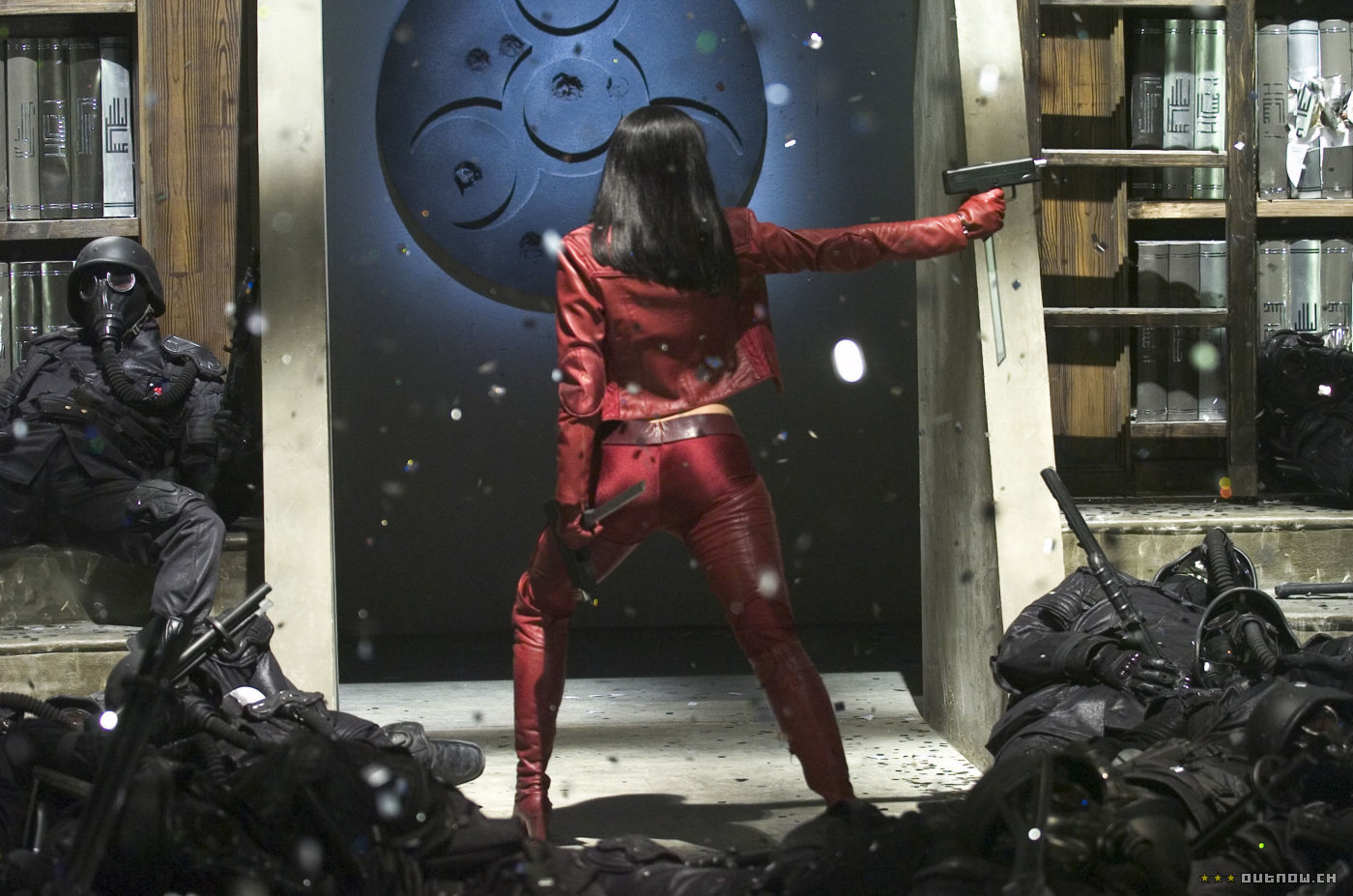
 One interesting point, is that nobody ever mentions the T-X’s gender. The concept certainly held potential for a lot of PMS-type comments, but save for one minor joke involving Victoria’s Secret, sexuality is entirely kept out of things. The T-X, with her impossibly perfect hair and the coolest red leather jacket worn by a actress playing a superviolent female robot since Eve of Destruction, just goes about her business like an evil babysitter.