



★★
“Approximately 900 times longer than the song which inspired it.”
 “A woman, if she loves a man, can give him her life.
But you must be careful if this woman is hurt,
For betrayal and smuggling are incompatible.”
— Contrabando y Traición, by Los Tigres del Norte
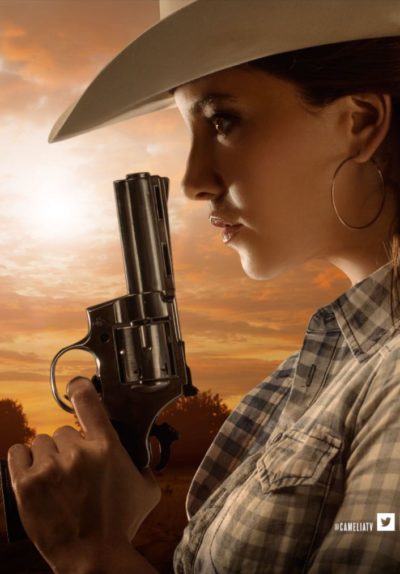
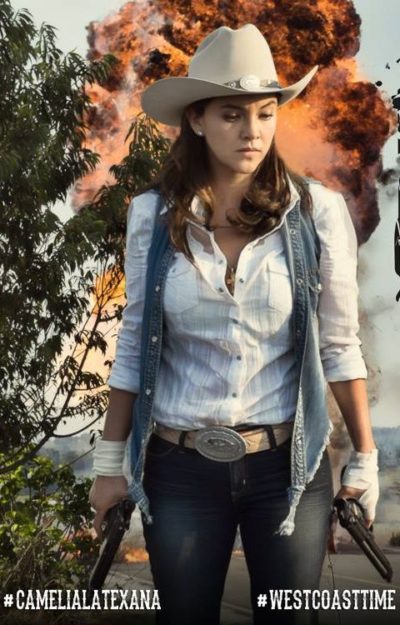
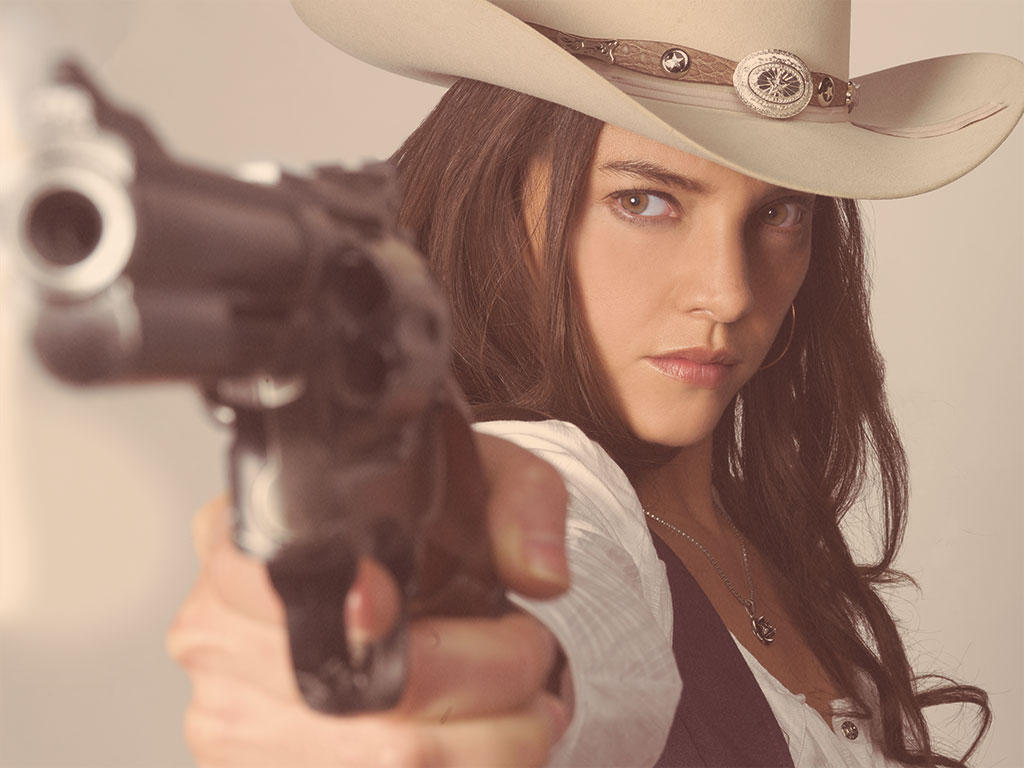
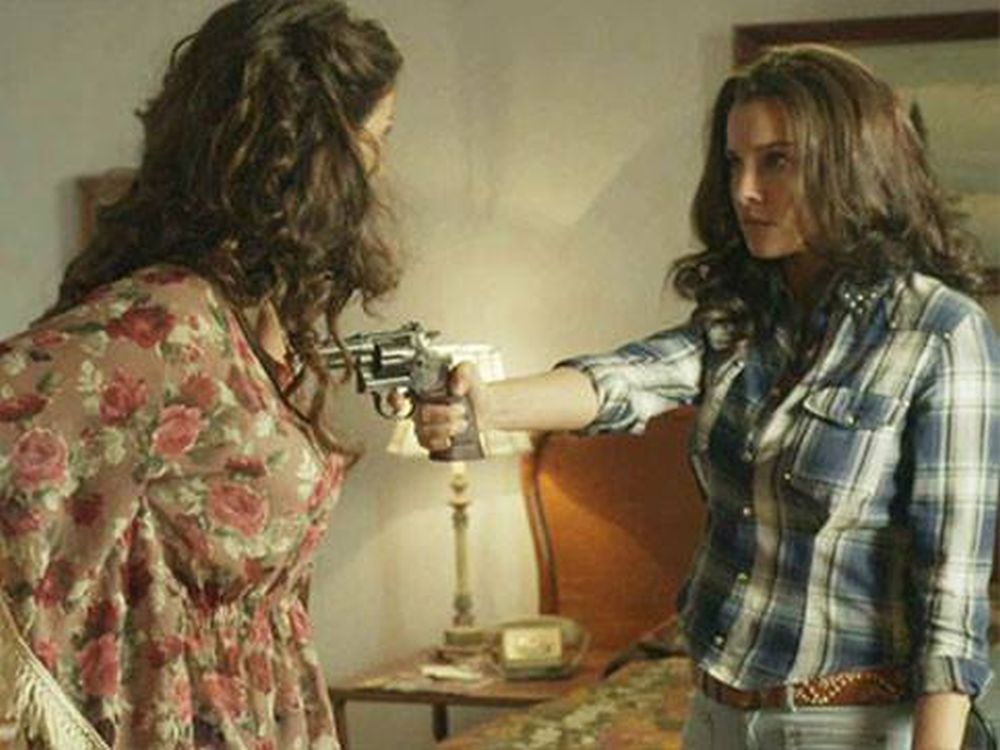
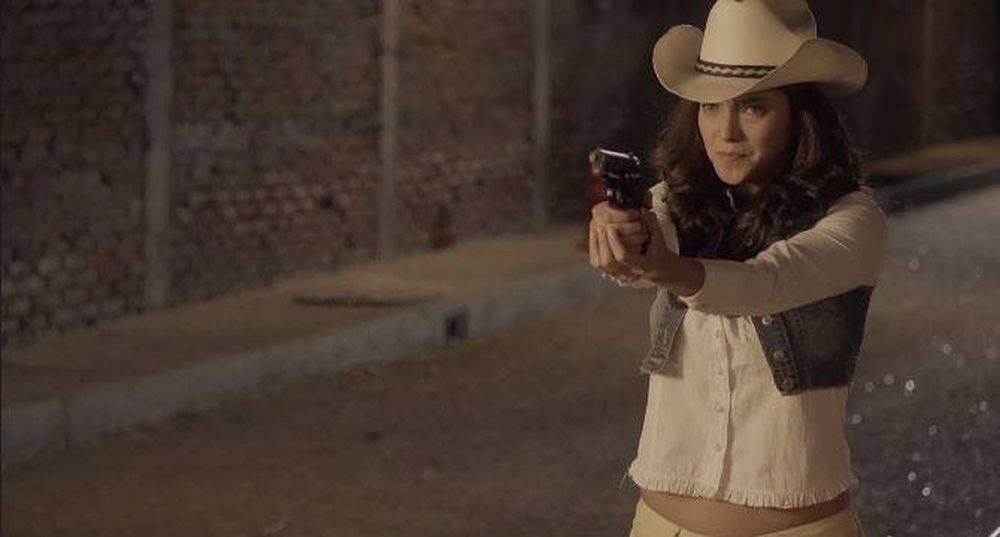
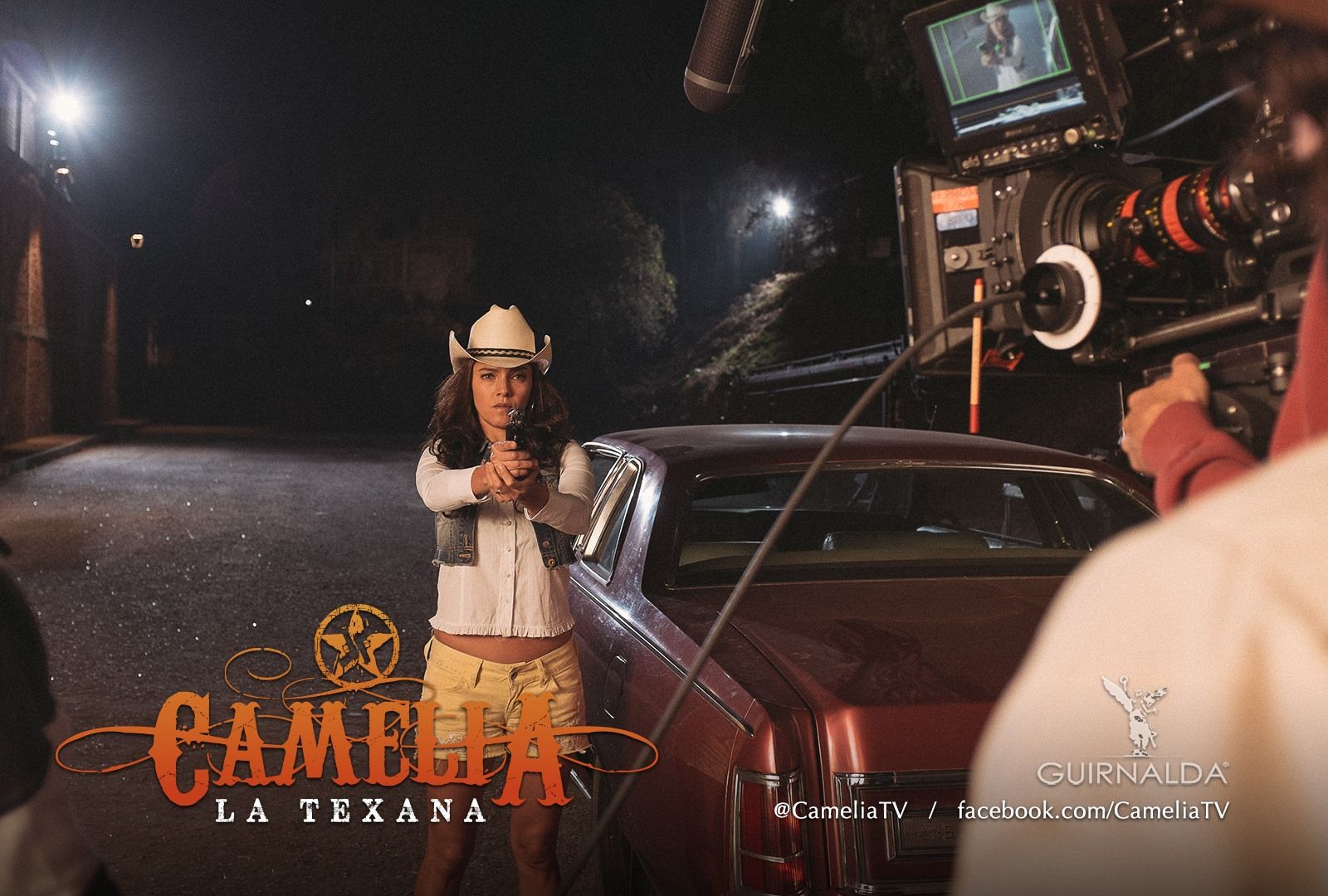
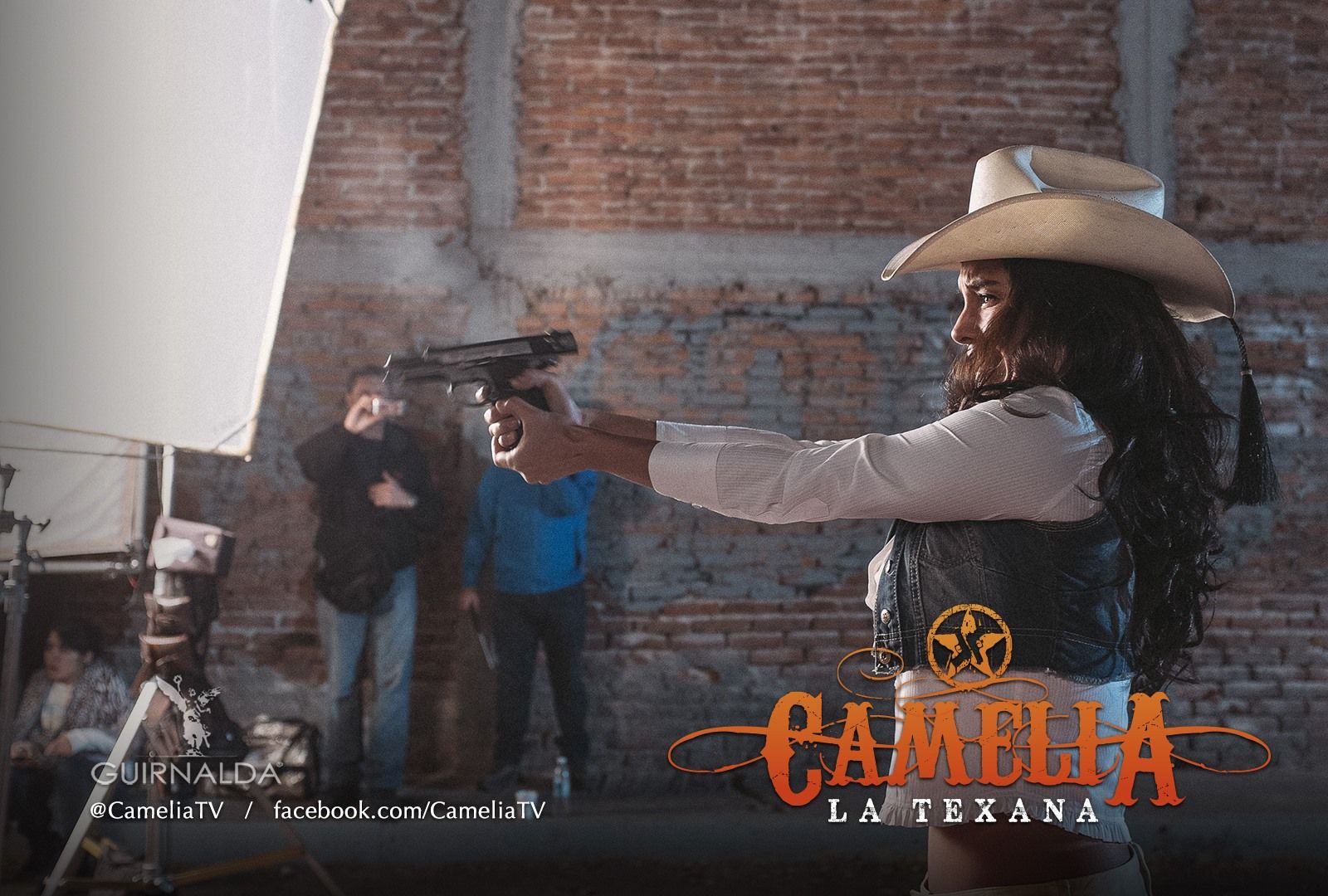
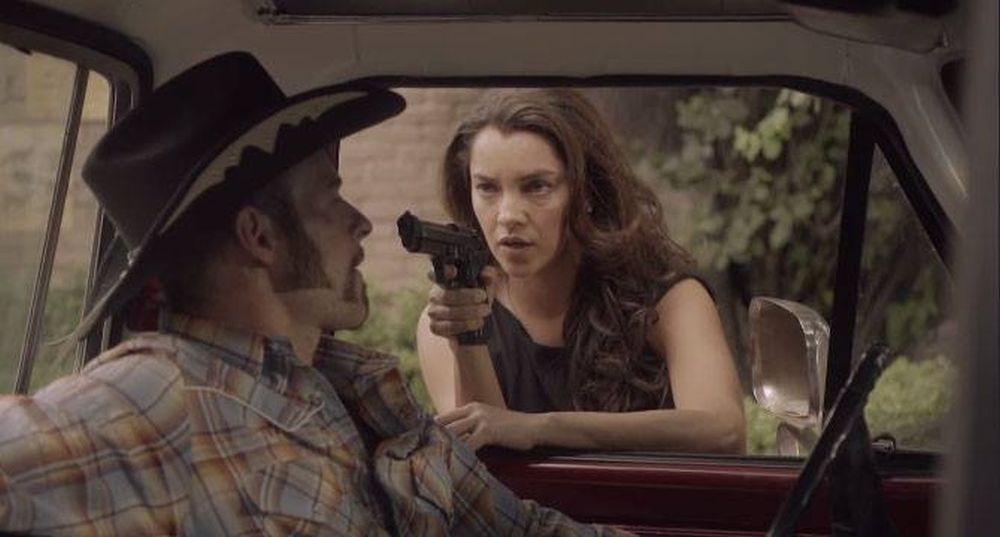
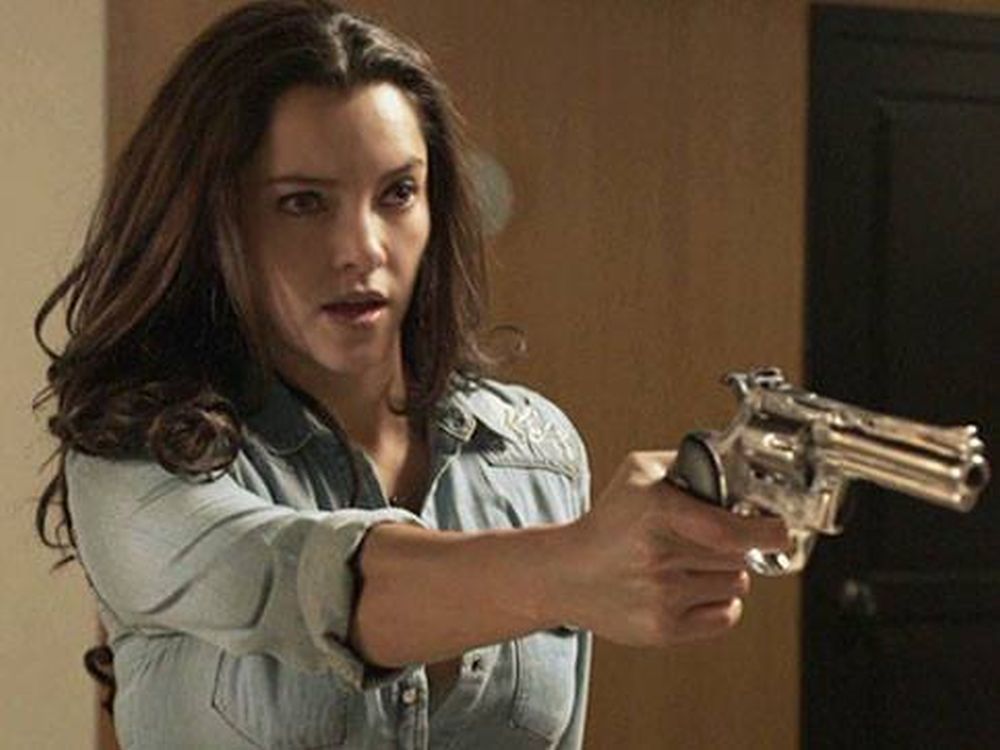
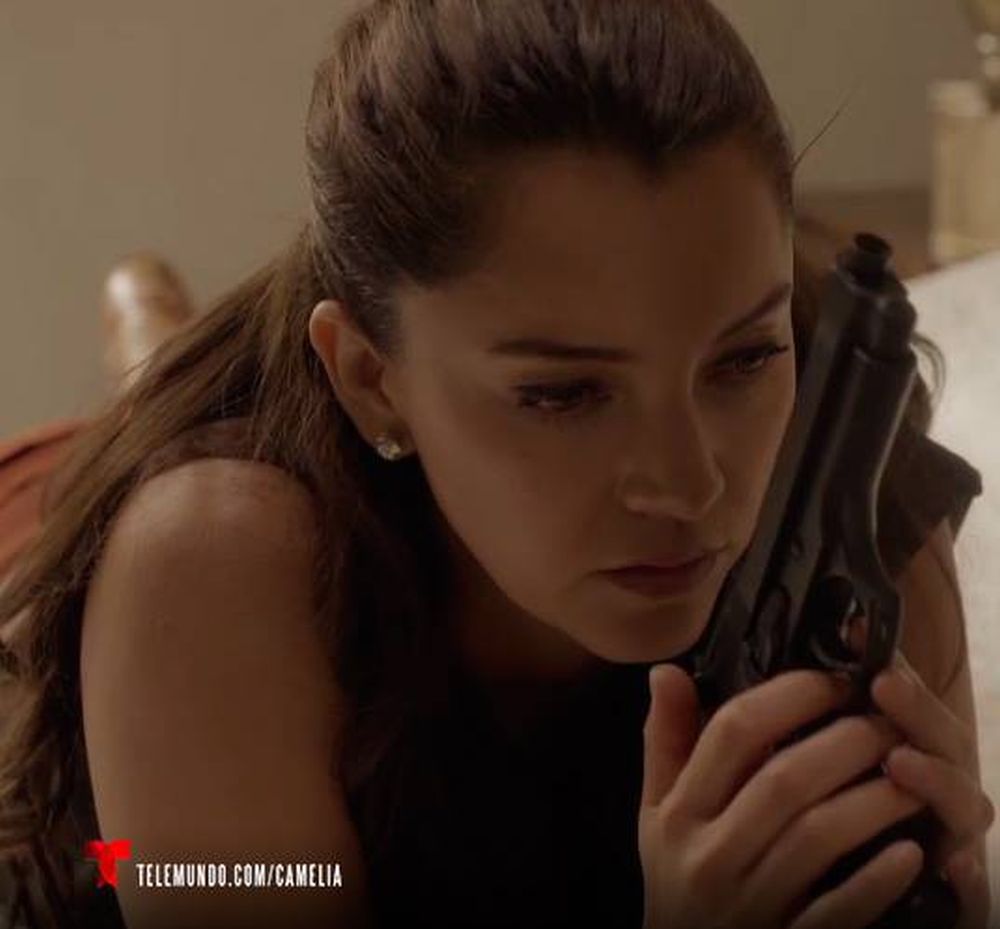
I almost gave up after 20 episodes, as it had largely degenerated into a telenovela version of American Idol. [Seriously: the heroine had partnered up with a wannabe singer, trying to break into show-business] But literally in episode 20, Camelia finally got her act together. She gunned down both a corrupt Border Patrol officer, then pumped seven rounds into her boyfriend after he announced he was going back to his wife and child. Ok, I’ll watch a bit further. Turns out, the show seemed to operate on 10-episode arcs. Episode 30 saw a Godfather-like wedding massacre, which rewarmed my interest. By part 40, we had a former Interpol agent, who had taken the veil and was hiding out in a convent, while still having her “very particular set of skills” And at the 50th show… Well, we were close enough to the end – the series had 60 episodes – it seemed kinda pointless to stop.
The problems were the nine episodes in between, which were much more a chore than a pleasure. The basic story has Camelia (Maldonado) being seduced away from her family in San Antonio, Texas, and ambitions of a career in dentistry, by hunky Emilio Varela (Hayser). He’s working for drug lord Antonio Treviño (Gama), who is actually Camelia’s father, and who wants her to join him in Mexico. Emilio’s mission diverts badly off-book, and ends up dying in a Californian back-alley. Thereafter, it’s a meandering tale involving the battles for turf between Don Trevino and his rival, Arnulfo Navarro, as well as the extended families on both sides, and various other elements, such as corrupt Army officer General Urdapilleta, who may (or may not) also be a serial killer.
This will happen: significant expansion is obviously needed when you adapt a three-minute song into about 45 hours of TV drama. For the inspiration here was 1972 song Contrabando y Traición, by Los Tigres del Norte. While colloquially known as “Camelia la Texana,” the original title of this narcocorrida – a genre once described as “gangster rap with tubas and accordions” – translates as “Smuggling and Betrayal.” That’s a fairly accurate summary of both the song and the series. It tells of a couple who drive from Tijuana to LA with marijuana in their car tires. There, as in the show, Emilio tells Camelia he’s breaking up with her after they cash in their cargo. The result? “Seven gunshots rang out, Camelia killed Emilio/All the police found was a discarded pistol/Of the money and Camelia, nothing more was ever known.”
 The song had previously been adapted into a 1977 film, starring Ana Luisa Peluffo and Valentín Trujillo – though the dynamic was rather different there, with the leading lady being a couple of decades older than her lover. (More than 20 years earlier, Peluffo had caused a significant scandal, when she appeared nude in 1955’s La fuerza del deseo, the first such scene in Mexican cinema) The song was also adapted into an opera in 2008, and has been acknowledged by Arturo Pérez-Reverte as a significant inspiration for his novel, La Reina Del Sur. The author said, “The day I heard Camelia La Tejana, I felt the need to write the lyrics of one of those songs myself.“
It’s an interesting decision to set the series in the seventies, at the time the song was released, rather than in the contemporary era. Though, outside of the cars and the preponderance of vintage facial hair, it’s easy to forget this is a period piece. The story is little more than a hodge-podge of telenovela cliches, semi-randomly stitched together. Emilio has a twin brother! Unexpected pregnancies! Long-lost siblings. And vengeance. Damn. So much vengeance, to the point that it was more of a surprise on the rare occasions when somebody didn’t have a deeply-held grudge. Emilio’s wife Alison against Camilla, for killing her husband. Don Trevino’s current wife, Lu, against the previous occupant of the position, Camilla’s mother, for rendering her infertile. Navarro against Camilla, for burning his face at a cockfight. And so on.
Hell, even ten-year-old blind girl Alma (Ana Paula d’León) is seeking revenge on those who killed her parents, before her adoption by Don Treviño. She’s actually one of the more interesting supporting characters, because she seems to have second sight, able to see things before they happen, and act to prevent them. It’s a shame the story lose sinterest in her entirely during the second half, because this concept could have developed in a number of intriguing ways. Someone with Alma’s talent would be a great weapon for any drug cartel, effectively keeping them one step ahead of their enemies. She’s not the only decent supporting character: “Queens of the South” La Nacha in the first half, and Concepción “La Cuquis” Olvera during the latter stages, both demonstrate it’s not just a man’s world.
Unfortunately, these delights are all rather minor. The great bulk of the episodes are unaffecting, not least due to a heroine whose middle names appear to be “Questionable Life Choices”. If there’s a poor decision to be made… Camilla makes it, with an inevitability previously associated only with characters from 19th-century Russian novels. Up until the very last episode, she’s less an action heroine than a reaction heroine, and you would probably need two hands to count all the female characters elsewhere in this show, who are more interesting than Camelia. The series seems tacitly to accept this, hence falling back on a tangle of subplots in which the supposed heroine is only tangentially involved.
The series ended as it had consistently done throughout: another 10-episode arc, ending in interest being piqued once more. [Spoiler warning] Camelia became the head of the Treviño family, and took her revenge on Navarro, spitting out the line, “No man made me a legend. I chose my own life, and I’ll choose my own death.” But there was also a schism, with Alma and Lu heading off, suggesting they would go up against Camelia in a second series. However, it has now been more than three and a half years since the first season ended, and the chances of any sequel seem increasingly slim. It isn’t too surprising. Adapting a three-minute pop song into a movie can be done: Convoy and Harper Valley PTA come to mind as examples. Stretching it into something of this length, however, is likely a remix too far.
Star: Sara Maldonado, Erik Hayser, Andrés Palacios, Dagoberto Gama





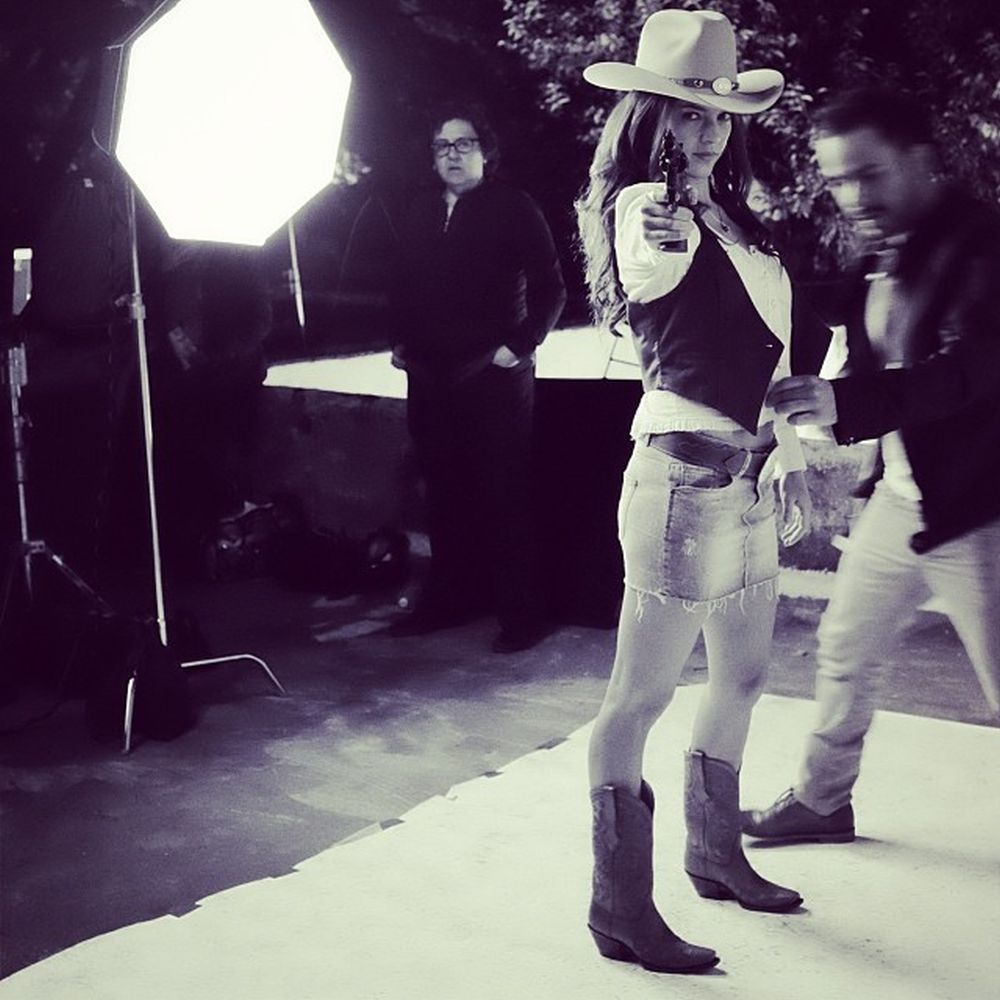
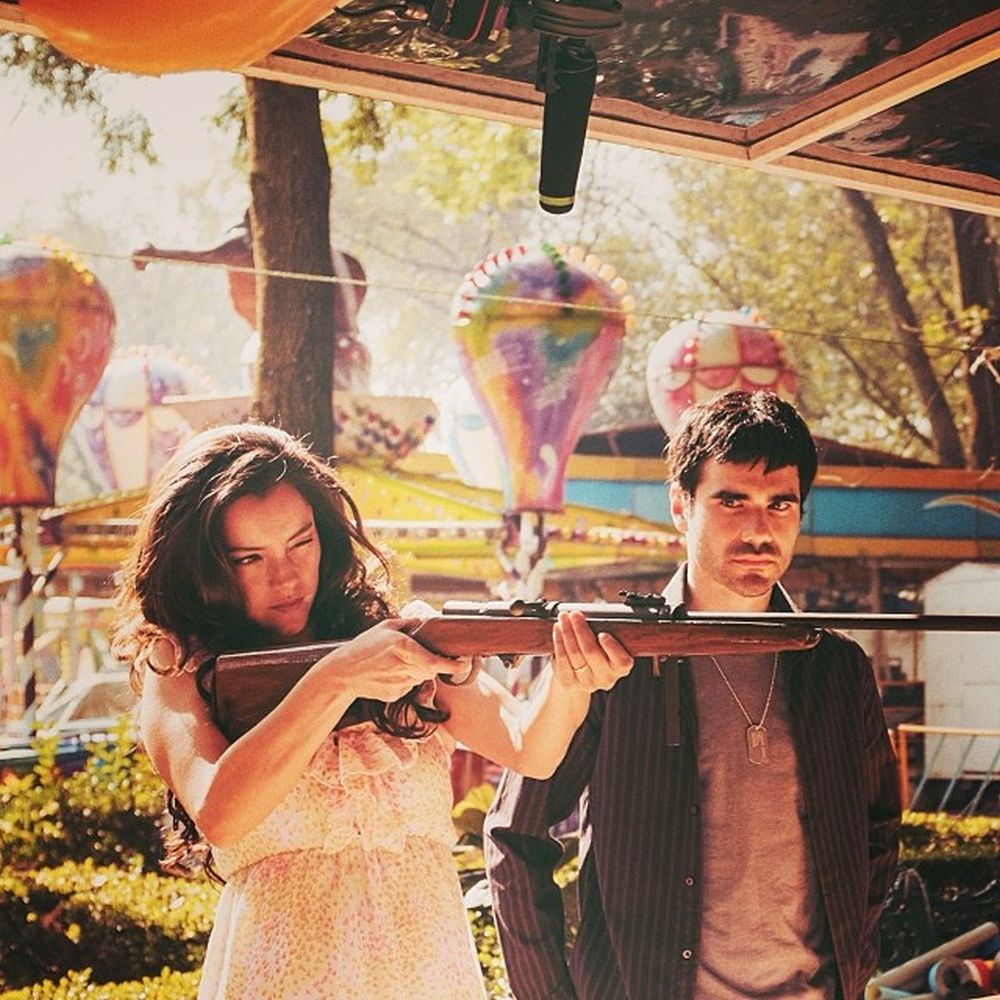
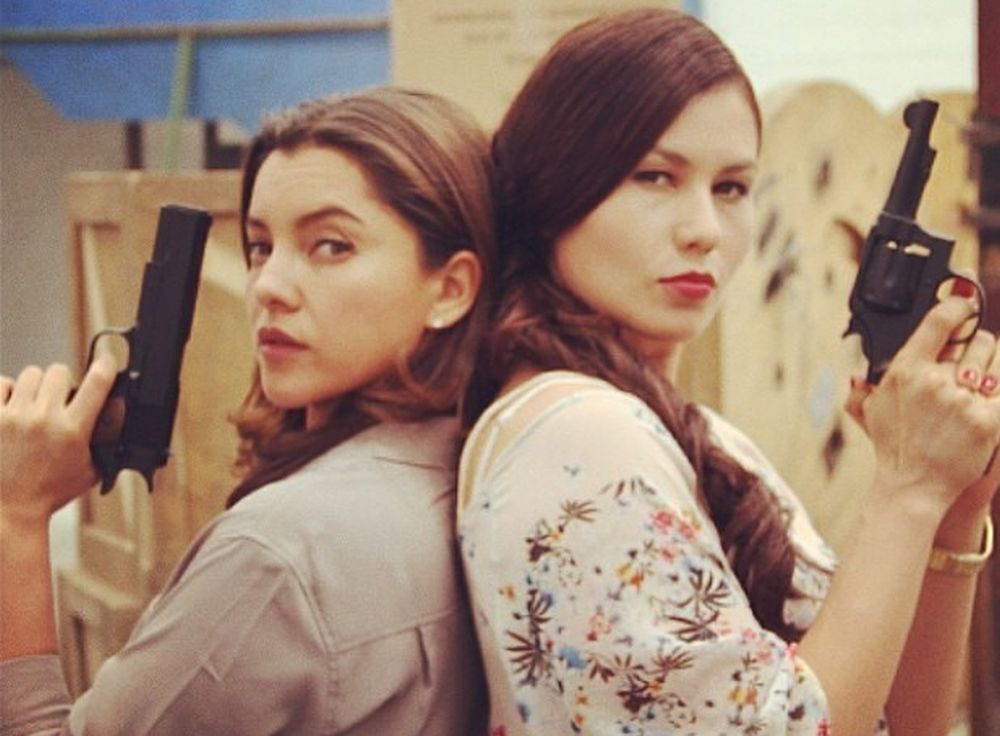
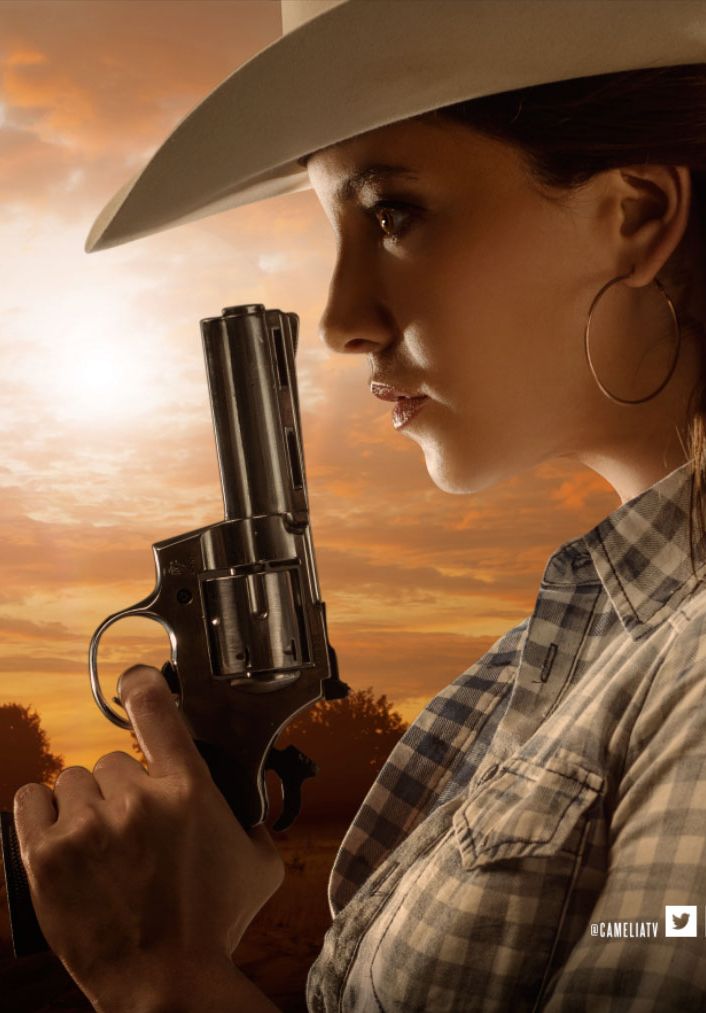
 I’m not kidding. Director Deodato is best known as the man behind one of the most notorious of all “video nasties,” a film which created such a furore, he had to produce the actors to convince the Italian courts he hadn’t killed them. But in almost fifty years of work (he’s still active today), Deodato has done everything from spaghetti Westerns to science-fiction. And more than a decade before Holocaust, back in 1968, he directed this bawdy action-comedy.
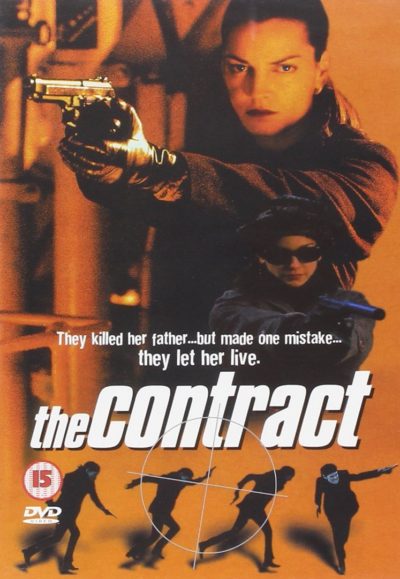 I bumped into this one on a stand of ultra-bargain DVDs, at a truck stop on the way home with Chris from an anniversary trip to Las Vegas. The cover, understandably, piqued my interest: the film didn’t manage to make such an impression, except in intermittent bursts. Hannah (Black) is an assassin, working under the tutelage of her father, Luc (Imbault). He spurns a lucrative contract, smelling a rat: Hannah goes behind his back and takes the job, only for Dad to be proven right, when the hit goes wrong. Luc is killed, leaving Hannah and her oblivious artist boyfriend James (Oliver) on the run from Senator Harmon (Williams). He’s a CIA honcho, who has just announced his plans to run for higher office, and needs to clean up certain elements of his past – now including Hannah and James.
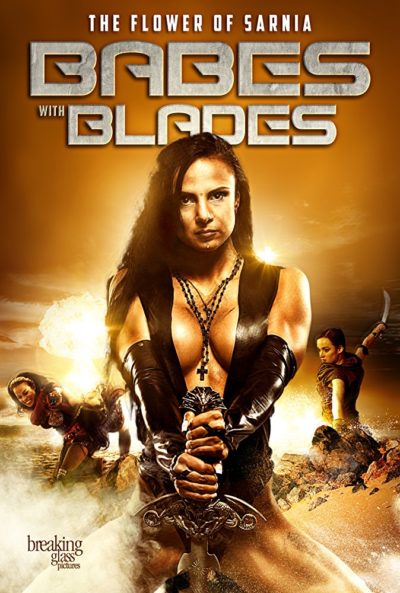 I’m unsure who the woman is on the DVD sleeve. I can only presume it’s Lady Not-Appearing-In-This-Film. For what we have instead seems to be a real labour of love for British stunt-woman Cecily Fay. Though calling her a mere stunt-woman would be selling her short: she also wrote, directed, starred in, edited and scored this feature, plus did the fight choreography and sound re-recording, while sewing every sequin on the costumes herself. Okay, the last might be a bit of a stretch, but since she is also credited as the costume designer… perhaps not. Hell, even Robert Rodriguez doesn’t have such a large collection of hats, and this overwhelming multi-tasking might help explain why it took close to five years between the start of filming and its eventual release. The main problem is that Fay’s talents, while considerable, are not equally spread.
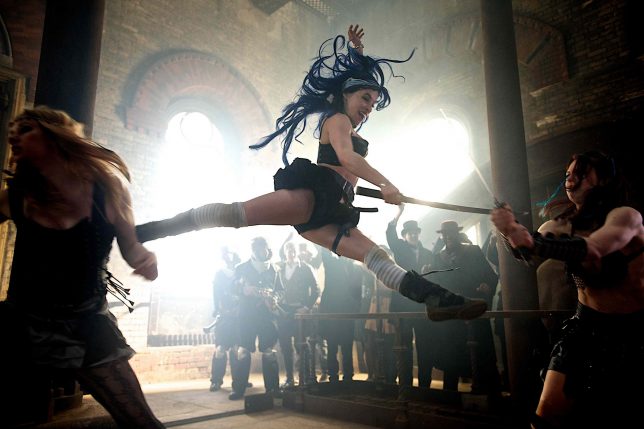 More positively, we have Fay’s acting and directorial talents. The former isn’t much of a surprise, as I enjoyed her performance in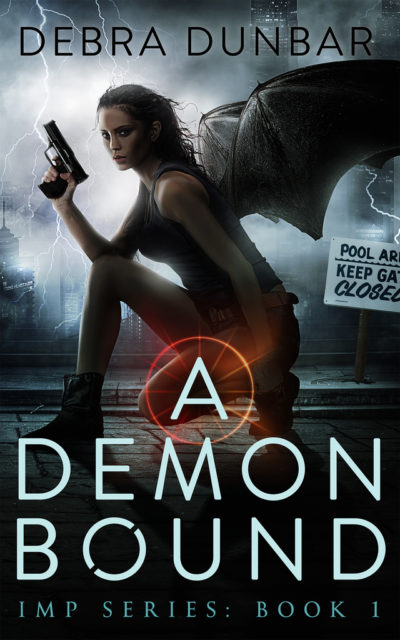
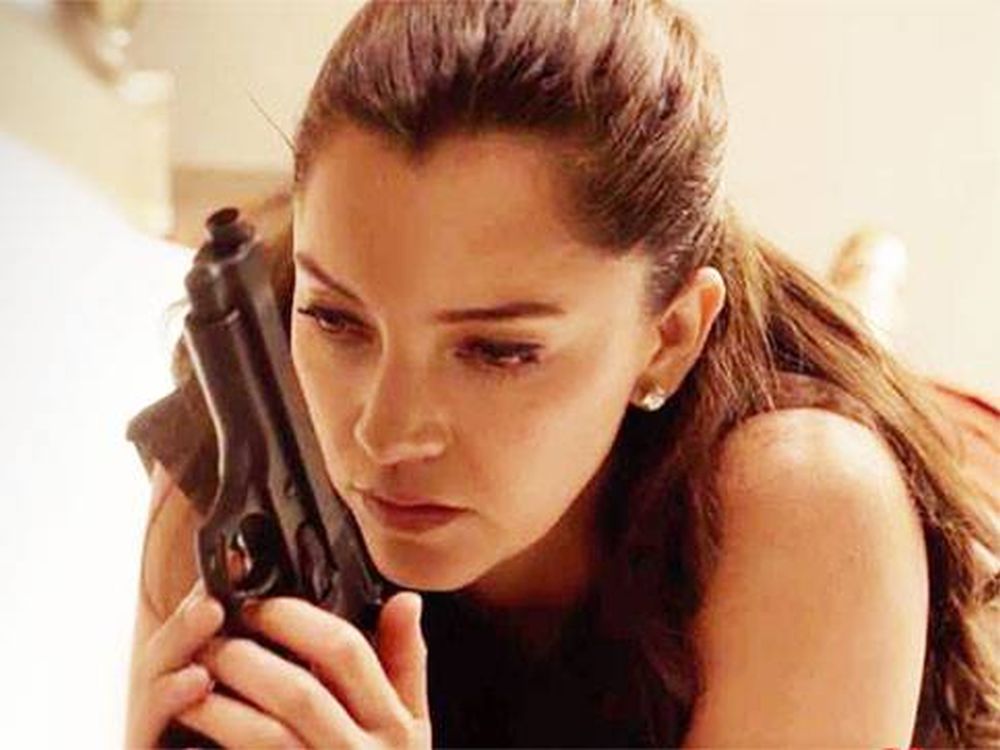
 While the cover image is certainly striking, I should mention that it is inaccurate in one significant point. At no point do I recall the heroine ever wielding a gun. While such false advertising would normally be a sore point, in this particular case, we’ll give them a pass – since the reason she doesn’t, is because she is simply too bad-ass to need one. For
 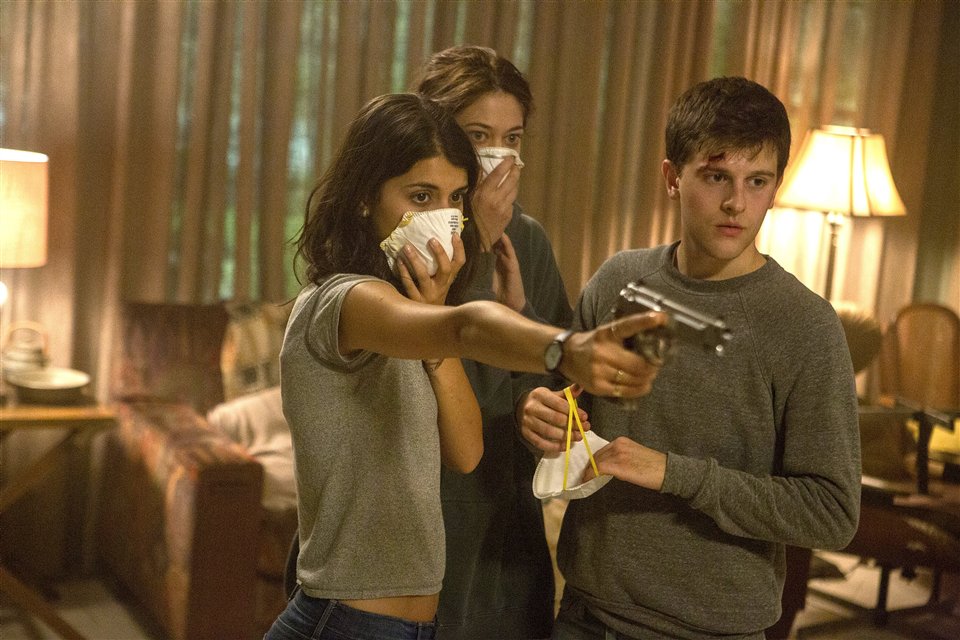 From there, the siblings’ safe, stable world disintegrates rapidly. Mom is stuck at the airport, and when Dad goes to try and find her, he doesn’t come back. Matters escalate after Stacey drags the reluctant Emma to a particularly ill-advised house party [Maybe it’s just me, but in the event of any communicable epidemic breaking out, I would not exactly be attending social gatherings], where they get to see the effects of the illness first hand. Scurrying back to the sanctuary of their home, and hot local kid Evan (Tope), the sisters are thrust back on their own resources, as martial law is declared and the area comes under strict quarantine. This means fending off not only the infected; the military, too, pose a threat to what remains of the family.
 ★★★½
★★★½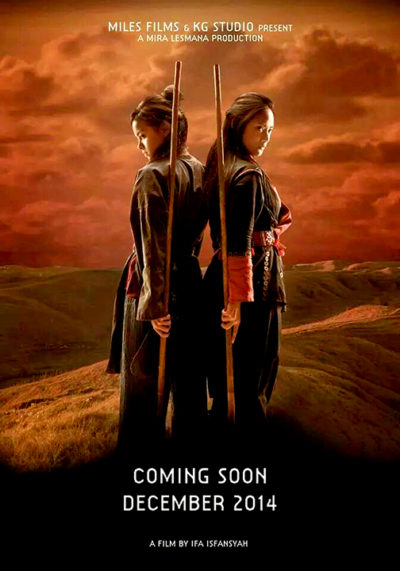 Veteran martial arts guru Cempaka has been training her four students, the children of other gurus she defeated, for years. It’s time to pass on the ultimate move, and the titular artifact which goes with it. She selects Dara (Celia) as her heir, but before Cempaka can bestow the necessary knowledge, she is attacked by Biru (Rahadian) and Gerhana (Basro), two of the students passed over for Dara. In the ensuing fight, Cempaka is killed and the cane stolen by Biru. The injured Dara is found and nursed back to health by the mysterious Elang (Saputra), a man with a murky past and no shortage of his own skills. Biru and Gerhana frame Dara for the death of their mistress, and use the cane’s power to take over the local area. Can Dara track down the last living practitioner of the Golden Cane style, and learn the skills necessary to defeat her fellow students?
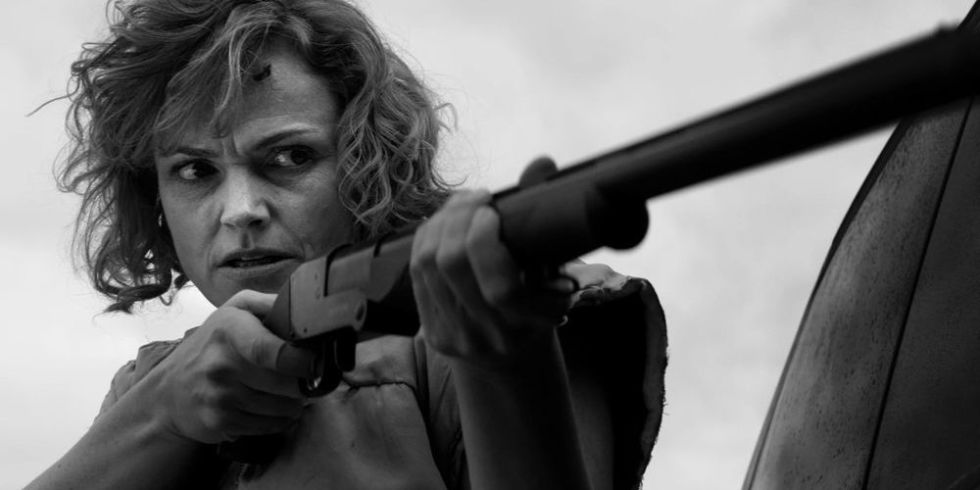
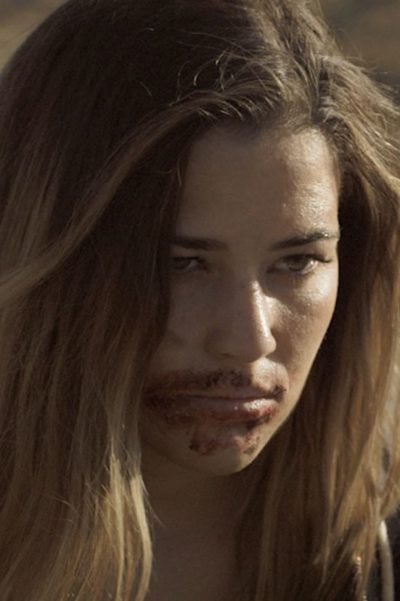 After a brief prelude, we first see the heroine Emilia (Todisco) tied in the back of a car belong to her abductor, Sean (Fenton), who is nearby digging what appears disturbingly like a grave. He is seriously unhinged and driven by his loony religious faith to punish those whom he perceives as deserving the wrath of God. Which in this case would be Emilia and her boyfriend, Michael (Sless). Emilia’s first escape attempt does not end well, and she finds herself in the hole in the ground, handcuffed to the corpse of her boyfriend. Now what?
 Let’s start with a grumble. Perhaps I’ve been spoiled by the number of full books – or even collections of multiple books – I’ve picked up for $2.99 or less. Maybe that’s why I can’t help feeling gypped when a book lasts only about an hour. The official page count on Amazon says 182 pages. But this figure doesn’t take into account that a significant chunk is actually the first few chapters of Kill Order, the first “full” novel about British government agent, Maggie Black – available separately for another $4.99! If I’d realized this was only 133 pages of actual story, I’d probably not have fast-tracked this. I was then further disgruntled to discover that the “