
★½
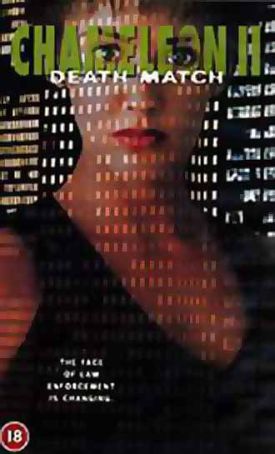 Unlike most mathematics, which tends to increase in complexity the more you get into it, the second part of the series has a very simple equation:
(Die Hard * 2/3) + (Lethal Weapon / 6)
Disappointingly, study of the above shows that it manages to be significantly less than any of its component parts. Again, we have theft from well-regarded sources, but here, there is almost no originality on view. Let’s see…
- Terrorists take over a high-rise building…
- …as a decoy operation for their actual goal.
- The hero(ine) must take them on single-handed…
- …save for occasional communications with the black cop running things outside…
- …while exchanging taunts with their leader via a walkie-talkie.
The plagiarism is more focused too, ripping off highly specific elements, such as the terrorist leader accepting a hostage’s offer of help before killing him, and even the style – witness the bad guy who plummets to his doom from a window, in a shower of broken glass, limbs flailing wildly. It’s shot from above in exactly the same way as Die Hard, and was the point at which I began to yearn feverishly to watch John McTiernan’s greatly superior effort. [Though admittedly, it’s also greatly superior to almost all action movies, save Aliens]
You get a lot less sex than in the first part; in fact, none to speak of. There’s not even any sexual tension between Kam and her new partner, Booker (Siemaszko), who just engage in the kind of bickering familiar to anyone who has seen a buddy-cop film. Oddly, there is absolutely no mention of the kid who had bonded so firmly to Kam – by the end of part one, she could even say the F-word to him. That’s “family”, in case you’re wondering. I should perhaps stress that this is merely an observation, rather than a complaint.
Booker and Kam are one team sent into the hijacked tower-block to find out what’s going on and solve the problem. The next hour goes almost exactly as you’d expect, with the terrorists progressing towards their goal, and Kam trying to stop them. Even more than previously, she does seem to keep forgetting to use her power – in such hostile surroundings, I’d have it on all the time. There may be some neurological or biochemical reason for this: it’d have been nice if they’d actually bothered to mention it though.
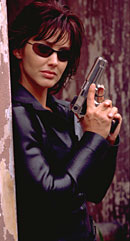
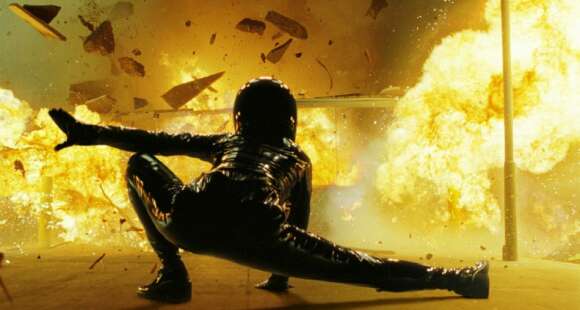
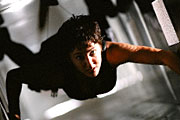 There’s one sequence with Kam scurrying, lightning-fast, up a ventilation shaft (left) and a rather good brawl involving her that made me sit up and pay attention, offering hope for the rest of the movie. It’s a red herring. The last twenty minutes finally stop slavishly cloning Bruce Willis, with the villain not being who you’d expect (though if you think about who played the bad guys in the Die Hard trilogy, it’s not hard to work out). One good twist at the end is Kam recovering the “loot” and using it for her own ends, which extends her nicely amoral attitude. There’s also a nod to Kam’s not-entirely human origins, and how they affect her emotions, which would be a good avenue for future exploration.
But overall, this is a poor follow-up. You shouldn’t try to remake classics, unless you can bring something new to the party, and while Phillips is certainly no worse an actor than Bruce Willis, it’s not enough to stop this seeming a lame copy.
Dir: Craig R.Baxley
Stars: Bobbie Phillips, Don Battee, Casey Siemaszko, Tasha Smith

 I usually start watching this in a sense of disbelief, since it’s certainly not the most immediately convincing of movies. However, there’s a point near the middle which has in quick succession an amazing action sequence and two revelations, one touching, one tragic, and I realise that I am, yet again, utterly buying into the characters, storyline and setting. Disbelief simply ceases to be an option, and by the end, I know why this is among my all-time favourites, not just in the action heroine genre, but among all cinema.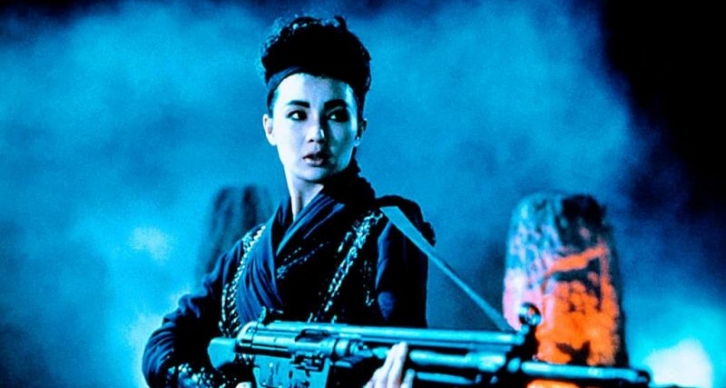
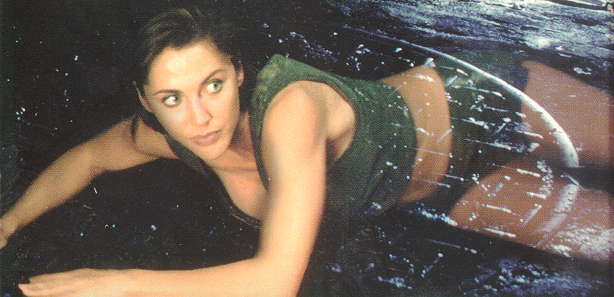
 The setting is the near-future, when corporations have taken over, and even the FBI is now the Incorporated Bureau of Investigations. The star is Bobbie Phillips, who plays Kam, a creation of the IBI. She was made as a special agent, with mostly human DNA, but also traces of cougar, falcon and chameleon. This gives her an interesting power: she can make her skin match her surroundings almost perfectly. Fortunately – or not – this skill is also possessed by her clothes, which is a bit of a plot clunker, designed to avoid both the traditional Invisible Man-styled floating shirts, and gratuitous nudity.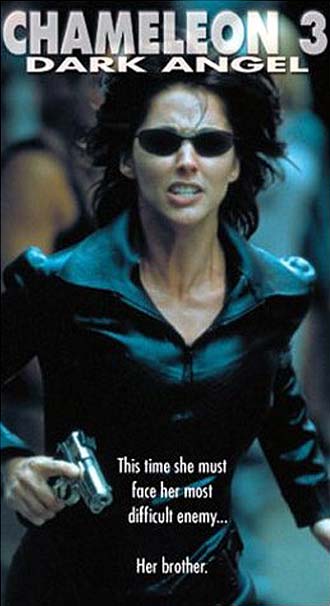
 I imagine no-one genuinely doubts the answer, but this adds a whole new plot twist, especially as the last time the Mongoose activated his weapon, its impact was pretty heavy. What happens when it’s used here is never really shown, and there is some scientific handwaving about the black hole absorbing all the energy, but it would be gratifying to think that it became necessary to destroy the city in order to save it. Not least because Cameron’s Dark Angel
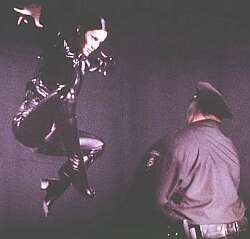
  Police Officer: “I think we can handle one little girl. I sent two units. They’re bringing her down now.”
 Few movies have been so influential as The Matrix, with its seamless combination of elements from Hong Kong action, anime, and science-fiction, to which the Wachowski brothers added a sprinkling of semi-original thoughts and some very cool sunglasses. One of the key pieces in the jigsaw is Trinity, played by Carrie-Anne Moss – normally, supporting characters fall outside our realm here, but Trinity transcends the usual bounds imposed on such roles. Along with Lara Croft, she has become one of the most important action heroines of the past decade.
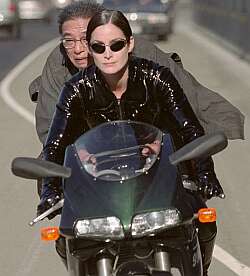 However, she is still more than capable of independent action, such as when she, Morpheus and Neo seek the Keymaker, and are led to him by Persephone. This leads to a battle, first against the Twins, two dreadlocked, white brothers who can pop in and out of physical existence at will. Then, as if this wasn’t enought, there’s the highway chase, where Trinity whizzes
 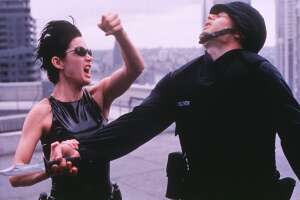 Trinity’s feminine side does show through occasionally, however, most obviously in the nurturing way she initially cares for Neo. She brings him food, causing the traitorous Cypher to comment, “I don’t remember you ever bringing me dinner.” Trinity just rolls her eyes, but Cypher’s jealousy is perhaps a factor in pushing him over the edge into treachery and an alliance with the Agents.
 ★★★½
★★★½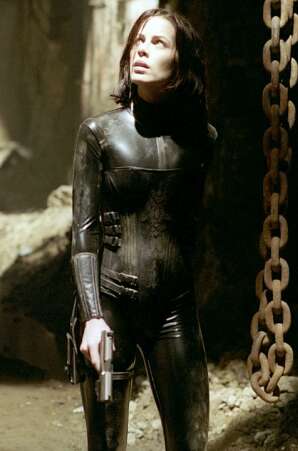 The day before this opened, we watched a “documentary” on AMC, entitled Fang vs. Fiction: The Real Underworld of Vampires and Werewolves. Quotes used advisedly, as they must be when the program interviewed someone who said he was a werewolf. Regrettably, despite our yelling at the TV, he refused to transform on camera, claiming it was too taxing. Wuss. What it did demonstrate was that the old stereotypes are alive and well – or at least
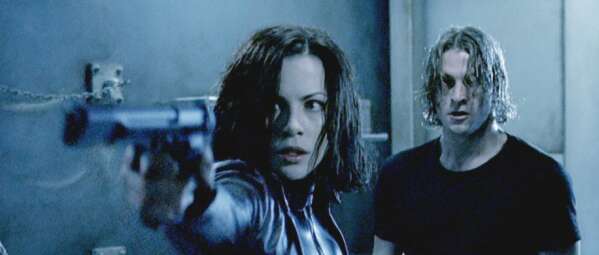
  What doesn’t work, on any level, is the Selene-Corvin relationship, which is never given any reason to blossom as it does. Worse, still, though the film is told largely from Selene’s point of view, at the end, it’s Corvin who has to battle against The Big Bad [and I’d best not say who that is; the film takes delight in pulling the carpet out from under the viewer]. Sure, Selene gets to deliver the coup de grace – and impressively so – but reducing the heroine to someone left holding her man’s coat, is mostly why this one doesn’t get our seal of approal. Making it even more embarrassing, by this stage, the hero looks like a blue version of the Incredible Hulk.
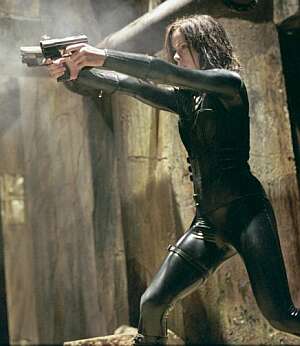 There are some plot points which are never quite explained. At one point, Selene hides Corvin in a safe house, which then mysteriously comes under attack from the lycanthropes. How did they know? Why the werewolves don’t take advantage of the daylight, and avoid moving around at night when the vampires are about? It probably also gets rather too embroiled in creating an entire society and culture for the vampires, explaining stuff not necessary to a 90-minute movie – that’s why it’s actually a 121-minute movie.
 ★★★★½
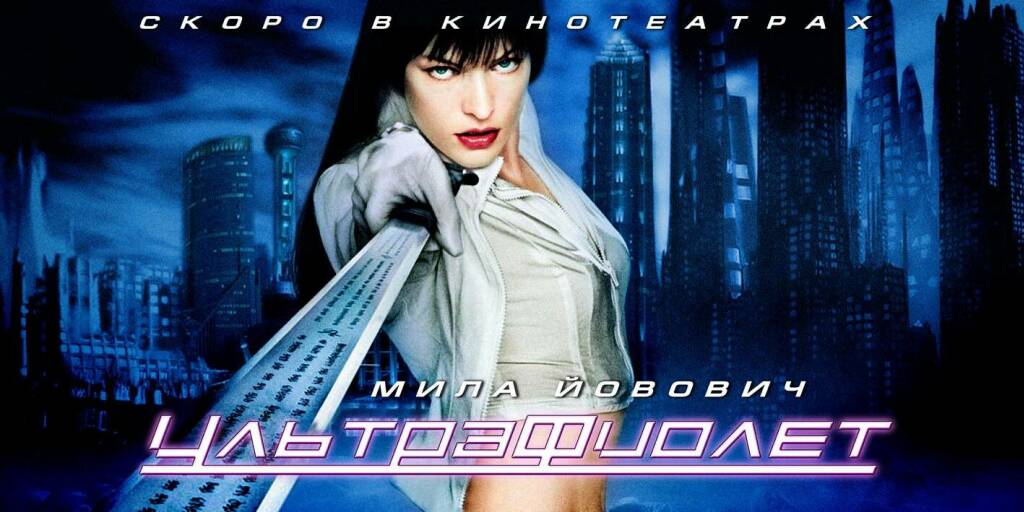
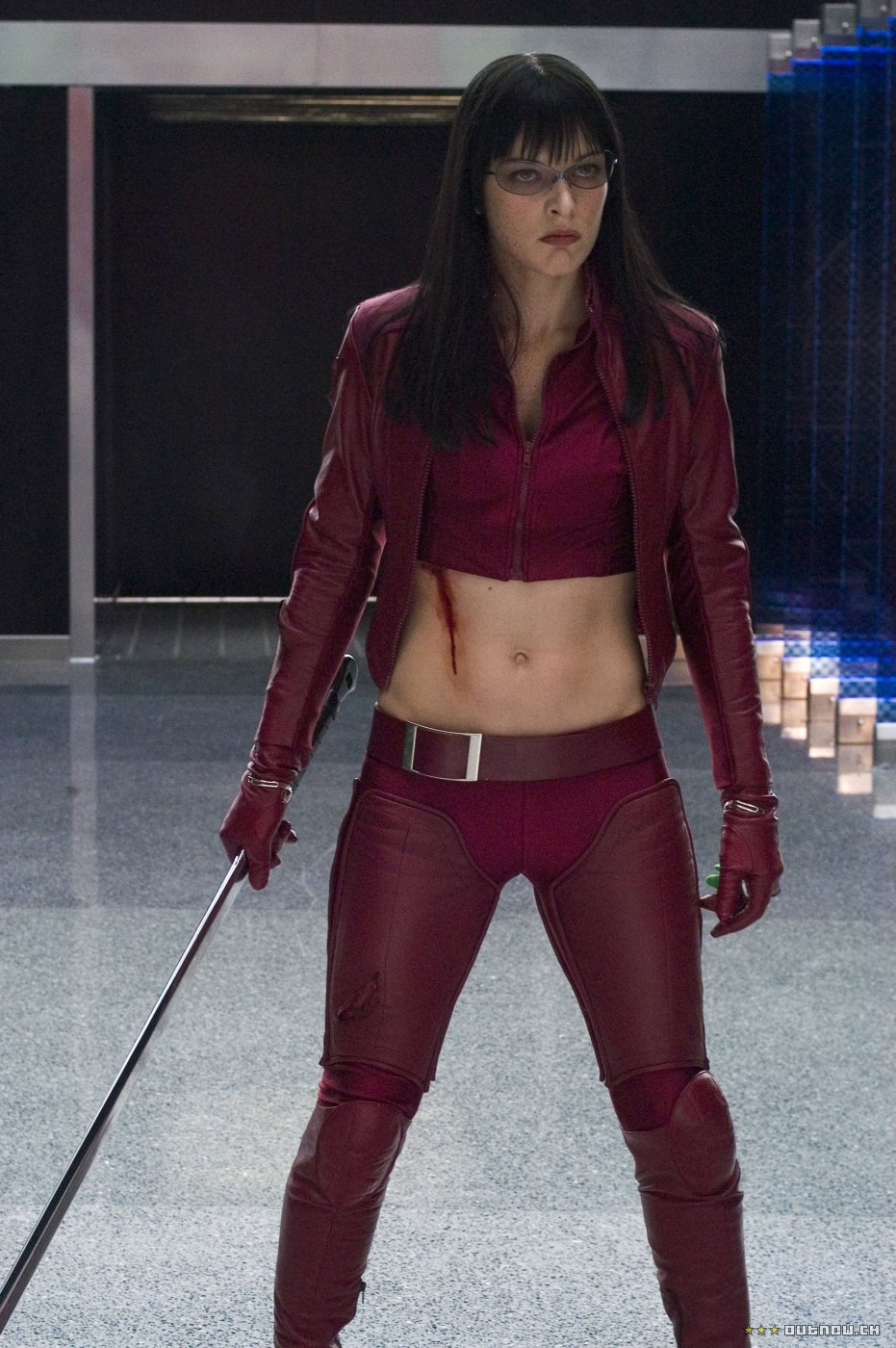
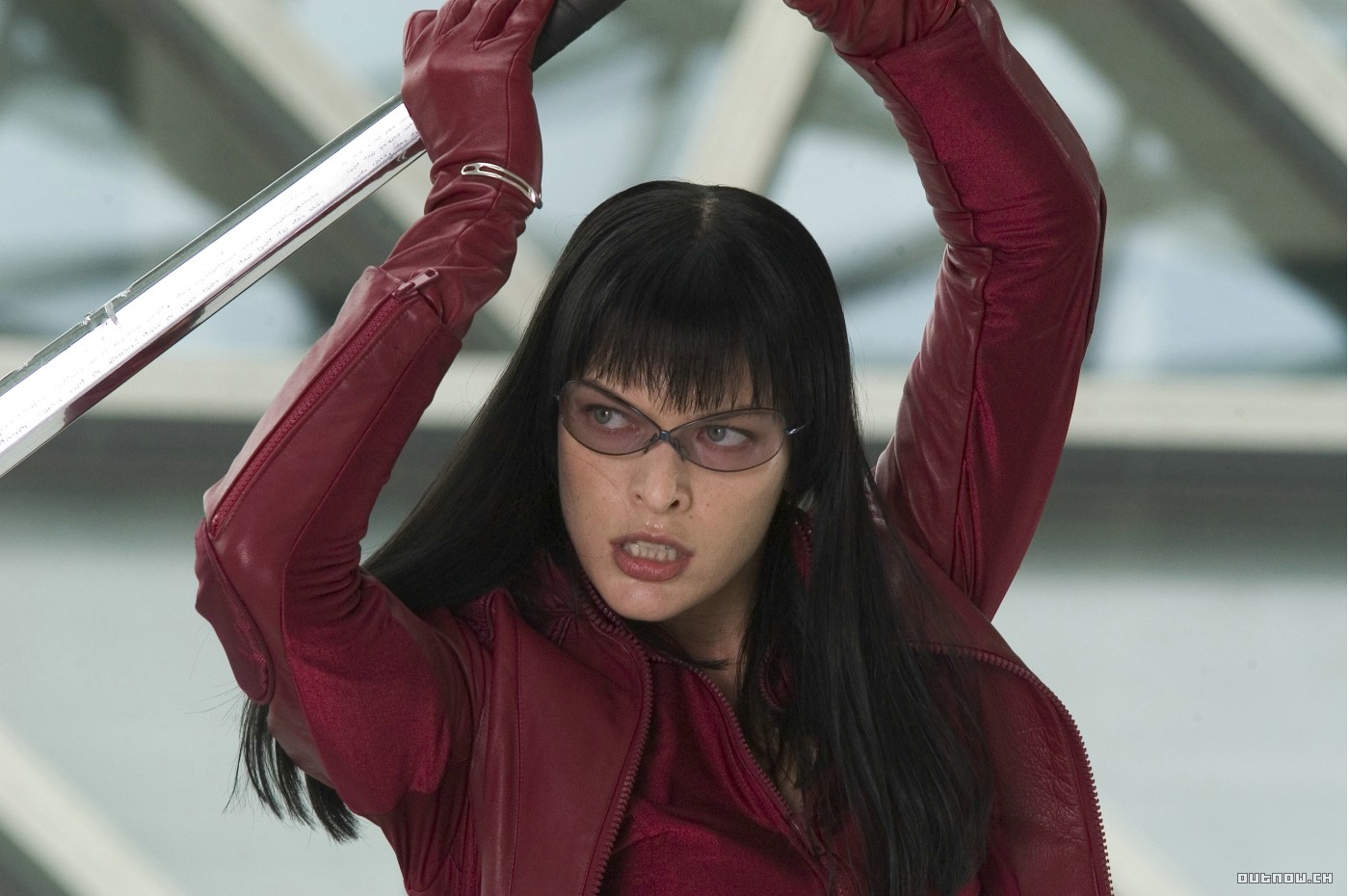
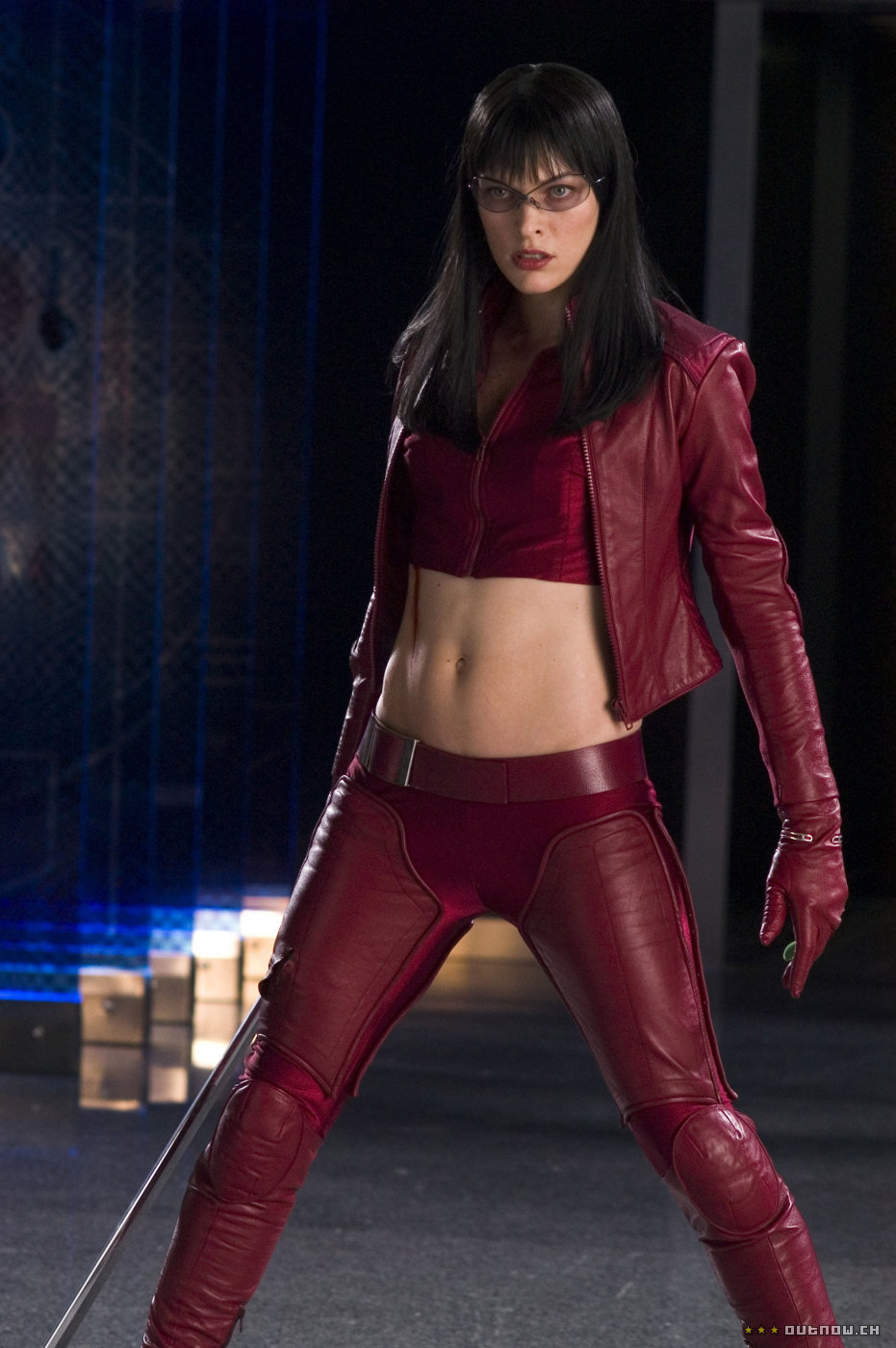
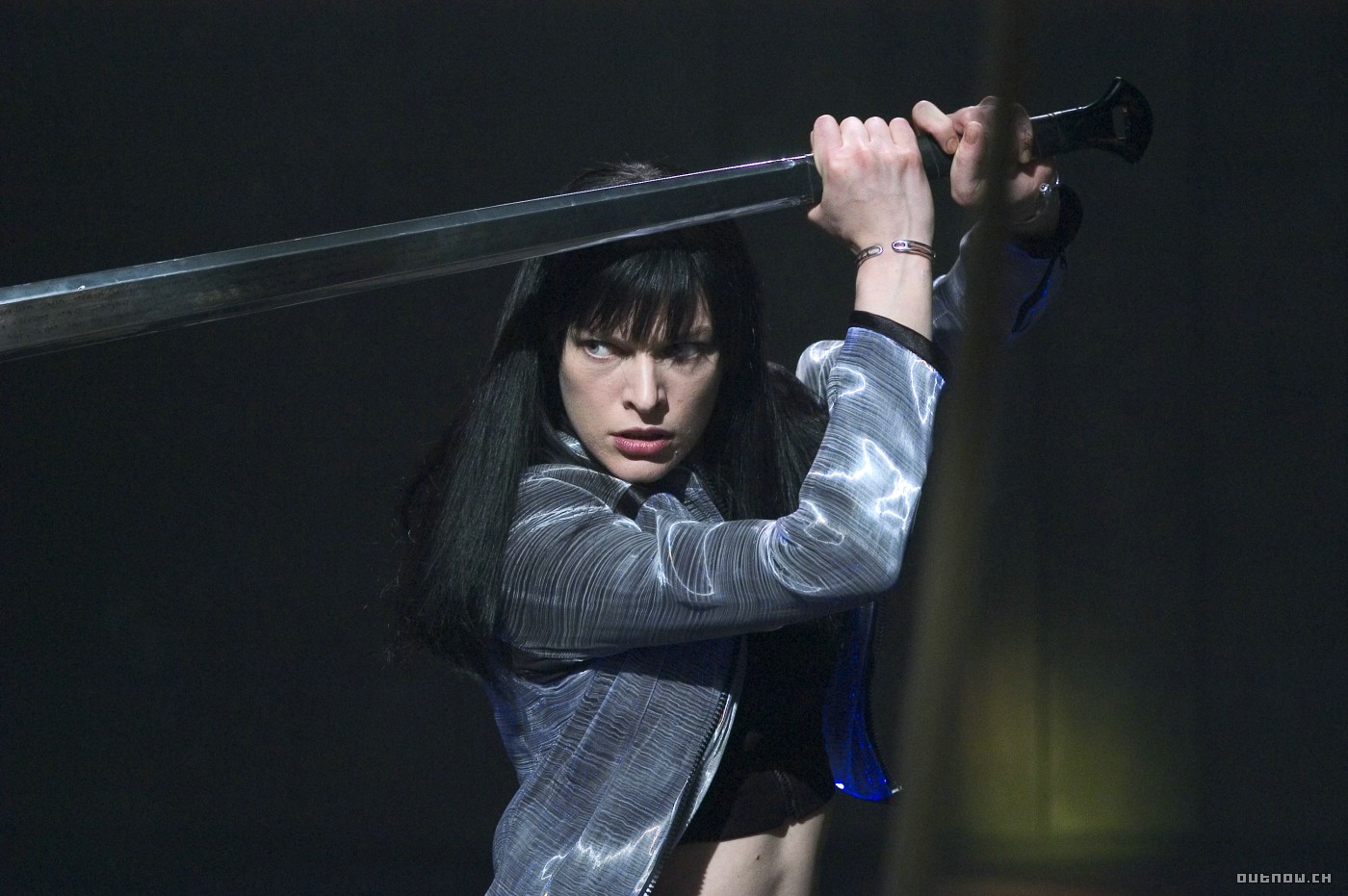
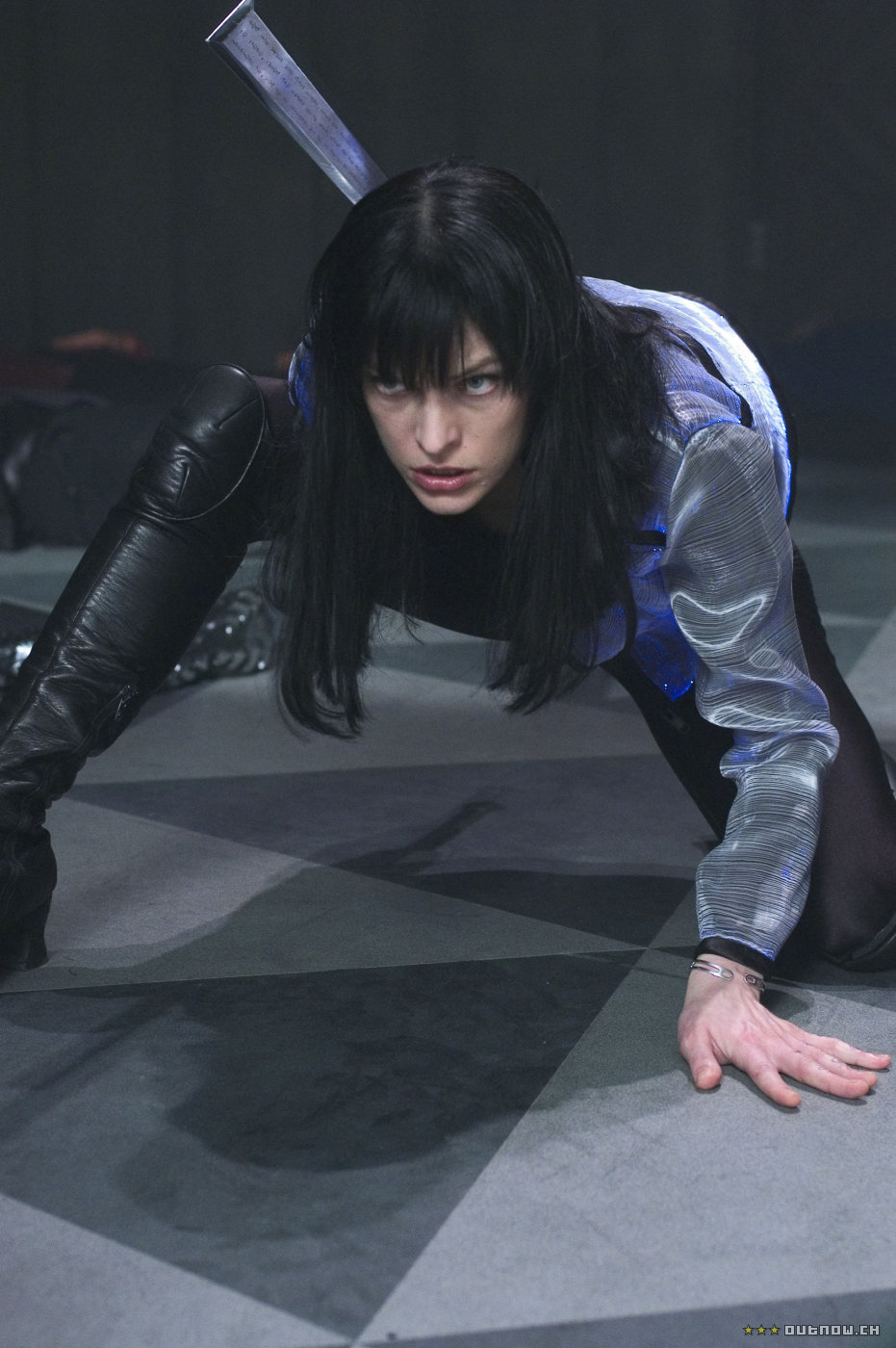
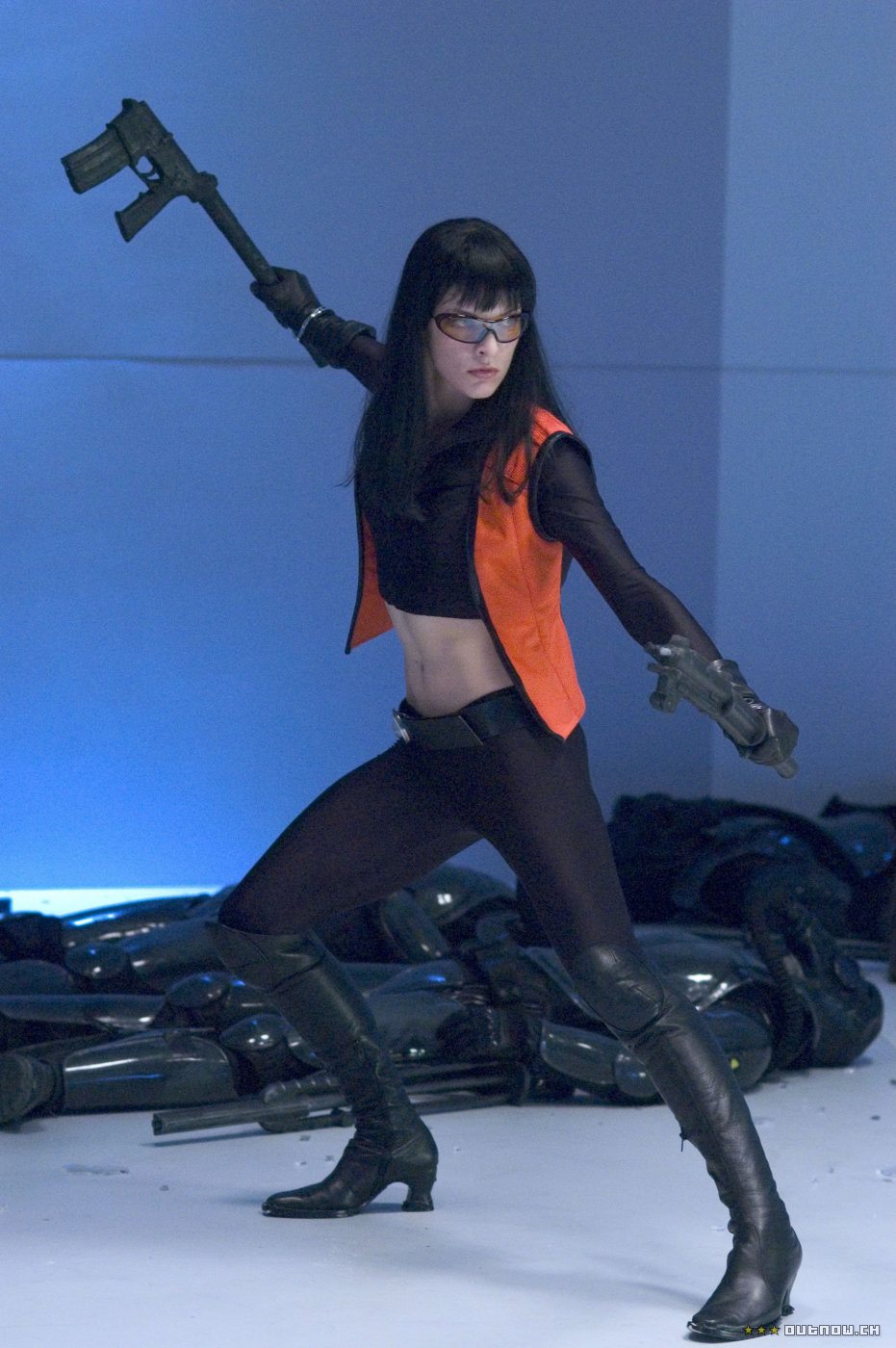
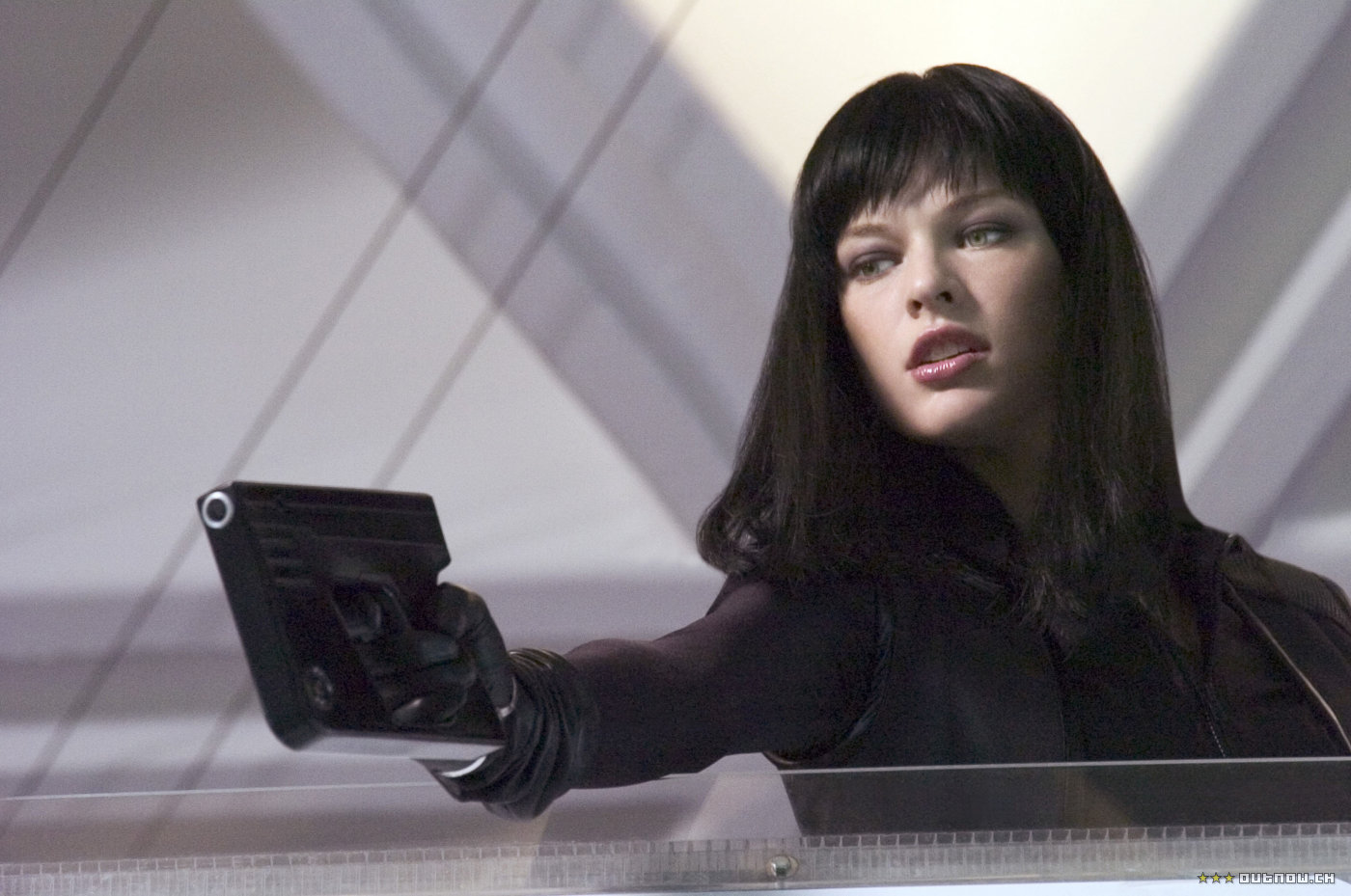
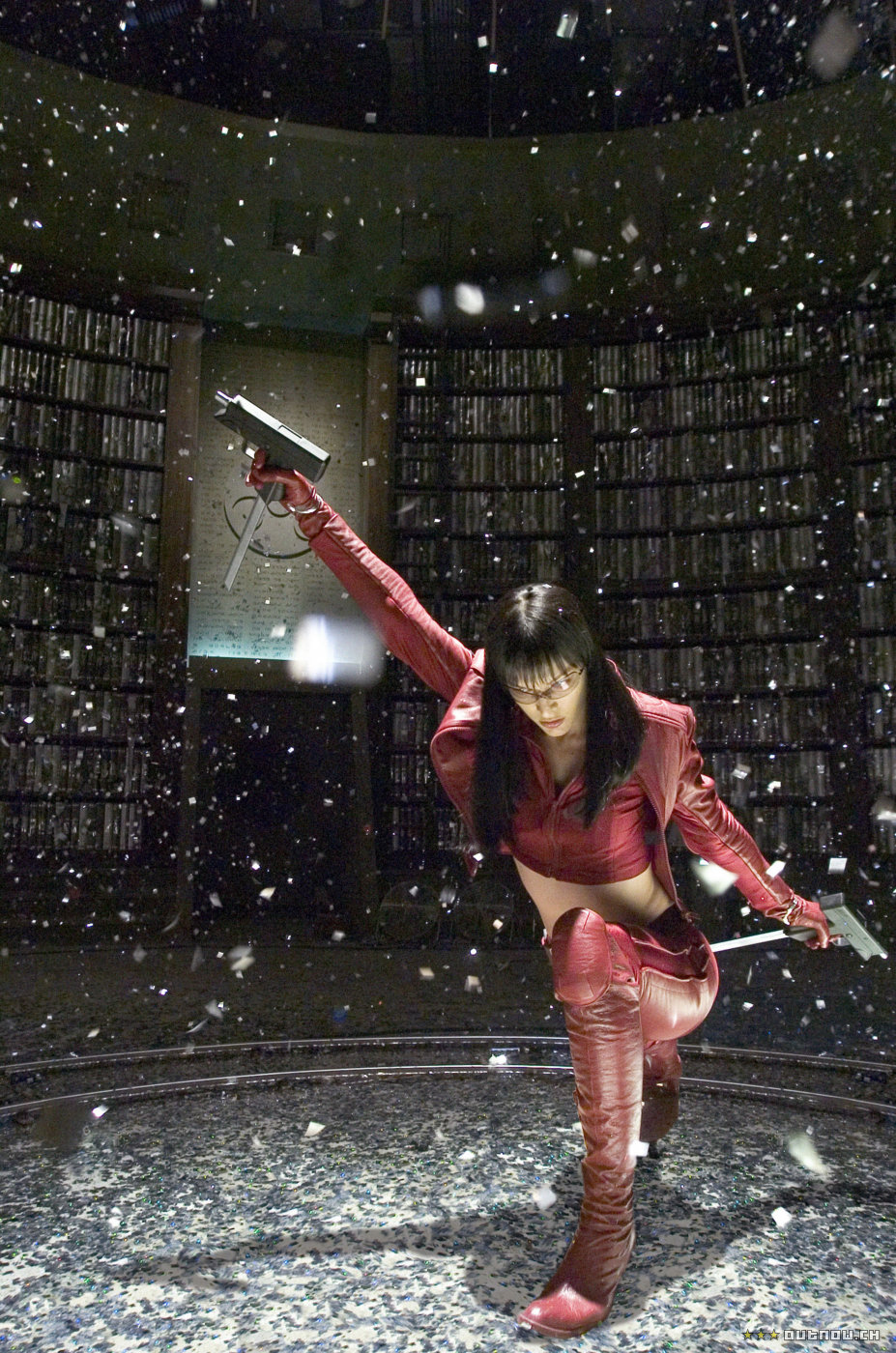
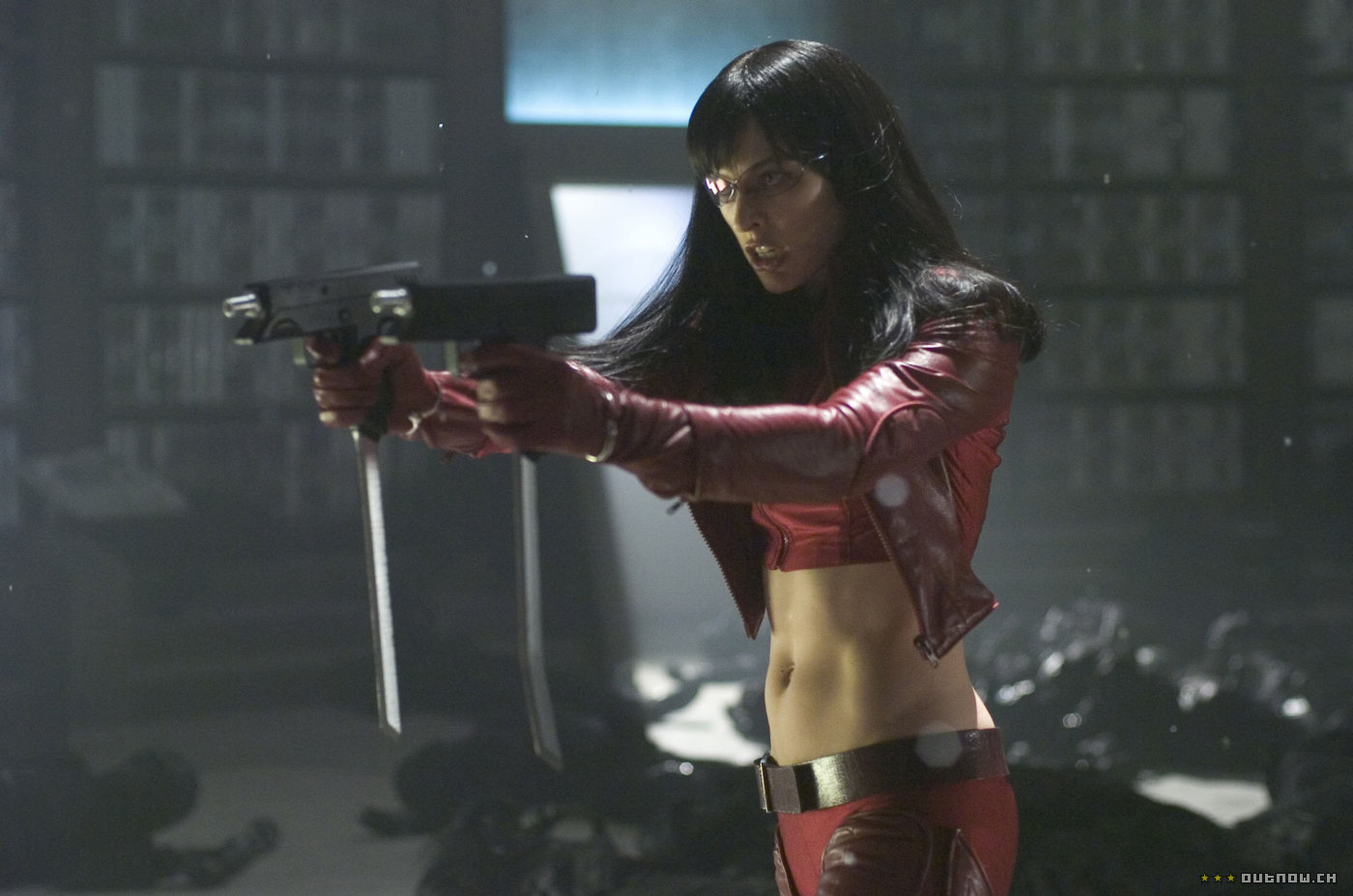
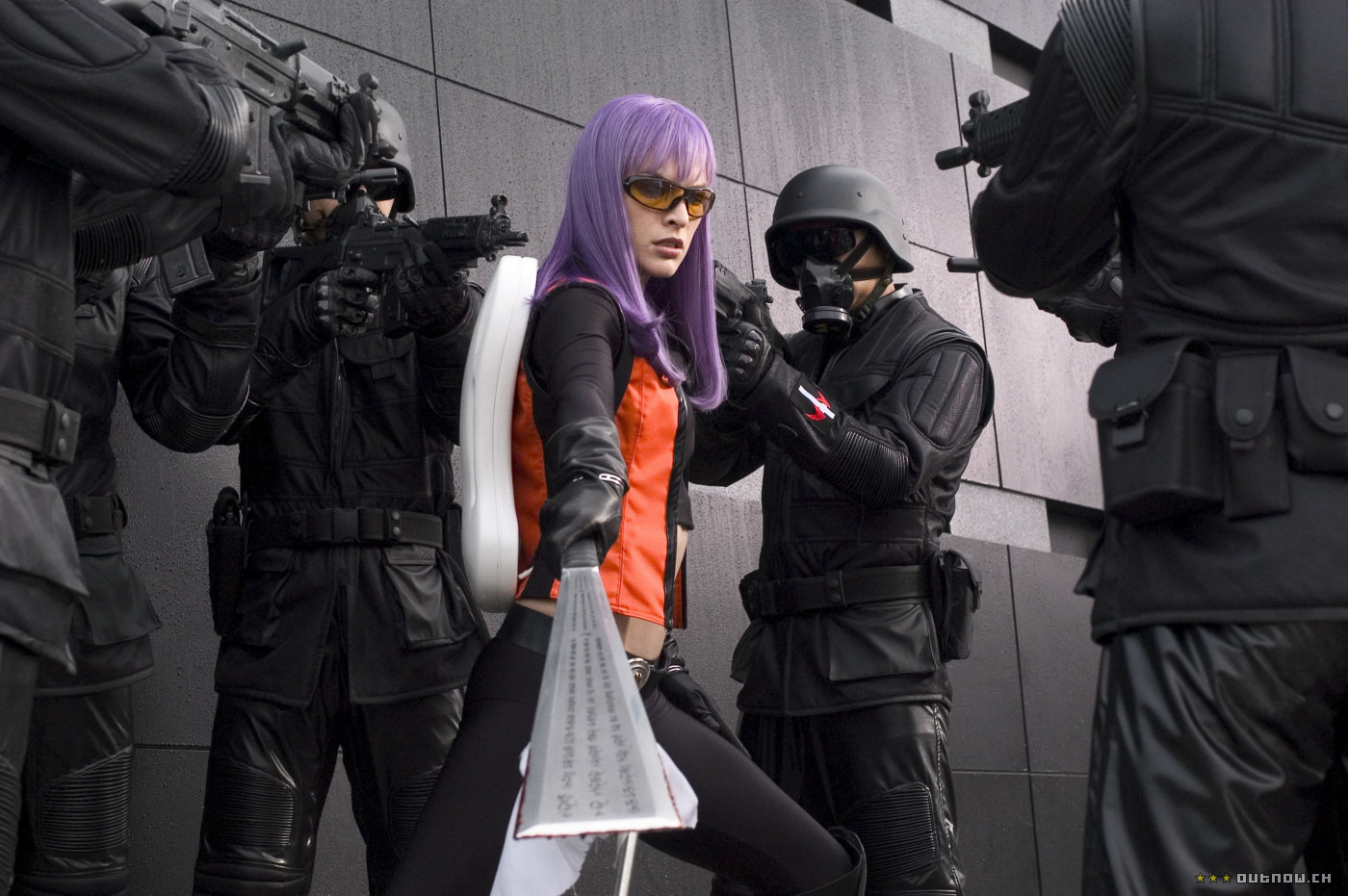
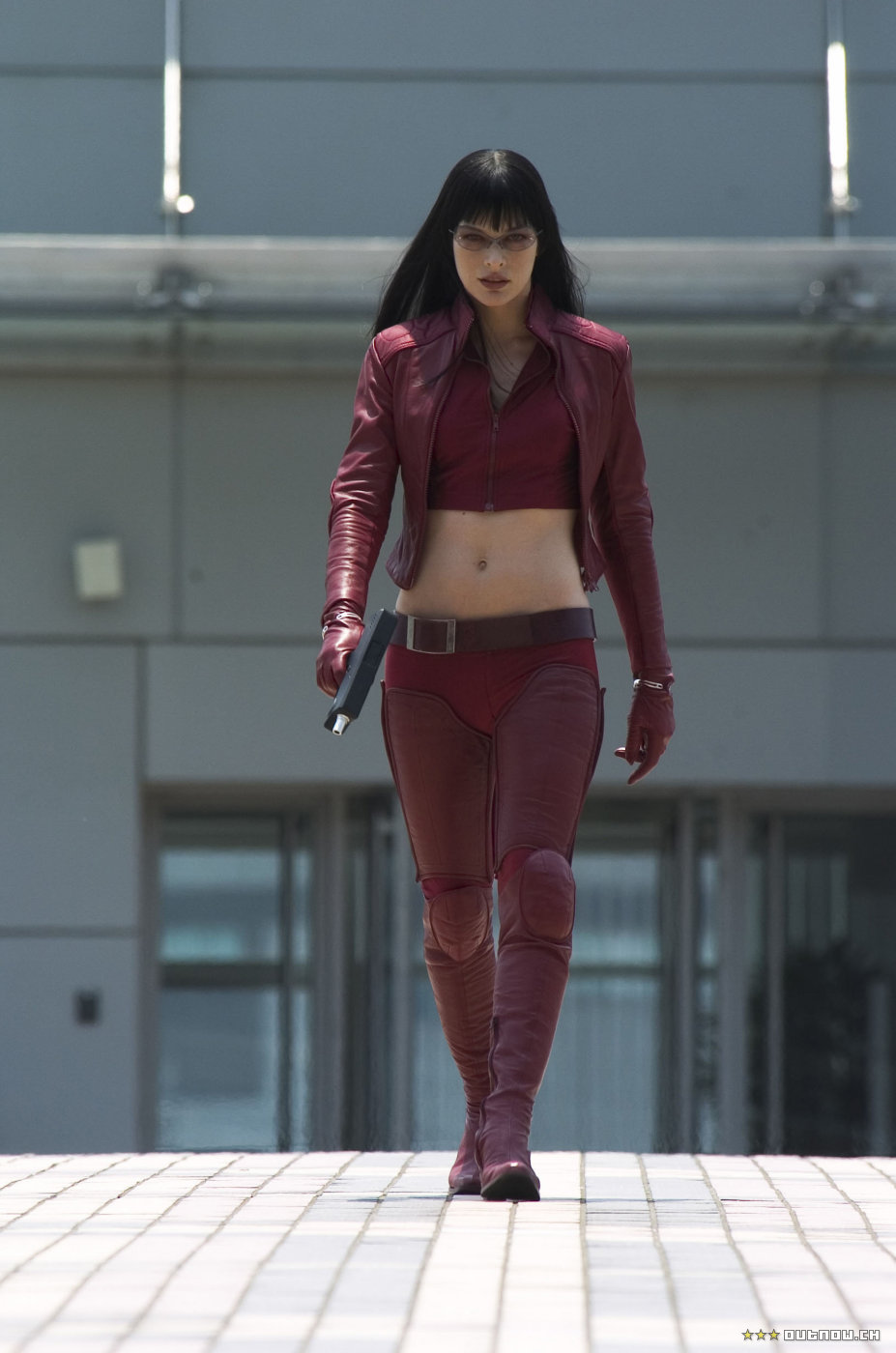
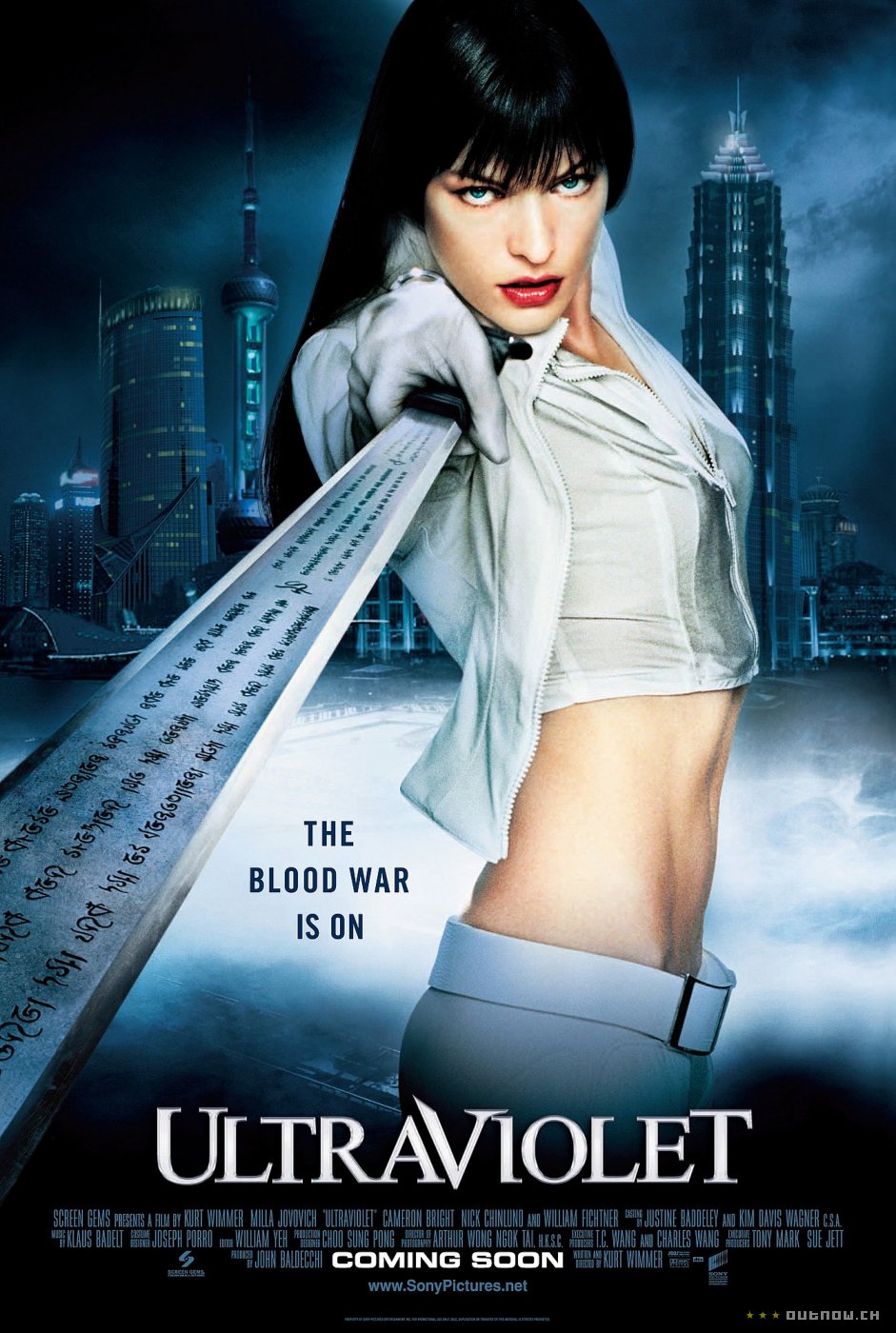
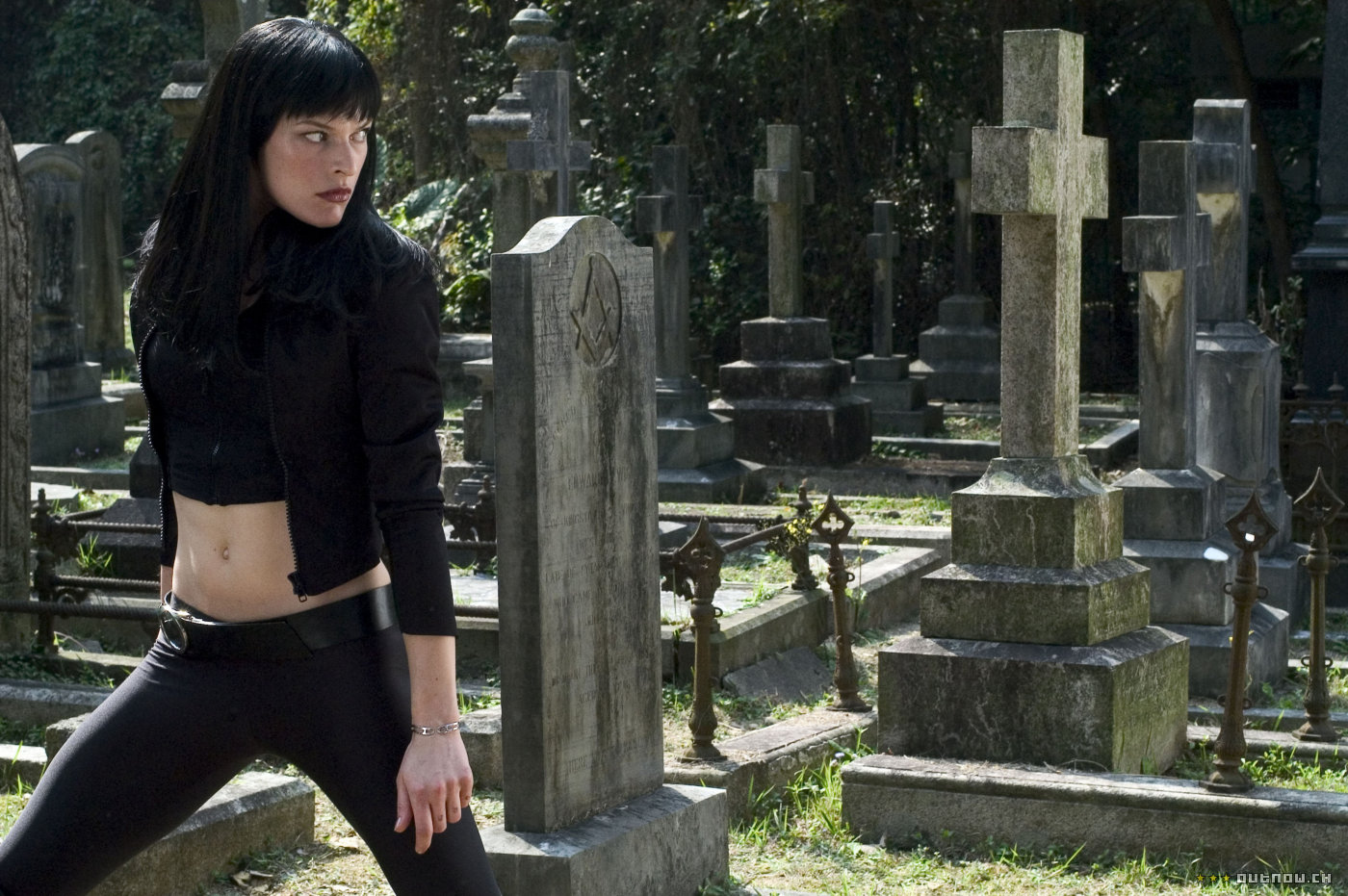
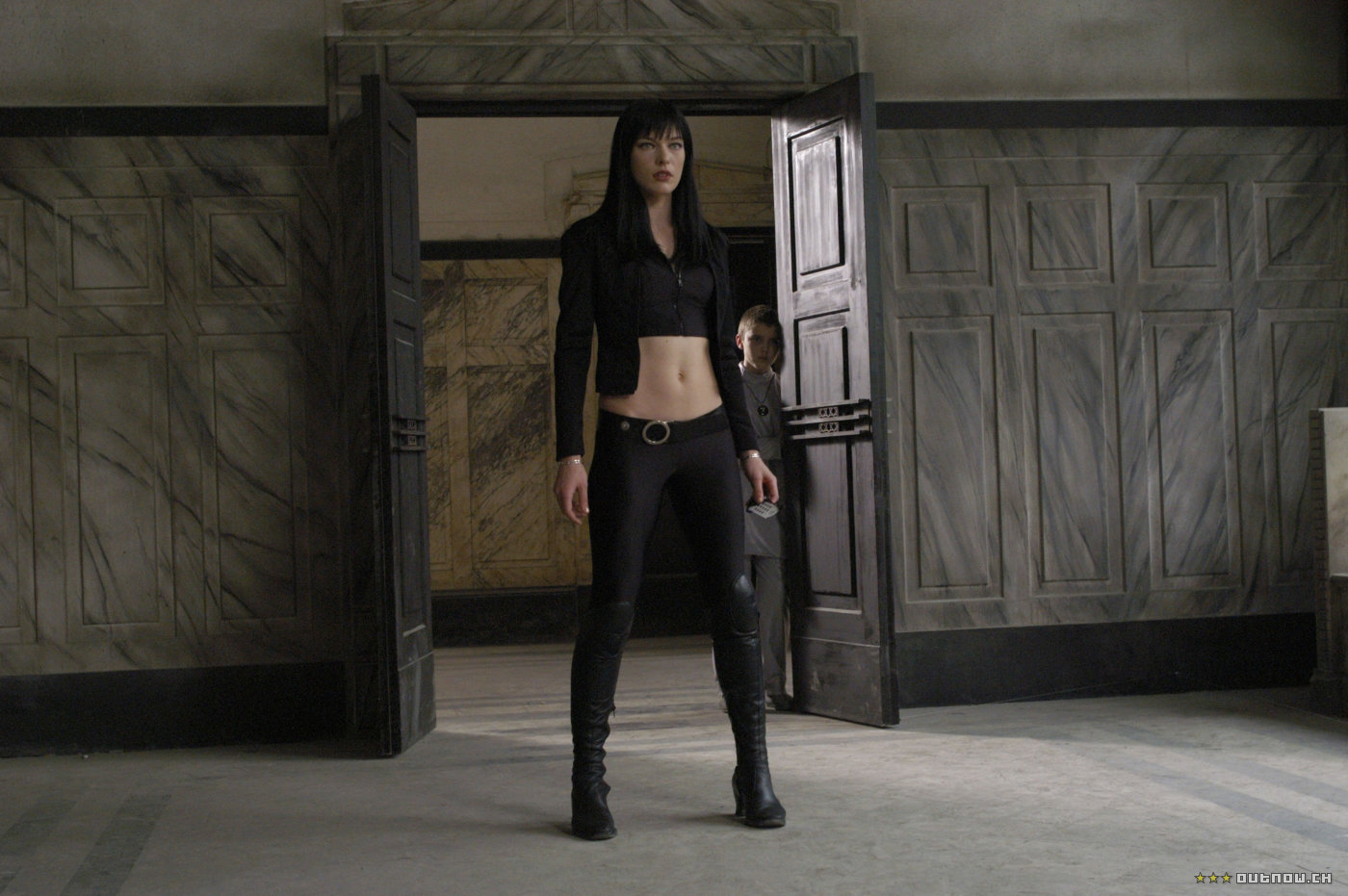
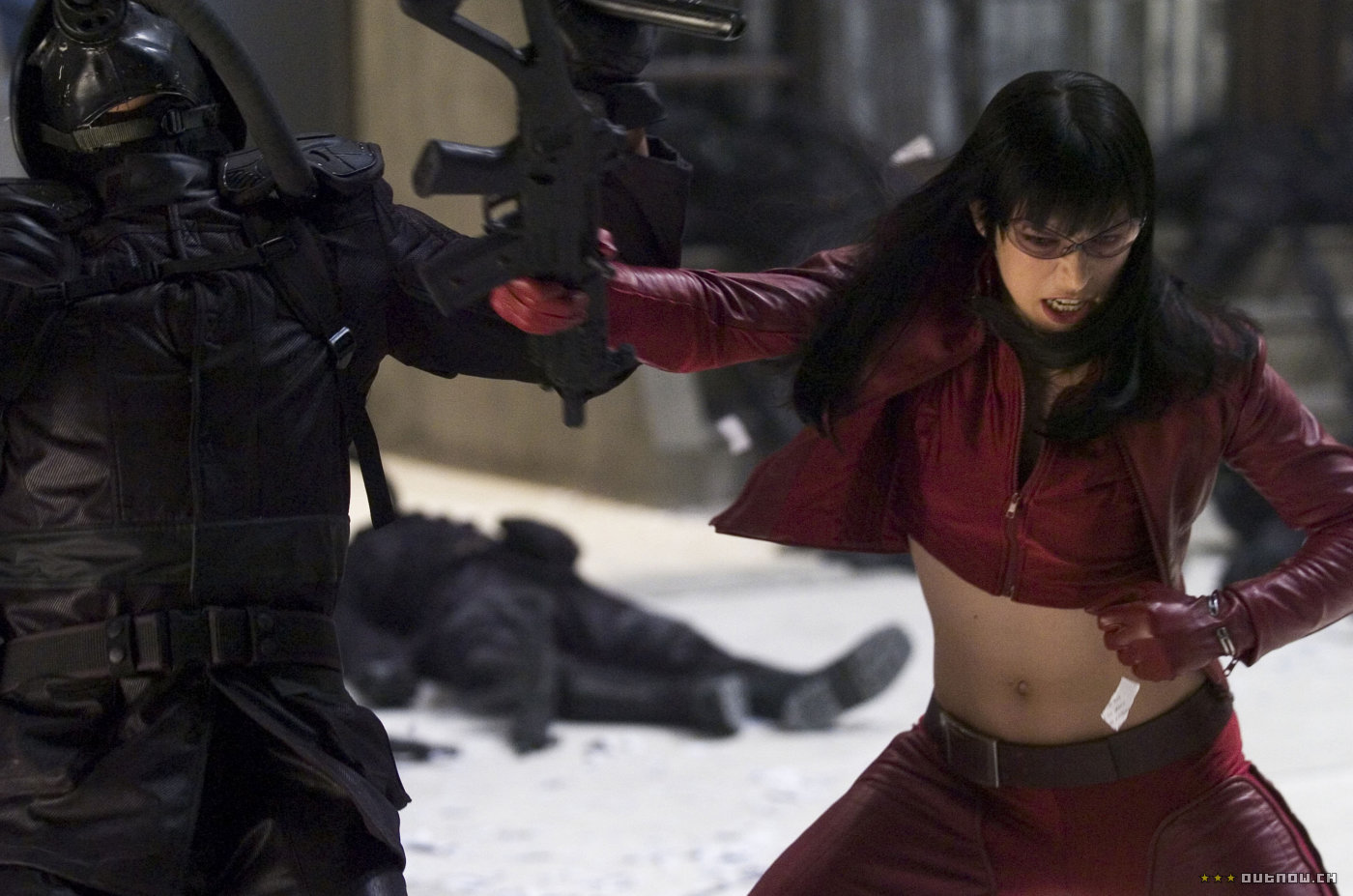
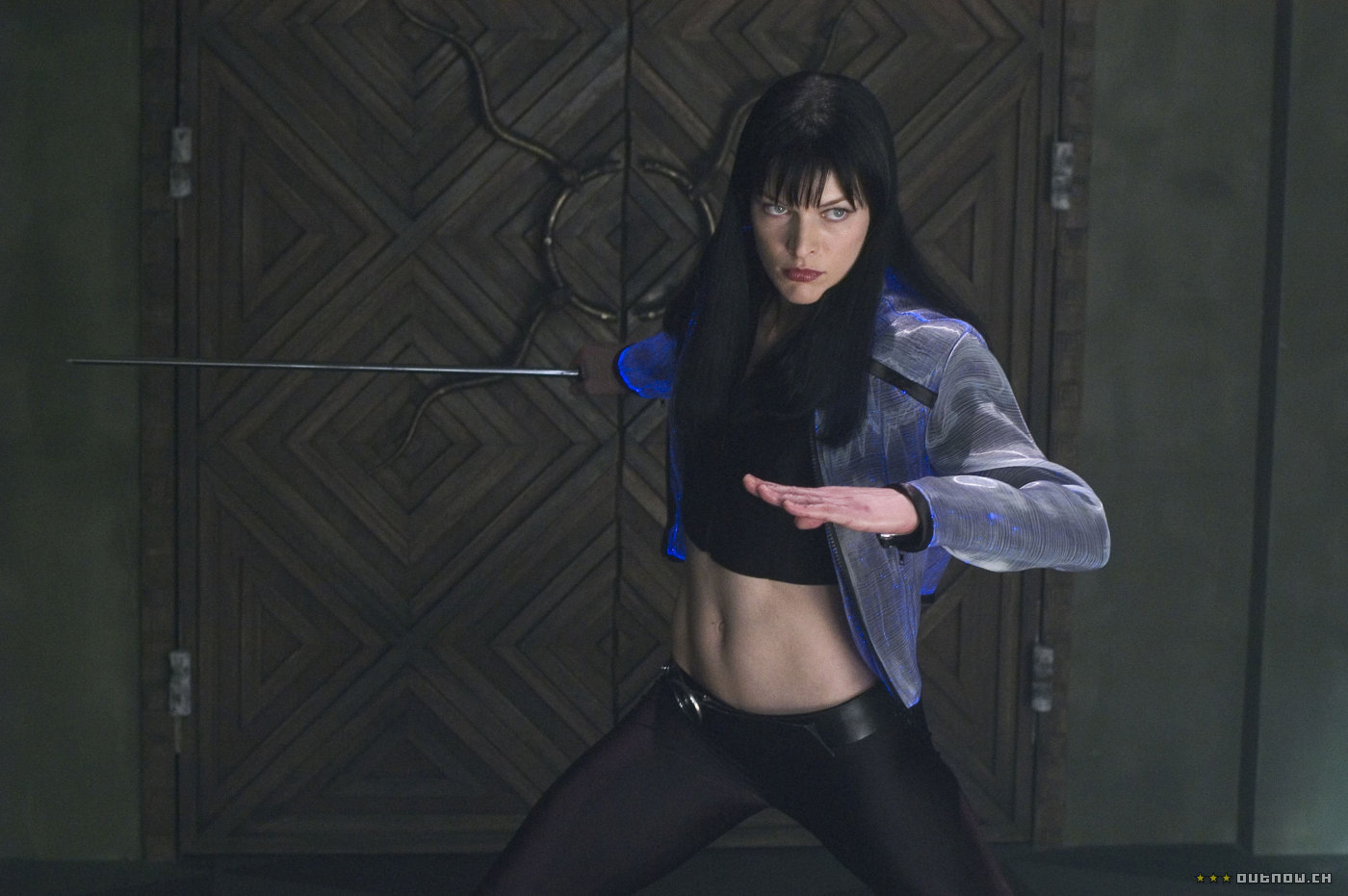
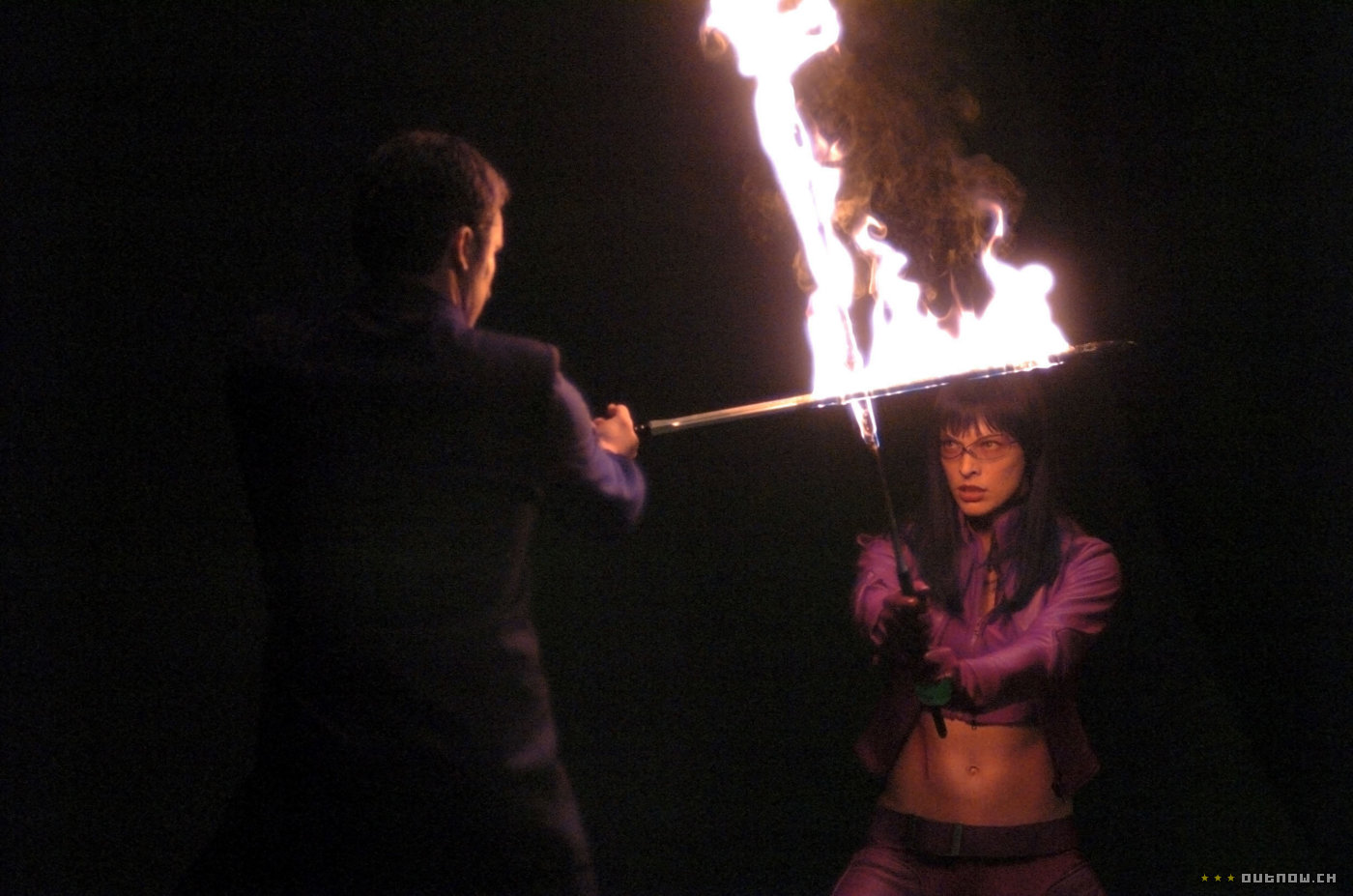
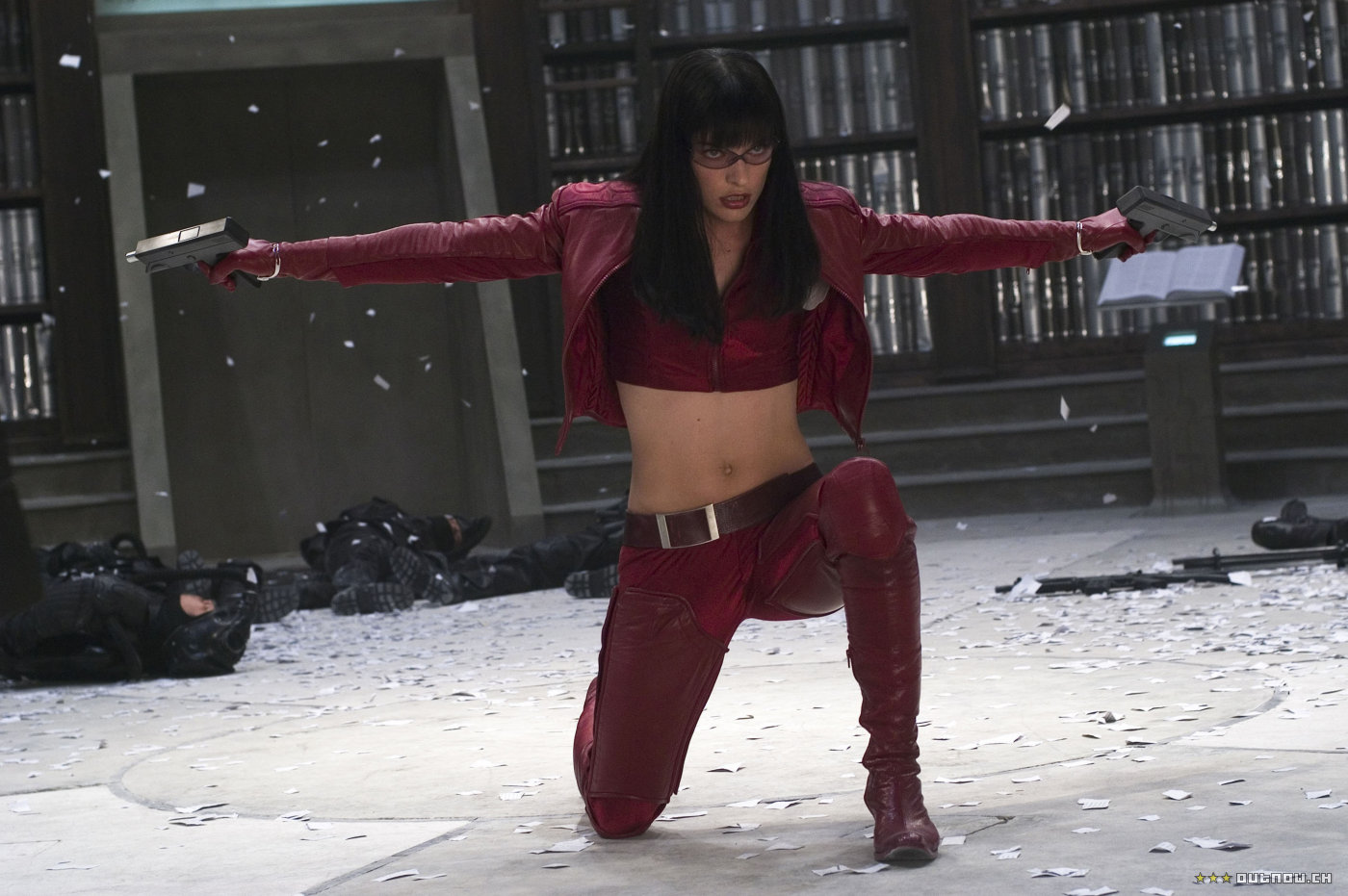
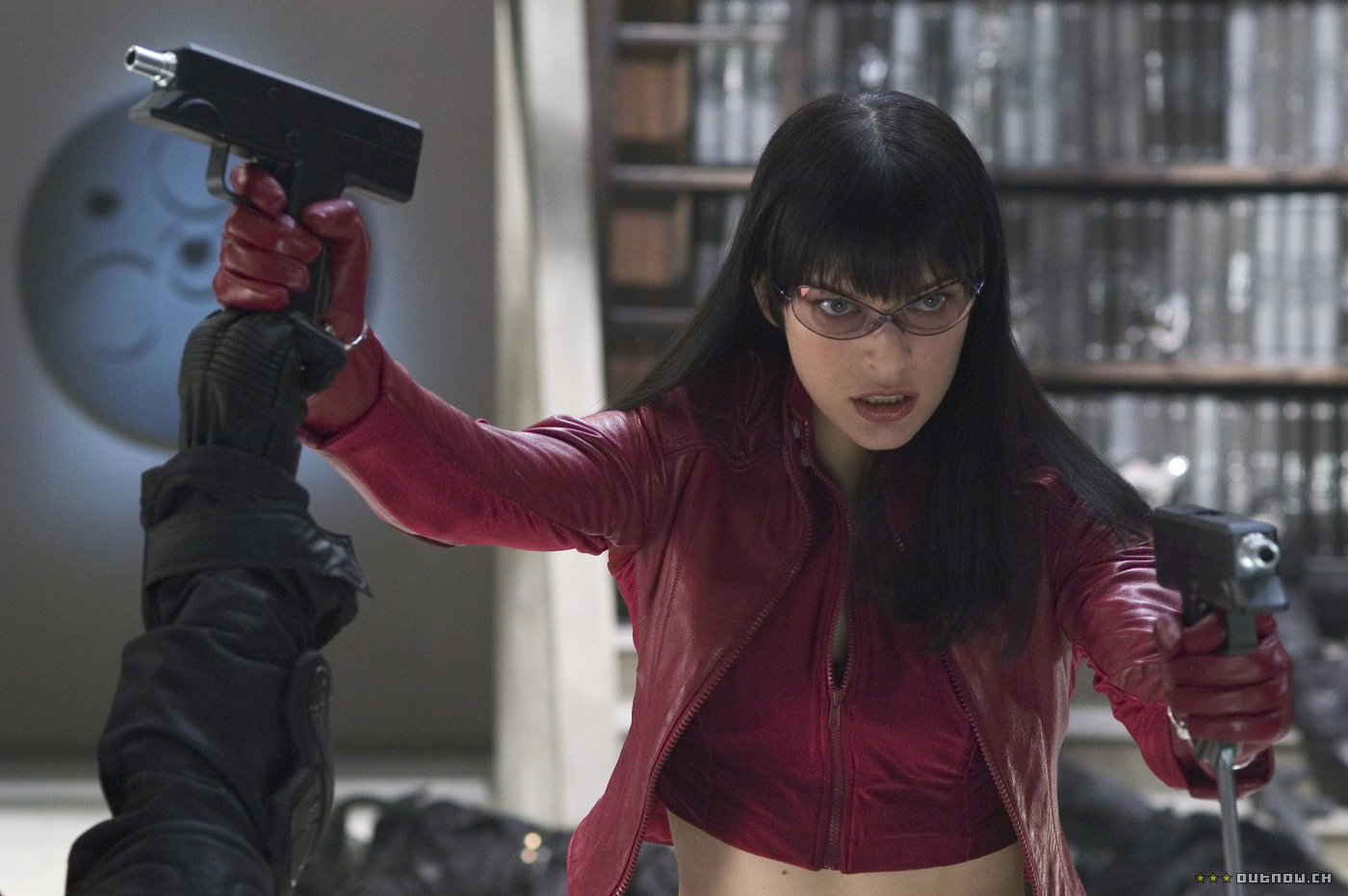
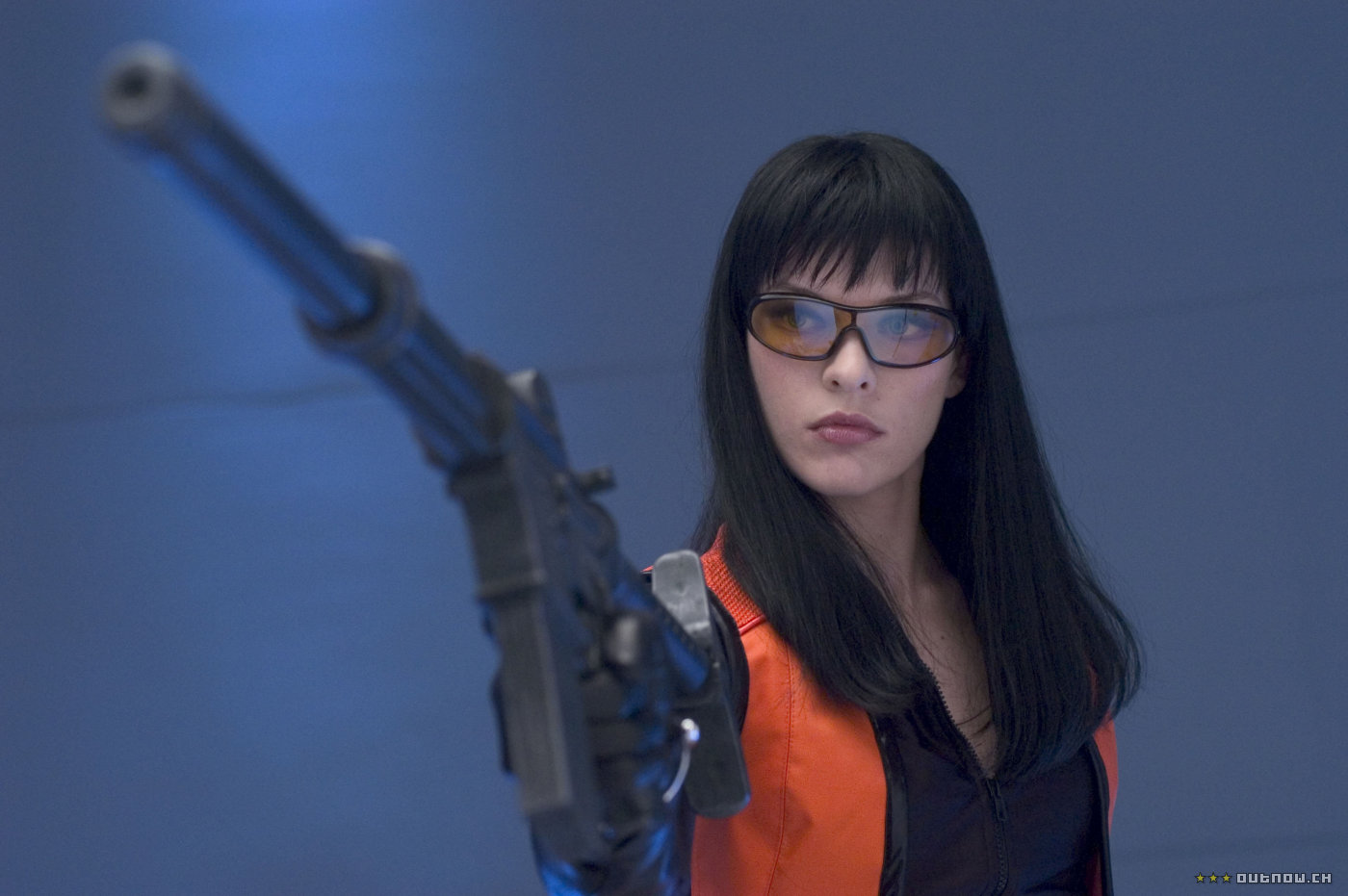
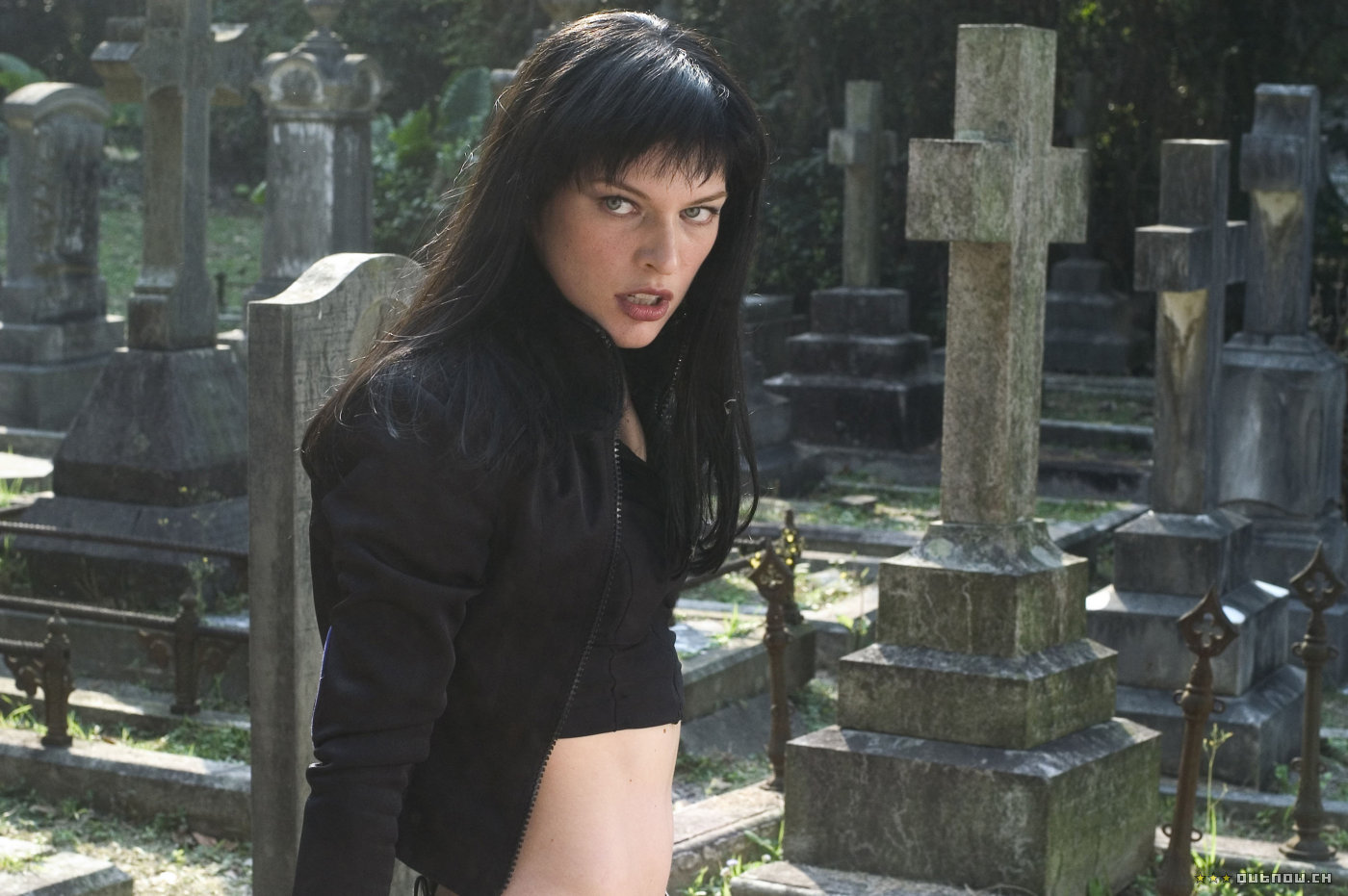
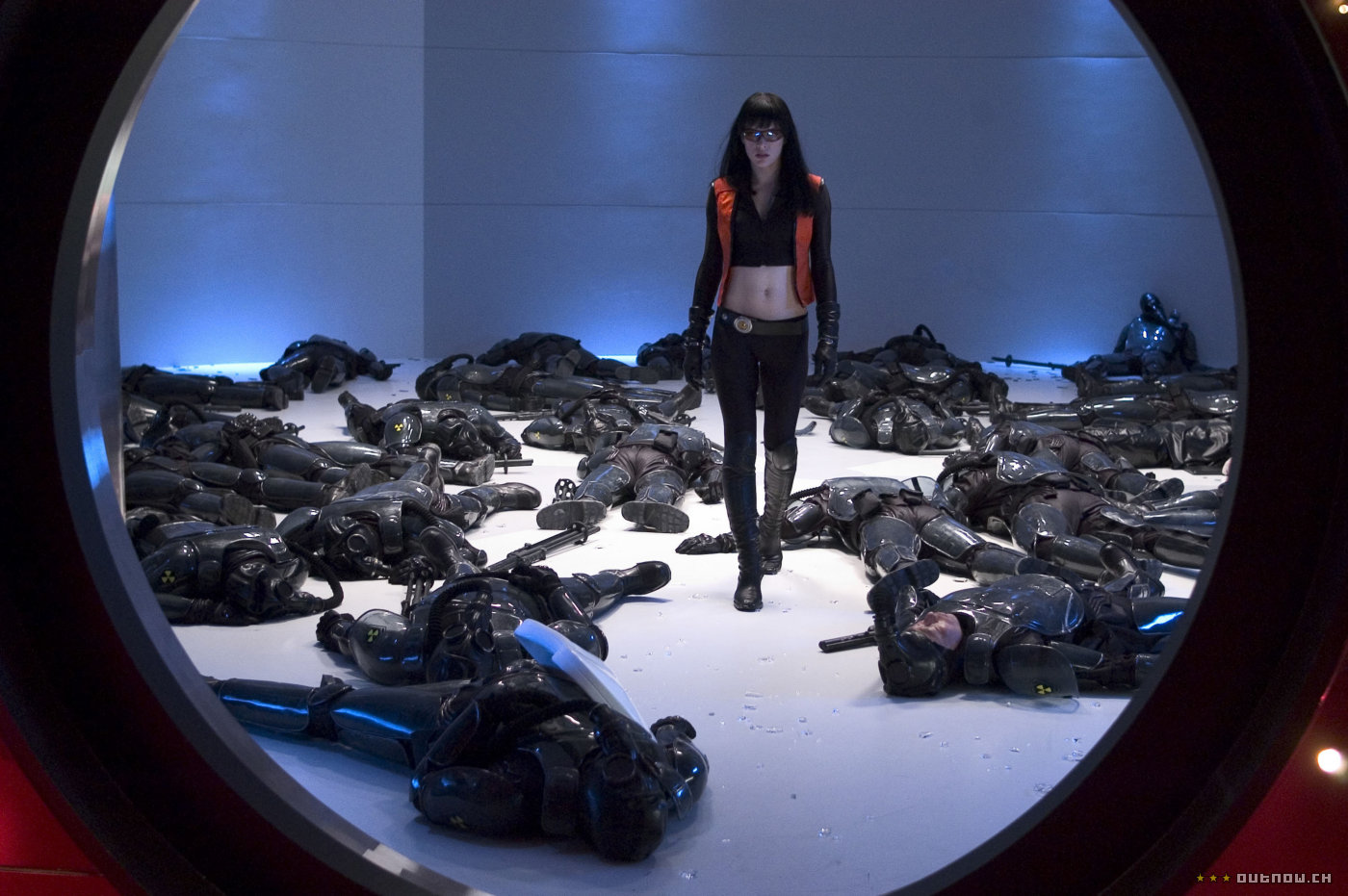
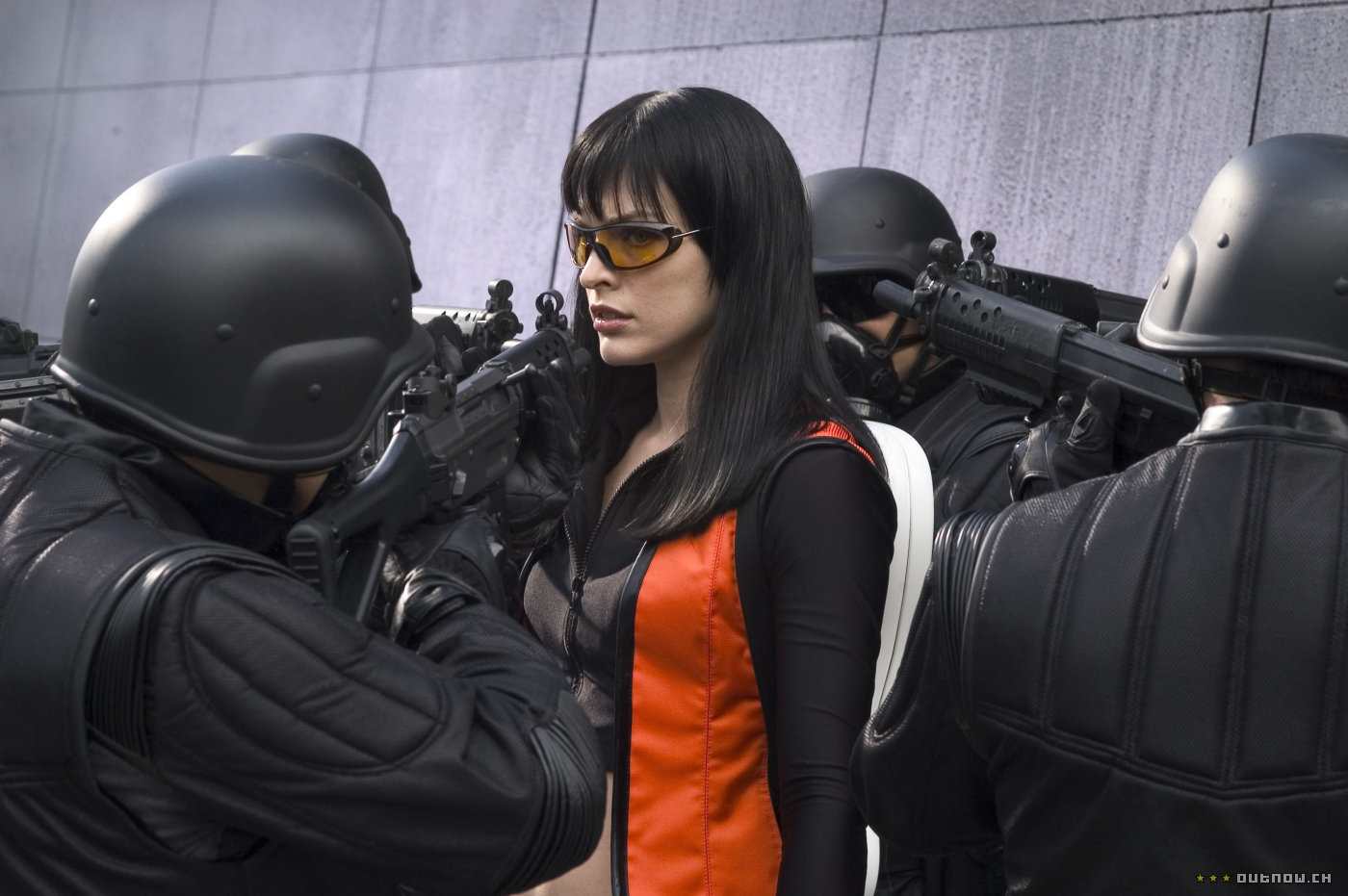
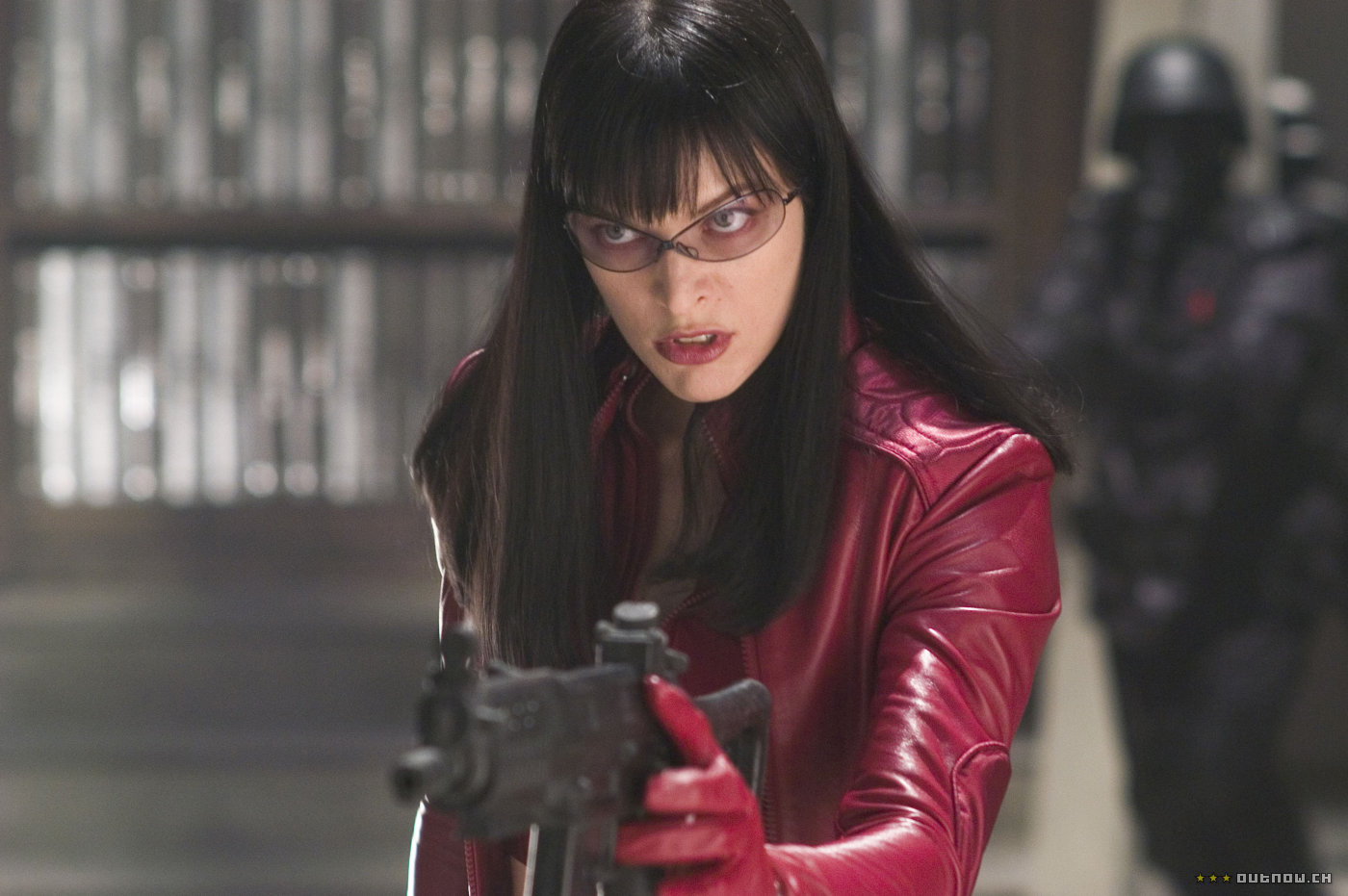
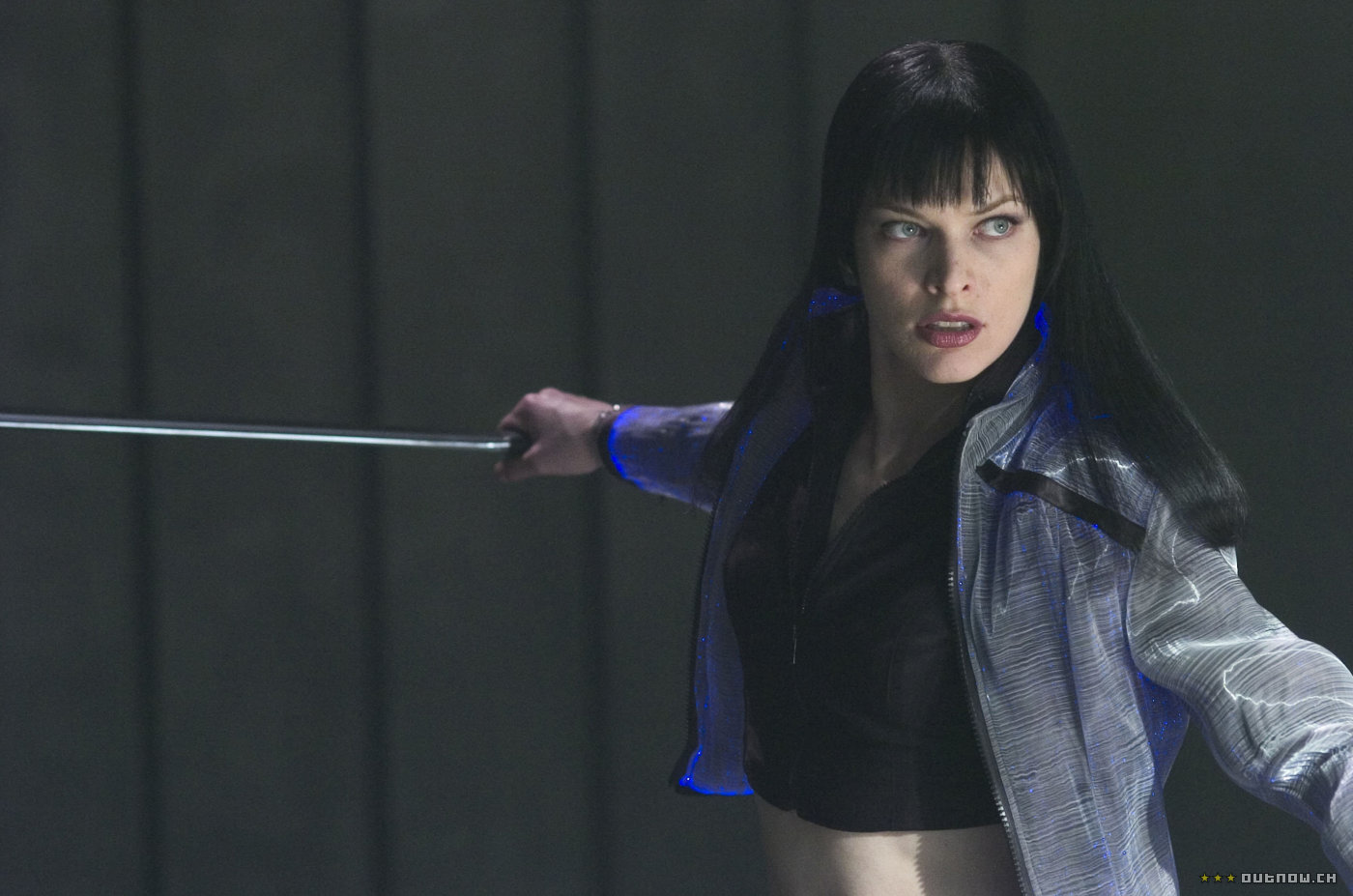
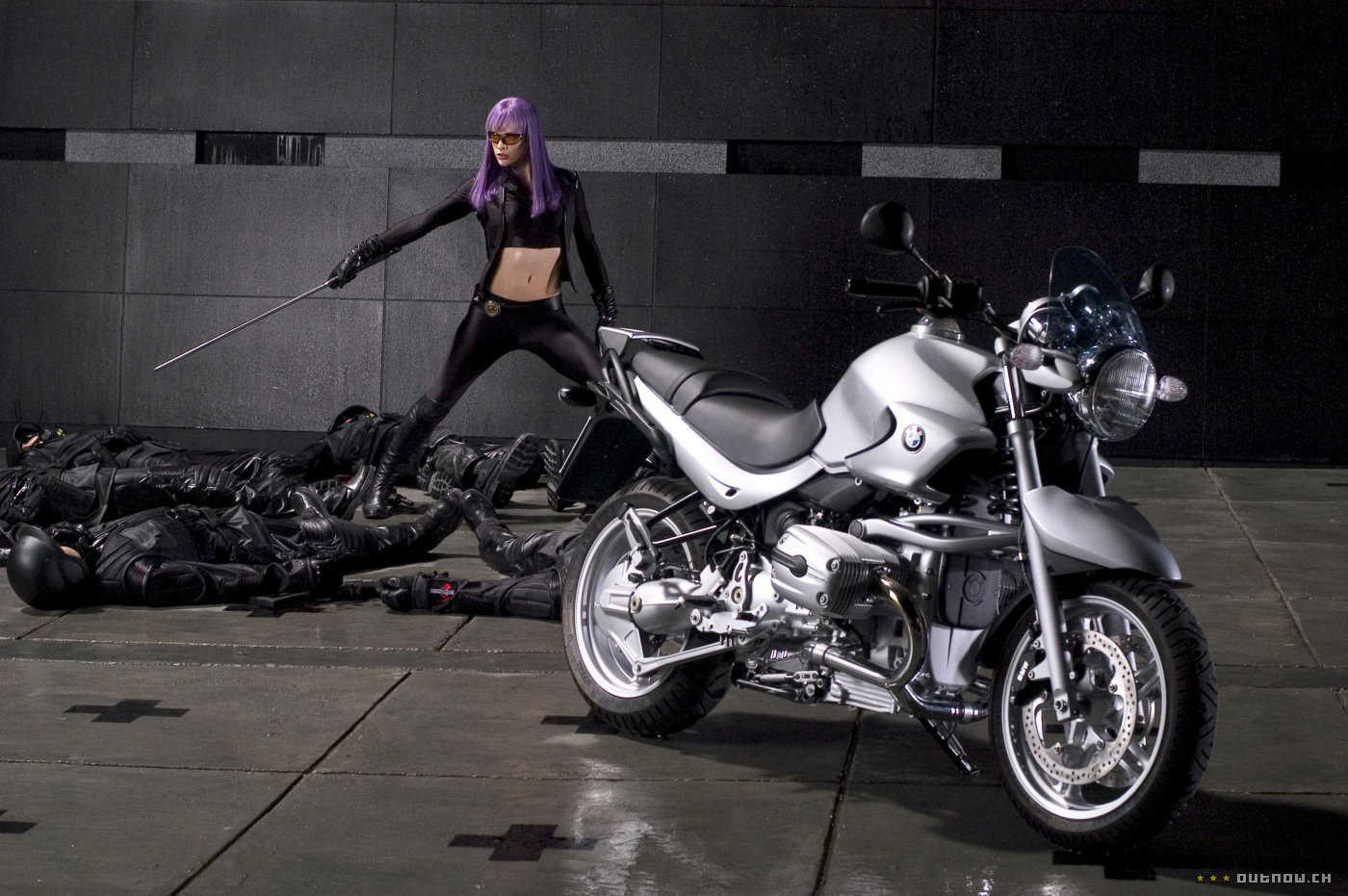
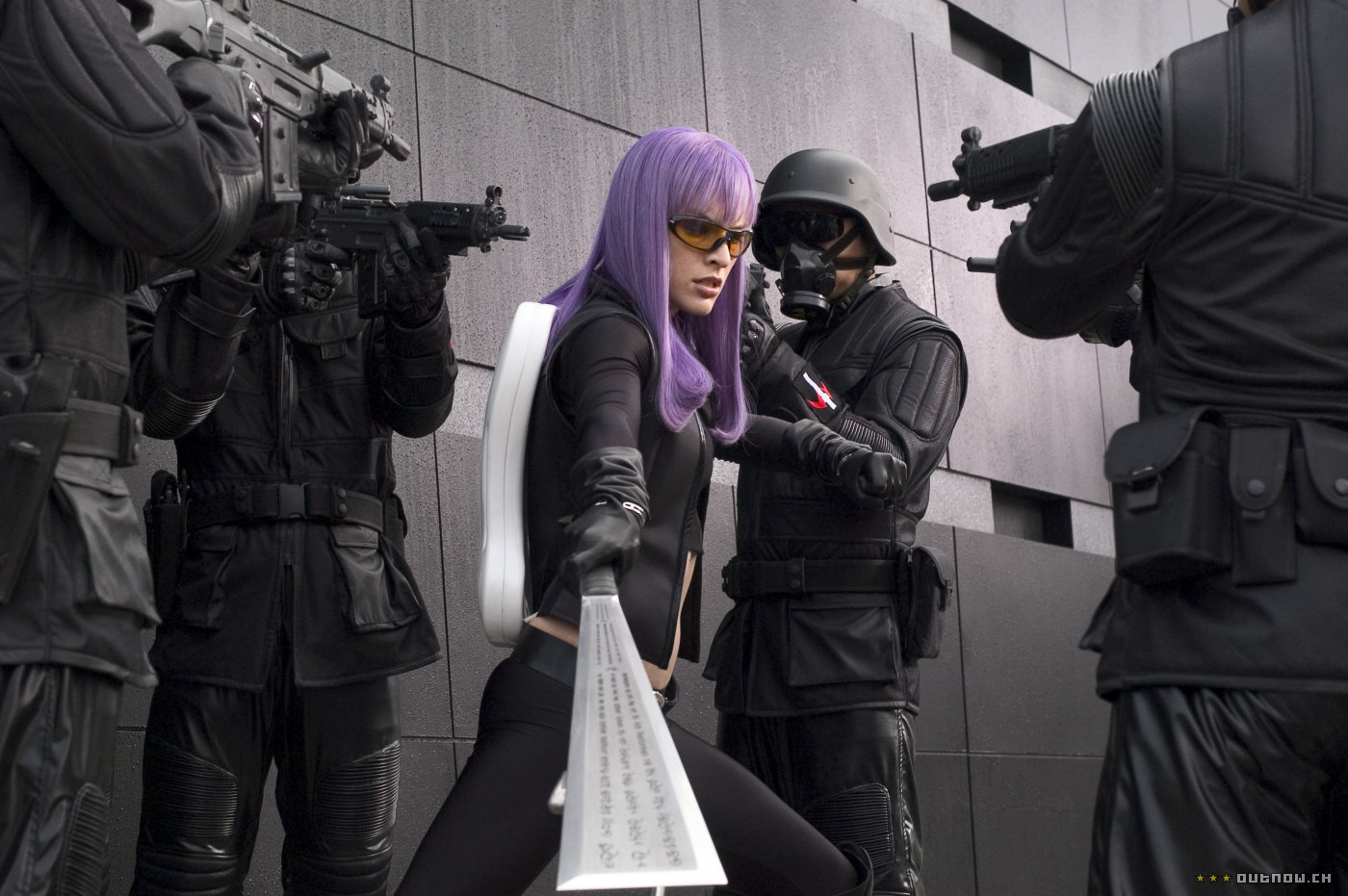
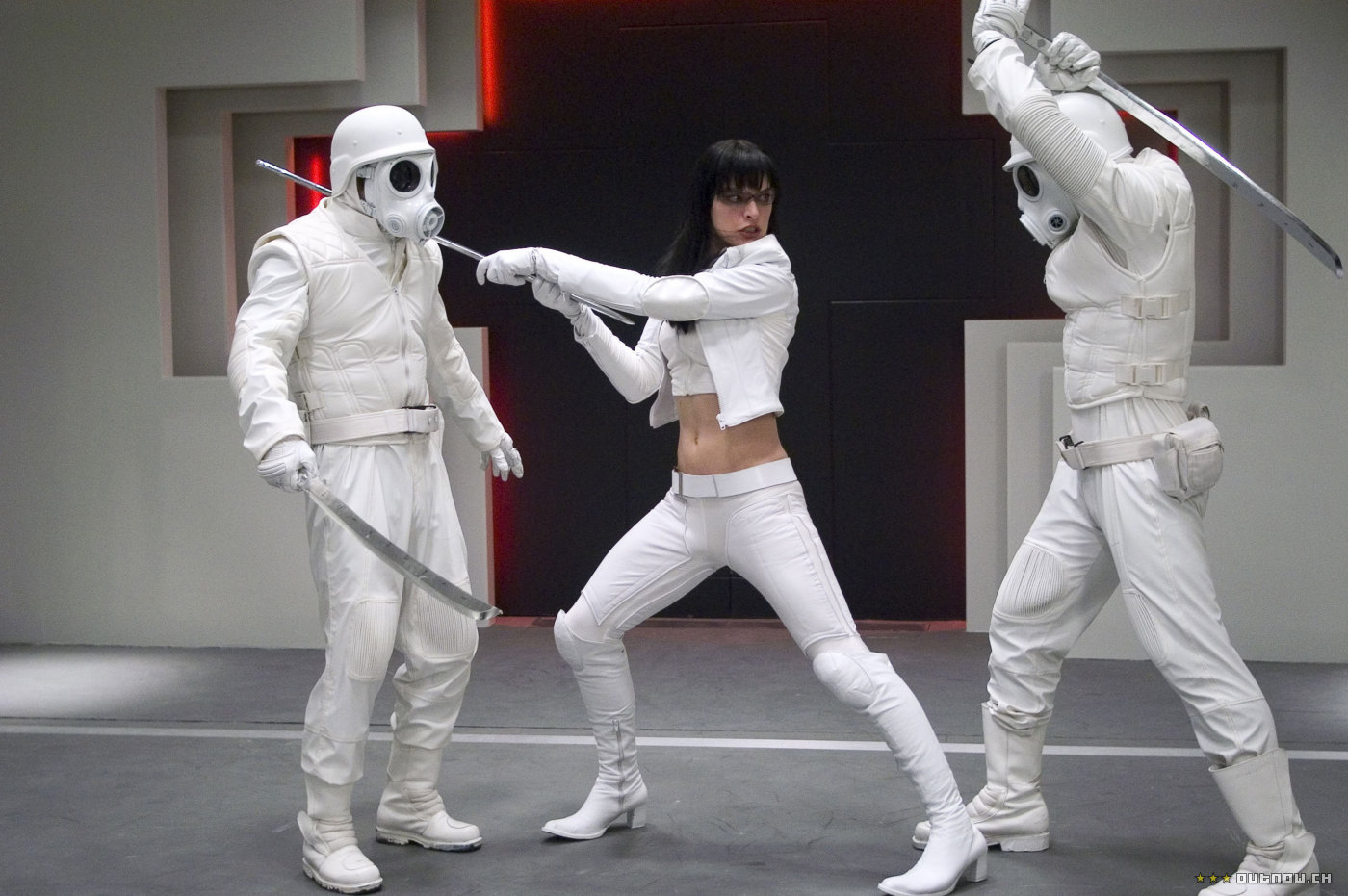
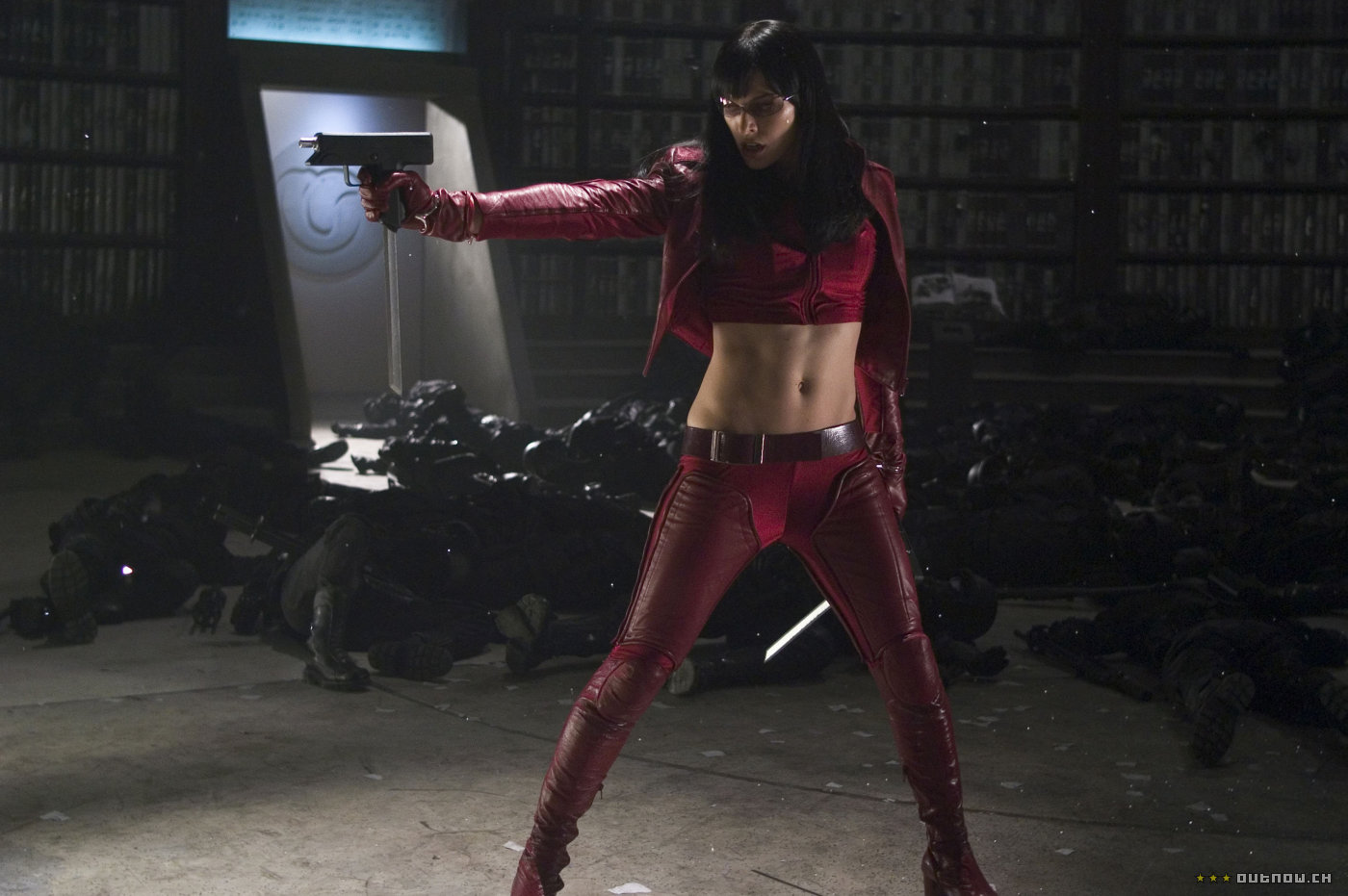
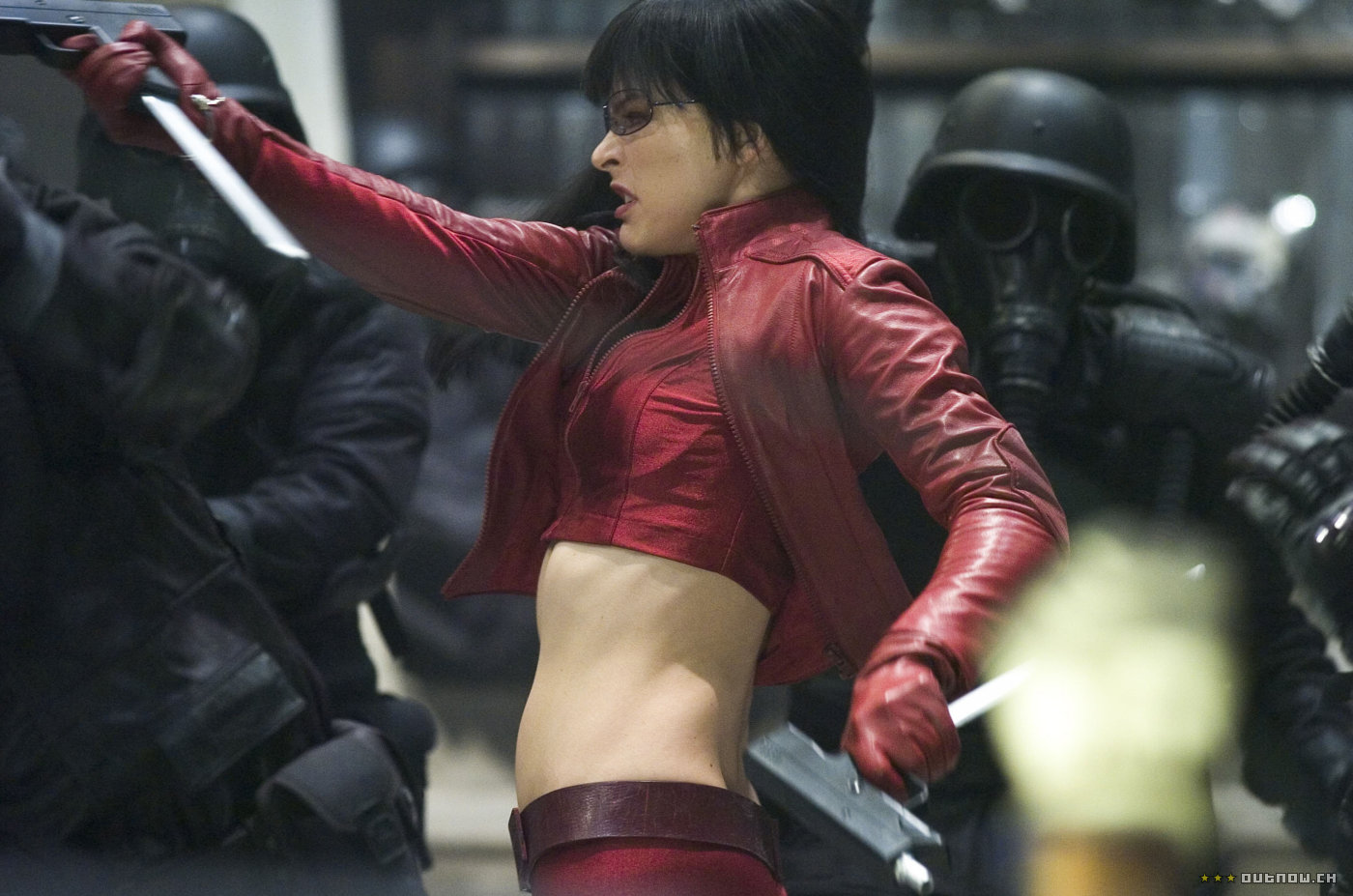
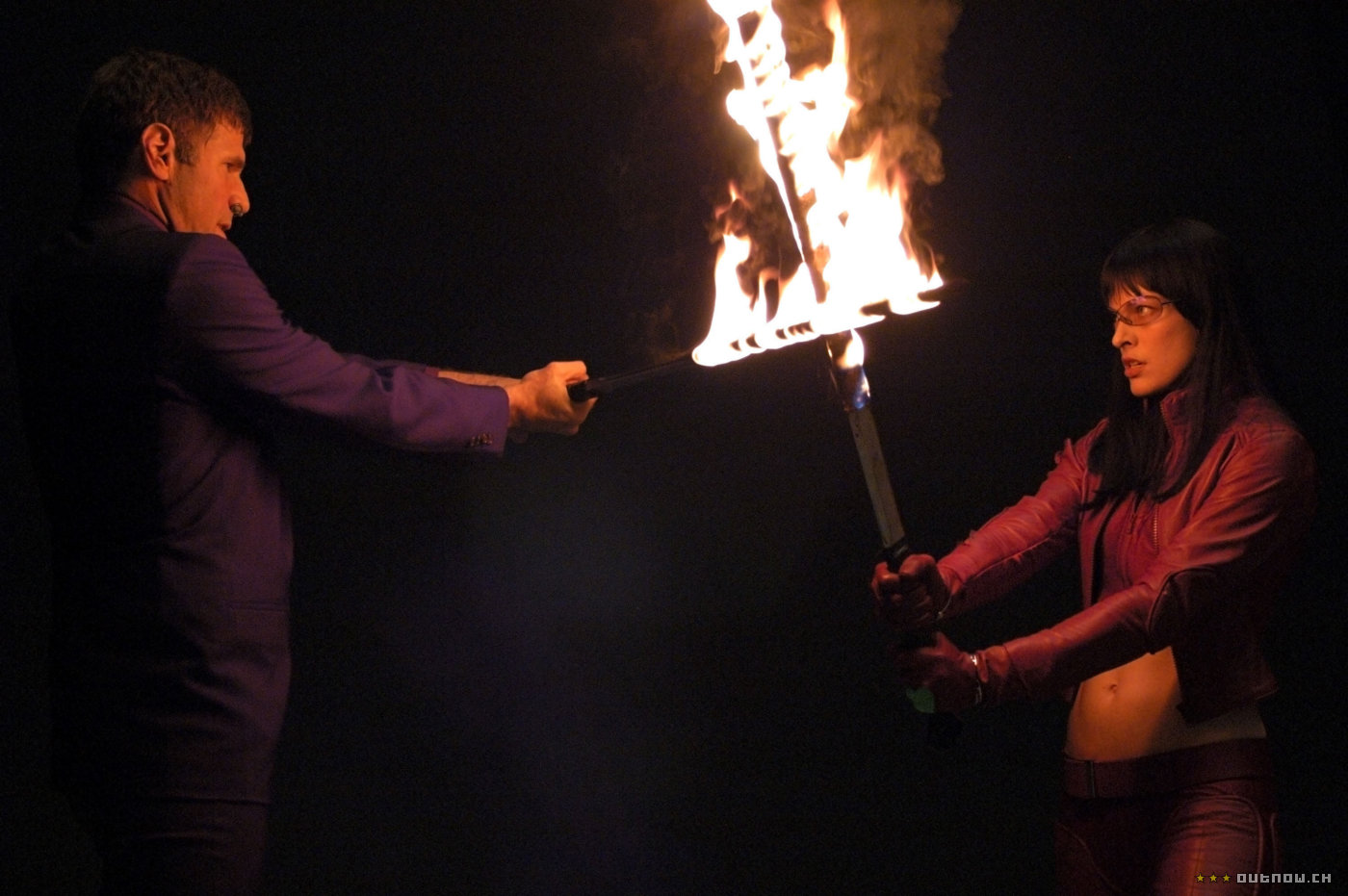
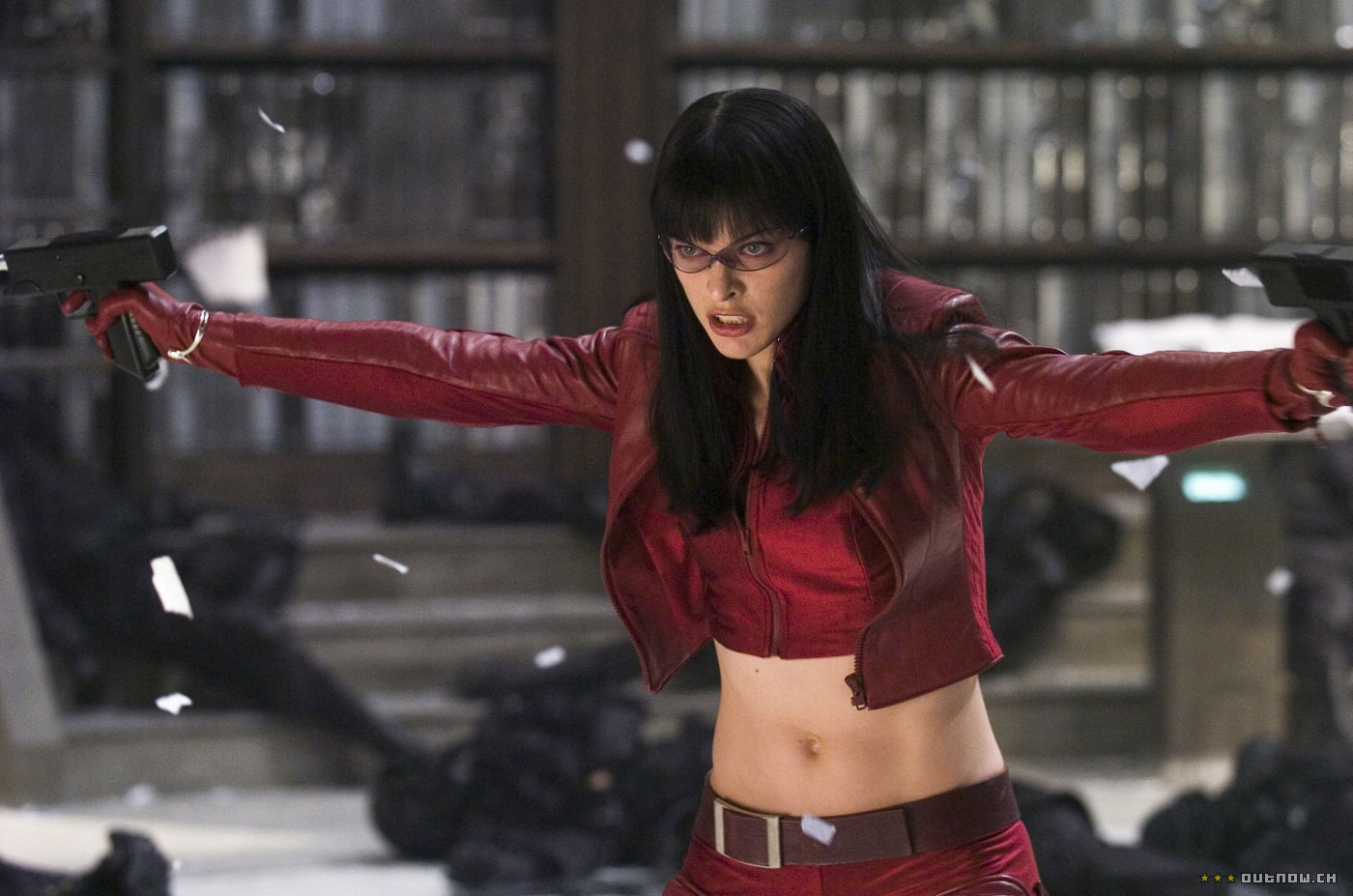
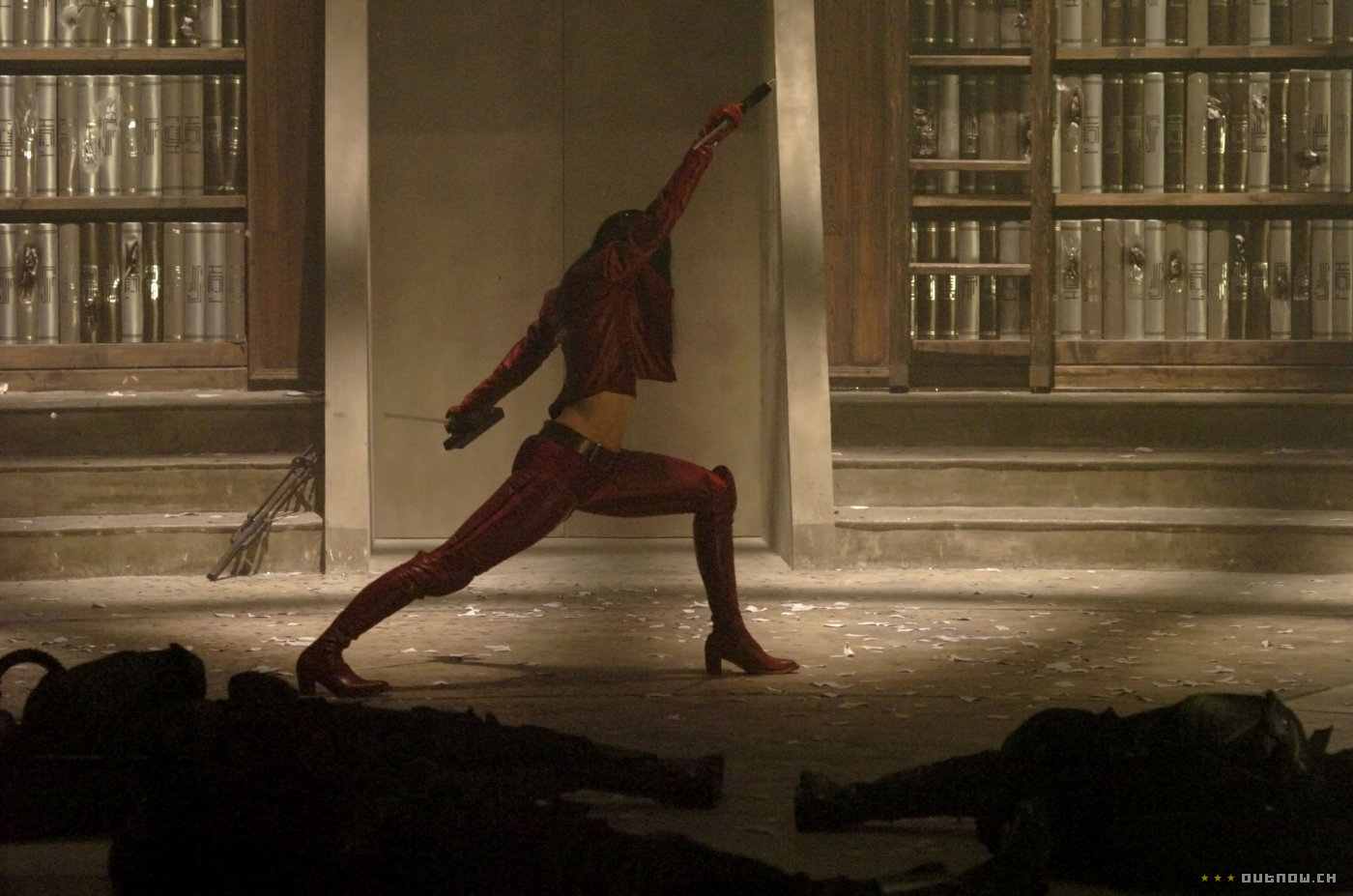
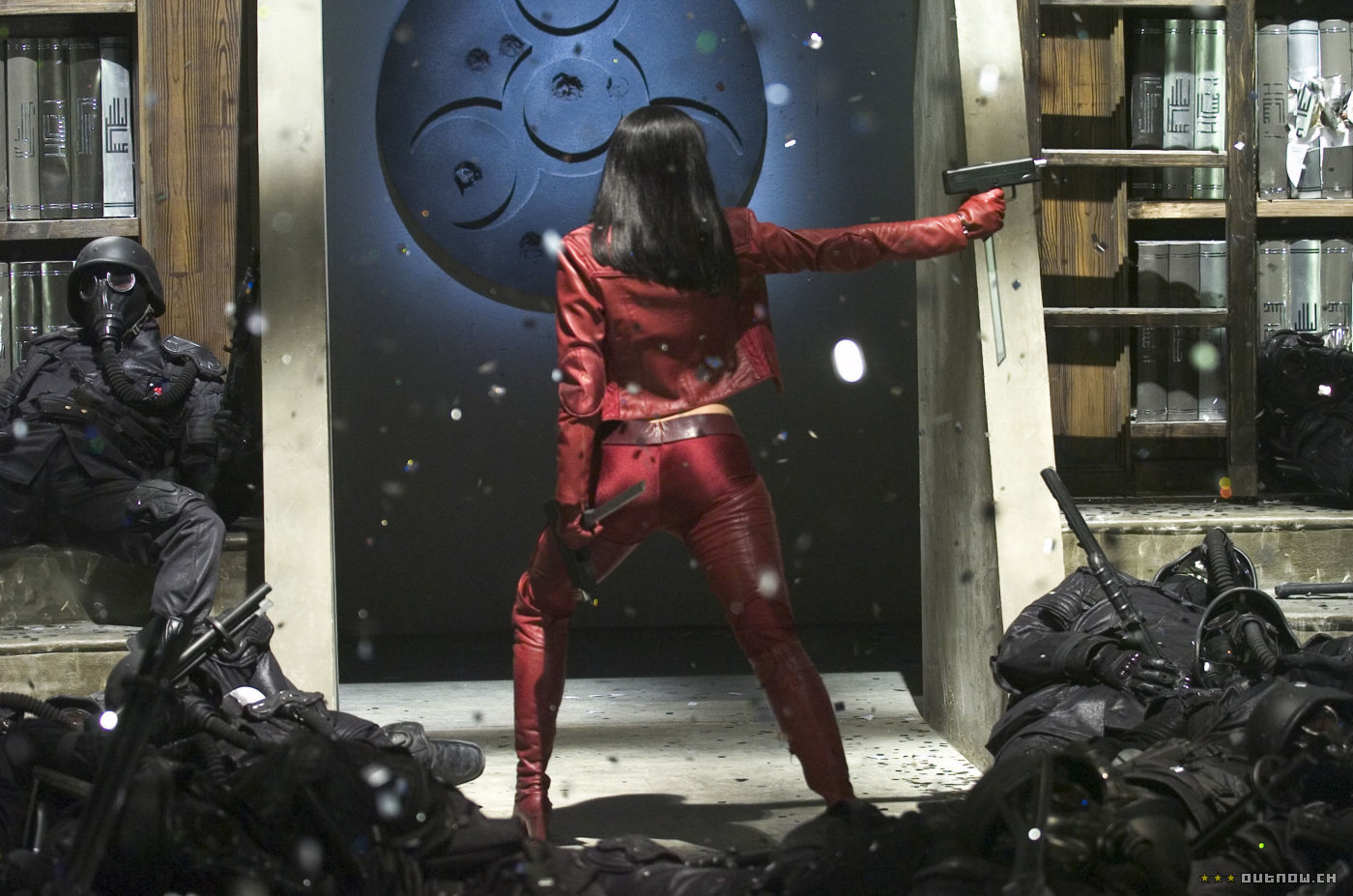
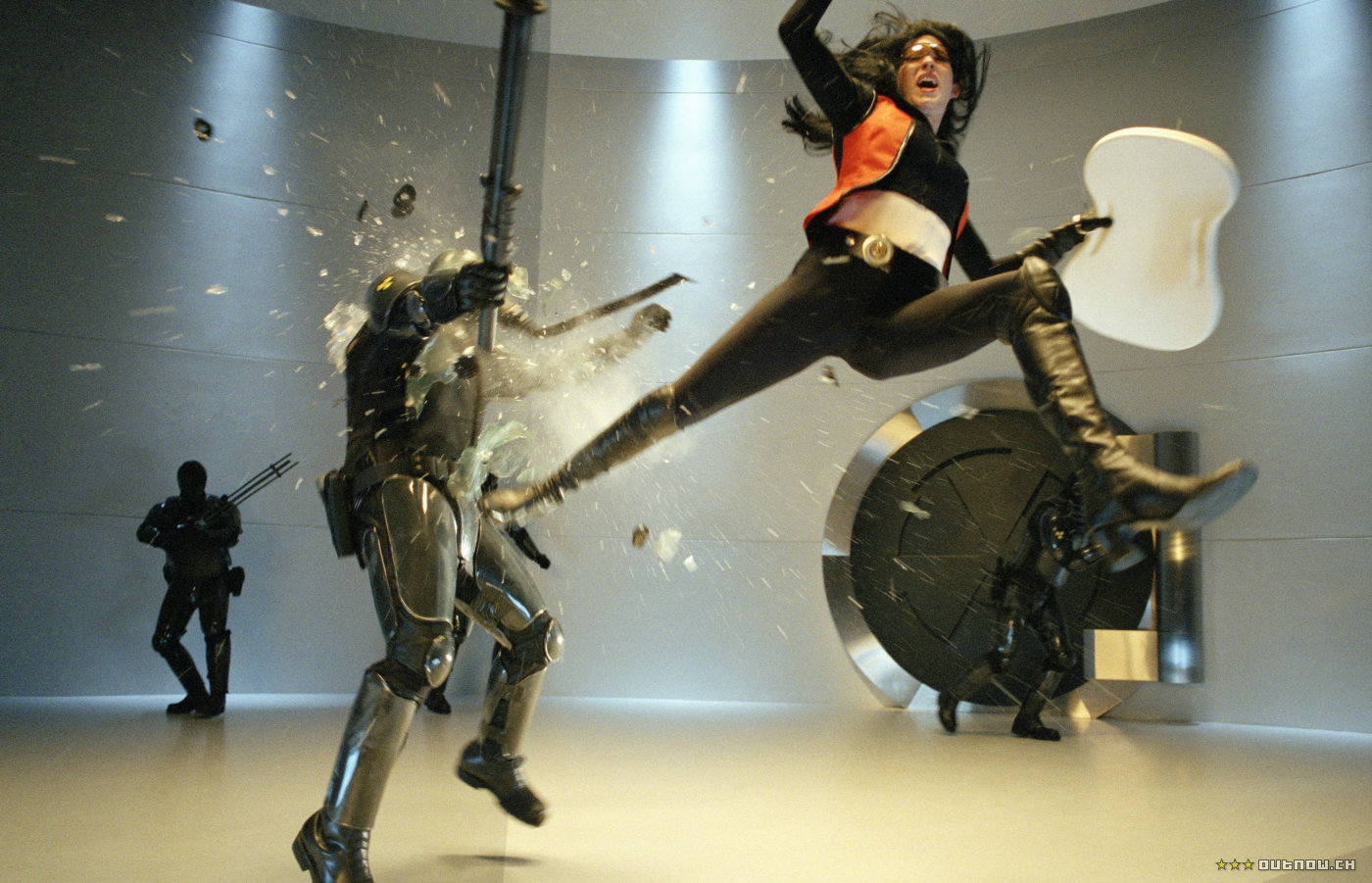
★★★★½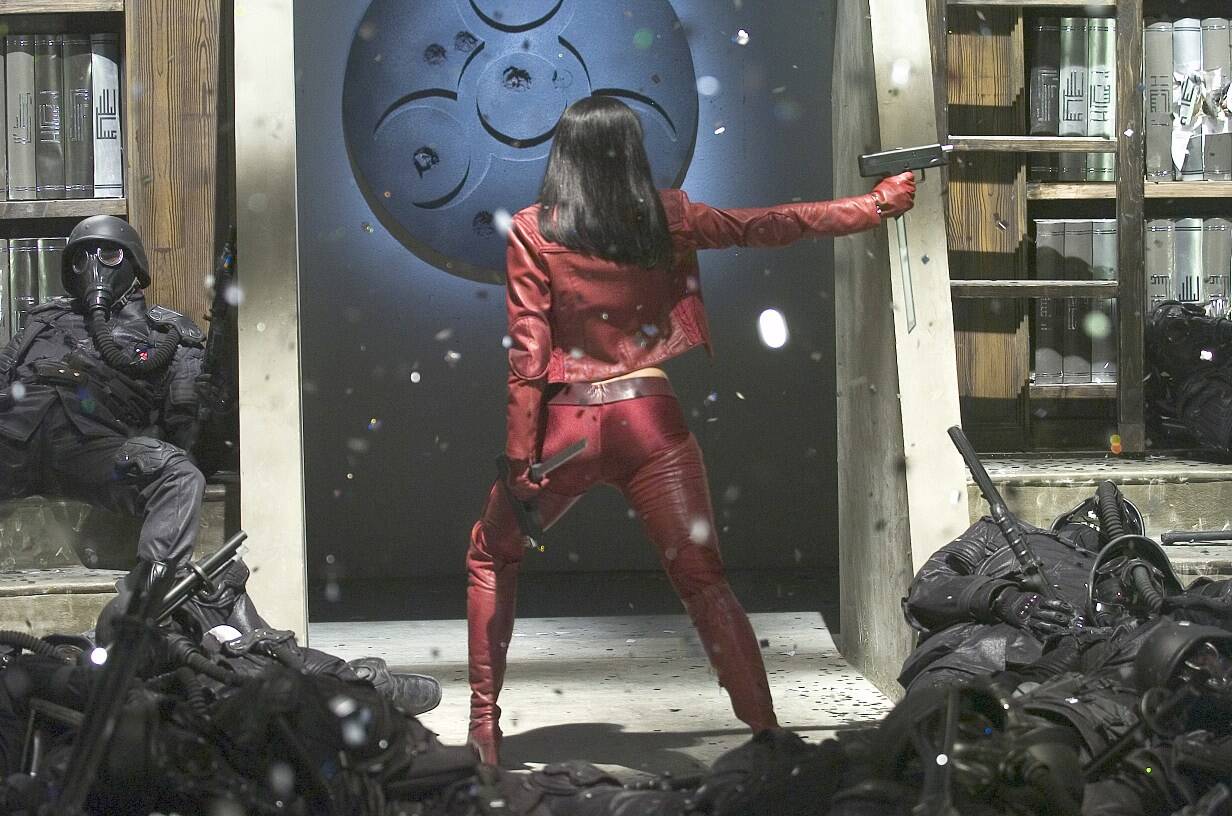 As with Resident Evil, the main asset is Jovovich, who projects just the right mix of chic bad-ass – her belly-button gets so much screen time, it deserved its own credit – with wardrobe and hair changing colour in synch with her mood [and, I believe, it’s far more likely nanotech will be used for this kind of thing than, say, curing cancer] When her co-vampires prepare to take her on, pointing out they’re just as fast and strong as she is, her response is, “Yeah, but are you as pissed-off as I am?”. It’s hard to imagine any other actress who’d come out with such a cheesy line and get away with it.
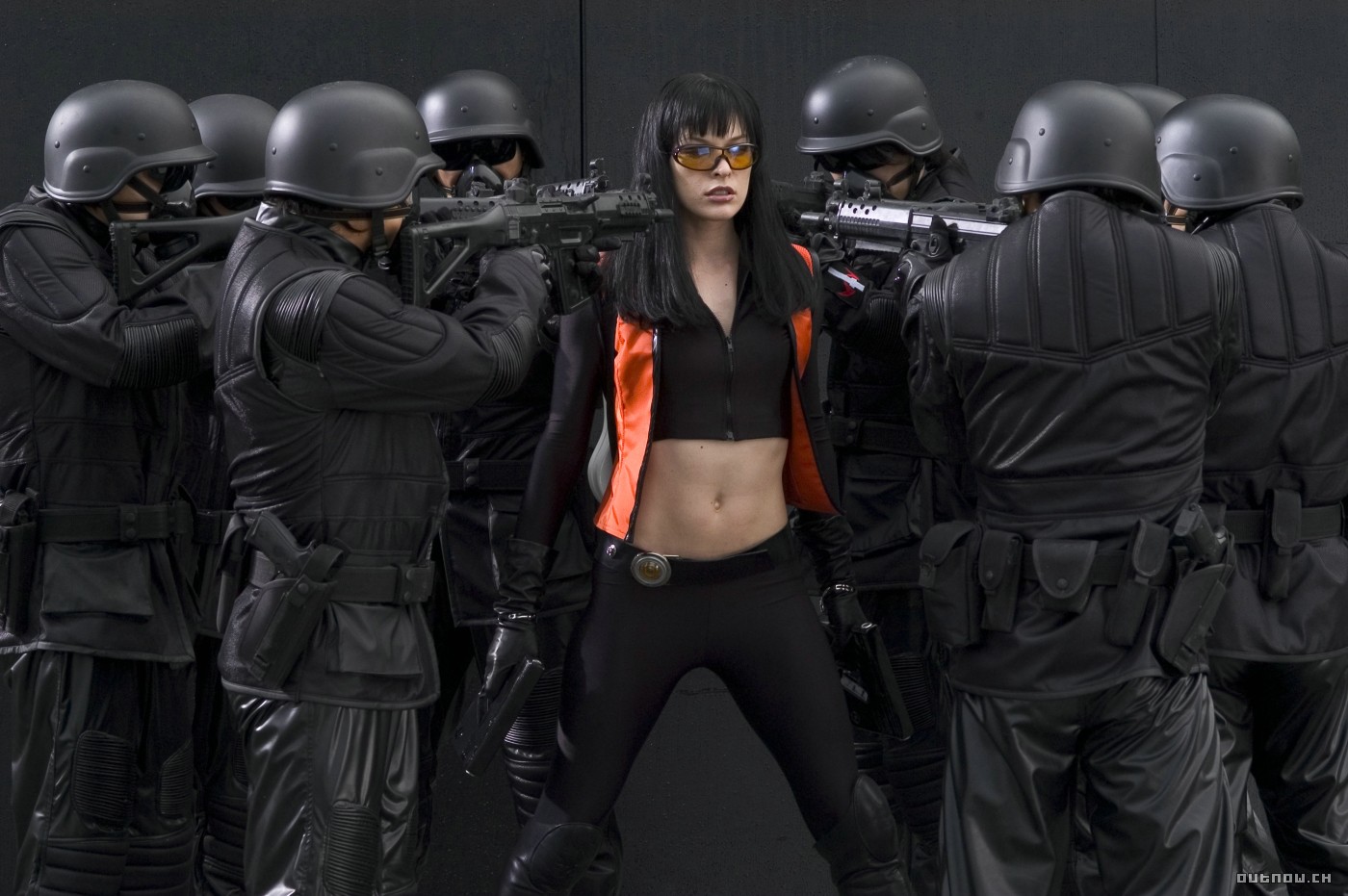
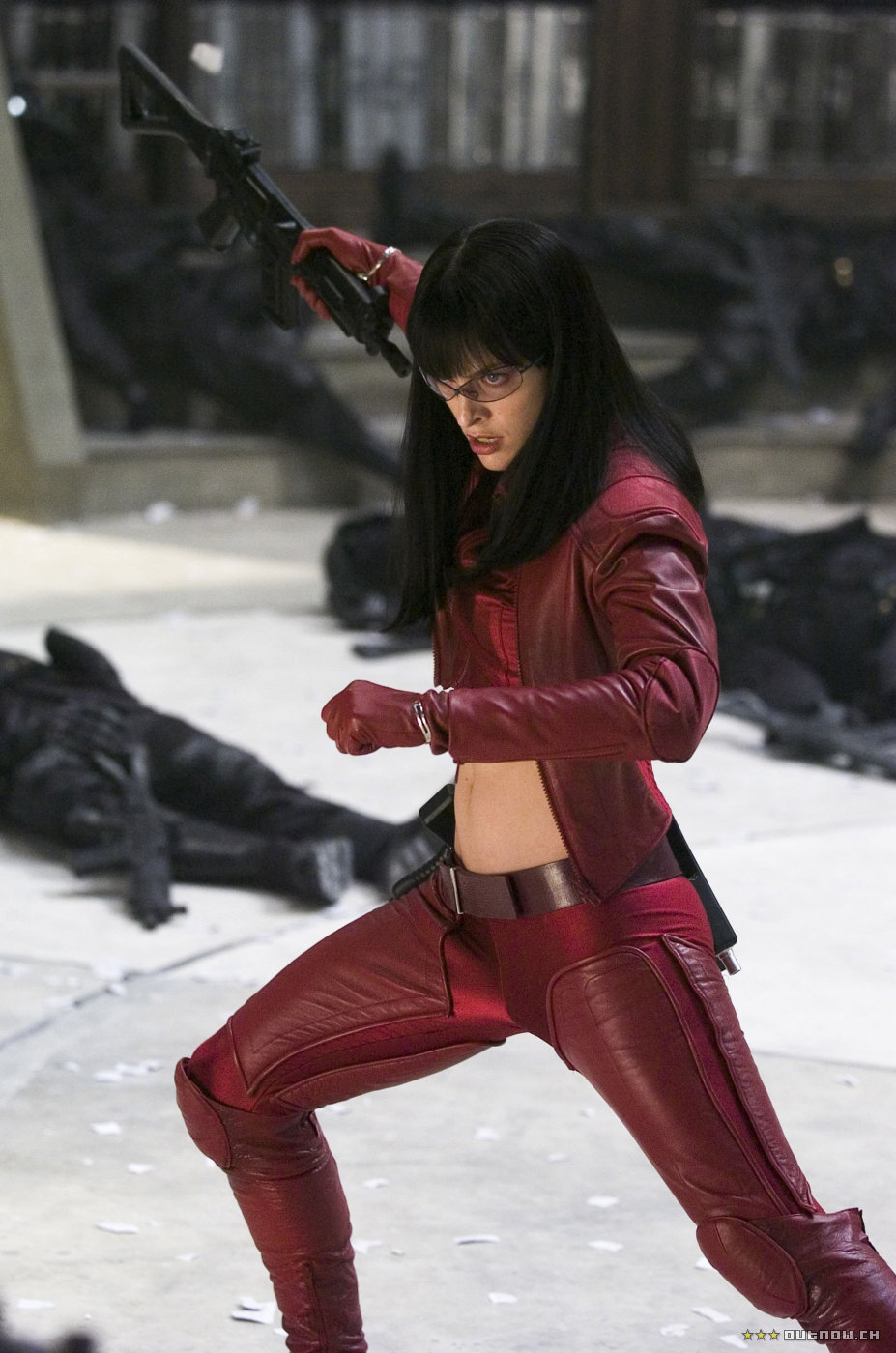
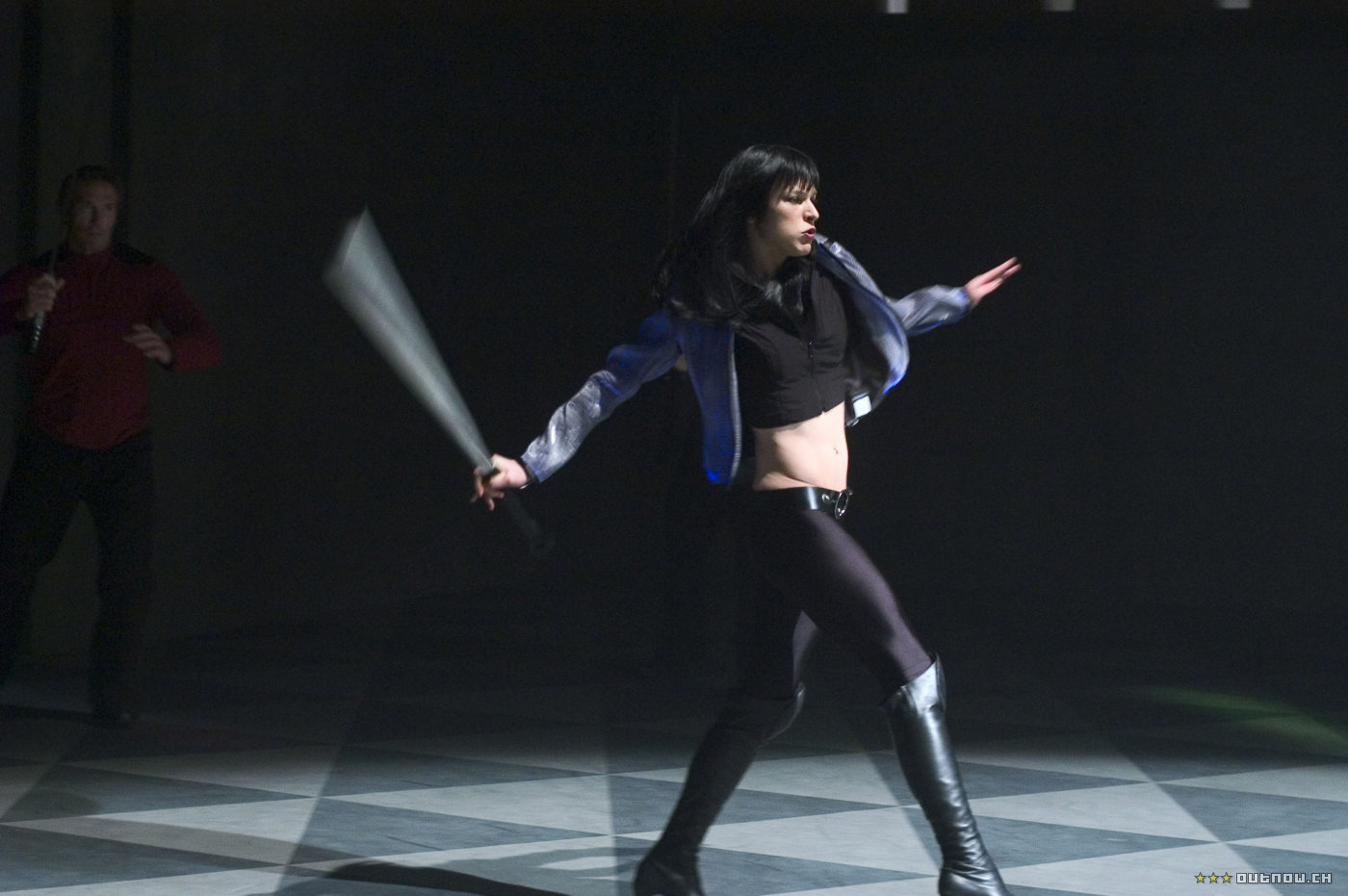
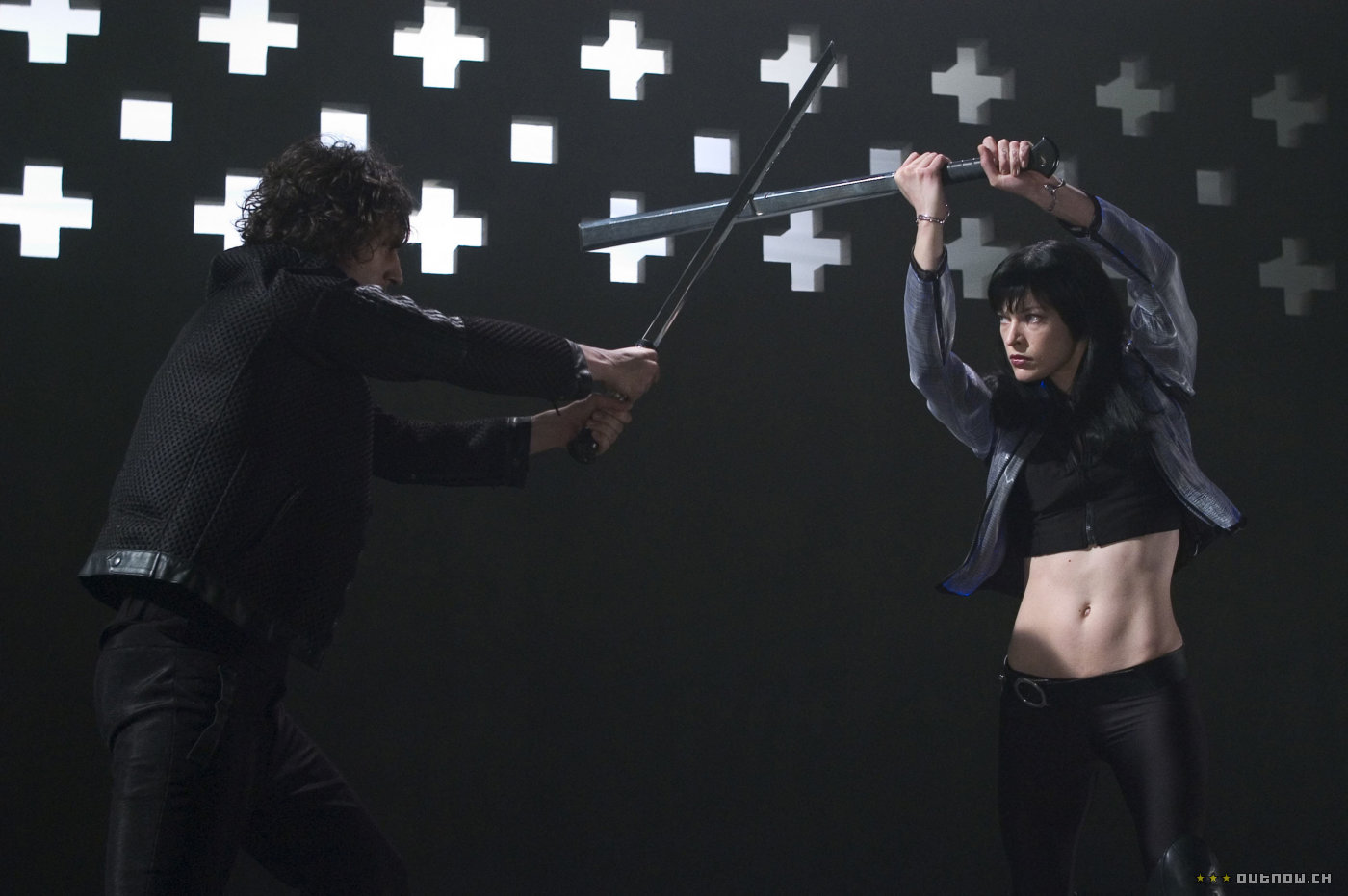
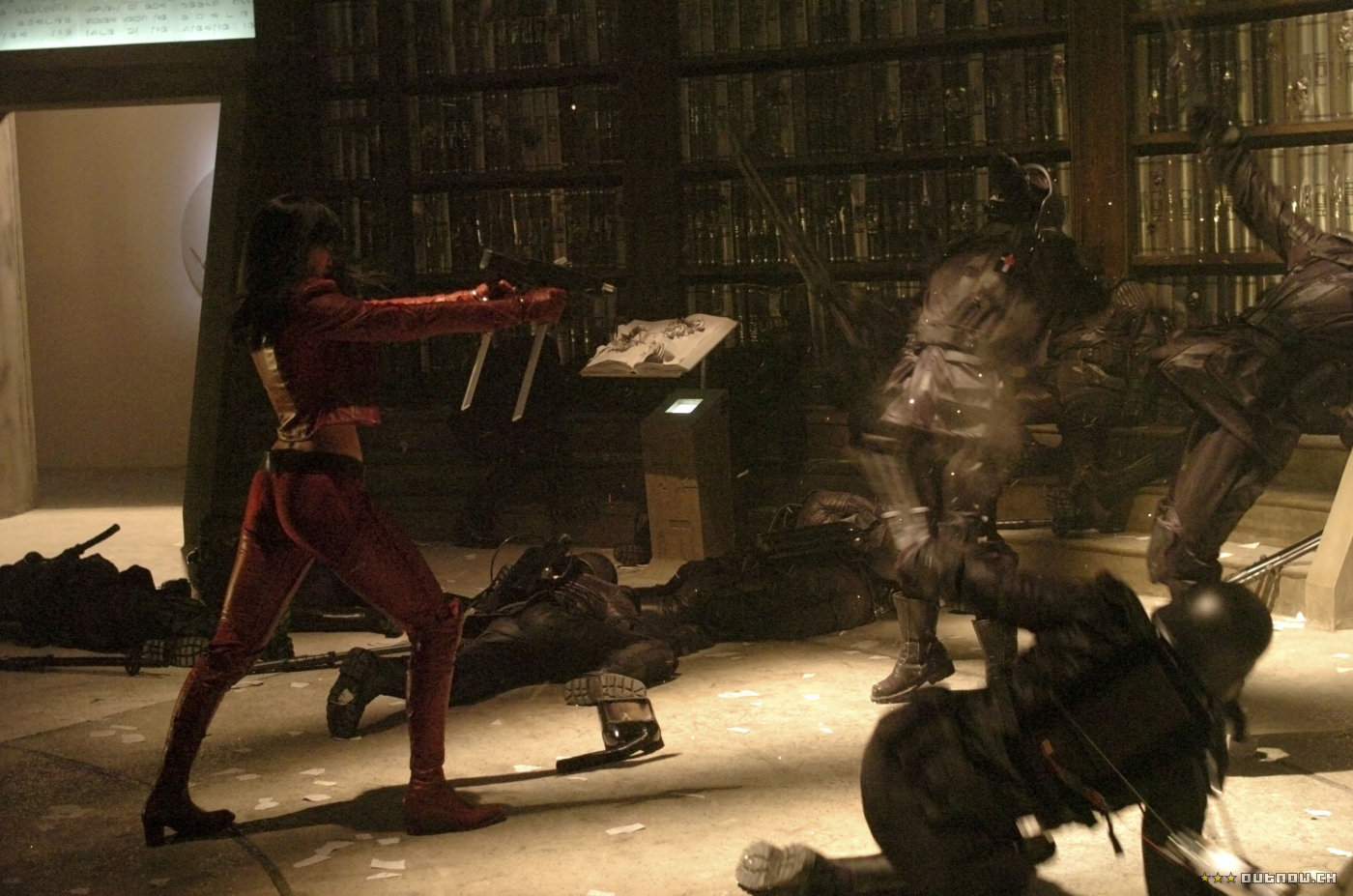
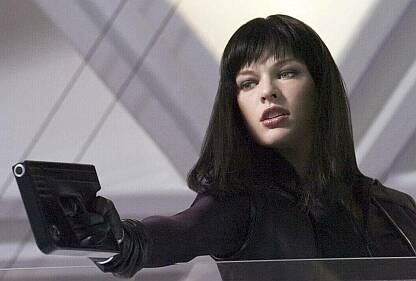 Otherwise, however, the action is excellent, CGI enhancing the impact of the fights. There is a certain sameness, it must be admitted – Violet faces multiple opponents and kicks their arses from here to next week – but Wimmer takes this basic theme and runs enough variations on it that it doesn’t become boring. Visually, it is hard to work out where the sets stop and the plentiful effects work begins (to some extent, that’s true of the supporting cast as well, who don’t have really have much to do, and may be avatars). Either way, it looks fairly good, given the budget: as noted, it isn’t going for photorealism, though the motorcycle chase did look more like an Xbox game. But even little things like disposable mobile phones, indicate genuine thought has gone into the edges. Perhaps more so than the plot, truth be told.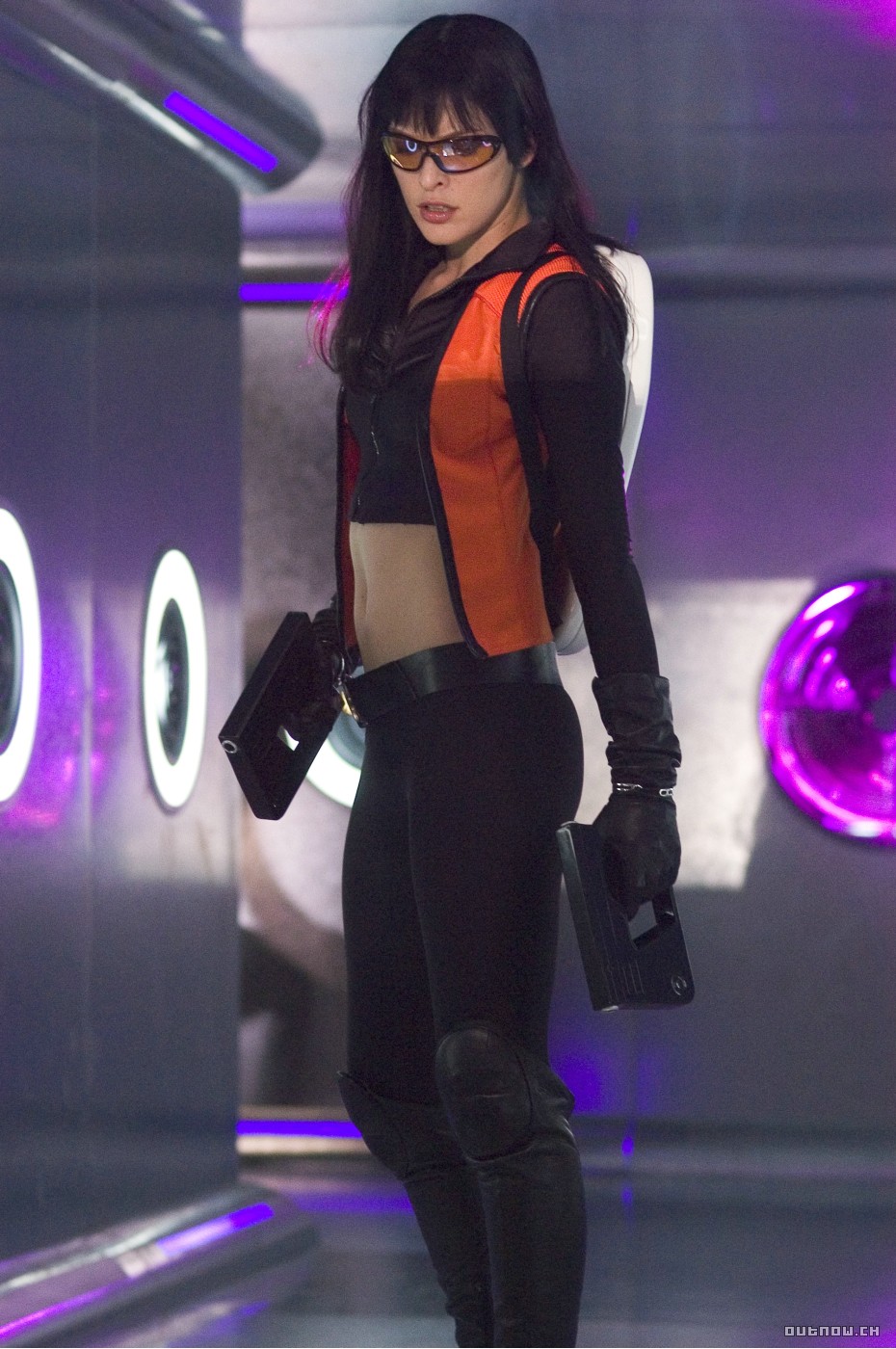

 ★★★★
★★★★ But to quote one character in the movie, “Bitches from
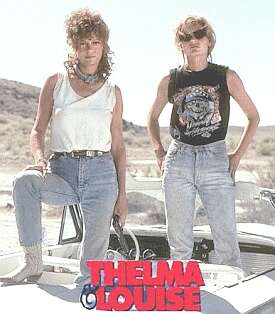
  It becomes like having Andrea Dworkin yelling in your face for two hours, yet the film’s moral is that if women empower themselves, death inevitably results. Khouri seems to be saying, “You can only beat the system by suicide,” while the patriarchy watches from behind its sunglasses and firearms. We