



 Welcome to our fifteenth annual round-up of girls with guns calendars, though the first three were solely on our late, not-so lamented forum which has gone to the Internet graveyard. But this will still be the twelfth one in the site archives, which is kinda impressive. Another year in the books, and at least a couple of decent theatrical GWG films in 2024, a contrast to 2023. But I am still living in Arizona. Plans to move to North Carolina kinda got squashed courtesy of Hurricane Helene, so we’re now looking at less meteorologically troubled areas. Possibly at altitude here in AZ. But as mentioned last year: “We’ll see…”
Not a huge amount to report. If anything, 2024 was even quieter than 2023, but I’m fine with that. I’m at the age where “Nobody I knew died this year” is about the best I can hope for! Had some trips to various places, including Florida. Watched a bunch of films: all told, probably somewhere north of four hundred. Endured another US presidential election in which I can’t vote. Renewed my green card. Failed to acquire a new kitten. Yay!
On the calendar front, numbers seem fairly stable, with almost all of the top entries returning (or, in a couple of cases, promising to return!). Last year, I had to miss Zahal Girls, who didn’t publish anything in time for this review, but I’m pleased to report they are back for 2025. That balances out the loss of Airsoft Pro. Prices seems to have stabilized too, after the sharp increase last year. Below, you’ll find prices (generally excluding shipping), sample images and links to purchase for all the calendars we could find. We’ll add more if we see them, feel free to email us if you know of any others.
TAC GIRLS
Amazon link – $19.95 [though you may be able to find some coupons on TacGirls.com]
The Tactical Girls 2025 Bikini Gun Calendar has 13 months (1/25-1/26) of Beautiful Girls and Exotic Weaponry! Every Calendar includes a 12×24″ pull out mini-poster of cover model LaTasha – slides out, no perforations to tear or staples to pull. The 2025 Tactical Girls Calendar brings you 13 months of gorgeous pinup models with some of the world’s most exotic weaponry in realistic tactical settings. Includes the EAA Disruptor Pistol, an AR-10 and an AR Pistol from Black Rain Ordnance, an original M1 D Sniper Rifle from WWII / Korea and a Sig MPX.
You’ll find sexy zombie hunters, secret agents, army girls and tributes to your favorite female action movie heroines cradling AR-15 carbines, battle rifles, machine guns, tactical pistols, and sniper rifles, 12 x 24 inches open! Each month includes trivia dates from military, law enforcement and firearms history like The Battle of the Bulge, The Gunfight at the OK Corral and Samuel Colt’s birthday.

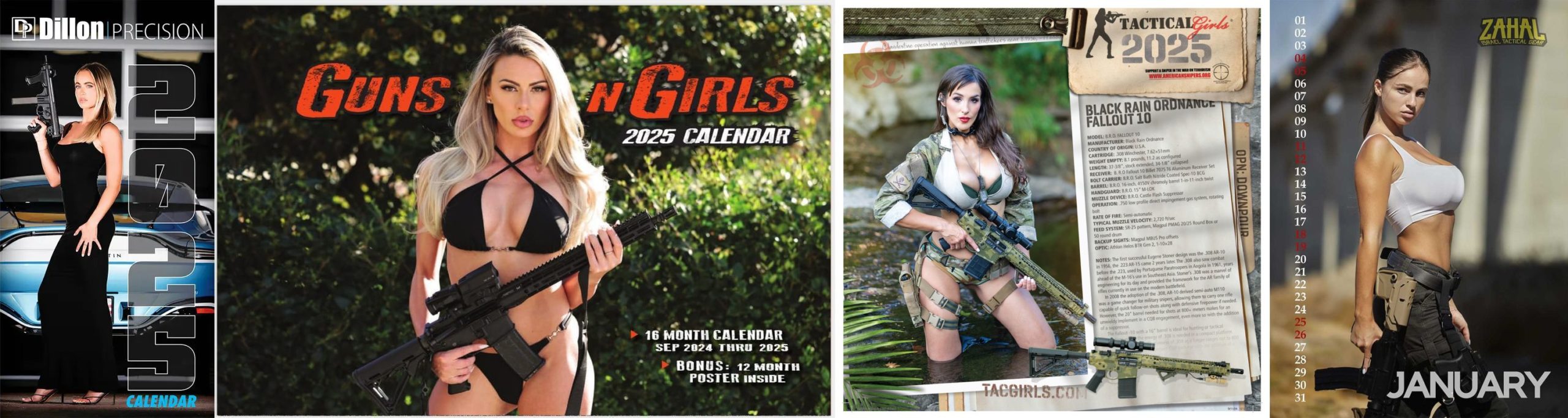
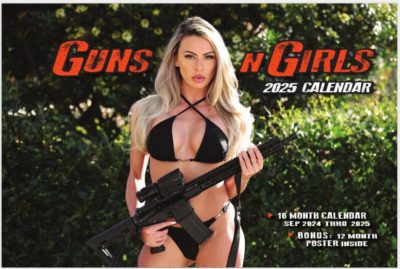
GUNS AND GIRLS
GunsAndGirlsCalendar.com – $15.47
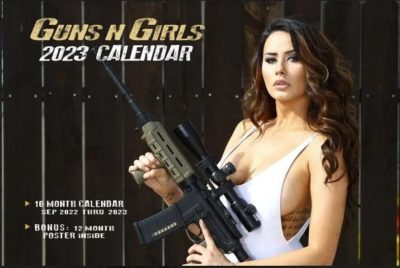
This 2025 wall calendar features stunning photographs of beautiful women posing with firearms. Deluxe Edition: Upgrade your calendar experience with the deluxe version, which includes a bonus free poster. Practical Design: This calendar is the perfect size for your home, garage or office wall. Monthly Layouts: Each month offers a new captivating image, along with ample space to write appointments and notes. Collectible Item: As a limited edition, this calendar is a must-have for fans of the ‘Guns & Girls’ series.
WEAPON OUTFITTERS
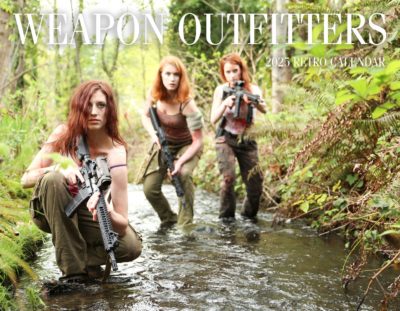
WeaponOutfitters.com – $39.69
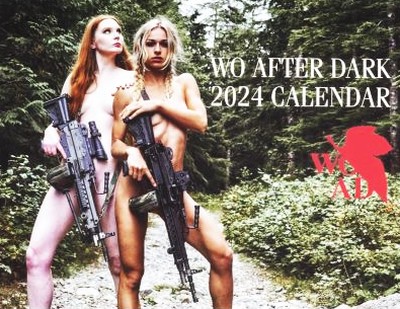
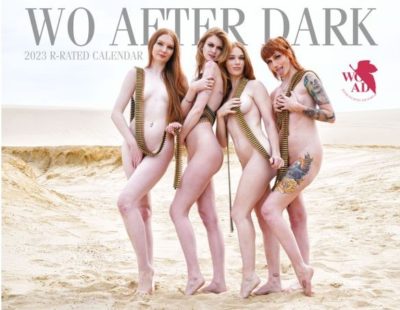
Looks like they’re back to offering both a G- and R-rated version of the calendar this year (the cover of the former is below), as well as another R-rated once called “After Dark Nudes and NODS”, described as “a collection of nude and night vision themed photography.”
DILLON PRECISION
DillonPrecision.com – $19.99
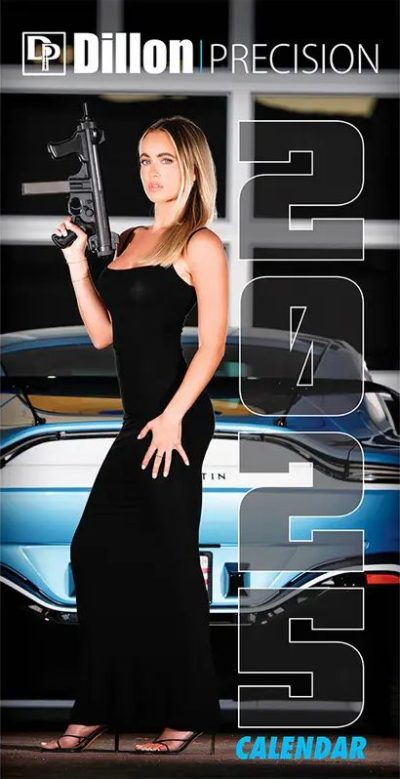
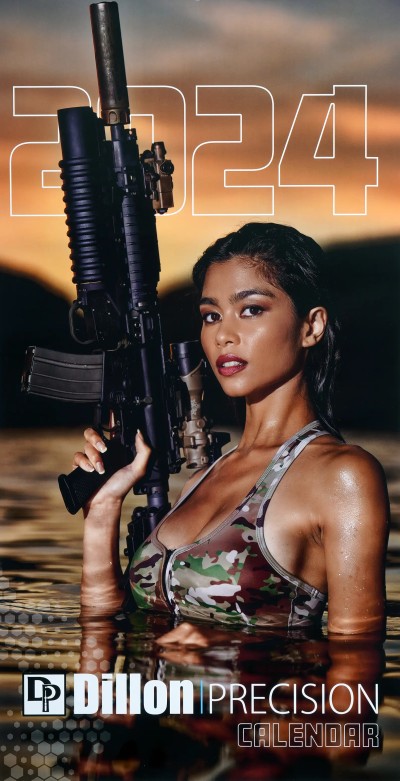
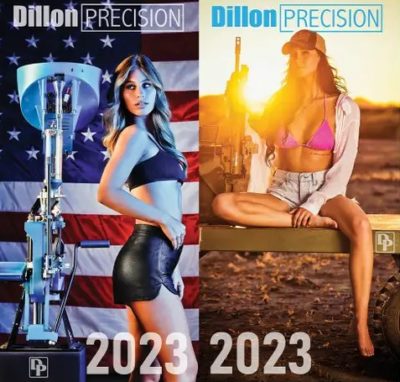
Weapons Outfitters, however, are positively voluble in describing their products, compared to Dillon Precision, who limit the information regarding their product to: “Dimensions: 13.5 X 26.5”. They clearly believe a picture is worth a thousand words…
ZAHAL GIRLS
zahal.org – $38.00
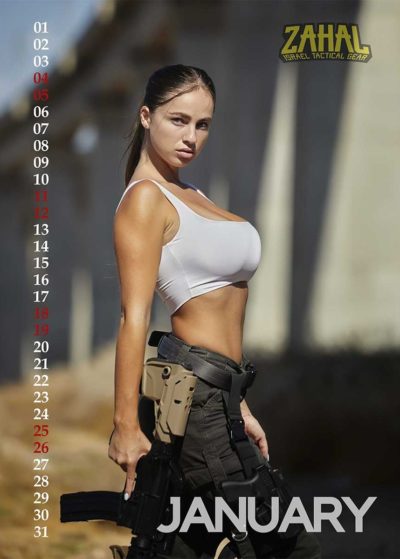
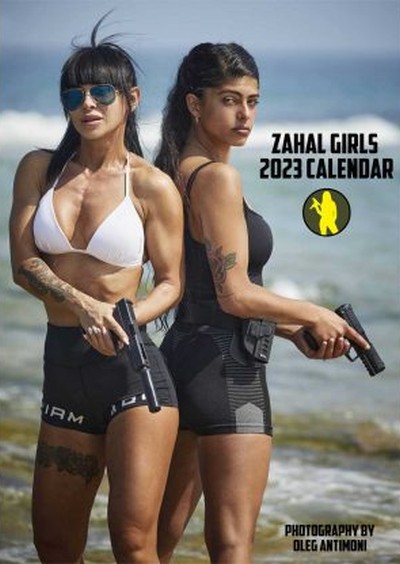
We are proud to present our new ZAHAL Girls Calendar which combines the best of both Former IDF Women and the best tactical gear. No gun bunnies! Only IDF veterans. Size is Approx A3. The Zahal Girls 2025 Calendar is a curated collection of images that honors the valor and commitment of female IDF veterans. Each page of the calendar unfolds with a powerful portrait that not only reflects the individuality and strength of these veterans but also embodies the ethos of the IDF. With an artistic blend of tactical aesthetics and evocative backdrops, the calendar tells a story of determination, unity, and pride, month by month. It serves as a tribute to the spirit of these remarkable women who have served their country with honor, offering inspiration and insight into the lives of those who protect and serve.
WILD DAKOTA GIRLS
wilddakotagirls.com – $18.00
As with last year, the cover doesn’t include any armament. But the promotional video for this year’s calendar definitely includes some firearms, so that works.

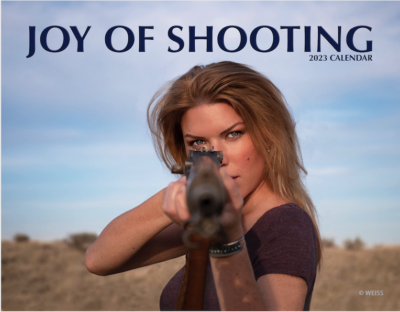
THE JOY OF SHOOTING
JoyOfShooting.com – $27.99, also available in an autographed edition.
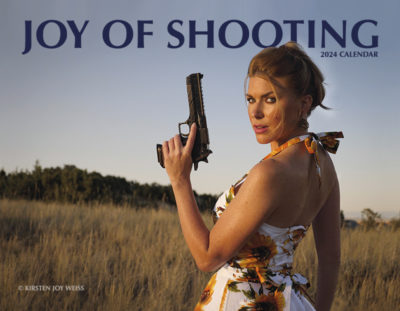
This one is on uncertain territory, the link above says ‘2025 calendars coming soon!’, but given I’m writing this in the last week of November 2024… I hope it does survive, as this was definitely one of the more impressive items last year. Check out the link and keep your fingers crossed, I guess!
BULLETS AND BIKINIS
bikinicalendarstore.com – $17.99
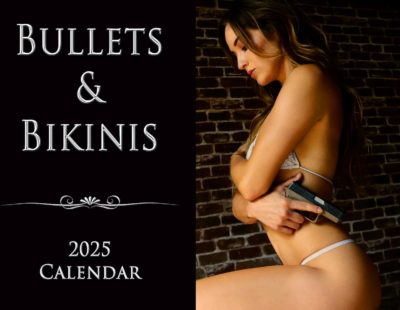
12 Months in the Hottest Women in Shooting Sports. 11 x 17 When Opened
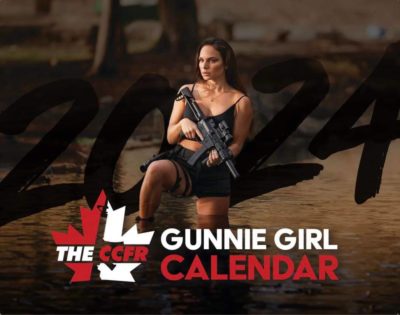
CCFR GUNNIE GIRL FUNDRAISING CALENDAR
firearmrights.ca – $19.99
This is another one which should perhaps be coming out between now and the end of the year. They had a call for models in April, and it looks like the shoot was in August, but as yet the website has not been updated with ordering information. I’ll leave this one up, linking to the store in general. Price, info and image below are all from the 2024 edition.
This annual fundraising project by the CCFR Women’s Program is critical to financing ladies range days across Canada. Beautiful colour photos highlight real members with the coolest guns! Includes promotional poster (17×22 in.) and instructions on how to register your calendar for free prizes! 8.5 x 11 in. landscape format. Limited quantities available.
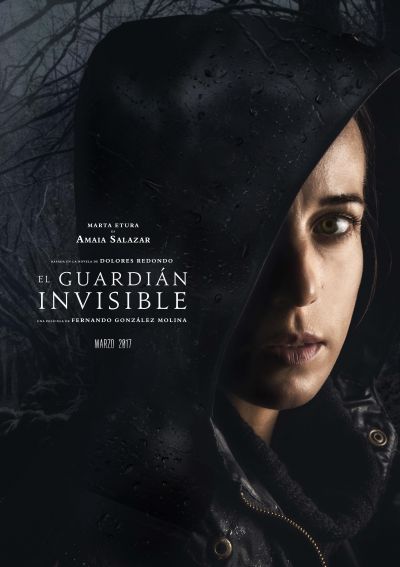
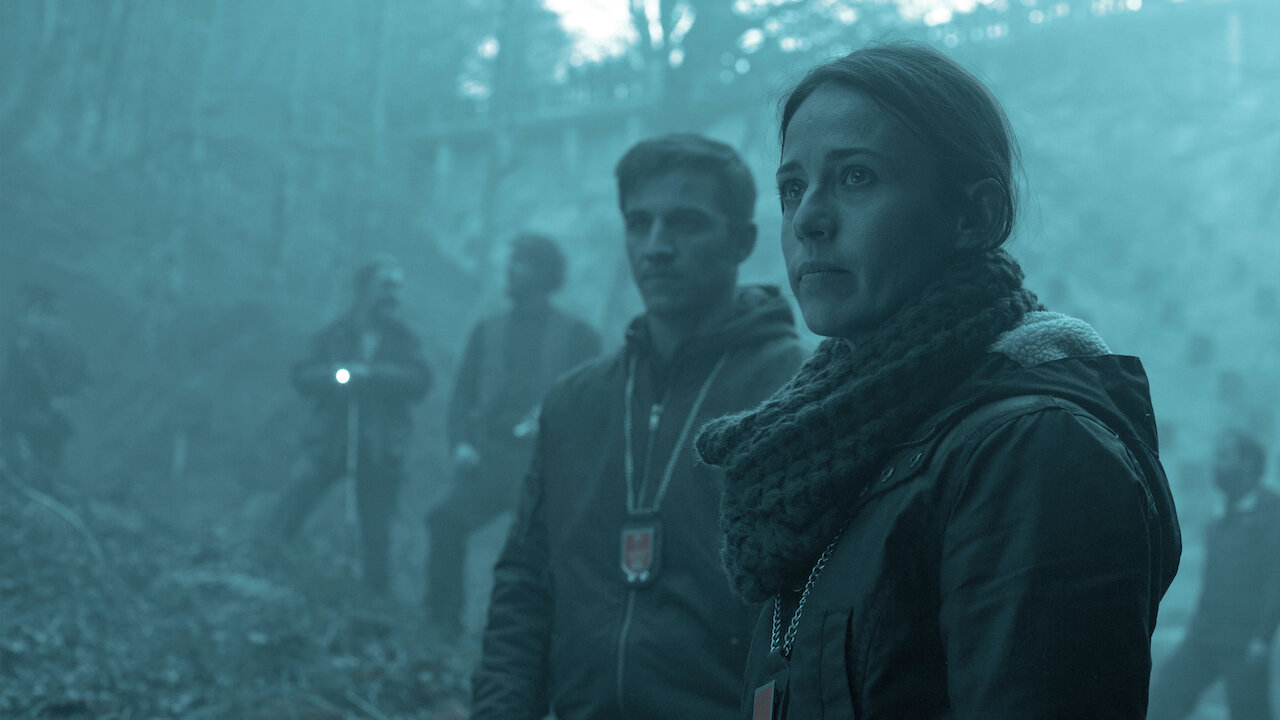 The Baztan trilogy consists of three movies, based on the novels by Dolores Redondo. The setting for these is a small area in the Basque country of Spain, not far from the border with France. Much like the small-town English villages such as Miss Marple’s St. Mary Mead, or Death in Paradise‘s Honoré, the murder rate in this charming and picturesque area appears to rival that of a South American war-zone. I guess you can describe the series as Español negro, being a Mediterranean-based version of Nordic noir. Like those, you have a detective with a troubled past, a history that frequently seeps into her current life, They are investigating crimes resulting from what’s unquestionably the darker side of human nature, and the results are uncomfortably close to home.
 I’ve traveled a fair bit around Spain and Mediterranean Europe in my time, and the weather was never as unremittingly
 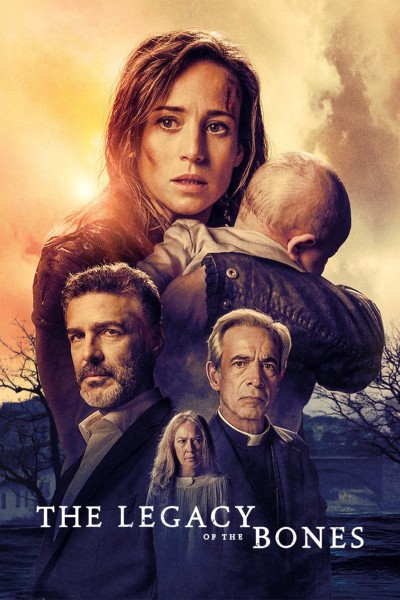 We jump ahead about a year for the second installment. Amaia Salazar (Etura) has now had the baby she announced she was expecting during the first film, and is adjusting to the need for balance between her career and motherhood, with her husband, James. After completing her maternity leave, she returns to work, and is put on a case of church desecration with cult undertones, at the request of the enigmatic Fr. Sarasola (Arias). This is tied to the Cagots, a historically persecuted group native to the region. Simultaneously, there is an ongoing string of murderers committing suicide, each leaving behind a one-word message: “Tartalo”. It’s a reference to a baby-eating giant from Basque mythology, and seems to be linked to the cave of remains found in the previous film.
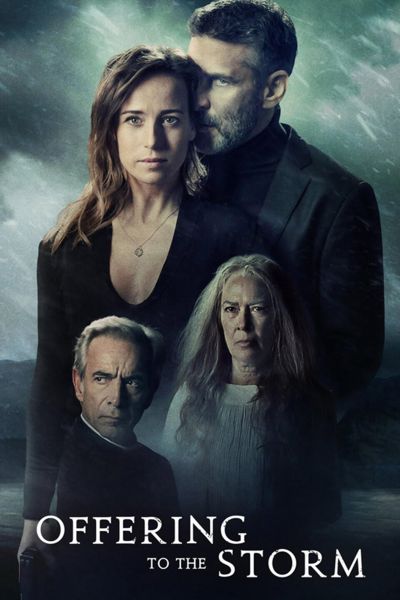 Oh, dear. I think it’s probably been a very long while since I’ve been so underwhelmed by the finale of a trilogy. All the pieces were in place, after the first two entries, for a grandstand finish to the series. But the script basically fumbles things in every conceivable way, pushing to the front elements that you really don’t care about, while all but discarding things that seemed of crucial importance. There is an effort to tie everything together, with the various crimes from its predecessors being linked into an occult conspiracy in which members of a Satanic circle sacrifice baby girls, and receive worldly power in exchange. This aspect is okay, Amaia having to go up against a group whose power is embedded at the highest levels of local society. The creepiest element is perhaps that the sacrifices seem to
 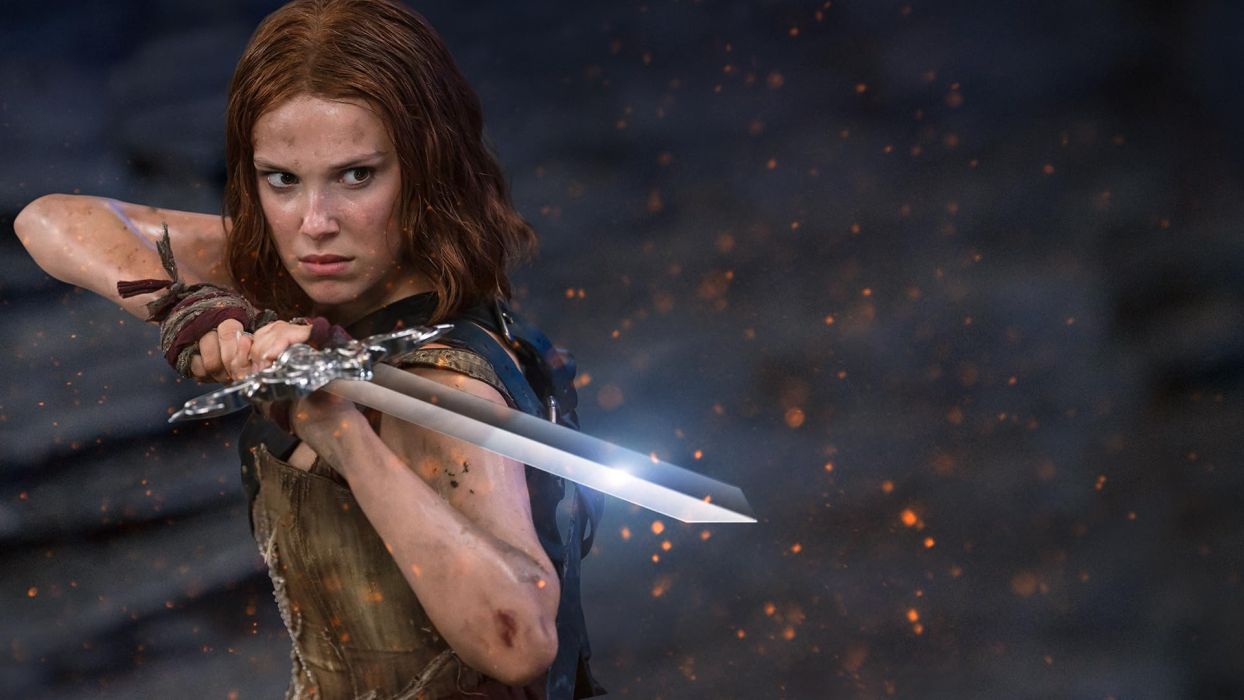 Let’s be completely clear. 2023 was a dismal year for the genre, probably the worst in the decade or so I’ve been doing these annual previews. Of all the films listed in
 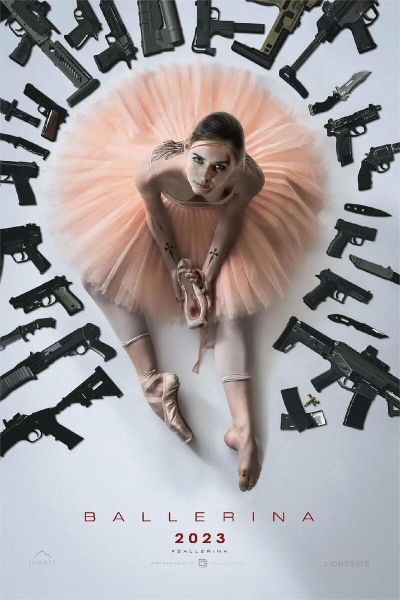 Ballerina (June 7)
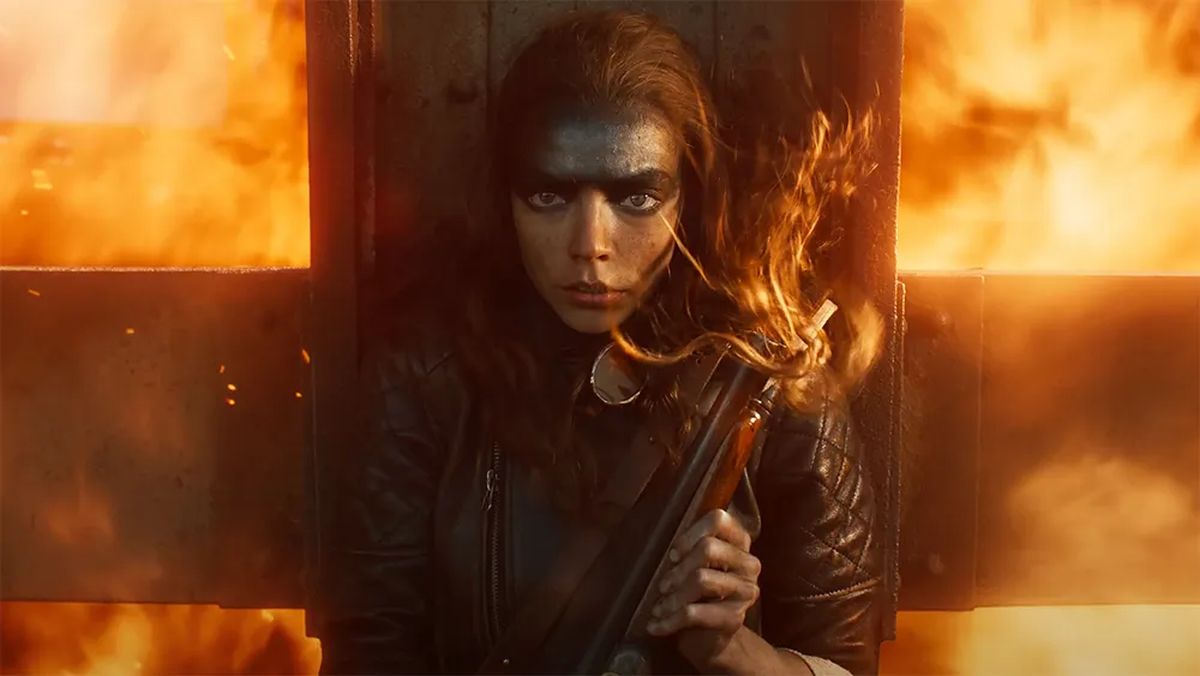 Furiosa (May 24)
 Griselda (January 25)
 Welcome to our 14th annual round-up of girls with guns calendars. We really need to get out more. :) It’s an indication that another year is nearly in the books. GWG-wise, it has been very quiet, with hardly any theatrical releases to speak of. More of that when we do our 2024 preview next month. Amusing to read last year’s round-up, where I talked excitedly about possibly moving to a different state in 2023. Didn’t happen. Still here. 2024, on the other hand… But I’ve learned my lesson, and will say nothing more predictive than “We’ll see…”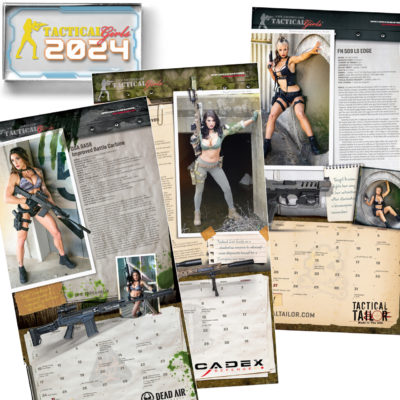





 Mission: Impossible 2 (2000) – Thandie Newton as Nyah Nordoff-Hall
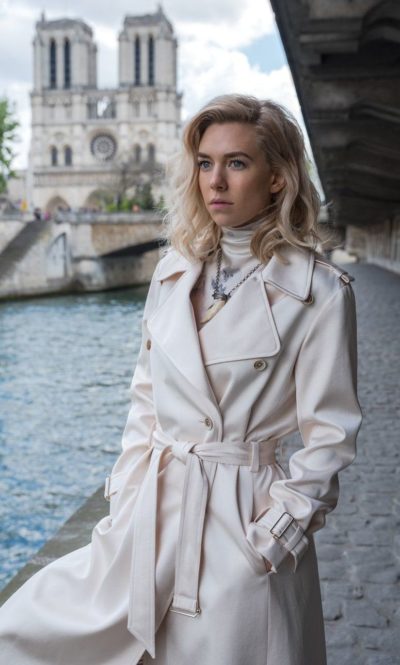 Mission: Impossible – Fallout (2018) – Vanessa Kirby as Alanna Mitsopolis, the White Widow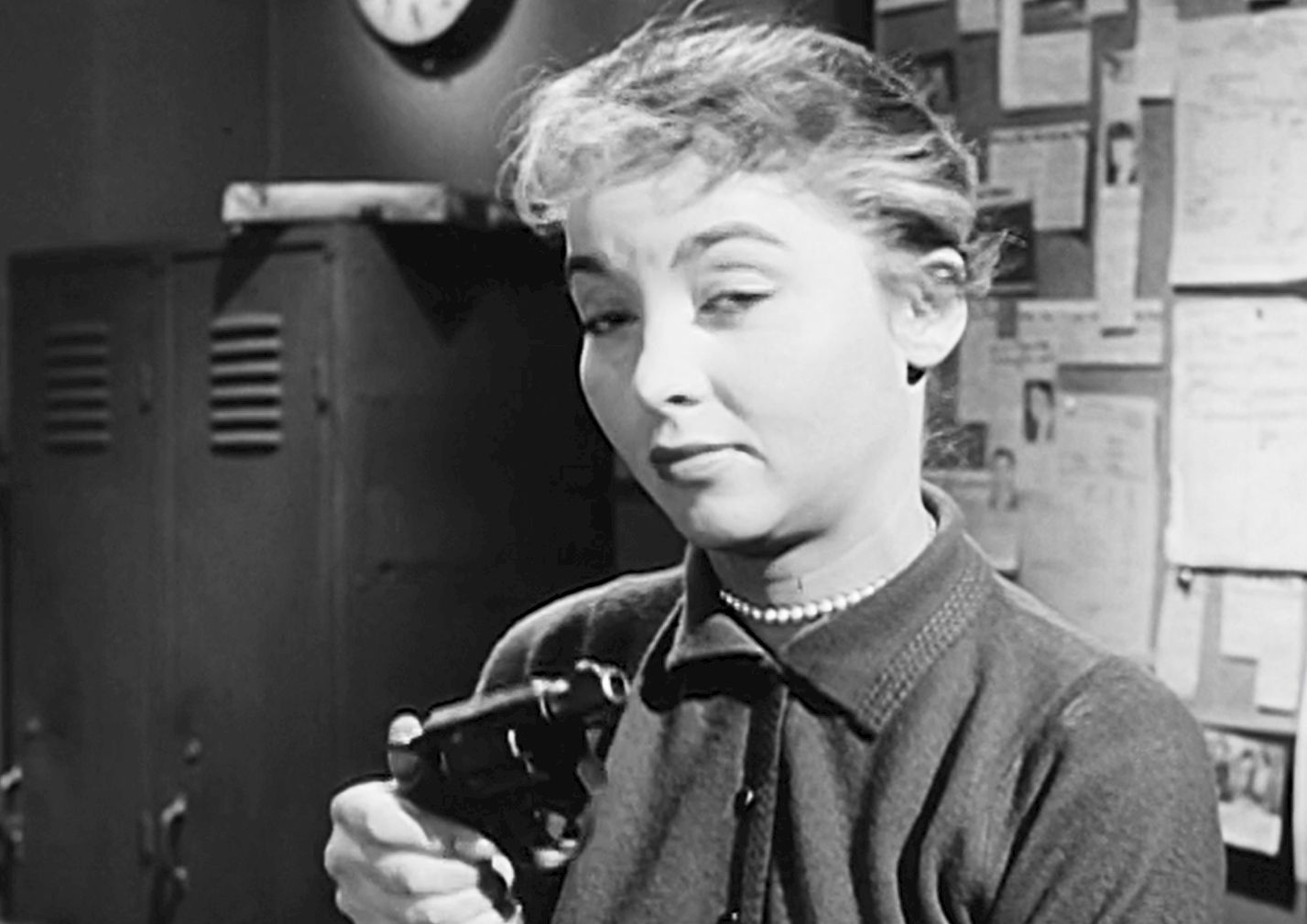
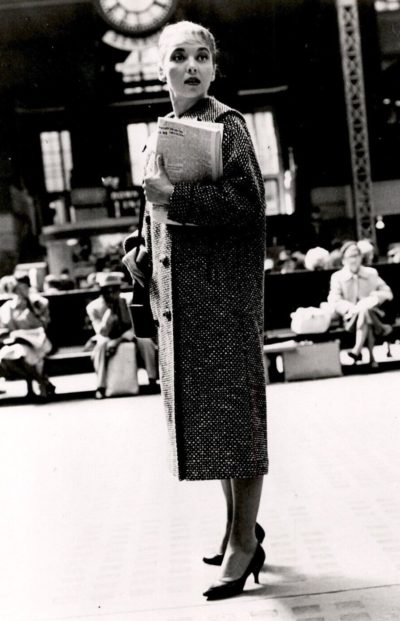 With a lot of voice-overs, the style feels reminiscent of Dragnet, which had been a very popular show for most of the fifties. Each episode opens with a stern reminder: “Presented as a tribute to the Bureau of Policewomen, Police Department, City of New York,” and centre on the cases worked by Patricia “Casey” Jones (Garland). As the title suggests, most of them involve Jones going undercover in some guise. That covers an extremely broad range of assignments, from a photographer to a junkie, a nurse to a blackmailer, a high society girl to a prisoner. However, some of the episodes do not require such subterfuge, though there is a tendency for these crimes she is given for investigation to be fairly gynocentric, e.g. trying to find a delinquent father.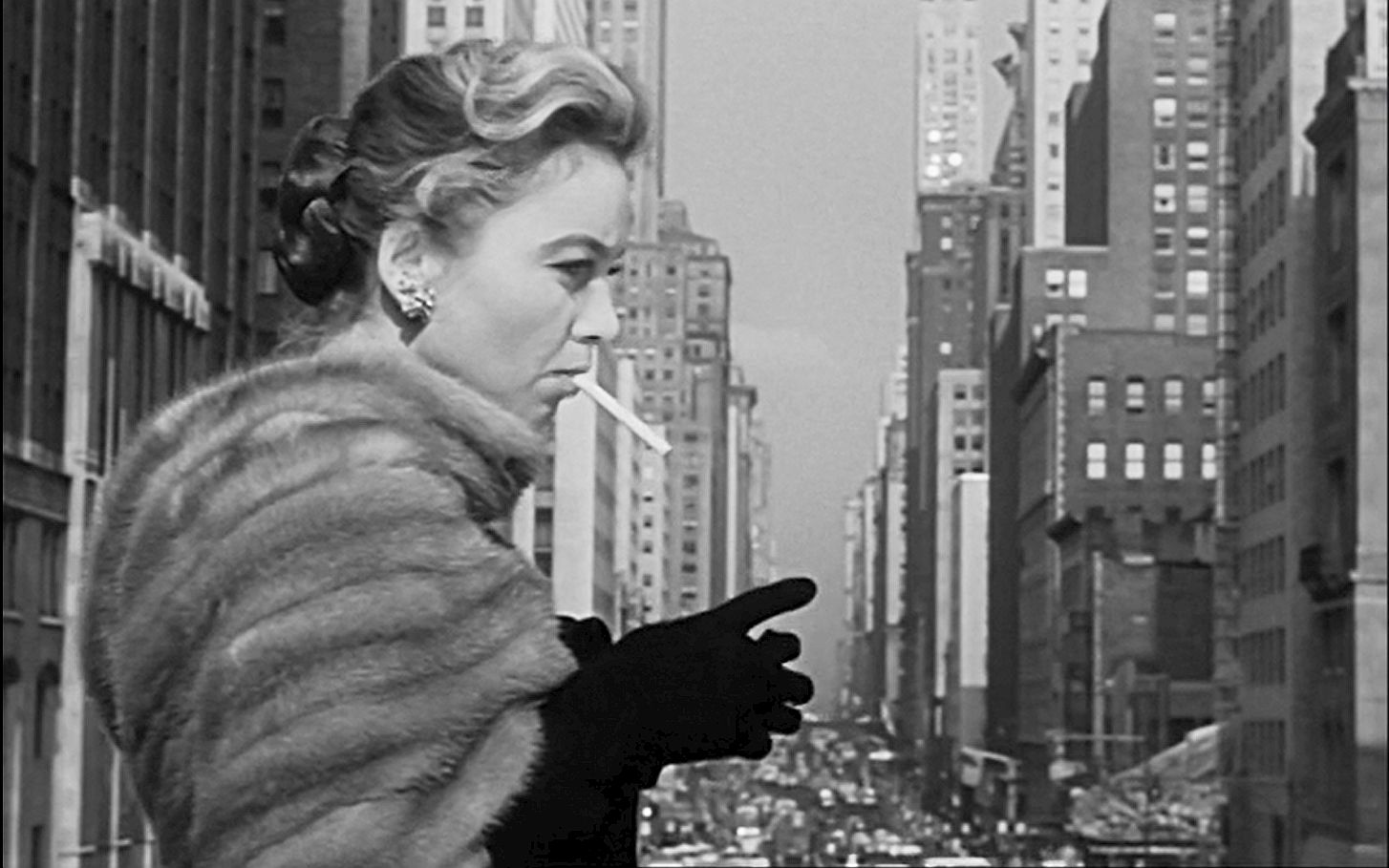
 This article was inspired by my mild irritation at documentary film
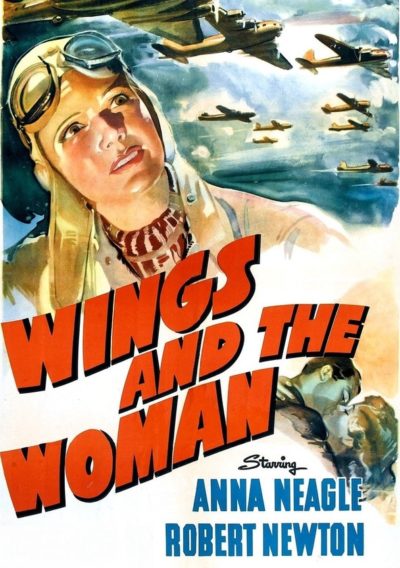 This bio-pic of aviator Amy Johnson appeared in British cinemas a scant eighteen months after she disappeared over the River Thames. That put its release squarely in the middle of World War II, and explains its nature which, in the later stages, could certainly be called propaganda. There’s not many other ways to explain pointed lines like “Our great sailors won the freedom of the seas. And it’s up to us to win the freedom of the skies. This is first said during a speech given by Johnson in Australia, then repeated at the end, over a rousing montage of military marching and flying. I almost expected it to end with, “Do you want to know more?”
 It’s interesting to compare the approach taken in this biopic of aviation heroine Amy Johnson, made in 1984, with the one over 40 years earlier (and shortly after her death) in
 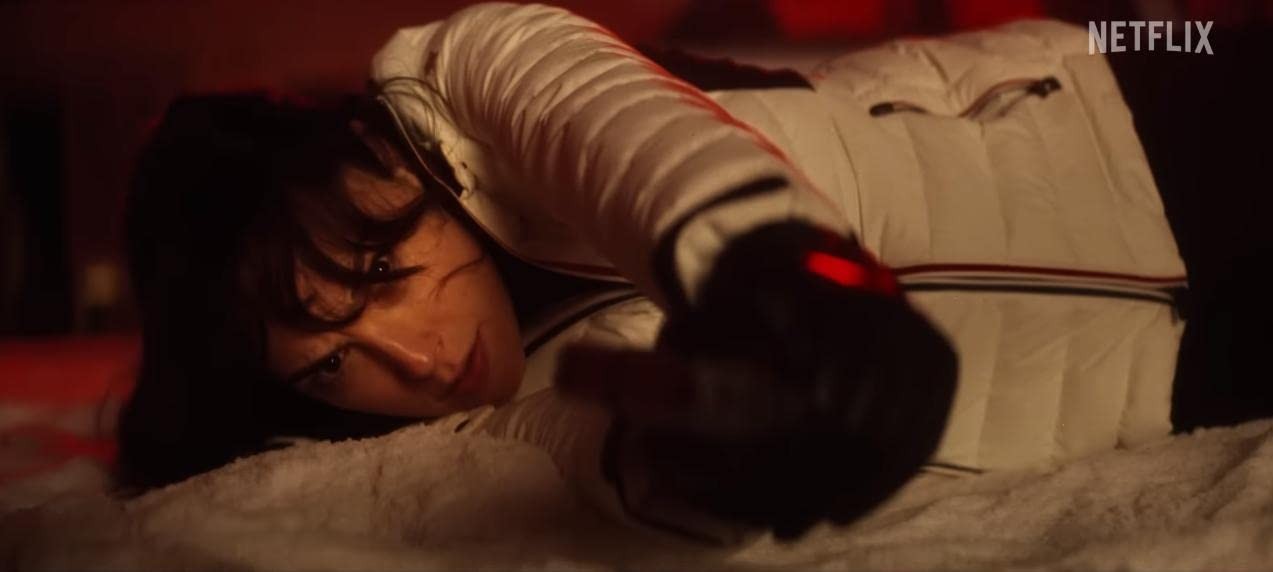 It’s always interesting to look back at the
  Dominique: Rise of the Phoenix (January)
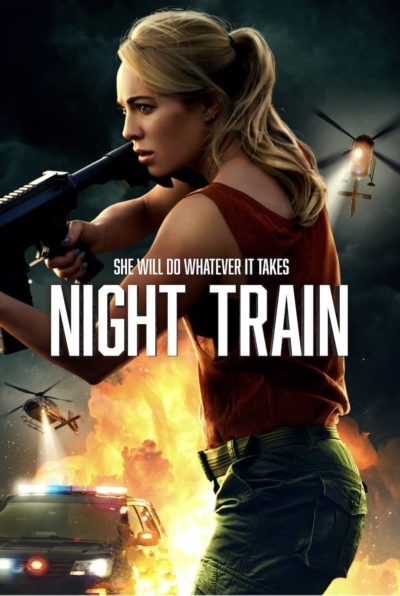 Night Train (January 13)




 But it turned out to be only the beginning. It seemed that everywhere I looked, there was another film about Joan, waiting to be found. A 1957 filmed stage play, shown on television of the time. A pre-war propaganda piece made by the Third Reich film office. A contemporary take, in which Joan becomes a right-wing political terrorist. Or all the way back to 1900, when legendary pioneer Georges Méliès made a short film, potentially the first biopic. Finally, I had to stop looking, simply because I needed this project to go to press. It remains incomplete. There are still items I’ve been unable to locate, such as 1999’s experimental feature, Wired Angel. But it has been an interesting enterprise. I think I’ve learned that, like many legendary figures from history, people will see in Joan what they want to see. The historical narrative is, as we’ll see, incomplete, and the gaps are open to personal interpretation.
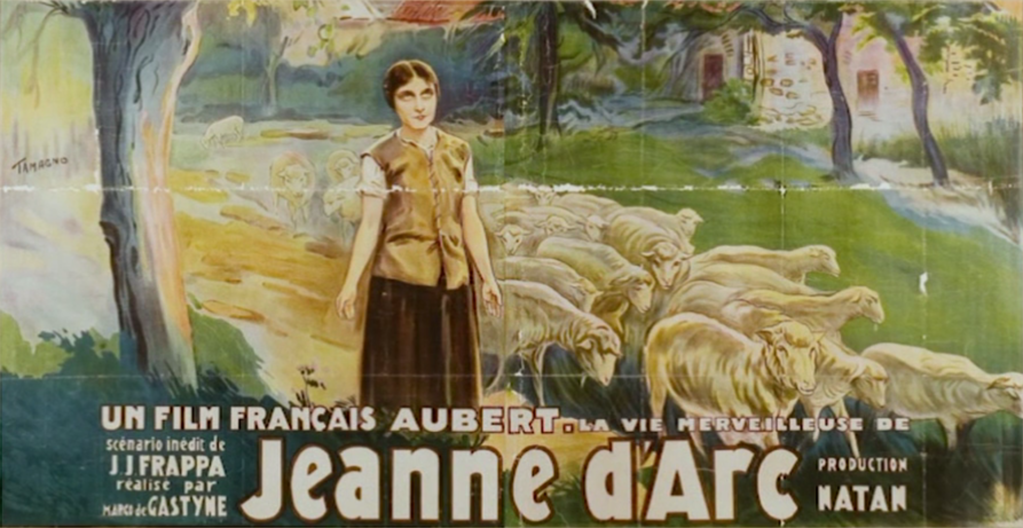 ★★★★
★★★★ I generally make it a rule not to review foreign movies without subtitles, simply because it’s difficult to judge them reasonably if you can’t understand them. I made an exception for this 1929 French film for a couple of reasons. Firstly, it’s silent, so comprehension is limited only to the intertitles: I can read the language better than I can understand it spoken. Also, it was approximately the eleven millionth version of the Joan of Arc story I’d seen in the past month: I think I had a pretty good handle on the plot by this point. Boy, am I glad I did, because it’s the best silent film I’ve seen, albeit in my quite limited experience of them.
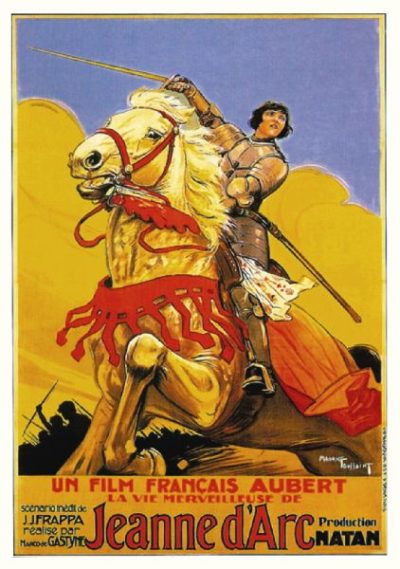 History has largely forgotten this version, in favour of Carl Theodor Dreyer’s La Passion de Jeanne d’Arc. Both movies were produced concurrently, interest in the topic apparently having been spurred by the canonization of Joan at the start of the twenties, and the approaching 500th anniversary of the events in her life. However, delays during filming meant this adaptation was beaten to the cinema by Dreyer’s. It perhaps was also impacted commercially by the arrival of the new-fangled “talkies”, leaving silent movies like this looking old-fashioned. Half a century later, the film was eventually restored, and can be found on YouTube as well as
  Then there’s the burning at the stake, another scene which came uncomfortably close to historical accuracy for Genevois. “The moment the wood caught fire I yelled ‘It burns!’ [The director] Marco was so sure I was afraid, that he did nothing at all. All of a sudden the cameraman, Gaston Brun, shouted ‘She’s burning!’ and everyone ran towards me, because I was tied up and couldn’t budge. I was very frightened.” Even putting that aside, there’s no denying the emotional wallop it packs, particularly in the extended shot of Joan walking towards her death: Simone’s face, again, sells this in a way which left me genuinely distraught. This doesn’t happen often, and never before while watching any silent movie.
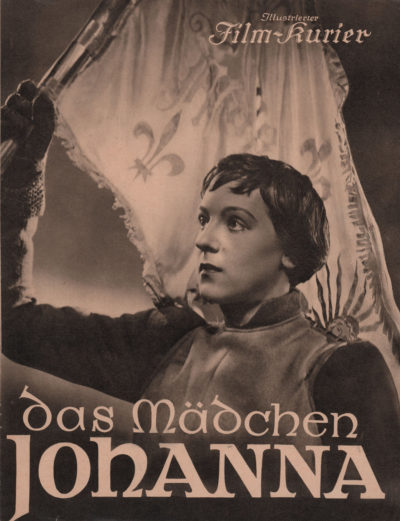 It’s basically impossible to separate this from the time and place in which it was made: that being Nazi Germany, just a few years before the outbreak of World War II. The portrayal of, not only Johanna/Joan of Arc, but the rest of the participants, has to be read in this light. It certainly explains why neither the English nor the French sides exactly come over as covered in glory. From the former camp, we have Lord Talbot, who is cruel to an almost cartoonish degree. On the latter we have King Charles VII (Gründgens), who is cynical to a fault, and has no qualms at all about using Joan when convenient, then discarding her when she isn’t.
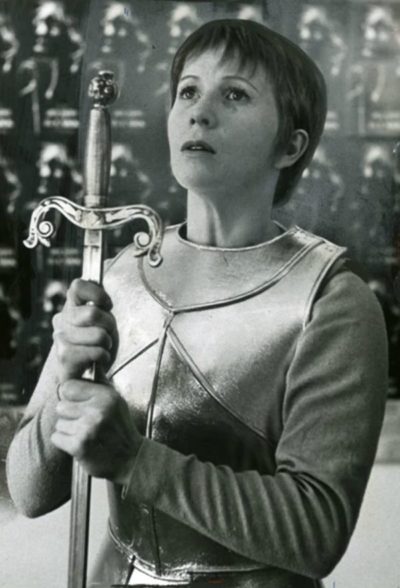 This was originally a French play, L’Alouette, written by Jean Anouilh in 1952. Three years later, a translated version was brought to Broadway, where it ran for 226 performances from November 1955 until June 1956. Julie Harris played Joan, and there was quite a star-studded cast behind her, including Boris Karloff as Bishop Cauchon, Christopher Plummer and Theodore Bikel. It was critically acclaimed, Harris winning that year’s Tony Award as Best Leading Actress, and Karloff being nominated as Best Leading Actor. The following February, a TV adaptation was screened in the United, though wasn’t the first or the last such. In November 1956, the BBC screened their version, with Hazel Penwarden as Joan, and a supporting cast including Michael Caine. Additionally, 1958 saw an Australian version, though it seems notable only for having Olivia Newton-John’s father in the cast.
 The above refers to the title, and in particular “The Battles”. It is a solid two hours before anything more than handfuls of English and French troops lobbing rocks at each other show up. So if you are here for large-scale spectacle, keep on walking. You will be disappointed. I had a certain idea of what to expect, having seen Rivette’s immediately preceding film La Belle Noiseuse. Admittedly, I saw it largely because I had the hots for Emmanuelle Beart at the time. Otherwise, a four-hour movie, containing lengthy sequences of real-time painting would probably not have been on my radar. But I kinda liked its languid pace (the copious Beart nudity didn’t hurt, let’s be honest!), and so was prepared for things in this to unfold at a similarly leisurely pace.
 Just as part 1,
  Pun mot intended, but the reality is, we know very little for sure about Joan of Arc. Not even what she looked like in detail, for there are no surviving portraits of her, dating from when she was alive. The facts about her life are equally as uncertain, because everything about Joan was subject to spin, depending on who was talking, when they were saying it, and what agenda they sought to achieve. Because everybody involved
  I initially intended to review this and its sequel, Jeanme, by Dumont as one entity, for a couple of reasons. They really only work as a single item. This confused the hell out me, because the second film turned up on a streaming service by itself. Five minutes in, I was so confused, I started searching the Internet, only to find I had, in effect, joined a movie already two hours in progress. Also, I suspected I would be hard-pushed to deliver 500 words on
  I liked this considerably better than its predecessor. Part of that was, perhaps, knowing what to expect going in: a minimalist retelling, with occasional musical numbers. Except, this proved rather more than minimalist (though still very restrained), and there was hardly any singing at all. Curse you, Dumont, for confounding my expectations. It begins, much as Jeanette ended: with a lot of standing around in sand-dunes, chatting. However, the cast this time cannot be counted on the fingers of one hand, and there aren’t any staggeringly bad performances to take you out of the movie. You still don’t get any great battles. Instead, these are basically represented by team dressage, two groups of horses and riders, swirling around near each other.
 Joan is always a figure who has the potential to be co-opted into other times and locations. Recently, we reviewed