
 ★★★
★★★
“The mother of unintended consequences.”
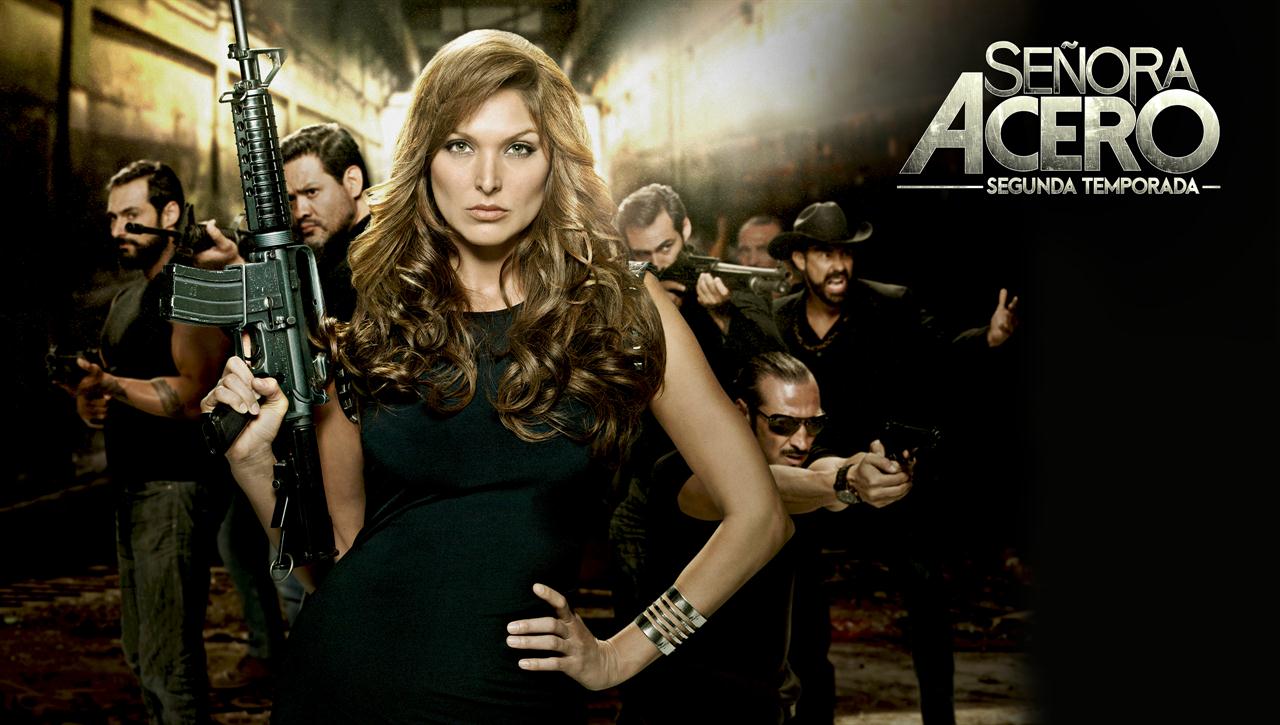
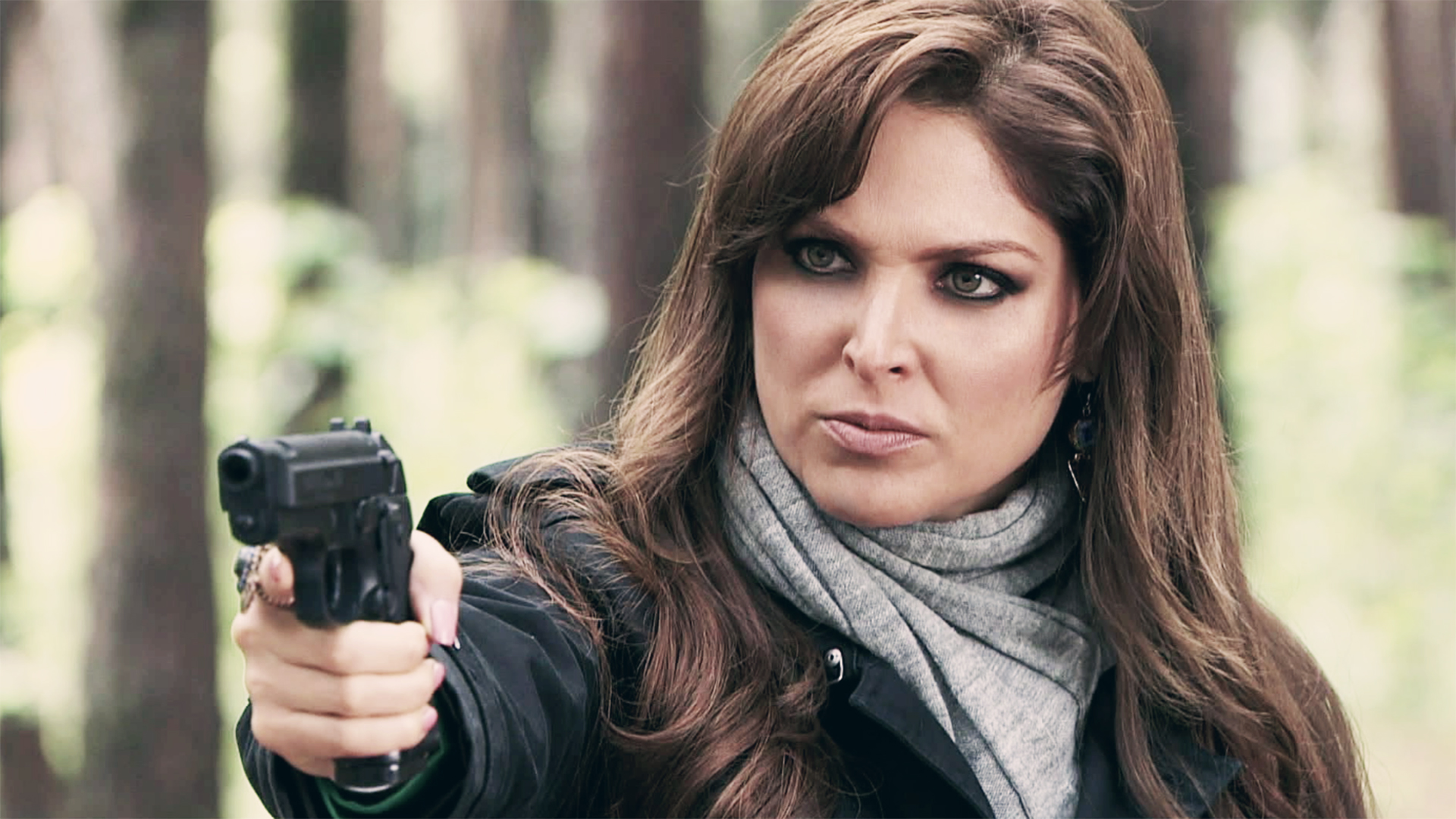
It’s supposed to be the happiest day of her life for Sara Aguilar (Soto). She’s marrying respected police commander Vicente Acero, legitimizing a relationship that has already given them a son, Salvador. But masked hitmen attack the party, killing her father – by the end of the day, Sara has also become a widow, the cartel having taken revenge on Vicente, for the three million dollars he apparently stole. To Sara’s horror, it turns out her husband-to-be was no less corrupt than anyone else. When Salvador then falls desperately ill, and in need of highly expensive health-care, there’s only one way Sara is going to be able to fund his treatment.
It’s a decision which brings her into conflict with a whole slew of people. Her main enemy in the first series is Indio Amaro (Zárate), a local gangster responsible for killing Vicente. He has vowed to make Sara’s life a living hell – not least because following that murder, she chopped off two of his fingers in a frenzied attack. There’s also Enriqueta Sabido, the owner of a local beauty salon where Sara gets a job after being thrown on her own resources; she also does (bad) plastic surgery in the back. And even her own sister, Berta, is jealous of Sara for marrying Vicente, and who blames her – with some justification, it has to be said – for everything bad that happens subsequently.
She does have allies, though I wouldn’t be selling any of them life insurance, if you get my drift. They include honest cop Elio Tarso; Colombian dreamboat Manuel Caicedo; and even an affable cartel boss, Miguel Quintanilla, who possesses a quite fascinating collection of suits. [The white ones make a terrible background for subtitles, producers please note.] However, it’s mostly Sara’s motherly inclinations that lead to problems, whether financing a transplant for Salvador by any means necessary, or demanding her cartel employer close down the tunnels through which drug-carrying kids are employed to cross the border, because… Well, Sara doesn’t like it, that’s why.
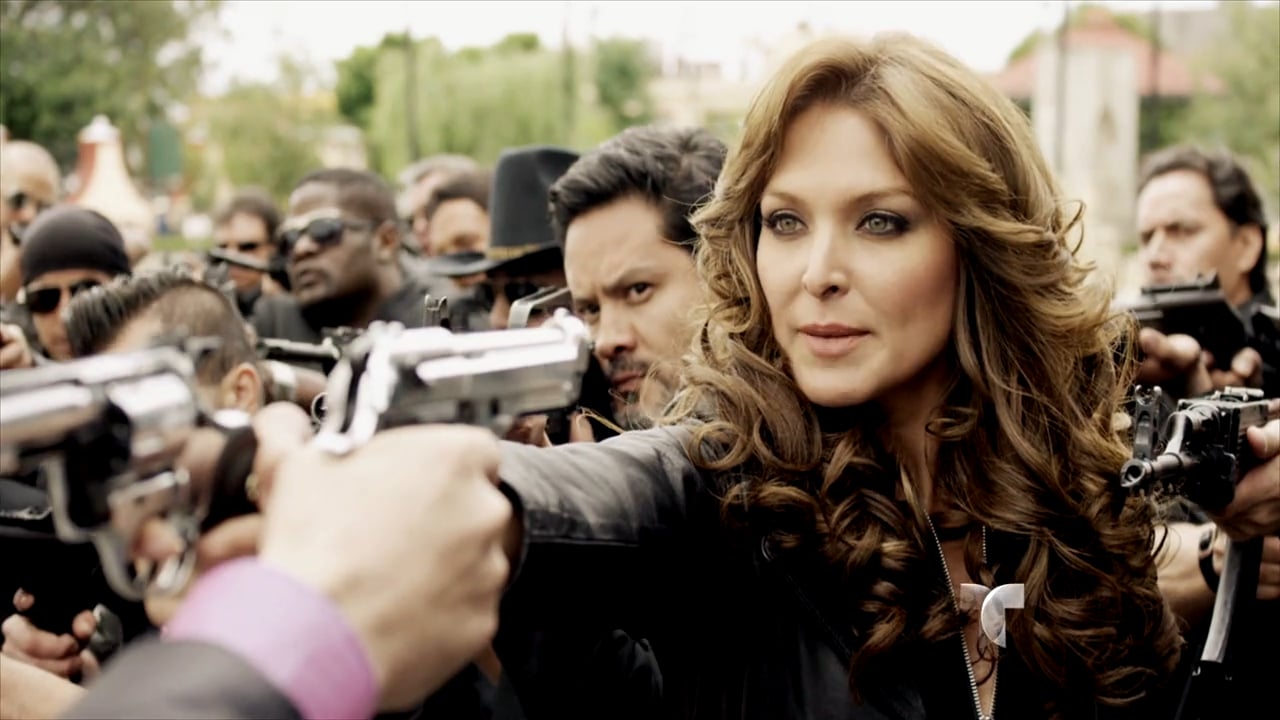 But it is actually fairly rough on occasions: for instance, the removal of Indio’s fingers is well-staged, and revisited frequently [this show loves its flashbacks, more than any other I’ve seen to date – sometimes even revisiting scenes from earlier the same episode]. There’s another scene where Indio is torturing someone for information. He has them stand on a bed of spikes, then breaks their ankles to ensure they can no longer support their own weight. While mild in terms of cartel acts – some of the stories I’ve read would make your hair curl – the show is relatively brutal by the standards of the telenovela, and contains more bloodshed than most.
The obvious influence is another Telemundo production, La Reina Del Sur, with which it shares a number of crew, in particular writer Roberto Stopello – its heroine is even name-checked explicitly here, in one episode toward the end. Both share protagonists who are dumped into trouble after the demise of their other halves, and find the only way out is to get their hands dirty and become part of the criminal underworld. Despite this, the leading ladies share a strong sense of morality, with lines they won’t cross, and despise the exploitation of others – in Reina, it’s trafficking in women, while here it’s the use of children that provokes the central character’s ire.
Notwithstanding the double-meaning of her married name in the show’s title – Senora Acero can be translated as “Woman of Steel” – I find there’s a certain hypocrisy to Sara, compared to Teresa Mendoza. She’s strident about only wanting to be involved in money laundering rather than the drug trade, which seems a perilously thin moral distinction to me. Where the heck does she think the money she’s taking across the border comes from? It’s an almost privileged attitude, which seems to permeate her character from the start. For me, this left her less appealing, in comparison to her telenovela sisters, and this central weakness may be the show’s biggest flaw.
It’s a bit of a shame, as the supporting cast are fun to watch, on both sides of the coin. The villains are led by Acasio “Don Teca” Martínez (Reséndez), a cartel boss who has longed after Sara from afar, since he was a geek in the local barrio. Now, he has a shrine to her at the back of his office, and wields his power in a creepy stalking campaign, designed to drive her into his arms at any cost. Meanwhile, on Sara’s side is Aracely Paniagua (Litzy), a good-hearted former hooker and drug addict, who just can’t seem to escape her past, which keeps dragging her back in. She offers a more traditional telenovela heroine, almost harking back to Victorian melodrama.
 The music in the show is interesting… Norteña band Los Tucanes de Tijuana produced and performed a song for it, titled “La Señora de Acero”, which the series incorporates, as having being commissioned by one of Sara’s drug-cartel bosses in her honour. It’s the usual oompah laden nonsense (I don’t like country & western either!), and far more fun is the bombastic score that accompanies the tensest moments. I’ve not been able to pin down the creator – it may be Rodrigo Maurovich, credited for “musicalization”, or it may be stock composer Xiaotian Shi. But it’s so wildly over-dramatic, swelling ominously to a crescendo, even when no-one is doing anything more than staring at a door, I can’t help but love it.
Back before the show had even begun to air, in mid-2014, there was an option apparently granted to USA Network to produce an English-language version of Senora Acero. Nothing appears to have come of this, and it was only a couple of months later that the station ordered a pilot for Queen of the South instead. Having seen both Mexican series now, as well as the USA Network remake of Reina, the choice was probably a smart one. The darker storyline of Reina likely renders it more easily adaptable. I’d be hard-pushed to imagine this, really a story of maternal instincts gone wrong, being able to make an effective transition to the gritty series which USA apparently wanted.
Despite this diss by the American market, unlike Reina, the show wasn’t one and done. Senora Acero almost doubled its US audience over the four-month run, its finale winning its time-slot in a number of key demographics, regardless of language. And, so, a year, later season two began, with another 75 episodes, and a third season, with a monstrous 93 episodes, started last summer. [The most recent installments appear not to involve Blanca Soto, for reasons which would require major spoilage to discuss…] All three are currently on Netflix, and I’ll confess some of the pics used here are from them – but at somewhere north of 50 hours of viewing per series, I wouldn’t hold your breath waiting for in-depth reviews of the later seasons!
Star: Blanca Soto, Jorge Zárate, Litzy, José Luis Reséndez
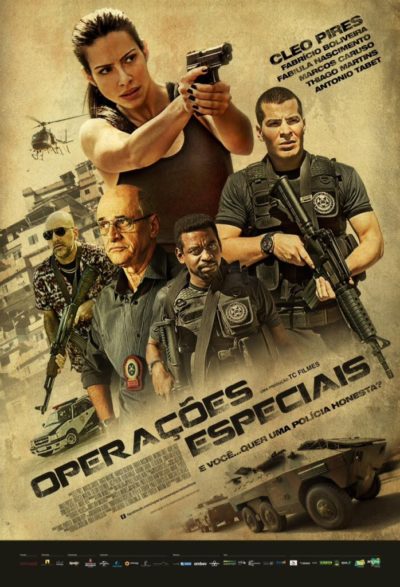 The Brazilian special police unit, known as BOPE (Batalhão de Operações Policiais Especiais) have a ferocious reputation for a hard-edged approach to its work. This is, likely, necessary for surviving the favelas (slums) of Rio in which they operate, going up against heavily-armed drug dealers. But with this also comes a “by any means necessary” approach, which has come in for criticism. They’ve been the topic of films before, most notably the incredible Elite Squad, which is an all-time classic of action cinema (and removed any chance of us attending the 2016 Olympics). It’s into this obviously macho environment, that rookie policewoman Francis (Pires) is dropped, and has to make her way.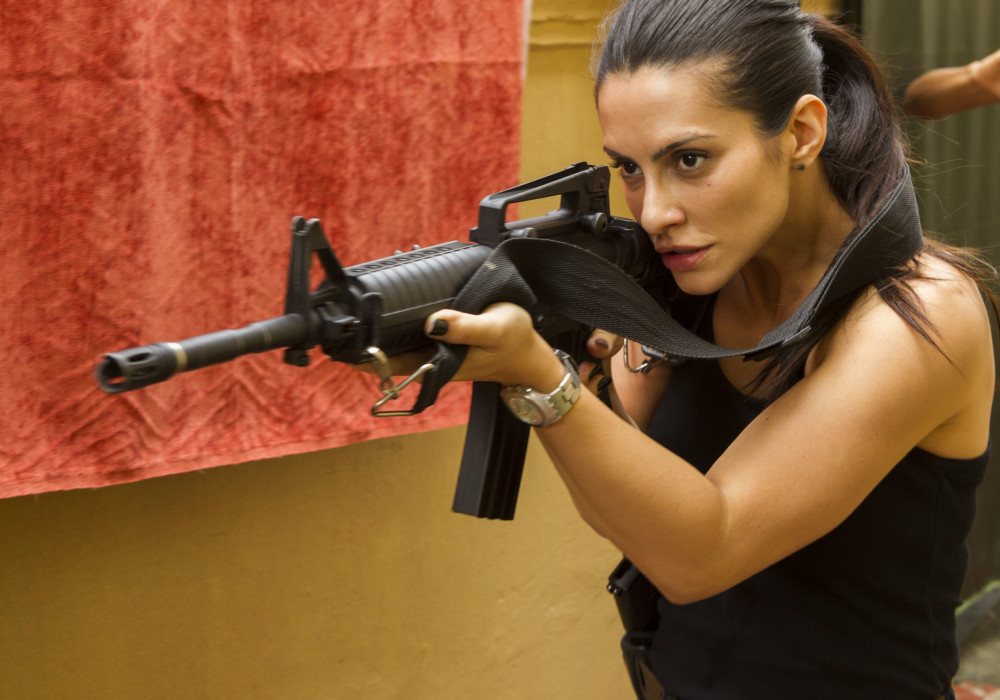
 Amy (Theobold) is insane. Or so the rest of society thinks, due to her being able to see things nobody else can. She’s trying to keep her head down, working quietly at a bowling alley. But after being attacked, she is rescued by Raquel (Wokoma), another young woman who can see exactly the same things. Amy learns from her new friend that demons are real, and live among us: Raquel has appointed herself a demon-hunter, and convinces the reluctant Amy to join her. This causes no end of issues, not the least of which is Amy’s room-mate becoming one of the possessed, and the most of which is likely the apocalyptic plan of Callum (Curran). He intends to use Raquel to open the gates of hell on Halloween, allowing thousands more demons to flood into our world and take over humans.
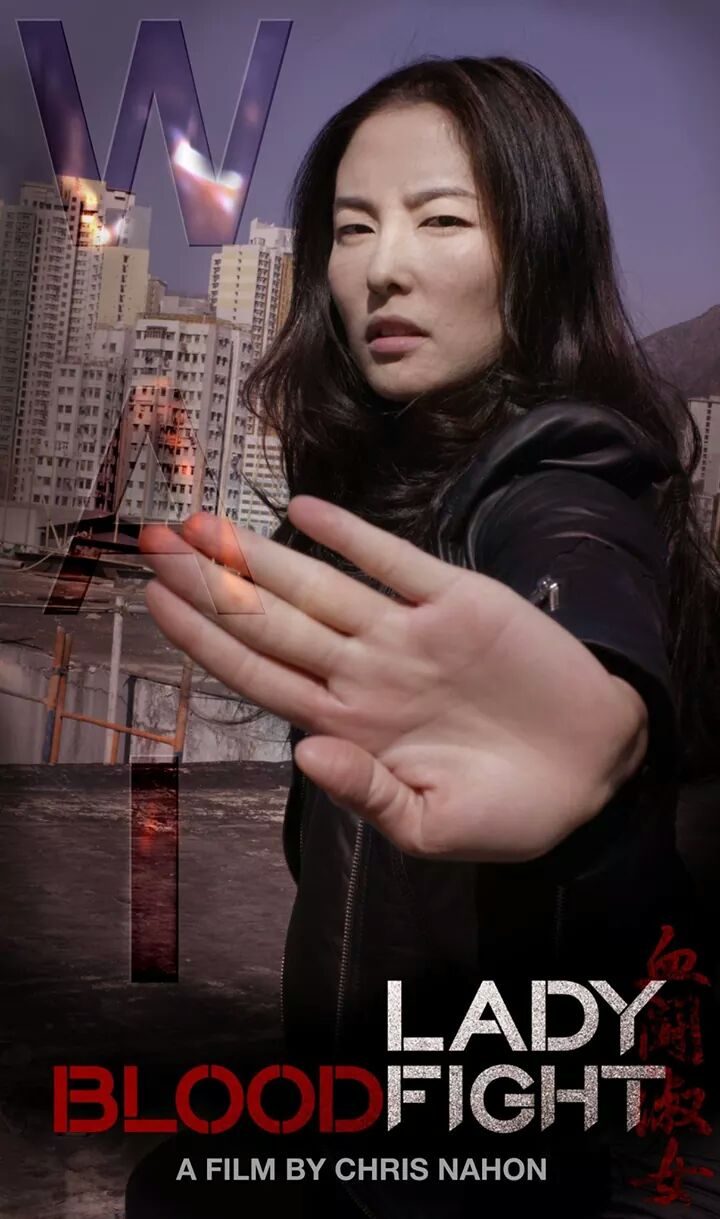
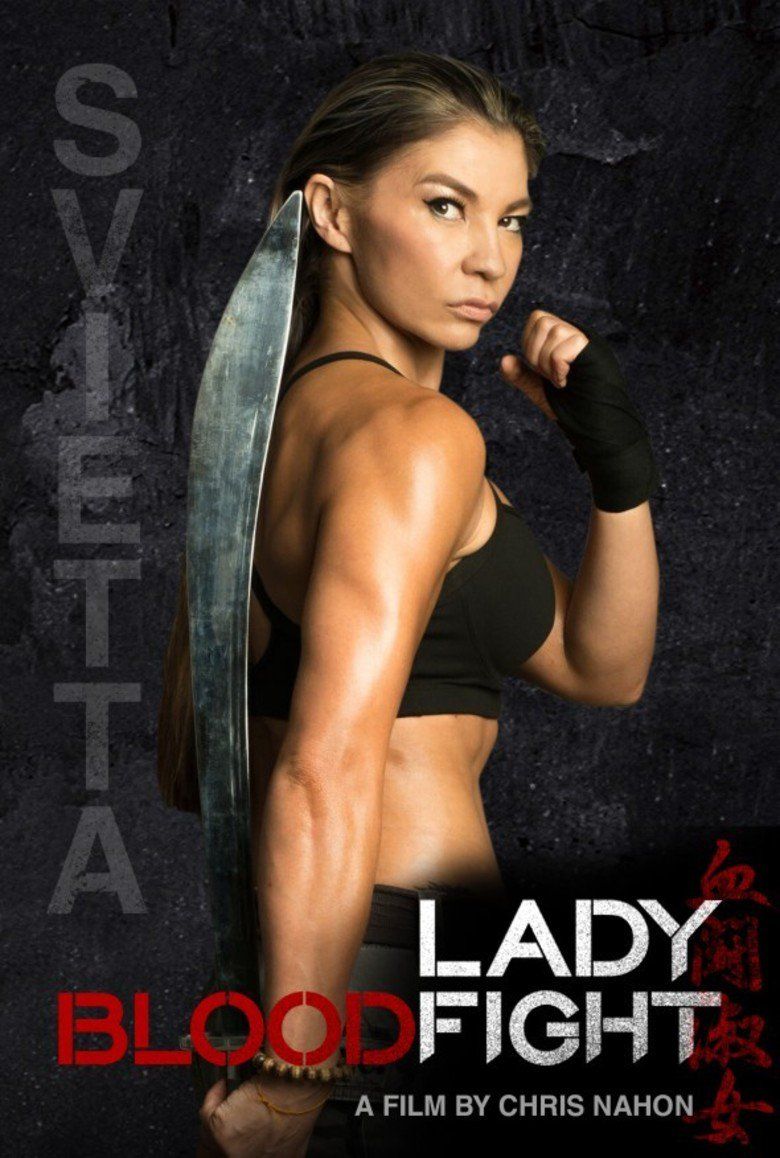
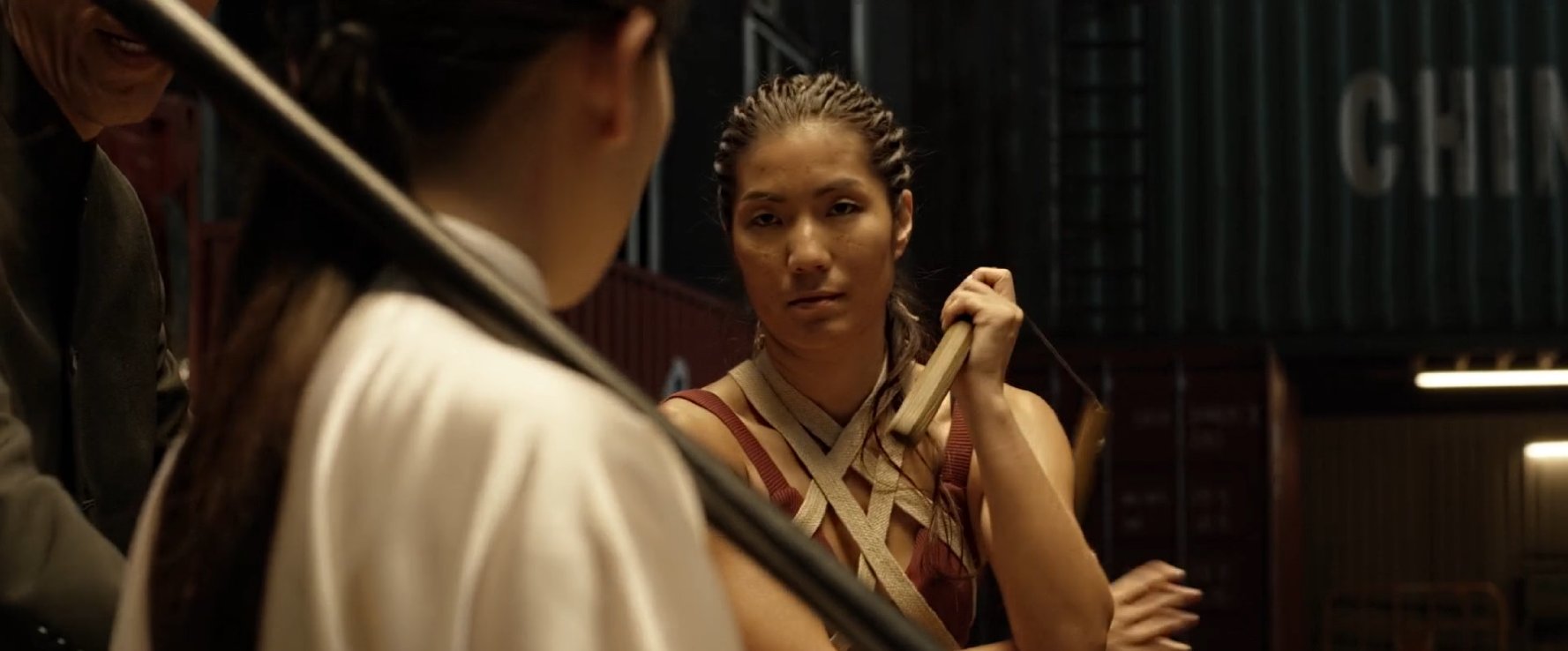
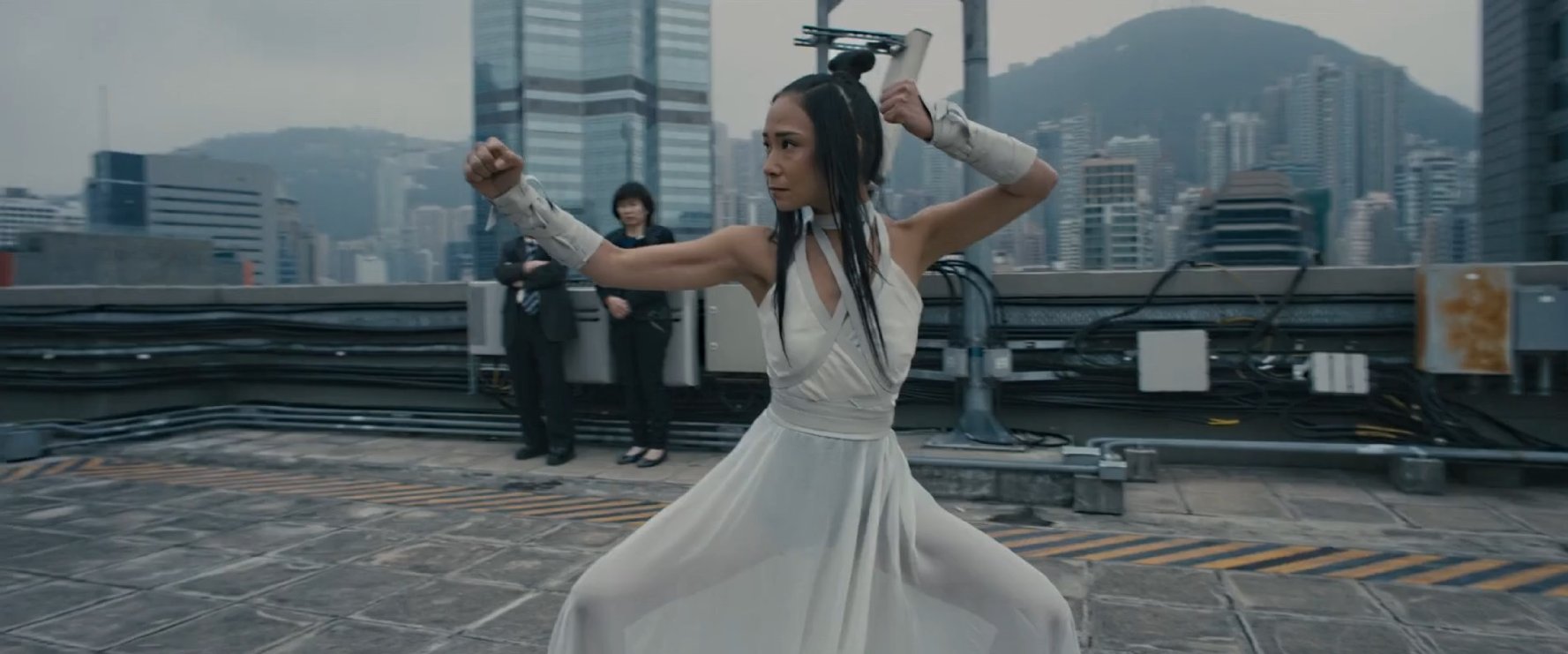
 This rattled around in pre-production for a while, originally being called Lady Bloodsport, and with the names linked to it being significantly higher in profile: Maggie Q, Shu Qi and Zhiyi Zhang. The end result here is obviously smaller and cheaper – the fights at its core all take place in the bastion of martial arts, a warehouse – and you can’t help but think, “What if…?” However, it’s still thoroughly enjoyable, despite – or, perhaps because of – feeling like a throwback to straightforward movies such as the original Bloodsport, which helped launch the career of Jean-Claude Van Damme in 1988.








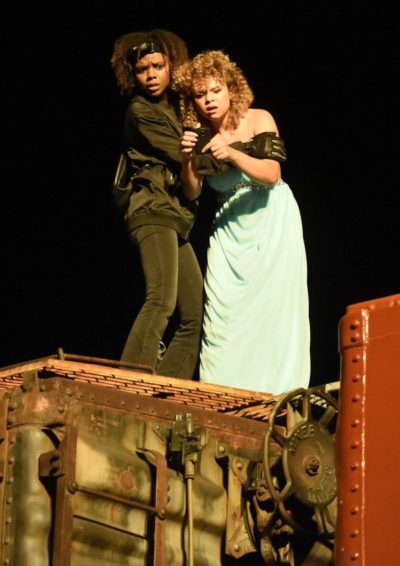 After their mother has a meltdown at her job and ends up in jail: teenage sisters Deidra (Murray) and Laney (Crow, somewhat infamous for her post-elimination meltdown on The X Factor) are left to fend for themselves. With household bills piling up – never mind trying to fund Mom’s bail, or even Deidra’s long dreamed-of college tuition – and Child Protective Services looming, things look bleak. But a visit to deadbeat Dad Chet (Sullivan, channeling David Spade), who works for a railway company, gives Deidra an idea. Hop aboard the freight trains that run by the back of their house, pop open a container to take some goods, and fence them on for cash. Things go surprisingly well, until a disgruntled railroad cop, Truman (Nelson), starts to close in on the pair, intent on rebuilding his reputation after an incident in Arizona.
 My wife is a big fan of Sandra Oh, for her long-time work on soapy medical drama, Grey’s Anatomy. This is about as far from that as imaginable. It’s a gloriously mean-spirited “comedy” [and I used the quotes out of reverence, not in a bad way], which combines social satire with gleeful hyper-violence, at a level where you would not expect to find serious actresses. Veronica (Oh) and Ashley (Heche) knew each other in college, and have since grown apart. Veronica is now wife to a defense contractor; Ashley a largely unsuccessful artist. They meet at a birthday party, and instantly the hate begins, each representing everything the other finds reprehensible. The night ends in a stairwell brawl, which leaves Veronica in a coma for two years. She awakens, to discover she has lost everything, and Ashley is now on top, enjoying commercial and critical success.
 ★★★★
★★★★ Over the course of the four episodes, she recruits others whose names will be familiar. For example, ex-Ranger Batou (Sabat), comes aboard after initially being part of a team working against Kusanagi, who are trying to prove government complicity in war crimes. This is an interesting change, compared to the previous versions, which always seemed to join Section 9 “in progress,” and provides some intriguing insight into what makes – literally, to some extent – the Major the way she is. For, in this incarnation, we discover that she has been in her prosthetic body since birth, and has never known any other way of life.
 This is apparently a sequel to a previous movie about an alien invasion of Earth (and, specifically, the United Kingdom) from the same director, Hungerford. While I haven’t seen it, this likely didn’t impact things too much here; I sense it’s perhaps closer to a separate story, unfolding in the same universe, than a true sequel. It’s the story of teenage sisters Chloe (Leadley) and Sam (Wallis), with the former getting a video camera for her birthday – just in time for said invasion to kick off, with their family being separated in the ensuing chaos. Toting her camera, Chloe and her sibling take shelter, then scurry through the blasted landscape, facing the threat not just of the extra-terrestrials, but renegade bands of survivors. For it also turns out Chloe, specifically her blood, is a key to the resistance. What are the odds?
 After I watched the first episode of this show, I was sure it was a delicious parody of anime shows, particular the “super-powered high-school” genre. It seemed to be taking the concepts of shows such as Sailor Moon, say, and ramping everything up to 11. The violence, in particular, is somewhere beyond Dragon Ball Z in terms of excess, except with copious additional amounts of arterial spray – though people survive far beyond the point at which any normal person would be a desiccated husk. I mean, just look at that heroine’s outfit on the right. They cannot be serious, can they? But the longer this went on… the less sure I was whether it

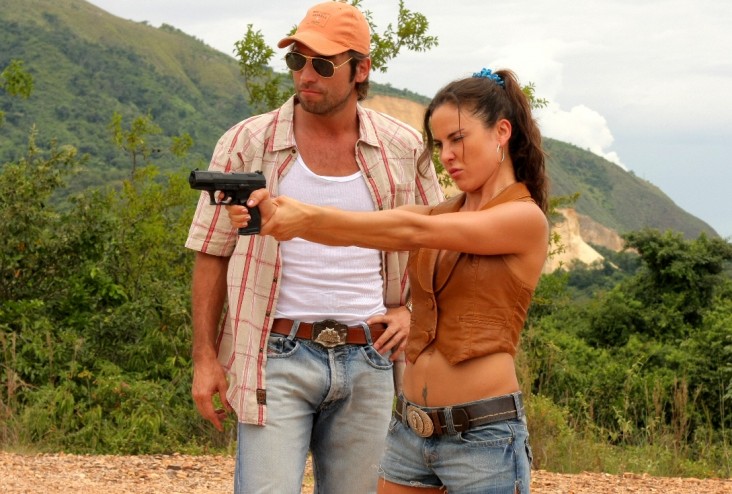
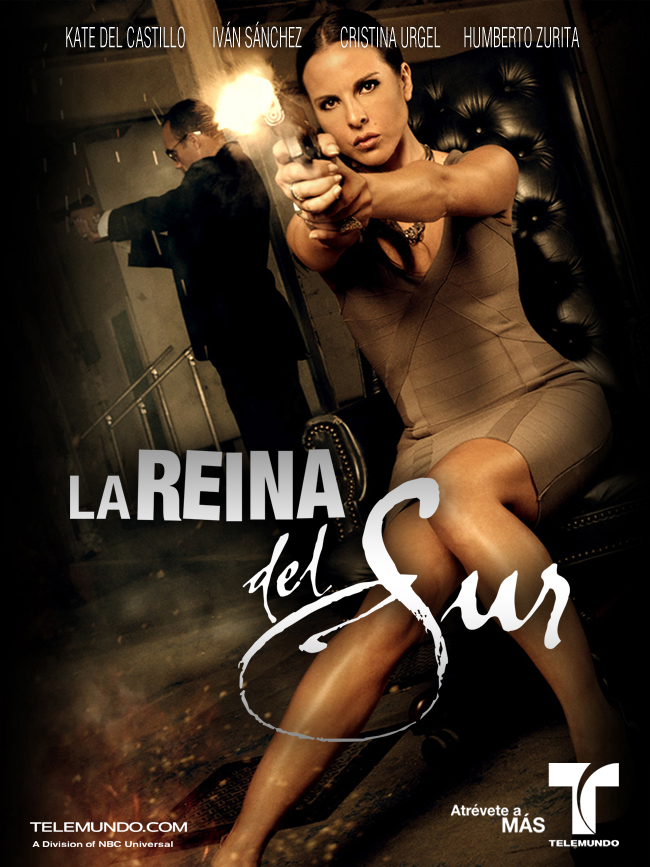
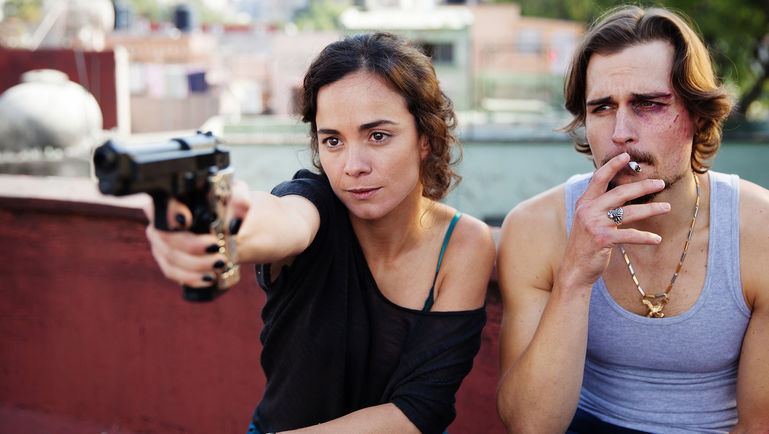
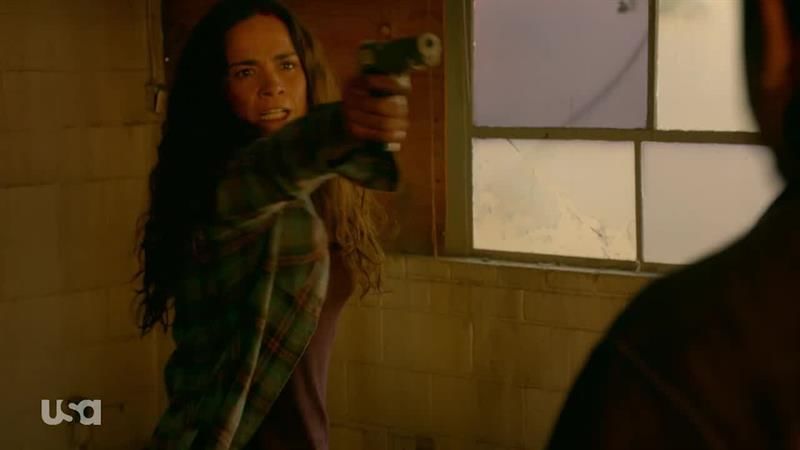
 The other major difference is one of focus. Teresa (Braga) has, to this point, not risen very high at all up the ladder of the drug business. There’s some obvious foreshadowing that she will, in that her “spirit animal” is an impeccably-dressed version of herself. But that appears well off into the future. For now, the real “Queen of the South” so far is Camila Vargas (Falcon). She’s the separated wife of Epifanio Vargas (de Almeida), who runs the American side of the business. She seizes an opportunity presented by Epifanio’s political campaign, and is working on going into business entirely on her own, dealing directly with the Colombian cartels. Needless to say, this does not sit well with her former husband, and when she discovers he is also after Teresa – no more than a low-level runner in her Dallas, Texas organization – her interest is inevitably piqued.